Like
Share
멍실장
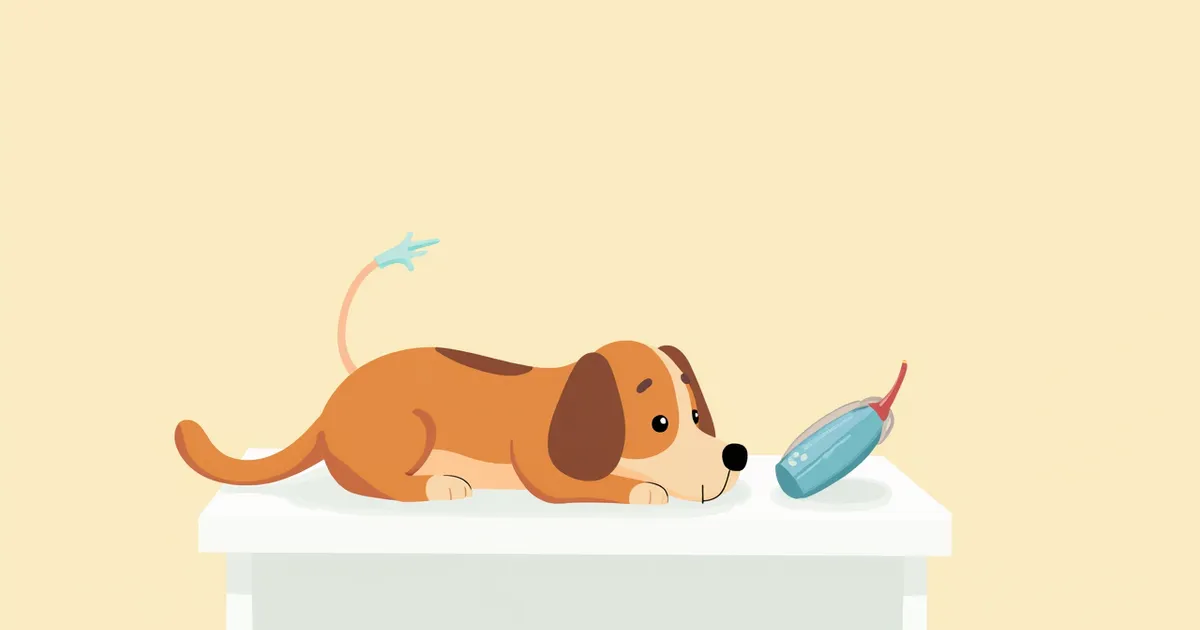
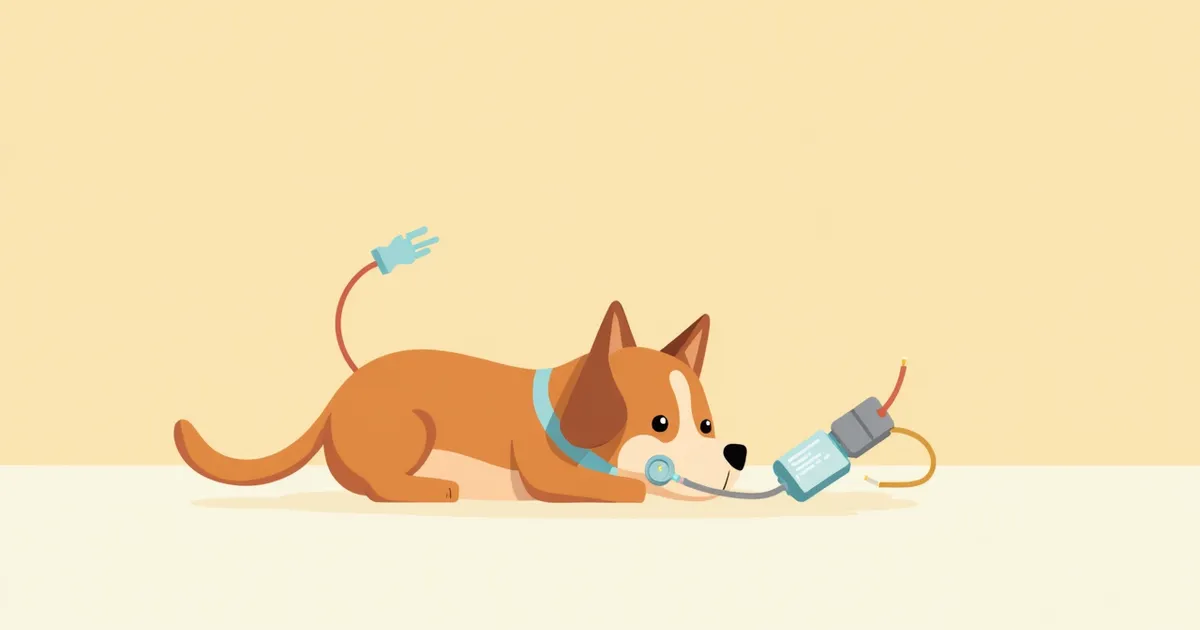
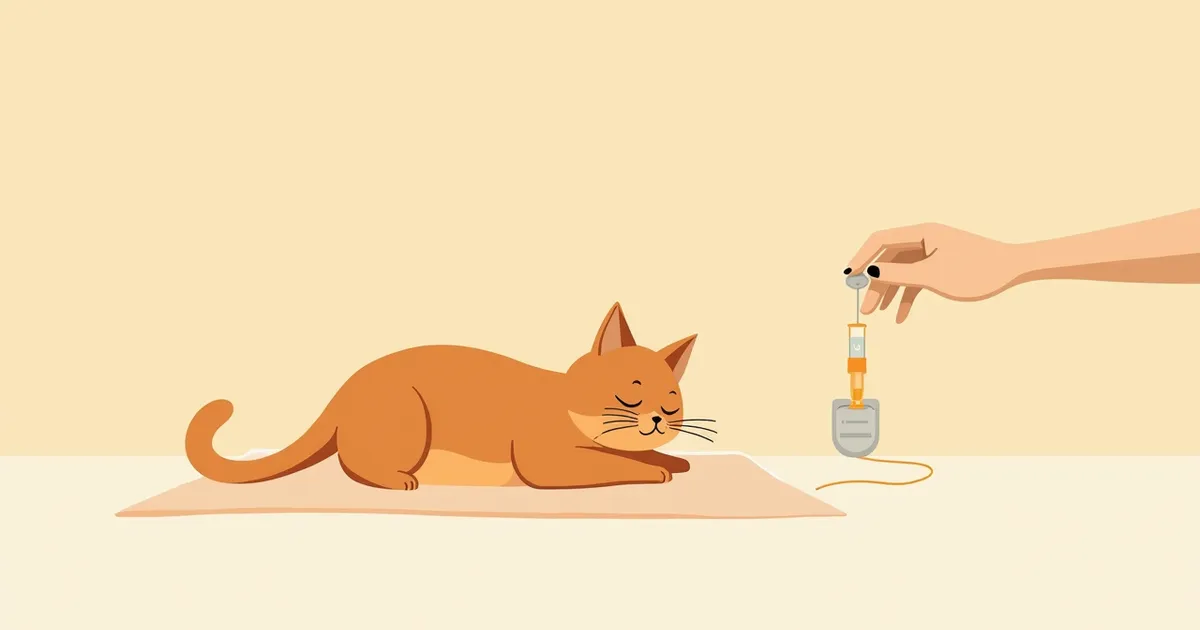
고양이가 편안하게 누워 있는 모습, 피하수액 투여 도구가 옆에 놓여 있음

7 Best Products and Selection Criteria for At-Home Subcutaneous Fluid Administration in Cats Recommended by Veterinarians

KidneyTop PicksMeongsiljang Veterinary Advisory Board

We’ve compiled recommended products and selection criteria for home care of cats requiring subcutaneous fluid therapy due to conditions such as chronic kidney disease. This is essential information to ensure safe and effective at-home administration.

At-Home Subcutaneous Fluid Administration Is Key to Managing Chronic Kidney Disease in Cats
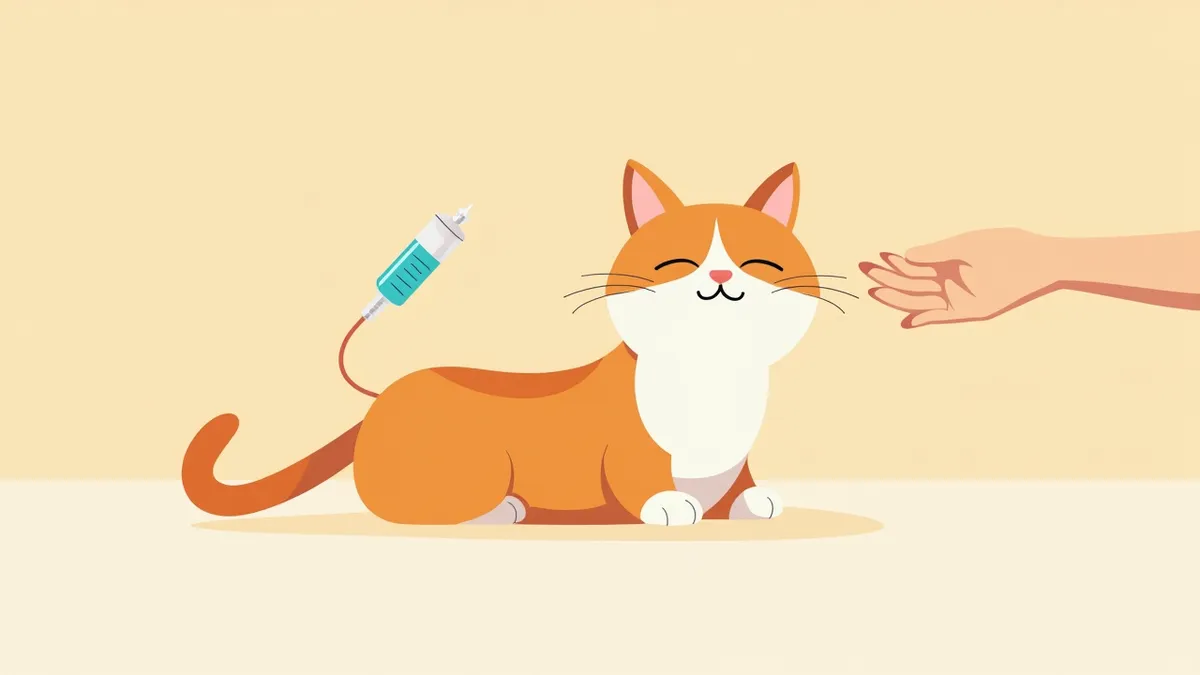
A cat owner administering subcutaneous fluids to their cat at home
Subcutaneous fluid therapy at home is an important supportive treatment for cats whose kidney function has declined, leading to imbalances in hydration and electrolytes. It plays a key role in the daily management of cats with chronic kidney disease by helping to reduce the risk of dehydration and easing the burden on the kidneys through consistent fluid supplementation. Regular administration helps prevent dehydration, supporting stable overall condition, and can be safely performed at home under veterinary guidance. However, in cases of severe dehydration or critical illness, subcutaneous fluids may not be sufficient, and intravenous fluids administered at the clinic may be necessary. The frequency and volume of administration vary depending on each cat’s individual condition, so always consult with a veterinarian. This approach serves as a long-term management strategy that contributes to improving your cat’s quality of life.

Note: The Type and Dosage of Subcutaneous Fluids Are Determined by Your Veterinarian

The most important aspect of administering subcutaneous fluids to your cat at home is not choosing the product yourself, but strictly adhering to the specific solution and dosage prescribed by your veterinarian. - Type and concentration of solution: Your veterinarian will prescribe a solution tailored to your cat’s kidney function and electrolyte levels. For chronic kidney disease, isotonic crystalloid fluids such as Lactated Ringer’s Solution (LRS) are generally appropriate, though the specific type may vary depending on the treatment goal. - Syringe and needle size: Use the needle gauge recommended by your veterinarian based on your cat’s body size. Using a needle that is too large can cause pain. - Ease of administration: Choosing user-friendly tools can reduce the burden of repeated administrations. However, it is safest to consult with your veterinary clinic before selecting any equipment. - Consistent care: Maintain consistency with the prescribed solution and administration method for long-term use. If any changes are needed, do not adjust them on your own; always consult your veterinarian first.
Organized subcutaneous fluid administration kit

Note 1: The Type of Fluid Is Prescribed by Your Veterinarian Based on Your Cat’s Condition
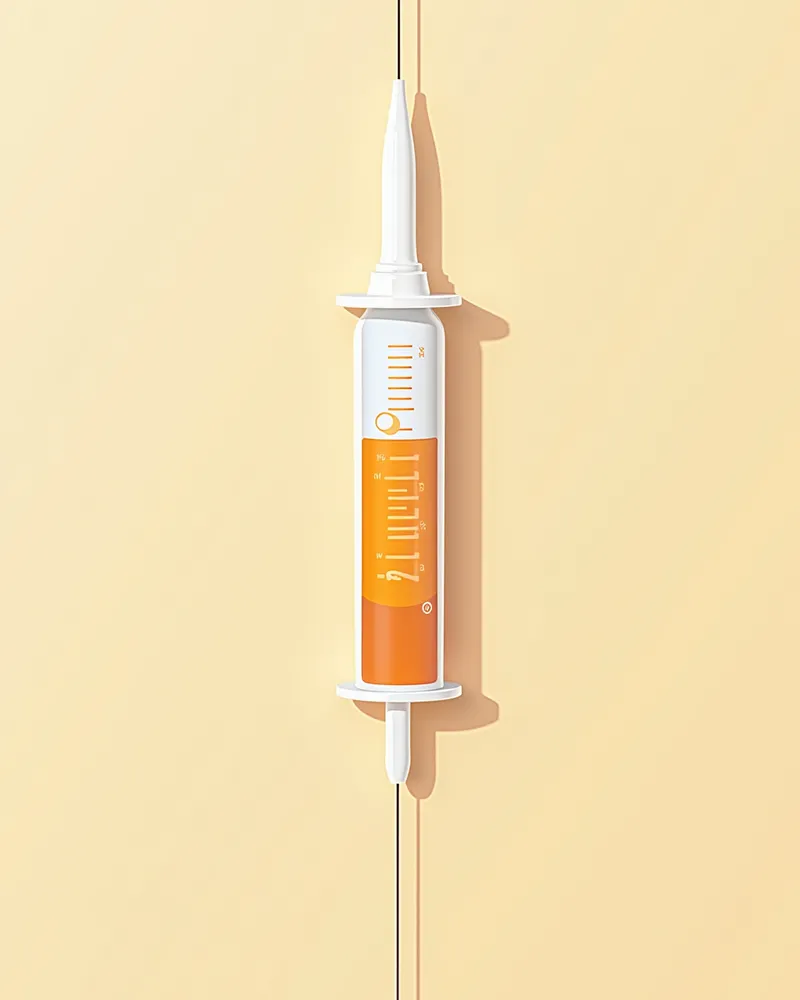
The fluids used for subcutaneous administration are not chosen by pet owners but prescribed by veterinarians based on the cat’s kidney function and electrolyte status. For managing chronic kidney disease, lactated Ringer’s solution (LRS) with balanced electrolytes is often used, while normal saline (0.9%) may be prescribed for simple hydration. If potassium levels are low, a potassium-supplemented fluid may be prescribed. Since the type and volume can vary depending on test results, even for the same cat, it is safest to use the prescribed fluid exactly as directed and avoid making any changes on your own.
Premium Subcutaneous Fluid Kit Box

Note 2: Learn the Correct Technique and Hygiene Before Administering Fluids at Home

When administering subcutaneous fluids at home, it is essential to maintain the hygiene of the needle and syringe set, use an appropriately sized needle, select the correct injection site (typically the loose skin between the shoulder blades), and strictly adhere to the prescribed injection rate and volume. For your first attempts, have a veterinarian or veterinary technician demonstrate the procedure in person. Learning techniques to minimize discomfort, such as proper restraint, and tips for warming the fluids to near body temperature can help reduce your cat’s resistance. Never reuse needles, and always check the injection site afterward for any signs of bleeding or swelling.
Travel-sized subcutaneous fluid therapy kit

Note 3: Regular Blood Tests and Monitoring for Abnormal Signs Are Essential
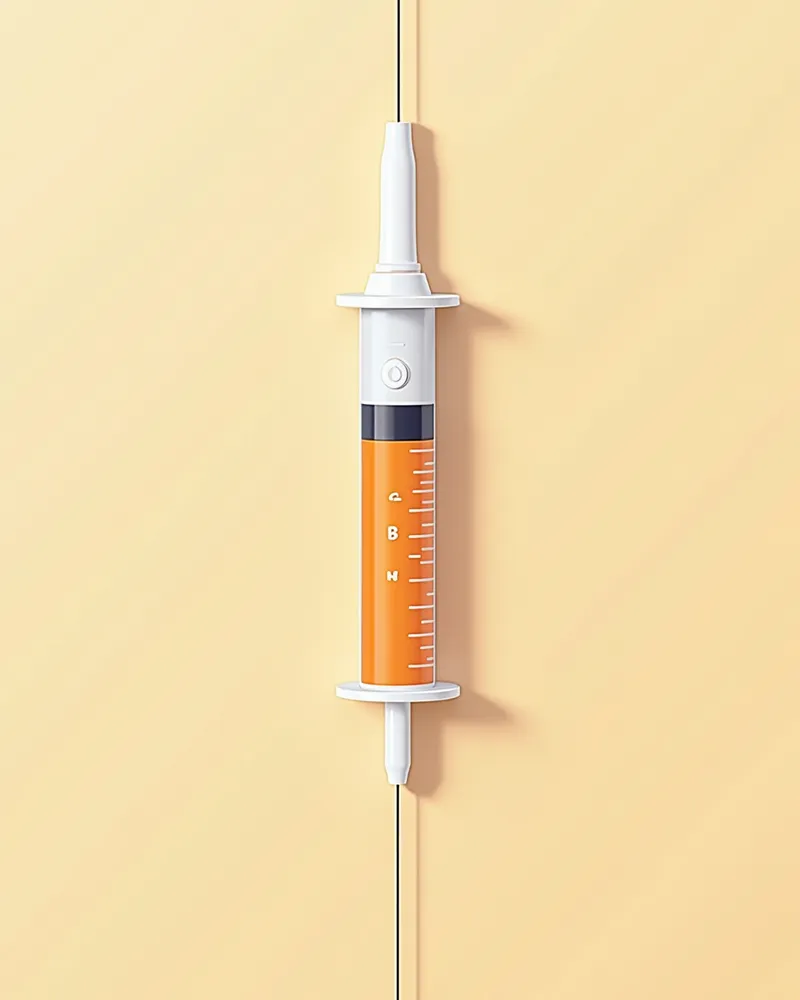
Subcutaneous fluid therapy isn’t a one-and-done treatment; it requires regular monitoring of electrolytes and kidney values (such as BUN and creatinine) to adjust the dosage accordingly. Typically, kidney values and potassium levels should be checked every 3 to 4 months, or more frequently if clinically indicated. Cats are particularly sensitive to fluid overload, so administering more than the prescribed amount can lead to edema or increased cardiac strain—never increase the volume without your veterinarian’s guidance. If you notice any changes such as difficulty breathing, severe swelling, lethargy, or decreased appetite after administration, contact your clinic immediately. Keeping a detailed log of each treatment session will greatly assist your veterinarian in refining the treatment plan during follow-up visits.
Automatic subcutaneous fluid dispenser with digital display

Types of Subcutaneous Fluids and Their Uses (Based on Veterinary Prescription)

ItemLRS (Lactated Ringer's Solution) typeNormal saline (0.9%)Potassium-supplemented fluid
Common situations for useLong-term fluid and electrolyte replacement, such as in chronic kidney diseaseSimple fluid replacement, acute dehydrationPreventing potassium deficiency after vomiting or diarrhea
Skin irritationLowLowModerate
Precautions for useFollow the dose prescribed by your veterinarianCheck electrolytes with long-term sole useCardiac risk if excessive; do not increase the dose on your own

This table is not a recommendation of specific products or hospitals, but a reference to guide your discussion with your veterinarian. Always make treatment and testing decisions together with your veterinarian through an examination.

Caution: Excessive Administration Can Place Strain on the Heart

Administering subcutaneous fluids in excessive amounts or too frequently can lead to fluid overload, placing undue strain on the heart. This risk is particularly high for cats with pre-existing heart conditions. It is essential to strictly adhere to the dosage and schedule prescribed by your veterinarian. If your cat exhibits difficulty breathing, coughing, or signs of shock after fluid administration, seek immediate veterinary care.

Essential Tips for At-Home Subcutaneous Fluid Administration
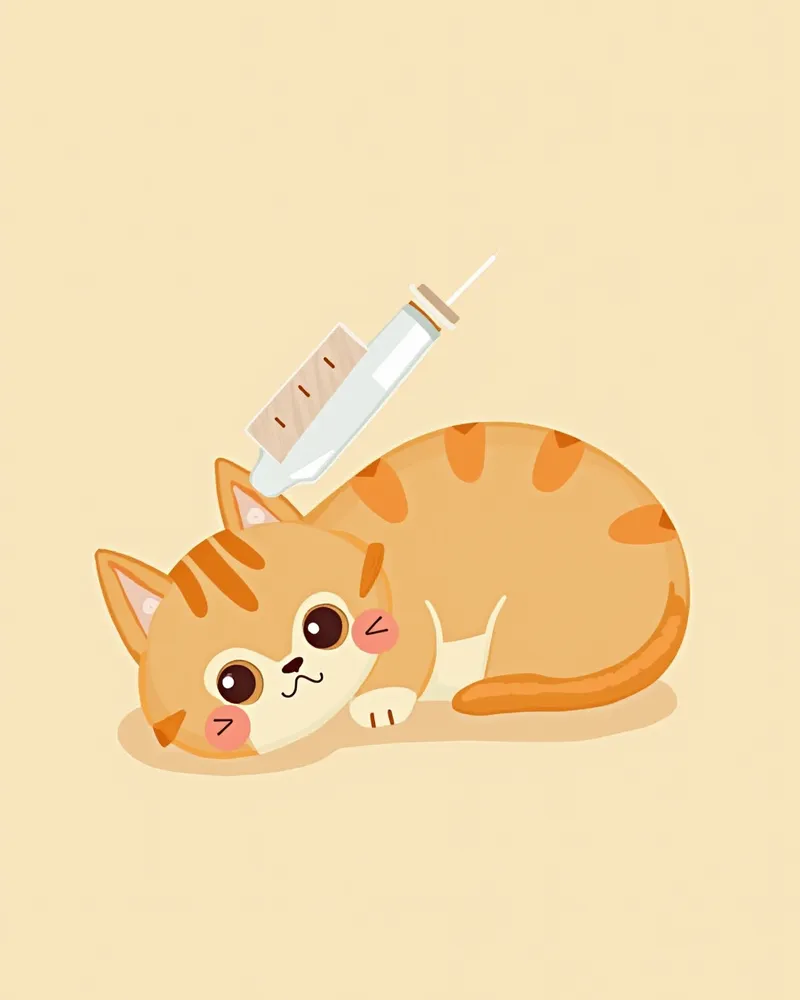
Subcutaneous fluid administration may feel awkward at first, but you’ll grow comfortable with it through practice. - Pre-administration check: Always inspect the syringe and needle, and ensure no air bubbles are present. - Choose the right site: Select areas on the back or sides with less fur to minimize discomfort. - Post-administration massage: Gently massaging the area helps facilitate fluid absorption. - Monitor your cat’s condition: If your cat appears tense or uncomfortable, proceed slowly in a quiet environment. - Keep regular records: Documenting the date, time, volume, and your cat’s response will aid communication with your veterinarian.
A pet owner gently stroking their cat after subcutaneous fluid administration

Reviewed by a veterinarian

Dr. Tony — Punnawat Phongkittirak

Dr. Tony — Punnawat Phongkittirak

Veterinarian

A veterinarian who majored in veterinary medicine at Khon Kaen University, Thailand, and completed the IVSA program at North Carolina State University in the United States. Drawing on clinical experience at animal hospitals, he works in the pet healthcare field and is dedicated to building a digital care environment that connects pet parents with veterinarians.

Frequently Asked Questions

Do subcutaneous fluids need to be administered every day?
The dosing schedule and amount will be determined by your veterinarian based on your cat’s kidney condition and test results. The frequency may range from daily to every few days, so it’s most important to consistently follow the prescribed schedule.
What should I do if my pet experiences side effects after receiving subcutaneous fluids?
If your pet shows symptoms such as swelling, pain, fever, coughing, or difficulty breathing, contact your veterinarian immediately. These signs could indicate fluid overload or other serious conditions, so prompt veterinary assessment is essential.
Is there a way to administer it at home?
You can safely administer it at home using the method taught by your veterinarian. For the first time, it’s safest to have a veterinarian or veterinary staff demonstrate the procedure directly to you.
Which subcutaneous fluid product is the best?
For chronic kidney disease, isotonic fluids like LRS are generally appropriate. However, it is safest to use the specific type and dosage prescribed by your veterinarian based on your cat’s condition.
The liquid isn’t draining after administration. Is this normal?
The administered fluids are typically absorbed slowly under the skin over several hours. While a slight temporary sagging may be noticeable, you should consult your veterinarian if the swelling persists or becomes severe.

Share

Related Guides

References

[1] The Cat, Clinical Medicine and Management, 2nd Edition, 2020

[2] Feline Emergency and Critical Care Medicine, 2nd Ed, 2019

[3] American Association of Feline Practitioners (AAFP) Guidelines for Chronic Kidney Disease Management, 2022

This information is based on veterinary literature and does not replace diagnosis or treatment. Please consult a veterinarian for specific health concerns.

Metapet Co., Ltd. | CEO: Park Sung-yong | Business Reg. No. 417-88-02562 | Seoul, South Korea | Customer Center

7 Best Products for At-Home Subcutaneous Fluids in Cats | Meongsiljang