

7 Key Symptoms and Management Tips for Canine Conjunctivitis Recommended by Veterinarians
Most cases of conjunctivitis in dogs are caused by infections. With proper treatment and care, recovery is possible. We’ve compiled the best products and key selection criteria that pet owners should know.
Canine conjunctivitis is an inflammation around the eyes

Good to know: Conjunctivitis management
Good to know 1: What is conjunctivitis?
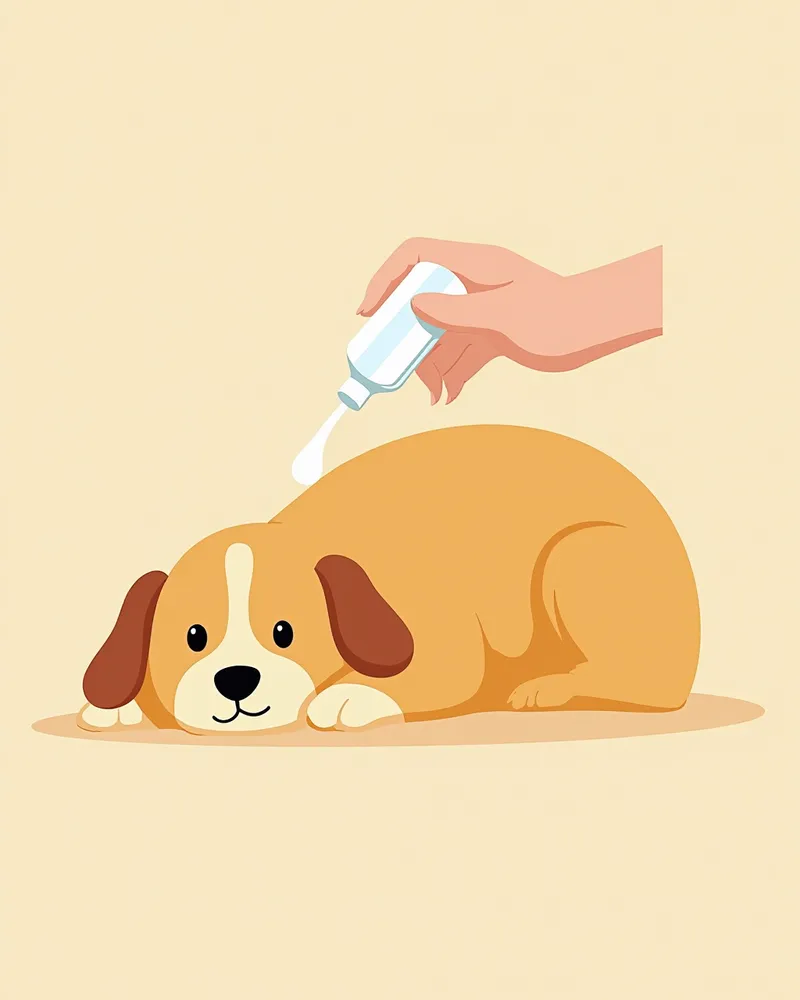
Good to know 2: Identify the cause through diagnosis and treat

Good to know 3: Learn about management and prevention of recurrence

Points to note about conjunctivitis
| Item | Key Points |
|---|---|
| Condition | Conjunctival inflammation causing redness, eye discharge, tearing, and rubbing of the eyes |
| Causes in Dogs | Varied, including respiratory infections such as kennel cough, trauma, foreign bodies, allergies, dry eye, and eyelid abnormalities (herpes and chlamydia are mainly in cats) |
| Diagnosis & Treatment | After identifying the cause, veterinarian prescribes antibiotic, antiviral, or anti-inflammatory eye drops |
| Caution | Do not use human eye drops or arbitrary products; viral cases do not resolve with antibiotics alone |
| Management & Prevention | Keep eye discharge clean, watch for transmission in multi-cat/multi-dog households, manage immunity and stress |
This is not a table recommending specific products or clinics, but a reference for when you consult a veterinarian. Treatment and testing decisions must always be made together with a veterinarian through an examination.
Caution: Do not self-diagnose; always visit a veterinarian
If your dog’s eyes become red or produce discharge, do not attempt to treat them at home. Viral and bacterial conjunctivitis require different treatments. Using the wrong medication can worsen symptoms or cause permanent eye damage. Please use only medications diagnosed and prescribed by a veterinarian.
Usage tip: How to help your dog accept it comfortably

Reviewed by a veterinarian

Dr. Tony — Punnawat Phongkittirak
VeterinarianA veterinarian who majored in veterinary medicine at Khon Kaen University, Thailand, and completed the IVSA program at North Carolina State University in the United States. Drawing on clinical experience at animal hospitals, he works in the pet healthcare field and is dedicated to building a digital care environment that connects pet parents with veterinarians.
Reviewed 2026-06-03
Frequently asked questions
Can conjunctivitis in dogs be contagious?
Can conjunctivitis recur after it has been fully treated?
Will my dog get worse if I apply eye drops?
Is it okay to wash my pet's eyes at home?
Can supplements help treat conjunctivitis?
Share
Related Guides
Top 5 Dog Tear Supplements Recommended for 2026

What is Lutein? Effects on Dog Eye Health

The Best Canine Uveitis Management Products and Selection Criteria: A Comprehensive Guide
7 Key Tips for Managing Canine Mammary Tumors Selected by Veterinarians — Criteria for Distinguishing Benign from Malignant

Top 5 Joint-Support Mats and Stairs for Dogs and How to Choose Them

Top 5 Recommended Recovery Diets for Dogs After Joint Surgery — Nutritionally Balanced Food for the Recovery Period

When Are Prescription Diets Needed for Dogs? — Selection Criteria by Kidney, Liver, and Obesity Conditions

Top 5 Cat Water Fountains for Increasing Water Intake and Kidney Health

5 Key Differences in Dog Food Grades Explained by a Veterinarian

Complete Guide to Dog Breeds — Characteristics and Health Checkpoints for Small, Medium, and Large Breeds
References
[1] Clinical Medicine of the Dog and Cat, 4th Ed, 2021
[2] Clinical Atlas of Canine and Feline Ophthalmic Disease, 2nd Ed, 2022
[3] The Veterinary Workbook of Small Animal Clinical Cases, 2020