Like
Share
멍실장
고양이 신장 기능 보조제(오메가3 등) 관리 추천 BEST와 고르는 기준 총정리

5 Best Omega-3 Kidney Supplements for Cats Recommended by Veterinarians

KidneyTop PicksMeongsiljang Veterinary Advisory Board

We’ve compiled a guide on how to effectively choose supplements containing omega-3 and other ingredients to help prevent and support feline kidney function, along with our top three recommended products.

What Are Feline Kidney Support Supplements?
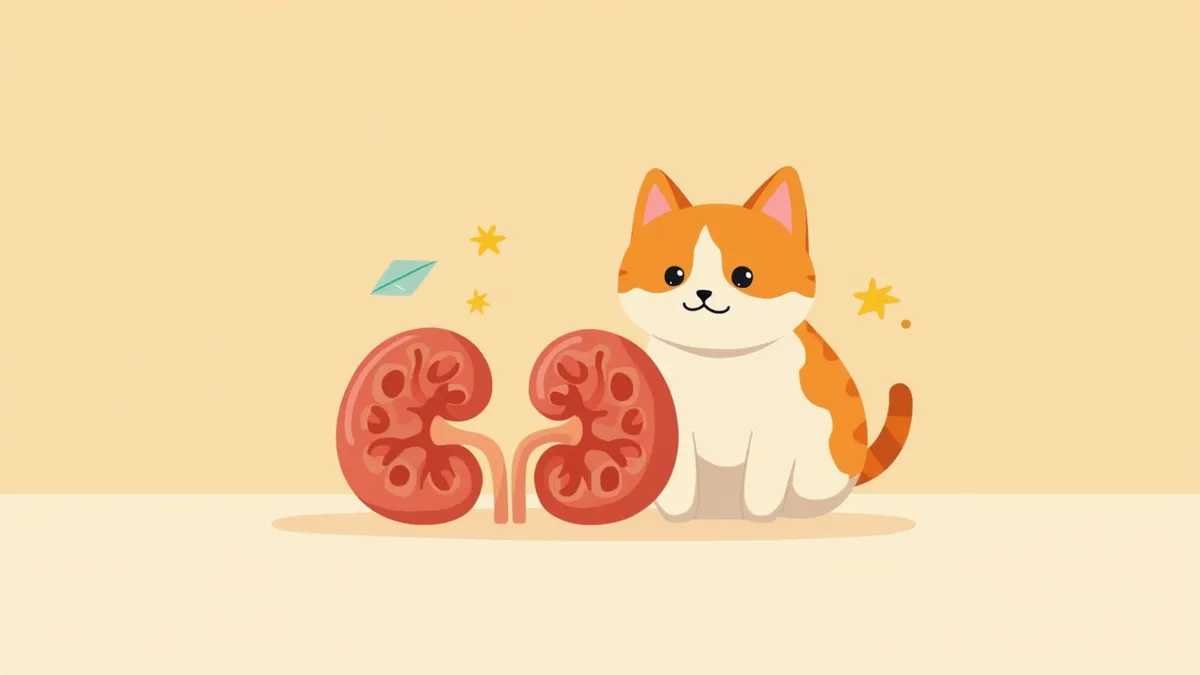
A microscopic image comparing healthy and damaged kidney cells in cats
Feline kidney support supplements are formulated with ingredients like omega-3 fatty acids to help maintain kidney health or support compromised function. In particular, mediators derived from the EPA and DHA in omega-3s have mild anti-inflammatory effects, which may help slow disease progression by reducing inflammation in the kidneys. In fact, EPA and DHA are recommended as adjunctive therapies for kidney disease, and omega-3 fatty acids are also included in therapeutic renal diets. Since the kidneys are vital organs that require careful management, these supplements should never be used as standalone treatments but only as supportive care under the guidance of a veterinarian.

4 Selection Criteria

When choosing a kidney supplement for your cat, carefully evaluate the ingredients, usage instructions, safety profile, and method of administration. First, check that the product contains adequate levels of EPA and DHA from omega-3 fatty acids. Second, ensure the form is easy for your cat to consume; liquid or jelly formats are typically easier to administer. Third, opt for products made with stable, high-quality ingredients that have minimal side effects. Fourth, for added safety, choose supplements recommended by veterinarians or backed by clinical research.
A cat happily enjoying a jelly-type supplement

BEST 1: Omega-3 Capsule Premium

This product is an omega-3 capsule specifically designed for cats, featuring high levels of EPA and DHA to support kidney health management. - Omega-3 Content: Each capsule contains 250 mg of EPA and 350 mg of DHA. Omega-3 fatty acids can help reduce inflammation in the kidneys. - Ease of Administration: The small, soft capsules are easy for cats to swallow. - Safety: Made with German-sourced ingredients, the product is labeled as free from heavy metals and contaminants. - Monitoring Effectiveness: It is recommended to administer one capsule daily with meals consistently. Since results vary by individual, regular blood tests should be conducted to monitor kidney values. - Additional Benefits: The odorless formula minimizes rejection, and the product meets quality standards recommended by veterinarians.
Product image of cat-specific omega-3 capsules

BEST 2: Jelly-Style Omega-3 Snack

This product is a jelly-style snack formulated with a flavor cats love, and it contains omega-3 fatty acids (EPA and DHA). - Taste and aroma: The natural fish scent is carefully replicated to encourage easy acceptance by cats. - Ingredient purity: It contains only pure omega-3s, with no added sugar, preservatives, or artificial colors. - Ease of administration: The jelly format makes dosing simple, making it ideal for cats that reject capsules. - Administration method: Simply offer one piece daily as a treat. This is especially suitable for cats that are difficult to medicate. - Medical basis: Omega-3 fatty acids are recommended as a supportive measure for kidney disease. Their effectiveness should be monitored through consistent administration and regular veterinary check-ups.
A fish-shaped jelly supplement that cats are likely to enjoy

BEST 3: Liquid Omega-3 Liquid

This product is in liquid form, making it easy to administer to cats. - Ease of administration: It can be given simply with a spoon or syringe. - Ingredient composition: It contains both EPA and DHA, which may help reduce inflammation in the kidneys. - Feeding convenience: Being a liquid, it mixes easily into food, making it suitable for cats that reject capsules or gels. - Dosage: Mix 1 ml per day into your cat’s meal. Consult your veterinarian to determine the exact dosage. - Target use: Omega-3 fatty acids are used in the nutritional management of cats with chronic kidney disease, such as those in IRIS stages 2–3, and must always be used under veterinary guidance.
Image of a liquid omega-3 supplement bottle for cats

Comparison Table of Products BEST 1–3

ItemBEST 1 CapsuleBEST 2 Jelly TypeBEST 3 Liquid
Key IngredientsEPA, DHAEPA, DHAEPA, DHA
Administration Method1 capsule1 piece of jelly1ml liquid
FlavorUnscentedFish flavorSweet flavor
Additional IngredientsGlucosamineVitamin EAntioxidants
Price (per 30 days)Approx. $20Approx. $20Approx. $20

All products are recommended for use under veterinary guidance, and since efficacy and safety may vary by individual, verify through regular check-ups.

Precautions

Always consult your veterinarian before giving your cat any supplements. In particular, if your cat has severe-stage chronic kidney disease, excessive omega-3 intake can cause adverse effects. Additionally, because supplements may interact with other medications, caution is necessary when used in combination with other drugs.

Usage Tips
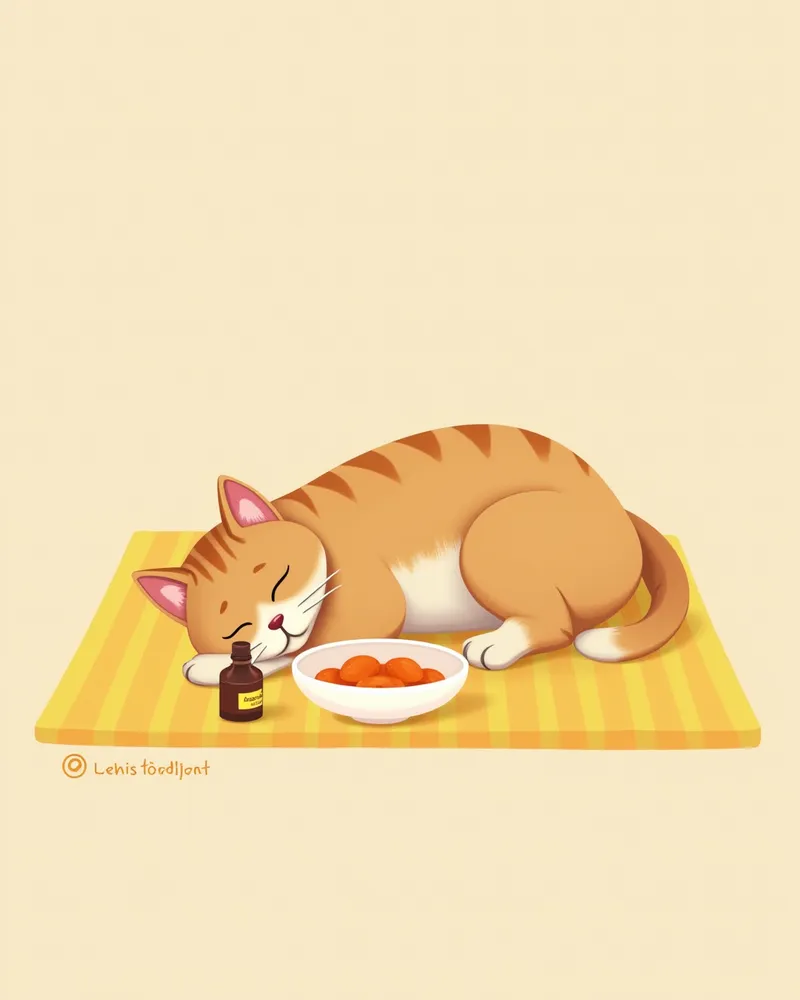
Consistency is key when giving supplements to your pet. - Administer with meals: Giving the supplement alongside food helps minimize stomach irritation and makes administration easier. - Monitor for reactions: If you notice any adverse effects such as vomiting, diarrhea, or loss of appetite, stop the supplement immediately and consult your veterinarian. - Regular check-ups are essential: Supplements are supportive aids, not treatments. They should be used in conjunction with routine blood tests and ongoing health care. - Keep a dosage log: Maintaining a record of administration can be very helpful during consultations with your veterinarian. - Beware of drug interactions: Combining supplements with other medications may alter their effectiveness, so always seek professional advice before doing so.
A cat eating its meal along with supplements.

Reviewed by a veterinarian

Dr. Tony — Punnawat Phongkittirak

Dr. Tony — Punnawat Phongkittirak

Veterinarian

A veterinarian who majored in veterinary medicine at Khon Kaen University, Thailand, and completed the IVSA program at North Carolina State University in the United States. Drawing on clinical experience at animal hospitals, he works in the pet healthcare field and is dedicated to building a digital care environment that connects pet parents with veterinarians.

Frequently Asked Questions

When is the right time to start giving omega-3 supplements to cats?
If your pet is 7 years of age or older, or if you suspect reduced kidney function, please consult with your veterinarian before starting this medication.
Should omega-3 supplements be given daily?
Yes, consistent use is key to effectiveness. Please administer the recommended dose once daily.
My pet vomited after taking the supplement. What should I do?
Stop giving the medication right away and consult your veterinarian. It may be a side effect, so it needs to be checked.
Can this be given with other medications?
Avoid combining this medication with others unless specifically instructed by your veterinarian, as drug interactions may occur.
Do supplements serve as a treatment?
No. Supplements are merely supportive aids for kidney function and do not treat the underlying disease itself.

Share

Related Guides

References

[1] BSAVA Manual of Canine and Feline Dermatology, 4th Ed, 2023

[2] Clinical Medicine of the Dog and Cat, 4th Ed, 2021

[3] NRC (National Research Council) Nutrient Requirements of Cats, 2006

This information is based on veterinary literature and does not replace diagnosis or treatment. Please consult a veterinarian for specific health concerns.

Metapet Co., Ltd. | CEO: Park Sung-yong | Business Reg. No. 417-88-02562 | Seoul, South Korea | Customer Center

Vet-Recommended Omega-3 Supplements for Cat Kidney Health: Top 5 Picks | Meongsiljang