Like
Share
멍실장
강아지 심내막염 관리 추천 BEST와 고르는 기준 총정리

7 Symptoms of Canine Infective Endocarditis and Management Criteria Selected by Veterinarians

HeartTop PicksMeongsiljang Veterinary Advisory Board

Canine endocarditis is an inflammatory condition of the heart valves, making early detection and proper management crucial. We’ve outlined key criteria for selecting effective management products and our top three recommendations.

Canine Endocarditis Is an Inflammatory Condition of the Heart Valves

A veterinarian examining a puppy's heart.
Canine infective endocarditis is a condition in which bacteria adhere to the inner lining of the heart, particularly the heart valves, via transient or persistent bacteremia, causing inflammation and proliferative or ulcerative lesions. Damaged valves can lead to regurgitation, which may progress to congestive heart failure over time, making early detection crucial. Although the disease itself is relatively rare, reported data indicate it is more common in middle-aged male dogs and medium-to-large breeds. Because symptoms are often vague and difficult to detect, regular health check-ups are essential. - Cardiac health management: The cornerstone of treating endocarditis is veterinary diagnosis and treatment, especially with antibiotics, rather than nutritional supplements. Supportive care to reduce cardiac workload can also be beneficial. - Immune and systemic management: Maintaining overall health and stable immune function helps create an environment conducive to recovery. - Supportive inflammation management: Ingredients with known anti-inflammatory effects, such as omega-3 fatty acids, may be considered as supportive measures, but they cannot replace antibiotic therapy.

Key Criteria for Choosing Canine Endocarditis Management Products

When choosing a product to help manage your dog’s endocarditis, it’s important to evaluate both the safety and the scientific backing of its ingredients. Above all, keep in mind that endocarditis is caused by bacterial infection, so long-term antibiotic therapy is the cornerstone of treatment, while nutritional supplements play only a supportive role. Rather than selecting products on your own, consulting with your veterinarian is the safest approach.
Ingredients with known anti-inflammatory effects: Consider ingredients with documented support for reducing inflammatory responses, such as omega-3 fatty acids, as a complementary aid.
Ingredients for immune and overall health support: Look for ingredients that help maintain stable overall health.
Use of safe raw materials: Choose products made from ingredients with minimal side effects that are safe for long-term administration.
Prioritize veterinary consultation: Always consult your veterinarian before selecting a product to ensure it does not interfere with diagnosis or treatment.
A bottle of supplements that support heart health

BEST 1: Heart-Protecting Probiotic Capsules
This product is a supplementary nutritional supplement containing probiotics. While probiotics are known to support beneficial health responses, such as modulating gut immune function and excluding pathogenic bacteria, there is no evidence that they directly treat endocarditis or reduce inflammatory substances reaching the heart. Therefore, it is best understood as a supportive measure to aid overall gut and immune health, rather than a replacement for antibiotic treatment of endocarditis. Please consult your veterinarian before administering.
Improved Gut Health: Known to help maintain gut balance and support overall health.
Immune Modulation Support: May help regulate local immune responses.
Product Reliability: Choose a trustworthy product with clearly stated manufacturer, strain, and CFU content.
Safe Ingredients: Ensure the ingredients contain minimal synthetic additives.
A puppy taking heart health supplements

BEST 2: Heart-Specific Omega-3 Oil

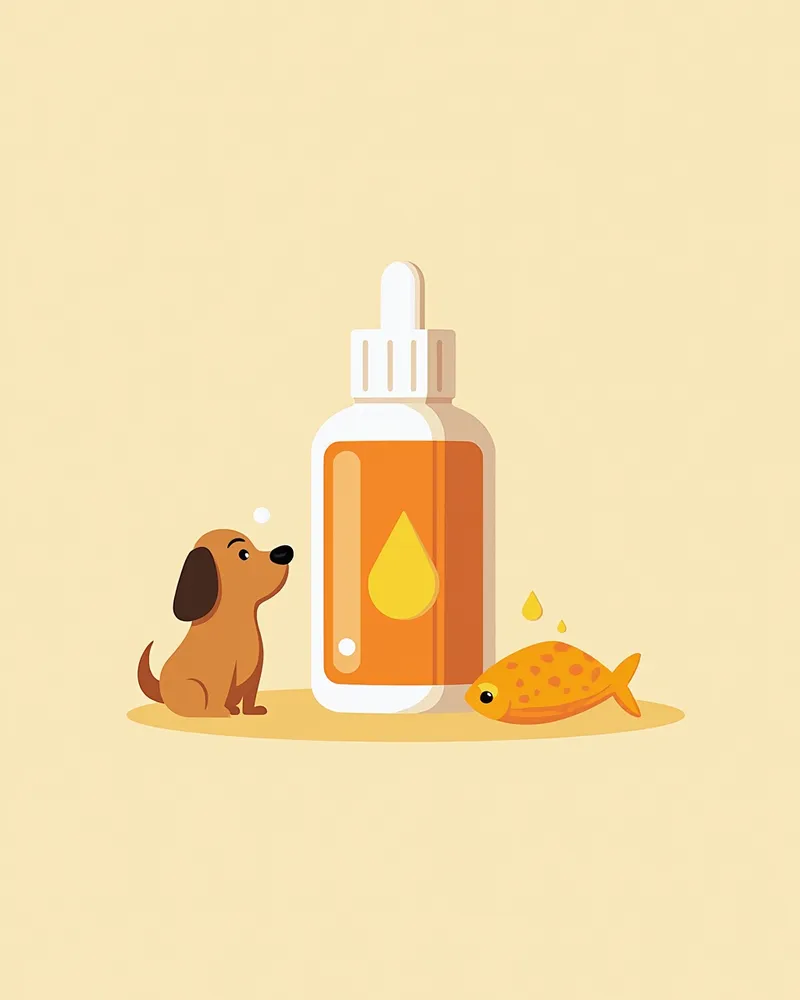
This product is an omega-3 oil containing EPA and DHA. Eicosanoids derived from omega-3 fatty acids are known to be less inflammatory than those derived from omega-6, which may help support the reduction of inflammatory responses. However, since it does not directly treat endocarditis, it should only be used as a supplement, and you must follow the dosage recommended by your veterinarian.
Anti-inflammatory support: It is known to help regulate the production of inflammatory mediators.
Cardiovascular support: While omega-3 supplementation is often recommended for cardiovascular conditions, its effects are supportive rather than curative.
Dosage adherence: Consult your veterinarian to determine the appropriate EPA and DHA dosage based on your pet’s body weight.
Natural oil source: Ensure the product uses reliable ingredients, such as purified fish oil.
A puppy looking at a bottle of omega-3 oil

BEST 3: Heart Health Multi-Ingredient Supplement Powder

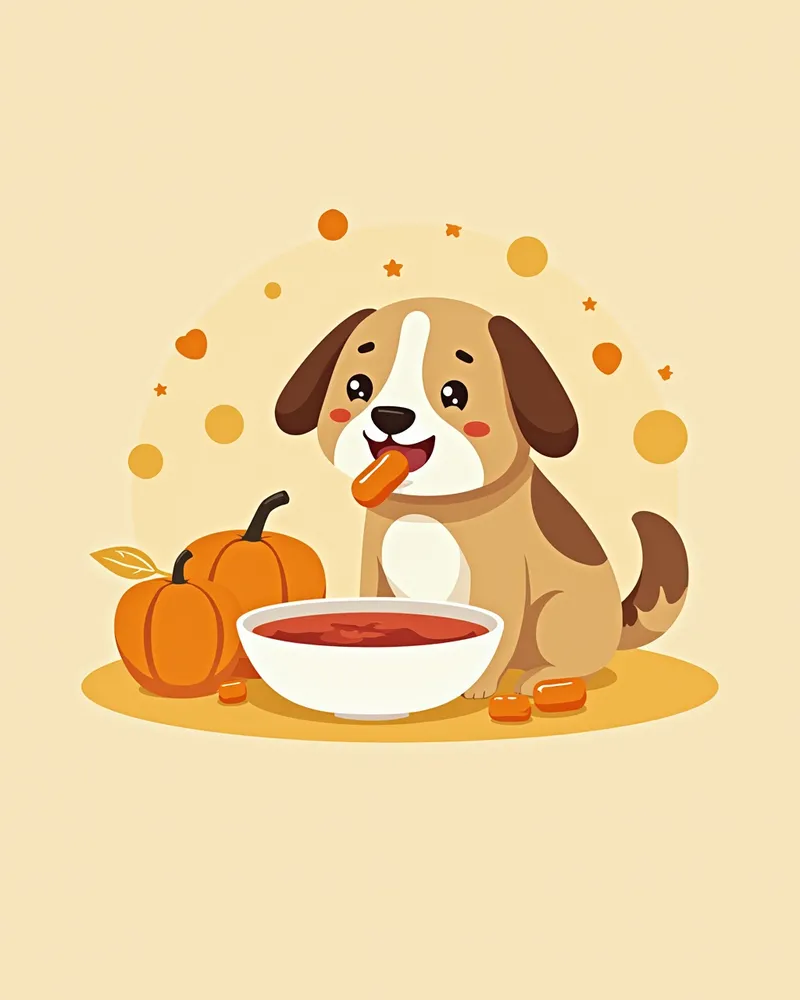
This product is a powdered supplement that combines multiple ingredients. While it claims to offer a variety of benefits, there is no veterinary evidence to support the assertion that it regenerates heart cells or repairs damaged heart muscle. Since endocarditis is a bacterial infection, antibiotic therapy is the cornerstone of treatment; please remember that such supplements are strictly adjunctive. The palatable flavor makes it easy to mix into your dog’s meals.
General Health Support: Helps maintain overall well-being through balanced nutrition.
Immune and Inflammation Support: Anti-inflammatory ingredients may provide auxiliary benefits.
Veterinary Consultation First: Consult your veterinarian to determine the proper dosage and ensure no interactions with prescribed medications.
Palatable Powder: Formulated with a flavor that dogs readily accept.
Mixing a heart-health supplement into your dog’s food

Comparison Table of BEST 1–3 Products

ItemBEST 1 ProbioticsBEST 2 Omega-3 OilBEST 3 Complex Nutritional Supplement
Main ingredientsProbiotics, anti-inflammatory ingredientsHigh-concentration EPA, DHA oil5-ingredient heart-protective complex
Main effectsImmune regulation, improved gut healthImproved blood flow, inflammation suppressionCell regeneration, immune strengthening
Administration method1 capsule/day1–2 drops per day1 spoon of powder mixed into food/day
Recommended age1 year and older6 months and older1 year and older
Possibility of side effectsLowVery lowLow

Always follow the dosage recommended by your veterinarian. Complex products may have interactions when used together with other medications.

Caution: Risk of Adverse Effects When Used with Medications

Heart health supplements can cause adverse effects when used alongside anti-inflammatory medications or cardiac drugs. Dogs taking blood thinners or anticoagulants must consult their veterinarian before use.

Tips for Managing Canine Endocarditis

Managing endocarditis goes beyond just giving supplements; it requires a combination of daily care and veterinary treatment. Most importantly, if the cause is a bacterial infection, long-term antibiotic therapy is essential, along with a consistent routine and regular check-ups. Working with your veterinarian to create a management plan is the most effective approach.
Appropriate Activity: Help maintain a regular routine without overexertion.
Minimize Stress: Anxiety can increase the burden on the heart.
Regular Check-ups: Monitor heart health at intervals recommended by your veterinarian (typically a re-evaluation 1–2 weeks after starting treatment, followed by checks every 3–6 months).
Dietary Management: For heart disease, a diet with appropriate sodium levels is recommended.
The sight of a puppy taking a quiet walk

Reviewed by a veterinarian

Dr. Tony — Punnawat Phongkittirak

Dr. Tony — Punnawat Phongkittirak

Veterinarian

A veterinarian who majored in veterinary medicine at Khon Kaen University, Thailand, and completed the IVSA program at North Carolina State University in the United States. Drawing on clinical experience at animal hospitals, he works in the pet healthcare field and is dedicated to building a digital care environment that connects pet parents with veterinarians.

Frequently Asked Questions

Can endocarditis be cured?
Endocarditis is an infectious disease, so once a bacterial infection is confirmed, long-term bactericidal antibiotic therapy is required. However, because diagnosis is challenging and the mortality rate is high, the prognosis is generally poor. Therefore, rather than guaranteeing a complete cure, early diagnosis and consistent treatment and management are of utmost importance.
When should I start giving my pet the supplement?
Treatment for endocarditis prioritizes a veterinarian’s diagnosis and antibiotic therapy. Since nutritional supplements are only supportive aids and do not replace medical treatment, you should always consult your veterinarian to determine whether and when to start them.
Is it safe to give my pet supplements long-term?
Even when giving a supplement long-term, consult your veterinarian and have regular check-ups to monitor your pet’s condition and ensure the supplement remains appropriate. It’s also important to check for potential interactions with any medications your pet is taking.
Can heart health be maintained through diet alone?
Diet alone cannot prevent or treat endocarditis. Antibiotics are the cornerstone of treatment, while a diet with appropriate sodium levels and daily care should be used as supportive measures.
What should I do if my dog refuses to take supplements?
Try mixing it into your dog’s meals or offering it as a treat. Most products recommended by veterinarians are formulated with flavors that dogs love.

Share

Related Guides

References

[1] Kaplan JL, Stern JA. Canine Cardiomyopathy. In: Small Animal Critical Care Medicine, 3rd Ed. Elsevier, 2020.

[2] Freid KJ, Freeman LM, Rush JE, et al. Retrospective study of dilated cardiomyopathy in dogs. J Vet Intern Med. 2020;35(1):58–67.

[3] Adler Y, Charron P, Imazio M, et al. 2015 ESC Guidelines for the diagnosis and management of pericardial diseases. Eur Heart J. 2015;36(34):2921–2964.

This information is based on veterinary literature and does not replace diagnosis or treatment. Please consult a veterinarian for specific health concerns.

Metapet Co., Ltd. | CEO: Park Sung-yong | Business Reg. No. 417-88-02562 | Seoul, South Korea | Customer Center

7 Symptoms of Canine Infective Endocarditis & Vet Care Tips | Meongsiljang