Like
Share
멍실장
고양이 신장 식이 처방 사료 관리 추천 BEST와 고르는 기준 총정리

Top 7 Prescription Renal Diets for Cats Recommended by Veterinarians and Selection Criteria

KidneyTop PicksMeongsiljang Veterinary Advisory Board

To effectively choose prescription diets for managing feline kidney disease, it’s essential to select products that offer balanced nutrition and are tailored to the specific characteristics of the disease. In this article, we’ve summarized the top three products and the criteria for choosing them.

What Are Prescription Renal Diets for Cats?
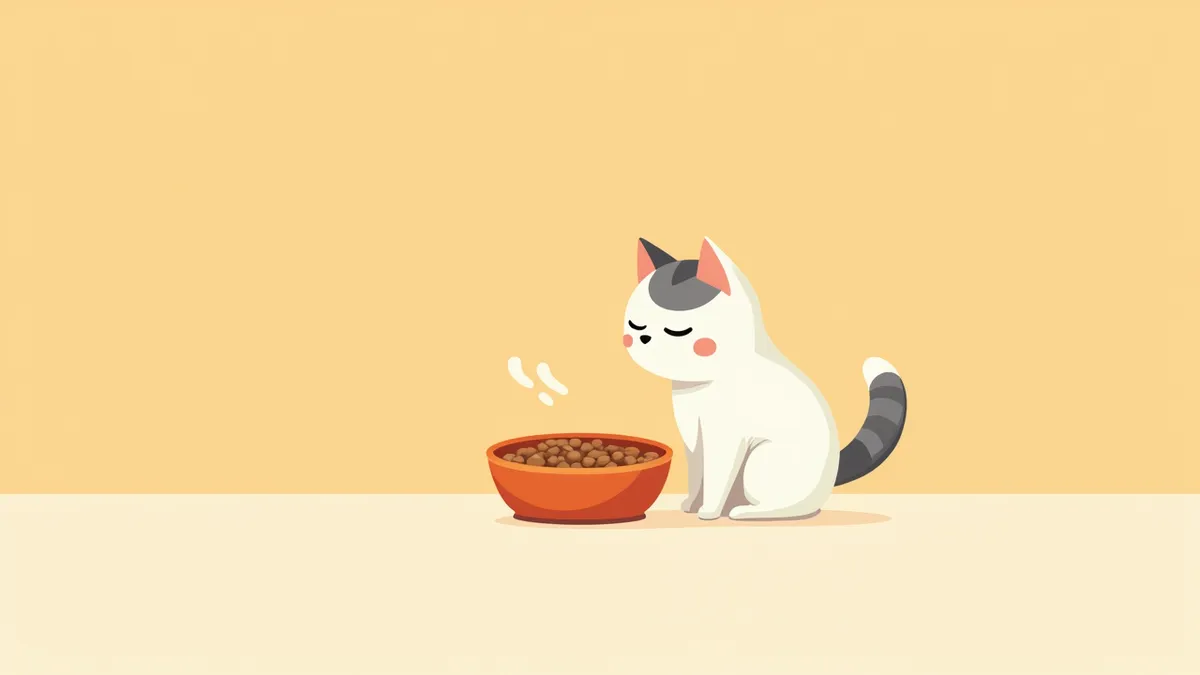
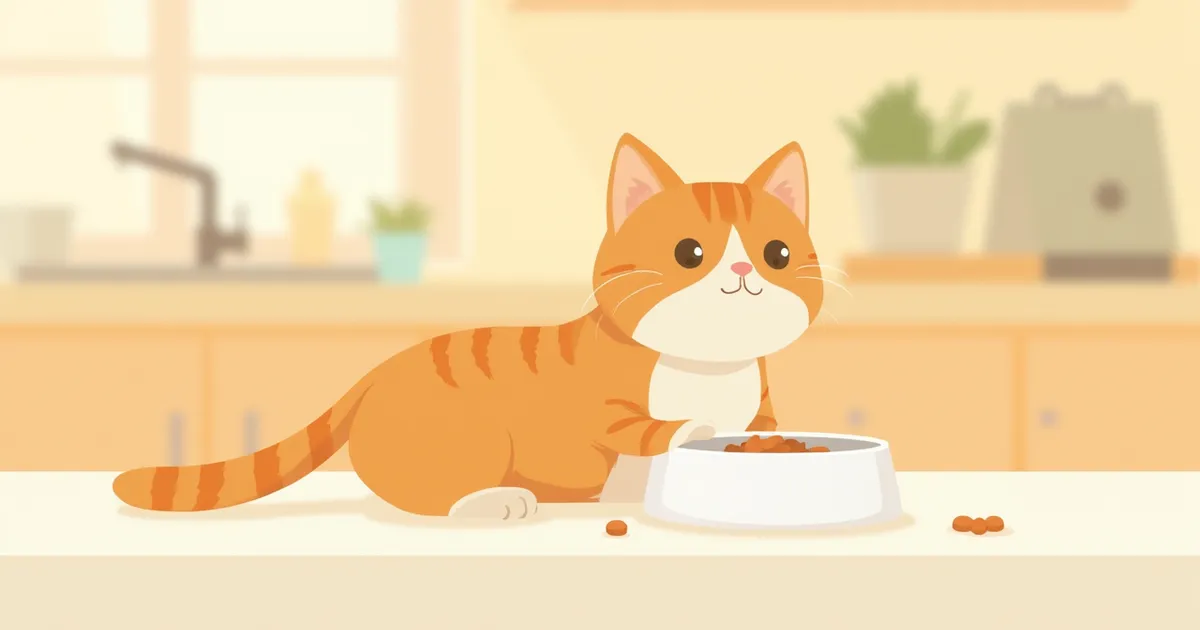
Cats eating prescription renal diet food for kidney health
Prescription renal diets for cats are specially formulated to provide precise nutritional management for cats living with chronic kidney disease (CKD). - Protein tailored to kidney function: Protein levels are carefully balanced to avoid excess while still delivering sufficient calories and high-quality nutrients, helping to prevent muscle loss. - Phosphorus and sodium control: These diets are designed with reduced phosphorus and sodium, plus added omega-3 fatty acids, to lessen the workload on the kidneys. - Supporting hydration: Available in both dry and wet (canned) forms, wet food can help increase fluid intake. Always ensure fresh water is readily available. - Veterinary guidance required: Work with your veterinarian to select the right diet and feeding plan based on your cat’s specific condition. - Stage-specific formulation: The appropriate product type and portion size vary depending on the stage of kidney function decline, such as the IRIS staging system.

Good to Know: Managing Prescription Renal Diets for Cats
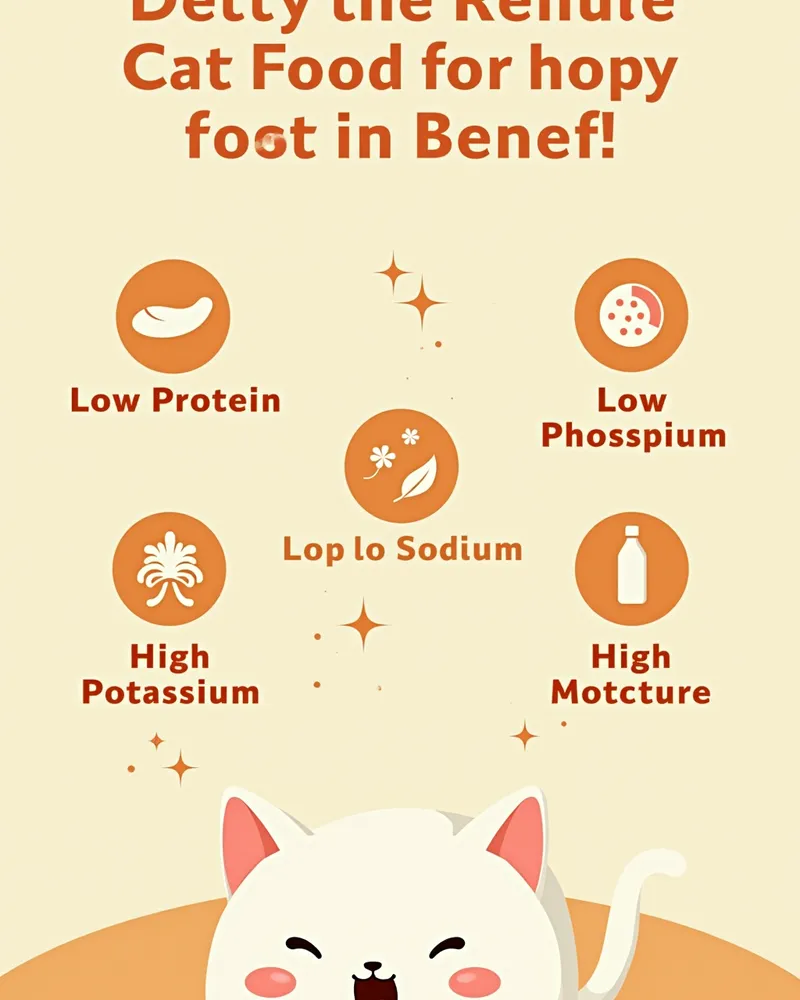
When choosing a prescription renal diet for cats, it is important to select a product that provides balanced nutrition and is appropriate for the specific stage of the disease. Please consult with your veterinarian, keeping the following five points in mind:
Appropriate Protein Management: Protein levels should be moderated to avoid excess, while ensuring sufficient caloric intake to prevent muscle loss. The degree of protein restriction may vary depending on expert recommendations and the stage of the disease.
Low-Phosphorus Diet: Limiting phosphorus is a key principle for reducing the burden on the kidneys. Dietary adjustments should align with the target phosphorus levels for each IRIS stage, and phosphate binders may be used concurrently if necessary.
Sodium Control: Prescription diets typically have reduced sodium content. Since hypertension is commonly associated with chronic kidney disease (CKD), it is important to manage blood pressure as well.
Potassium Management: While potassium levels may drop due to decreased kidney function, not all cats develop hypokalemia; some may even experience hyperkalemia. The need for supplementation should be determined based on blood test results.
High Moisture Content: Wet (canned) food can help increase water intake.
Five Key Criteria for Choosing Kidney-Specific Cat Food

Good to Know 1: Why Cats with Kidney Disease Need Prescription Diets

Feline chronic kidney disease (CKD) is a progressive condition characterized by a gradual decline in kidney function. When the kidneys fail to function properly, phosphorus, protein metabolites, and toxins accumulate in the bloodstream, leading to symptoms such as loss of appetite, vomiting, weight loss, and lethargy. Prescription renal diets are formulated with lower levels of protein and phosphorus than standard pet foods to reduce the burden on the kidneys and help slow the progression of the disease. Because substituting these with general low-protein foods can lead to nutritional imbalances, it is essential to obtain a diagnosis and prescription from a veterinarian first.
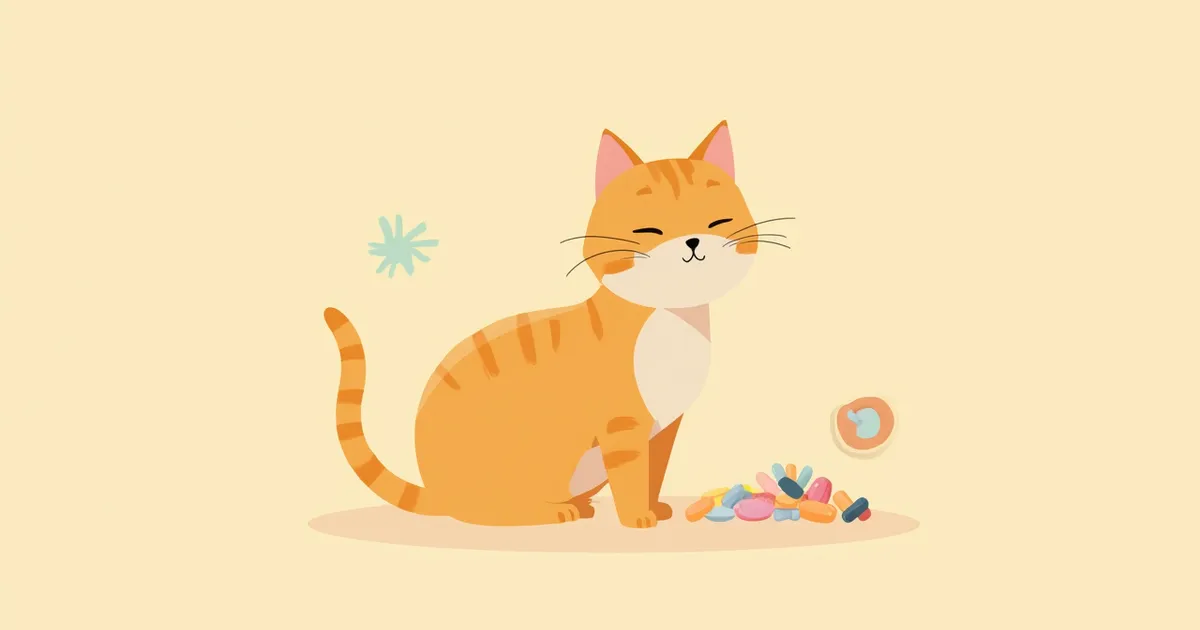
An informational image explaining why prescription diet is necessary for cats with kidney disease

Good to Know 2: Ingredient Principles of Prescription Renal Diets and Concurrent Treatment
Prescription renal diets are formulated around four key principles: phosphorus restriction, optimal protein levels, enhanced omega-3 fatty acids, and adequate hydration. Wet (canned) formulas are often beneficial for supporting kidney health by increasing fluid intake. In addition to dietary management, your veterinarian may recommend adjunctive therapies such as phosphate binders, antihypertensive medications, or fluid therapy, depending on the individual case. It is crucial to follow your veterinarian’s feeding guidelines, as mixing prescription food with other treats or regular kibble can significantly reduce its therapeutic efficacy. Your pet’s dietary plan will be adjusted based on regular monitoring of kidney markers (BUN, creatinine, SDMA) and phosphorus levels.
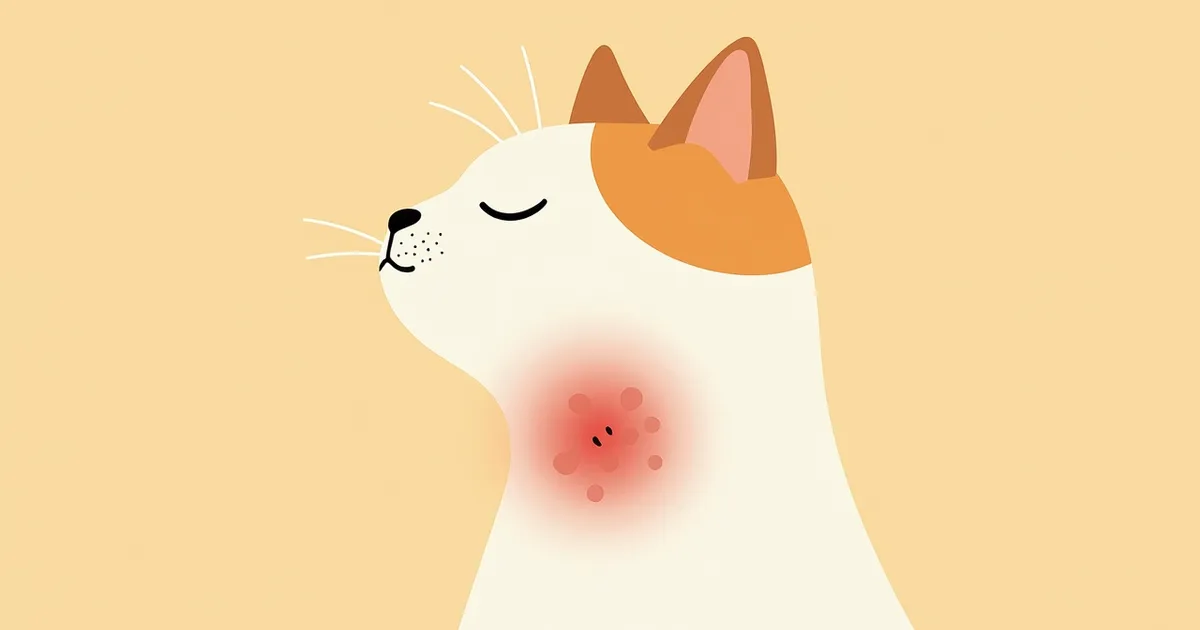
An image explaining the ingredient principles of renal prescription diets and guidance on concurrent treatment.

Good to Know 3: The Importance of Home Care and Veterinary Prescription

Prescription diets must be prescribed by a veterinarian after reviewing blood test results and clinical signs, as the appropriate type and amount of food vary depending on the stage of kidney disease according to the IRIS classification. At home, key priorities are ensuring constant access to fresh water, minimizing stress, and maintaining a regular schedule of veterinary check-ups. Be cautious of claims online that certain supplements or herbal products can restore kidney function, as these lack scientific evidence. If your cat refuses the prescription diet, it is safer to consult your veterinarian for strategies to improve palatability rather than switching foods on your own.
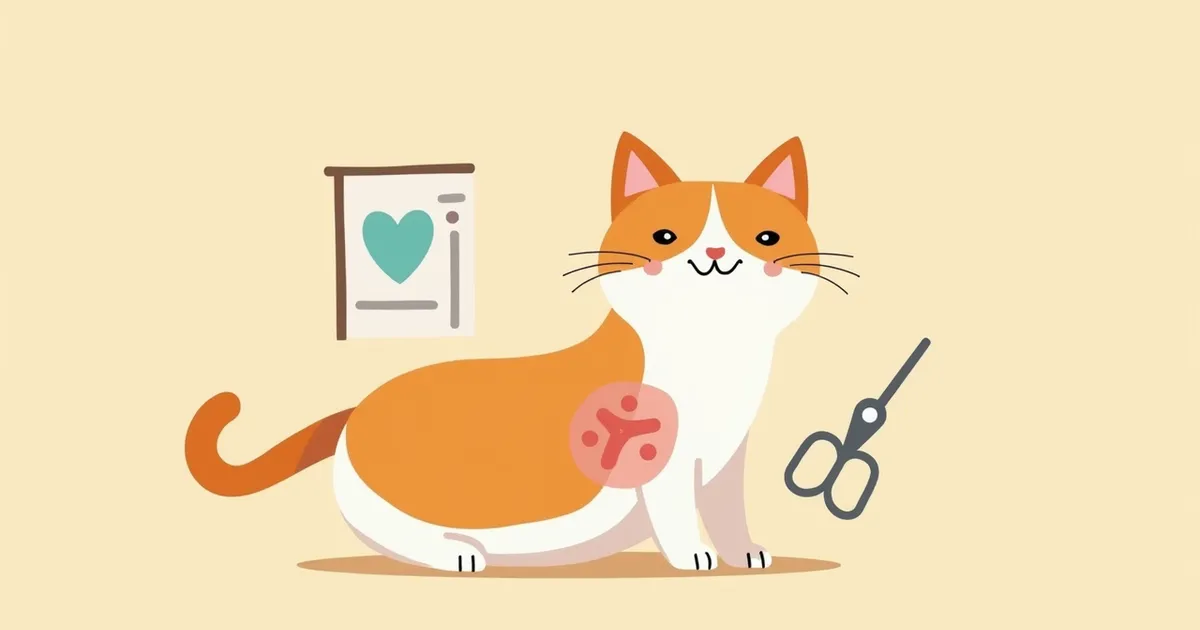
An informational image highlighting the importance of home care and veterinary prescriptions.

Points for Owners to Know About Prescription Renal Diets for Cats

ItemKey Points
ConditionA state in which kidney function has gradually declined due to chronic kidney disease
SymptomsLoss of appetite, vomiting, weight loss, lethargy, polydipsia/polyuria
DiagnosisBlood and urine tests (BUN, creatinine, SDMA, phosphorus levels) required
TreatmentVeterinarian-prescribed renal diet + phosphate binders/fluids as needed
CautionDo not arbitrarily substitute with unverified supplements or general low-protein food

This is not a table recommending specific products or clinics, but criteria to reference when consulting your veterinarian. Always make treatment and testing decisions together with your veterinarian through an examination.

Caution: Points to Note When Switching Diets

When switching to a renal prescription diet, do so gradually. An abrupt change can strain your cat’s digestive system. Over 7 to 10 days, gradually mix the new food with the current diet to make the transition. If your cat develops a decreased appetite or vomits during the transition, consult your veterinarian immediately.

Tips for Using Diets and Management Methods
To get the most out of prescription diets, follow these tips to help keep your cat healthy for the long term.
Set consistent meal times: Feed your cat two to three times a day at the same times. A regular eating routine supports healthy digestion.
Refresh water frequently: Change the water in your cat’s bowl at least twice a day to encourage hydration. Always ensure the water is fresh and clean.
Store food properly: Keep the food in an airtight container and away from direct sunlight. Exposure to moisture or odors can cause the food to spoil.
Monitor weight: Weigh your cat once a week. If you notice any weight loss or gain, consult your veterinarian.
Regular check-ups are essential: Have your cat’s kidney function tested every three to six months. Early detection is key to effective treatment.
A cat drinking water and kidney-support diet food

Reviewed by a veterinarian

Dr. Tony — Punnawat Phongkittirak

Dr. Tony — Punnawat Phongkittirak

Veterinarian

A veterinarian who majored in veterinary medicine at Khon Kaen University, Thailand, and completed the IVSA program at North Carolina State University in the United States. Drawing on clinical experience at animal hospitals, he works in the pet healthcare field and is dedicated to building a digital care environment that connects pet parents with veterinarians.

Frequently Asked Questions

Will my cat eat prescription food?
Most cats take to prescription diets quite well. The taste and texture are specifically designed to appeal to feline palates, so while there may be some initial hesitation, they typically adjust over time.
How long should I feed my pet prescription food?
Because kidney disease is chronic, it’s important to follow your veterinarian’s instructions and administer the treatment long-term. Properly managed nutrition is essential for maintaining kidney function.
Can't we just switch to regular pet food?
Regular pet food can put extra strain on the kidneys. Because it contains high levels of protein, phosphorus, and sodium, it can worsen the condition, so please do not switch to it under any circumstances.
Where can I get prescription pet food?
This medication requires a veterinarian’s prescription and can only be purchased through veterinary clinics or licensed online pharmacies. It is not available for direct purchase.
Does feeding prescription diet food extend a pet’s lifespan?
That’s right. Proper nutritional management helps maintain kidney function, reduce complications, and extend lifespan. Working closely with your veterinarian will yield the best results.

Share

Related Guides

References

[1] Fascetti, A.J. & Delaney, S.J. (2022). Applied Veterinary Clinical Nutrition, 2nd Ed. Wiley-Blackwell.

[2] Plumb's Veterinary Drug Handbook, 9th Ed. (2022). Wiley-Blackwell.

[3] American College of Veterinary Internal Medicine (ACVIM). (2021). Consensus Guidelines for Management of Chronic Kidney Disease in Cats.

This information is based on veterinary literature and does not replace diagnosis or treatment. Please consult a veterinarian for specific health concerns.

Metapet Co., Ltd. | CEO: Park Sung-yong | Business Reg. No. 417-88-02562 | Seoul, South Korea | Customer Center

Top 7 Prescription Renal Diets for Cats & How to Choose | Meongsiljang