

7 Key Points for Managing Canine Autoimmune Hepatitis, Summarized by a Veterinarian
Canine autoimmune hepatitis is a condition in which the immune system attacks the liver, making early diagnosis and proper management essential. We’ve outlined key criteria for selecting effective management products and our top three recommendations.
Canine Autoimmune Hepatitis Is a Condition in Which the Immune System Attacks the Liver
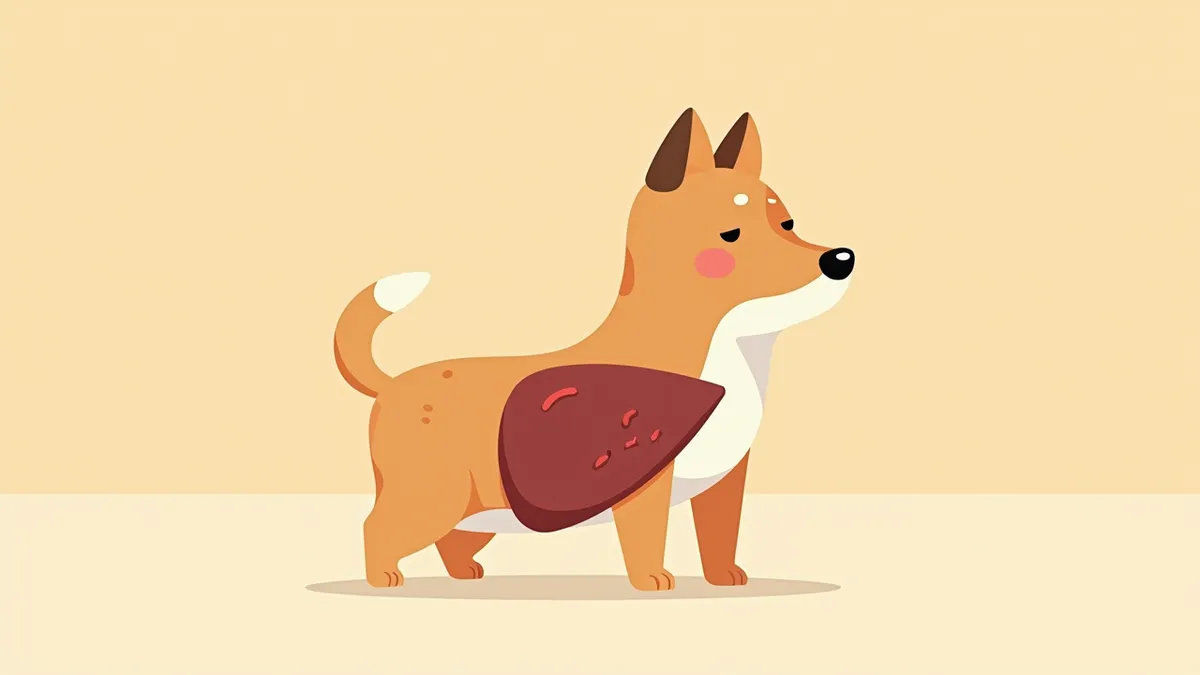
Know This: Managing Canine Autoimmune Hepatitis
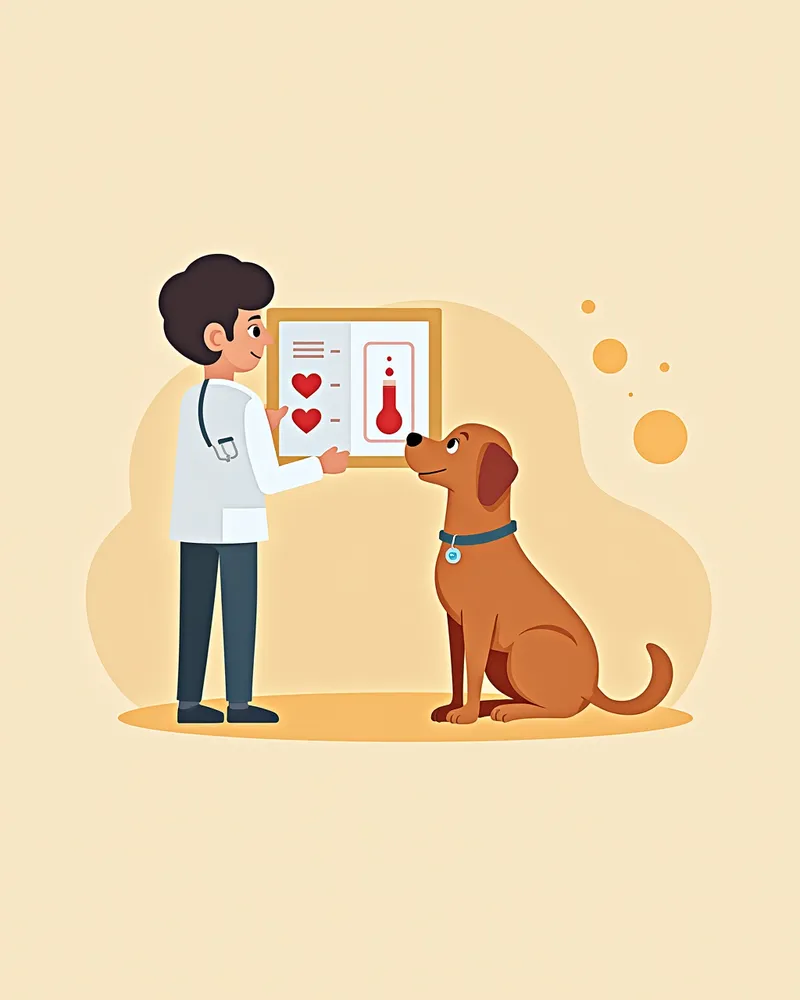
Know This 1: What Is Autoimmune Hepatitis?
Know This 2: What Are the Diagnosis and Treatment Options?

Know This 3: What Are the Daily Care and Precautions?
What Owners Should Know About Canine Autoimmune Hepatitis
| Item | Key Points |
|---|---|
| Symptoms | Jaundice, decreased appetite, lethargy, vomiting, weight loss |
| Cause | An autoimmune reaction in which the immune system mistakenly attacks the body's own liver cells |
| Diagnosis | Confirmed through blood tests, ultrasound, and liver biopsy |
| Treatment | Long-term administration of veterinarian-prescribed immunosuppressants with regular monitoring |
| Caution | Avoid unverified supplements; discontinuing medication on your own carries a high risk of relapse |
This is not a table recommending specific products or clinics, but a reference for what to discuss with your veterinarian. Always make treatment and testing decisions together with your veterinarian through an examination.
Risk of Liver Damage with Overdose
Excessive amounts of immunosuppressants or liver-affecting drugs and ingredients can strain the liver, potentially leading to hepatotoxicity or gastrointestinal issues. Therefore, it is essential for a veterinarian to accurately determine the appropriate dosage based on your dog's weight and health condition. If you notice any adverse signs such as vomiting, loss of appetite, lethargy, or jaundice (yellowing of the gums and the whites of the eyes) during treatment, seek immediate veterinary care.
Usage Tips: Strictly Follow the Timing and Method of Administration

Reviewed by a veterinarian

Dr. Tony — Punnawat Phongkittirak
VeterinarianA veterinarian who majored in veterinary medicine at Khon Kaen University, Thailand, and completed the IVSA program at North Carolina State University in the United States. Drawing on clinical experience at animal hospitals, he works in the pet healthcare field and is dedicated to building a digital care environment that connects pet parents with veterinarians.
Reviewed 2026-06-07
Frequently Asked Questions
Can autoimmune hepatitis in dogs be cured?
Will taking supplements improve liver function?
Will switching to a different diet alone cure hepatitis?
What should I do if my pet vomits while taking the medication?
Which product is the most effective?
Share
Related Guides

7 Key Symptoms and Management Essentials for Canine Cholecystitis Recommended by Veterinarians

Top 5 Milk Thistle (Silymarin) Liver Supplements for Dogs — A Comparison Guide Based on Silybin Content and Absorption Rates

Top Prescription Diets for Dogs with Liver Disease and Selection Criteria

Top Recommended Products and Selection Criteria for Managing Frequent and Urgent Urination in Dogs

Top 3 Recommendations and Key Criteria for Managing Feline Urethral Obstruction

The Best Cat Urethral Catheter Care Products and Selection Criteria: A Complete Guide

Top Picks and Key Criteria for Managing Feline Stress-Induced Cystitis

Top 3 Recommended Products for Managing Feline Pyelonephritis and Selection Criteria

Top Recommended Products and Selection Criteria for Managing Feline Hypertension and Proteinuria

Top Recommended Products and Selection Criteria for Managing Feline Lower Urinary Tract Disease (FLUTD)
References
[1] Plumb's Veterinary Drug Handbook, 9th Edition. Wiley-Blackwell, 2021.
[2] Graham, P. M. et al. (2020). Immune-mediated hepatitis in dogs: A retrospective study of 128 cases. Journal of Veterinary Internal Medicine, 34(4), 1456–1464.
[3] Veterinary Clinical Nutrition, 2nd Edition. Elsevier, 2022.