
7 Key Signs for Managing Feline Autoimmune Hepatitis, as Selected by Veterinarians
Feline autoimmune hepatitis is a condition in which the immune system attacks the liver, making early diagnosis and proper management crucial. Here’s a guide on how to choose effective management products, along with our top three recommendations.
Feline Autoimmune Hepatitis Is a Condition in Which the Immune System Attacks the Liver
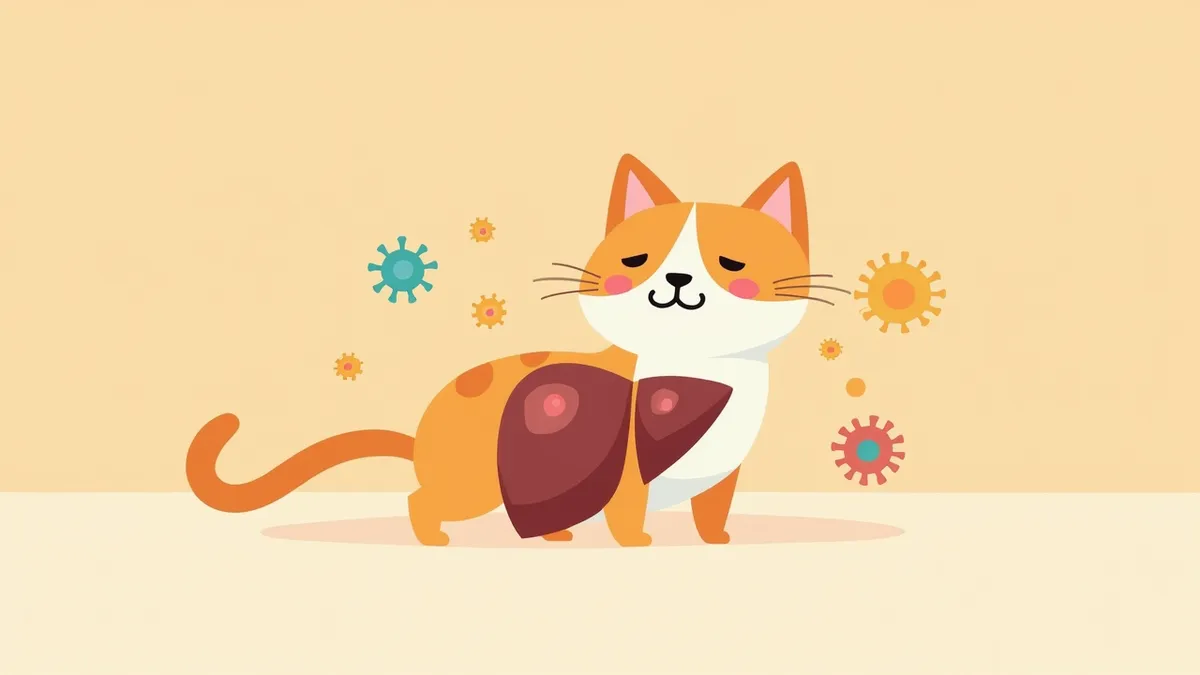
Know This: Managing Feline Autoimmune Hepatitis

Know This 1: What Is Autoimmune Hepatitis?
Know This 2: What Are the Diagnosis and Treatment Options?
Know This 3: What Are the Daily Care and Precautions?

What Owners Should Know About Feline Autoimmune Hepatitis
| Item | Key Points |
|---|---|
| Symptoms | Jaundice, decreased appetite, lethargy, vomiting, weight loss |
| Cause | An autoimmune reaction in which the immune system mistakenly attacks its own hepatocytes |
| Diagnosis | Confirmed by blood test, ultrasound, and liver biopsy |
| Treatment | Long-term administration of veterinarian-prescribed immunosuppressants and regular monitoring |
| Caution | Unverified supplements prohibited; high risk of relapse if medication is stopped arbitrarily |
This is not a table recommending specific products or hospitals, but a reference standard for when you consult your veterinarian. Always make treatment and testing decisions together with your veterinarian through an examination.
Risk of Liver Damage with Overdose
Products with excessive immune-modulating or liver-protective ingredients can actually burden the liver. A veterinarian should determine the appropriate dosage based on your pet’s weight and condition. If your pet develops brown urine, vomiting, or signs of shock while taking the medication, seek veterinary care immediately.
Usage Tips: Strictly Follow the Timing and Method of Administration

Reviewed by a veterinarian

Dr. Tony — Punnawat Phongkittirak
VeterinarianA veterinarian who majored in veterinary medicine at Khon Kaen University, Thailand, and completed the IVSA program at North Carolina State University in the United States. Drawing on clinical experience at animal hospitals, he works in the pet healthcare field and is dedicated to building a digital care environment that connects pet parents with veterinarians.
Reviewed 2026-06-05
Frequently Asked Questions
Is feline autoimmune hepatitis curable?
Will taking supplements improve liver function?
Will switching to a different diet alone cure hepatitis?
What should I do if my pet vomits while taking the medication?
Which product is the most effective?
Share
Related Guides

7 Key Symptoms and Management Essentials for Canine Cholecystitis Recommended by Veterinarians

Top 5 Milk Thistle (Silymarin) Liver Supplements for Dogs — A Comparison Guide Based on Silybin Content and Absorption Rates

Top Prescription Diets for Dogs with Liver Disease and Selection Criteria

7 Criteria for Choosing Dog Tartar Prevention Dental Chews Recommended by Veterinarians

Comprehensive Guide to Recommended Hospice Care and Quality of Life Management for Cats with Tumors

Top 7 Low-Protein Diets for Dogs with Liver Disease Recommended by Veterinarians — Protein Adjustment Criteria

7 Key Points for Managing Portosystemic Shunt (PSS) in Dogs, Explained by a Veterinarian
7 Key Management Tips for Feline Acute Liver Failure Recommended by Veterinarians

7 Criteria for Choosing Phosphate Binders for Dogs with Hyperphosphatemia, as Recommended by Veterinarians
Warning Signs of Respiratory Distress in Dogs — Top 7 Recommendations for Managing Pulmonary Arterial Hypertension
References
[1] Paltrinieri S, Crippa A, Comerio T, et al. Evaluation of inflammation and immunity in cats with spontaneous parvovirus infection: consequences of recombinant feline interferon–omega administration. Vet Immunol Immunopathol. 2007;118(1-2):68–74.
[2] Pesavento PA, MacLachlan NJ, Dillard-Telm L, et al. Pathologic, immunohistochemical, and electron microscopic findings in naturally occurring virulent systemic feline calicivirus infection in cats. Vet Pathol. 2004;41(3):257–263.
[3] Williams J, Steiner JM. Feline pancreatic lipase immunoreactivity in cats with gastrointestinal disease. J Vet Intern Med. 2005;19(4):527–533.