Like
Share
멍실장
강아지가 진료 테이블에 누워 있는 모습, 수의사가 간 생검 바늘을 조심스럽게 들고 있음

7 Things to Know Before a Dog Liver Biopsy — From Procedure to Recovery

Liver HealthTop PicksMeongsiljang Veterinary Advisory Board

A liver biopsy is an essential diagnostic test for identifying liver disease in dogs. We’ve compiled a clear overview of recommended care products and the criteria for selecting them to ensure accurate results.

A Dog Liver Biopsy Is a Key Diagnostic Test for Liver Disease
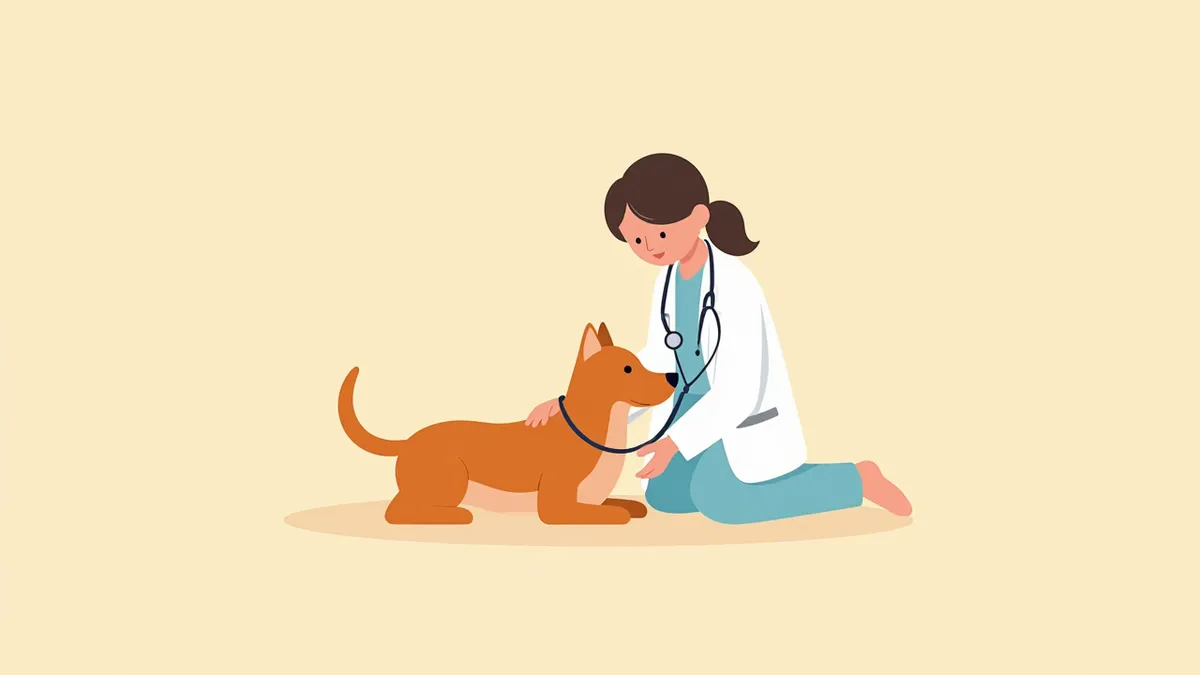
A veterinarian examining a puppy's abdomen
A liver biopsy in dogs is an invasive procedure performed to accurately diagnose the underlying cause of liver disease. Since elevated liver enzyme levels alone are often insufficient to pinpoint the specific cause, a tissue biopsy is invaluable for directly assessing hepatocyte inflammation, fibrosis, and the presence of tumors. In particular, for conditions like chronic hepatitis, which can only be definitively diagnosed through histopathological findings, a biopsy is central to the diagnostic process. However, because the liver is highly vascular and carries a risk of bleeding, the procedure is not automatically indicated for every case; instead, the decision is made by carefully weighing the risks and benefits to ensure it is appropriate for the individual patient. Pre- and post-procedure coagulation testing and stable recovery monitoring are essential, and post-biopsy management should be determined in consultation with your veterinarian based on the diagnostic results to ensure safety.

Selection Criteria: Tips for Choosing a Clinic for a Liver Biopsy

When choosing a clinic for your dog’s liver biopsy, be sure to verify these four key factors: - Pre-procedure evaluation: Because the liver is highly vascular and carries a risk of bleeding, choose a clinic that conducts thorough pre-procedure assessments, such as coagulation function tests and ultrasound, to ensure safety. - Appropriate sampling method: Opt for a clinic that safely selects the most suitable sampling method for your dog’s specific condition, whether it’s fine-needle aspiration (FNA) or tissue biopsy. - Complication management system: Choose a clinic equipped with a system to monitor and respond to potential post-procedure complications, such as bleeding. - Pathology interpretation and explanation: Check whether the clinic interprets the collected samples through pathological examination and clearly explains the results, their significance, and the recommended treatment plan. Use these criteria to compare clinics.
Special diet and a comfortable environment to aid your dog’s recovery after a liver biopsy

Check 1: Does the Clinic Perform Ultrasound Guidance and Coagulation Tests?

A liver biopsy involves sampling liver tissue or cells to identify the cause of liver disease. Because the liver is highly vascular and carries a risk of bleeding, it’s essential to perform coagulation tests beforehand and choose a clinic that performs the procedure safely under ultrasound guidance. Whether to use fine-needle aspiration (FNA) to examine only cells or a tissue biopsy to assess structural details depends on the clinical situation, so select a clinic that clearly explains which method is best suited for your dog.
Supplement bottle for protecting your dog’s liver

Check 2: Does the Clinic Select the Method Based on Indications and Submit for Pathology?

A liver biopsy is considered to confirm the diagnosis when liver enzyme levels remain persistently elevated, when a mass is visible in the liver, or when the cause of liver disease is unknown. Because elevated liver enzymes are nonspecific and difficult to attribute to a specific cause on their own, it is also necessary to rule out common changes such as reactive liver lesions secondary to other systemic diseases. An accurate histological diagnosis can significantly influence the treatment plan. It is advisable to choose a hospital that sends collected samples to a specialized pathology laboratory for interpretation and that carefully discusses both the risks and benefits before the procedure, ensuring a safer experience.
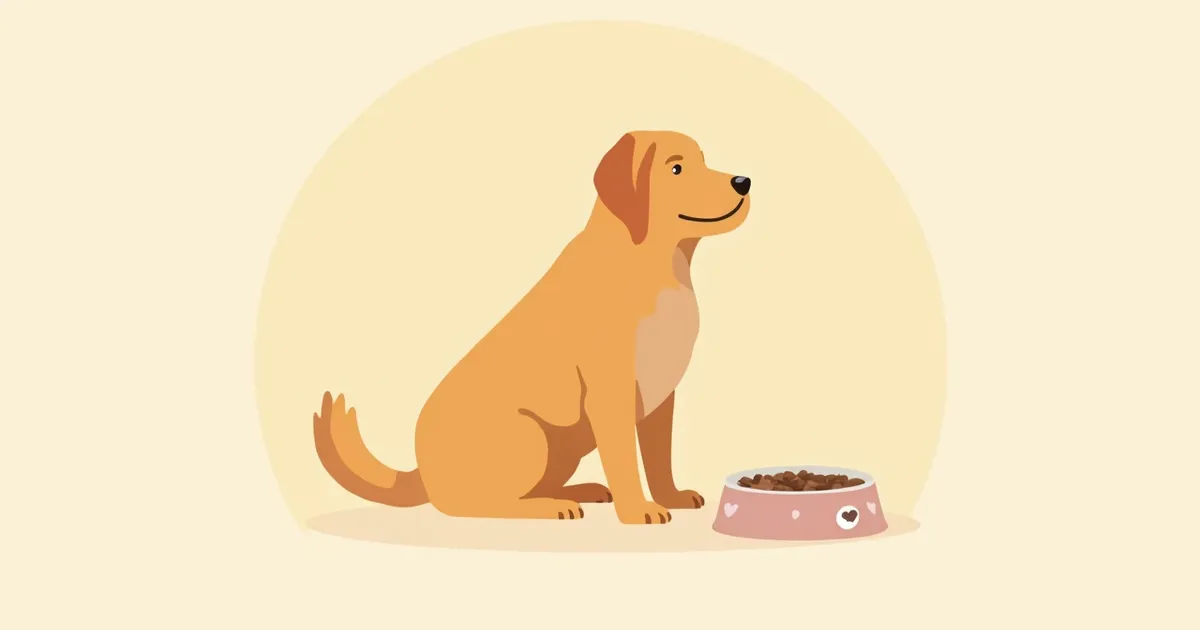
Low-fat, high-protein dog food to support recovery after a liver biopsy

Check 3: Does the Clinic Confirm Liver Disease Based on Results and Connect to Treatment?

Stress-relief kit to help your dog rest after a liver biopsy
The key to a liver biopsy is confirming the specific type of liver disease to guide appropriate treatment. Since the treatment plan varies significantly depending on whether the results indicate inflammation, bile duct disease, or a tumor, it is best to choose a clinic where the veterinarian clearly explains the significance of the findings and the direction of care. A facility that monitors for post-procedure complications such as bleeding, and provides guidance on dietary and medication management as well as follow-up testing, will enable stable and effective management of liver disease.

Checklist for Choosing a Liver Biopsy Clinic

ItemRecommended Criteria
Testing MethodA facility that performs coagulation testing beforehand and ultrasound-guided sampling
Test OperationA facility that selects FNA or tissue biopsy as appropriate for the situation and refers to pathology
Interpretation CapabilityA veterinarian who confirms the type of liver disease and links it to treatment
Result InterpretationA facility that explains the treatment direction and the post-test observation and follow-up plan
Cost GuidanceA facility that informs you in advance of the estimated cost before testing and the possibility of anesthesia and additional tests

This is not a table recommending specific products or hospitals, but criteria to reference when consulting a veterinarian. Always make treatment and testing decisions together with a veterinarian through an examination.

Caution: Avoid Excessive Exercise After a Biopsy

After a liver biopsy, it’s best to keep your dog calm and limit their activity for a certain period. Since bleeding is a common complication of liver biopsies, closely monitor the biopsy site for any signs of bleeding or pain. Let your dog rest in a comfortable space, such as their bed or carrier. Offer small, frequent meals and always provide fresh, clean water. If you notice any unusual symptoms, contact your veterinarian immediately.

Usage Tips: How to Get Your Dog to Take Medication

If your dog refuses to take the medication prescribed after a biopsy, try mixing it with their food or coating a treat with it. - Capsule medications: Wrapping them in a small piece of food makes administration less stressful. - Liquid medications: Mix with water or administer directly using a spoon. - Administration timing: It is important to give the medication at the same time every day. - Adverse signs: If your dog experiences persistent loss of appetite, vomiting, or lethargy, consult your veterinarian immediately. Closely monitor your dog’s response and adjust accordingly.
Checklist for Choosing a Liver Biopsy Management Product for Dogs

Reviewed by a veterinarian

Dr. Tony — Punnawat Phongkittirak

Dr. Tony — Punnawat Phongkittirak

Veterinarian

A veterinarian who majored in veterinary medicine at Khon Kaen University, Thailand, and completed the IVSA program at North Carolina State University in the United States. Drawing on clinical experience at animal hospitals, he works in the pet healthcare field and is dedicated to building a digital care environment that connects pet parents with veterinarians.

Frequently Asked Questions

How long should recovery care continue after a liver biopsy?
The recovery period and care methods vary depending on the diagnosed condition and your dog's overall health. After the examination, discuss with your veterinarian how to monitor for complications such as bleeding and schedule any necessary follow-up tests.
Can the medications my pet is currently taking affect the biopsy results?
Some medications can affect liver tissue findings. Please inform your veterinarian about all medications and supplements your pet is taking to determine if any need to be discontinued or adjusted before the examination.
Is it normal for my dog to have a poor appetite after a biopsy?
While a temporary decrease in appetite is common after the procedure, please consult your veterinarian immediately if the loss of appetite persists or if your pet begins to show signs of vomiting or lethargy, as these could indicate complications.
Is there anything I need to prepare beforehand for the biopsy?
Before a biopsy, pre-evaluations such as coagulation tests are necessary, and some medications may need to be discontinued prior to the procedure. Please follow your veterinarian’s instructions for preparation.
What should I do if my dog refuses to take medication?
You can try mixing it with their food or treats, or consult your veterinarian about switching to a different formulation. Keep an eye on your dog’s response.

Share

Related Guides

References

[1] Plumb's Veterinary Drug Handbook, 9th Edition, 2022

[2] American College of Veterinary Internal Medicine (ACVIM) Consensus Statement on Canine Hepatic Disease, 2020

[3] Veterinary Clinical Nutrition, 2nd Edition, 2018

This information is based on veterinary literature and does not replace diagnosis or treatment. Please consult a veterinarian for specific health concerns.

Metapet Co., Ltd. | CEO: Park Sung-yong | Business Reg. No. 417-88-02562 | Seoul, South Korea | Customer Center

Dog Liver Biopsy: 7 Things to Know, Procedure to Recovery | Meongsiljang