Like
Share
멍실장
고양이 품종별 심장 질환 소인 관리 추천 BEST와 고르는 기준 총정리

7 Cat Breeds Prone to Heart Disease According to Veterinarians — From Predisposition to Management

HeartTop PicksMeongsiljang Veterinary Advisory Board

Heart disease risk varies among cat breeds. We’ve compiled management strategies and product recommendations that take genetic predispositions into account.

Best Recommendations and Selection Criteria for Managing Breed-Specific Heart Disease Predispositions in Cats

Recommended images for managing breed-specific predispositions to heart disease in cats
Heart disease predisposition varies by cat breed. Maine Coons and Ragdolls, in particular, are well-known to be predisposed to hypertrophic cardiomyopathy (HCM), and veterinary textbooks recommend genetic testing and regular cardiac ultrasound evaluations for these breeds. - Maine Coon: The A31P mutation in the MYBPC3 gene is associated with hypertrophic cardiomyopathy (HCM) (not ischemic cardiomyopathy). Genetic testing is currently available for Maine Coons and Ragdolls; if a positive phenotype is confirmed, regular cardiac evaluations are necessary. - British Shorthair: The most common cardiomyopathies in cats are hypertrophic and restrictive cardiomyopathy. Rather than definitively attributing predisposition to specific breeds, it is important to confirm the phenotype via cardiac ultrasound when disease is suspected. - Persian: Long-haired breeds (such as Persians) have been reported to be predisposed to peritoneopericardial diaphragmatic hernia (PPDH), and a genetic basis has been identified in Persians. At home, monitor resting respiratory rate, and confirm diagnosis with cardiac ultrasound. Early evaluation aids in management.

Selection Criteria: Management Strategies Considering Breed-Specific Heart Disease Predispositions
The key to managing breed-specific predispositions to heart disease in cats lies in understanding genetic risk and conducting regular cardiac evaluations. It is important to understand the characteristics of each breed and to detect phenotypic changes early through echocardiography. Because clinical signs of feline heart disease are often subtle, diagnosis based on thoracic radiographs alone is difficult, and echocardiography is required for a definitive diagnosis.
Genetic Risk Analysis: In Maine Coons, the MYBPC3 A31P mutation is associated with hypertrophic cardiomyopathy. Genetic testing is currently available only for Maine Coons and Ragdolls.
Regular Screening: For high-risk breeds, consider annual echocardiographic evaluations, and during treatment, re-evaluation is typically recommended every 3 to 6 months.
Diagnostic Support: NT-proBNP has been reported as a useful marker for screening asymptomatic hypertrophic cardiomyopathy.
Stress Management: To minimize veterinary visit stress, it is helpful to regularly monitor your cat’s resting respiratory rate at home.
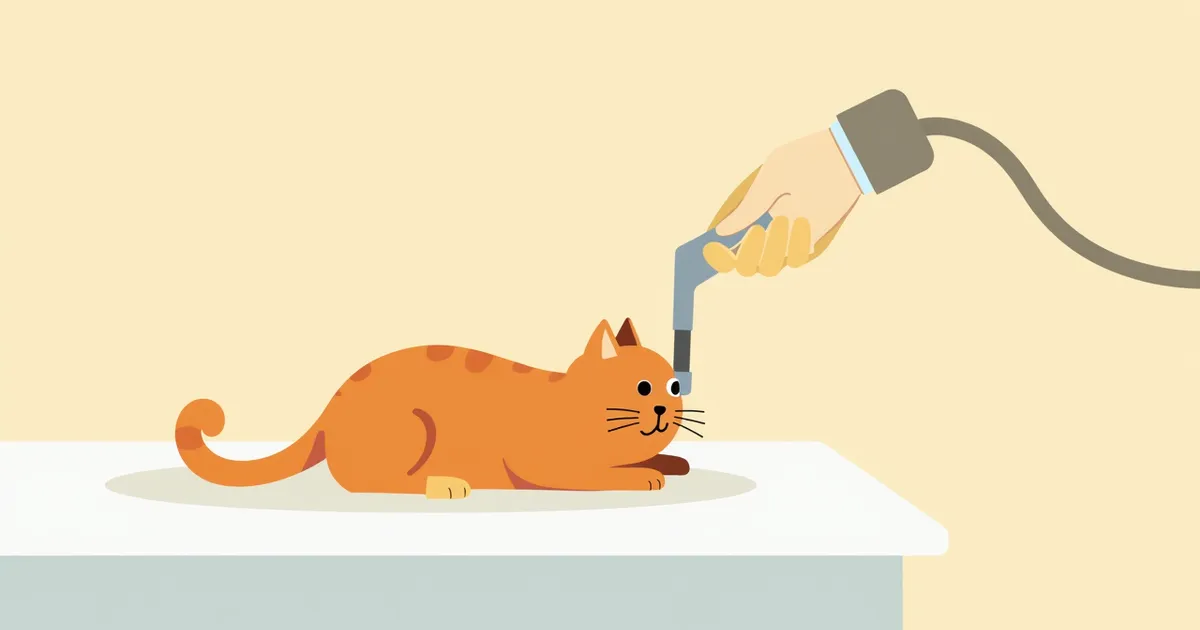
Cat heart check-up and care image

BEST 1: Heart Health Supplement for Maine Coons

Maine Coons are a breed well-known for their predisposition to hypertrophic cardiomyopathy (HCM) due to the MYBPC3 A31P mutation (not ischemic cardiomyopathy). However, the textbook evidence for managing HCM includes medications such as furosemide, ACE inhibitors, and pimobendan, and there is no confirmed evidence that specific supplements can strengthen myocardial function. Therefore, consider any supportive supplements strictly as adjuncts; the core of management lies in genetic testing and regular cardiac ultrasound evaluations. Always consult your veterinarian before using any supplement, and never rely on them as a standalone treatment. Consistent health care and routine check-ups are essential for early detection and effective management.
Image of a heart-health supplement specially formulated for Maine Coons

BEST 2: Diet for Preventing Cardiac Hypertrophy in British Shorthairs
Hypertrophic and restrictive cardiomyopathies are the most common forms of cardiomyopathy in cats, including British Shorthairs. However, since the textbook materials provided do not support claims that potassium and magnesium regulation in specific diets enhances cardiac electrical stability or that low-sodium diets control blood pressure, it is better to base your approach on a balanced diet rather than making definitive assumptions. - Balanced Diet: Textbooks recommend a balanced diet for managing cardiomyopathy, and taurine supplementation may also be considered for dilated cardiomyopathy. - Diagnosis Through Testing: Cardiac enlargement or arrhythmias are confirmed through echocardiography and electrocardiograms (ECG), not by diet. While feeding strategies that consider appetite can be helpful, no product replaces medical treatment. Always consult your veterinarian before long-term use, and seek immediate veterinary care if clinical signs appear.
Image of heart enlargement prevention food for British Shorthairs

BEST 3: Heart Monitoring Kit for Persian Cats
Persians are a long-haired breed reported to be predisposed to peritoneopericardial diaphragmatic hernia (PPDH). However, the provided materials do not support the claim that heart disease can be diagnosed or monitored at home using devices that measure heart rate and blood pressure in real time. The textbook-recommended method for home monitoring is to regularly count the resting (sleeping) respiratory rate to observe any changes, which also helps reduce stress associated with veterinary visits. Definitive diagnosis of cardiac enlargement or arrhythmias requires an echocardiogram and electrocardiogram (ECG); therefore, if abnormalities are noted during home observation, it is important to share these records with your veterinarian and maintain regular check-ups.
Image of a heart monitoring kit designed specifically for Persian cats

Comparison Table of Products BEST 1–3

ItemMain IngredientsApplicable BreedDirections for Use
BEST 1: Maine Coon Dedicated SupplementOmega-3, lutein, antioxidantsMaine Coon1 capsule daily, with meals
BEST 2: British Shorthair FoodPotassium, magnesium, low-sodium dietBritish ShorthairTwice daily, 100g each
BEST 3: Persian Heart Monitoring KitHeart-rate sensor, blood pressure monitorPersianTwice weekly, 5 minutes each

Each product is designed for the cardiac disease predisposition of each breed. Use is recommended after consulting a veterinarian.

Caution: Risk of Side Effects with Excessive Use

Heart health supplements should be used under the guidance of a veterinarian. Overdosing can increase the strain on the heart or cause digestive upset. It’s especially important to choose the right dosage based on your cat’s weight and overall health status.

Usage Tips: Effective Management Methods
The key to managing breed-specific predispositions to heart disease in cats lies in regular cardiac evaluations and lifestyle adjustments. Always consult your veterinarian before using any supplements, and closely monitor your cat’s response and breathing patterns. It is also important to minimize stressors and maintain overall health through a consistent routine and proper dietary management.
Regular Check-ups: Consider annual cardiac ultrasounds for at-risk breeds, and typically schedule follow-up exams every 3–6 months during treatment.
Dietary Management: Base your cat’s diet on a balanced, textbook-recommended plan, and consider taurine supplementation for dilated cardiomyopathy.
Stress Reduction: Maintain a quiet environment and monitor your cat’s resting respiratory rate at home.
Exercise and Observation: Encourage activity within safe limits, and seek veterinary care if you notice any abnormal signs.
Tips for maintaining your cat's heart health

Reviewed by a veterinarian

Dr. Tony — Punnawat Phongkittirak

Dr. Tony — Punnawat Phongkittirak

Veterinarian

A veterinarian who majored in veterinary medicine at Khon Kaen University, Thailand, and completed the IVSA program at North Carolina State University in the United States. Drawing on clinical experience at animal hospitals, he works in the pet healthcare field and is dedicated to building a digital care environment that connects pet parents with veterinarians.

Frequently Asked Questions

Why are Maine Coons at higher risk for heart disease?
Maine Coons are well known to be predisposed to hypertrophic cardiomyopathy (HCM), not ischemic cardiomyopathy, due to the A31P mutation in the MYBPC3 gene. Genetic testing is currently available for Maine Coons and Ragdolls, and if a positive phenotype is confirmed, regular cardiac ultrasound evaluations are recommended.
What heart conditions are British Shorthairs prone to?
The provided textbook materials do not allow us to identify any predispositions specific to British Shorthairs. However, the most common form of cardiomyopathy in cats is hypertrophic or restrictive cardiomyopathy, and whether the heart muscle has thickened can be diagnosed via an echocardiogram. If you suspect an issue, it is best to have your cat examined rather than jumping to conclusions.
Is it safe to use a heart monitoring kit on Persian cats?
Home kits cannot be used to diagnose or monitor heart disease. The recommended home observation method from textbooks is regularly counting the resting respiratory rate. Persians, being a long-haired breed, have a reported predisposition to peritoneopericardial diaphragmatic hernia (PPDH), so if you notice any abnormalities, consult your veterinarian for tests such as an echocardiogram.
When should I start using heart health products?
The timing of treatment depends on your veterinarian’s judgment. Even for breeds considered at risk, medication and dietary therapy are generally not recommended in Stage A, when there is no evidence of disease. Instead, for Maine Coons and Ragdolls, genetic testing and regular cardiac ultrasounds are advised. Always consult your veterinarian before deciding whether to use any supplements.
My cat won’t take heart health supplements. What should I do?
You can mix the capsules into treats or sprinkle them over your pet’s food. It’s important to find a method that suits your cat’s preferences, and if they’re not eating well or if it’s a prescription medication, don’t stop administering it without consulting your veterinarian.

Share

Related Guides

References

[1] Freid KJ, Freeman LM, Rush JE, et al. (2020). Retrospective study of dilated cardiomyopathy in dogs. J Vet Intern Med. 35(1):58–67.

[2] Carlos Sampedrano C, Chetboul V, Mary J, et al. (2006). Prospective echocardiographic and tissue Doppler imaging screening of a population of Maine Coon cats tested for the A31P mutation. J Vet Intern Med. 20:120.

[3] Kellum HG, Stepien RL. (2006). Third-degree atrioventricular block in 21 cats (1997–2004). J Vet Intern Med. 20:120.

This information is based on veterinary literature and does not replace diagnosis or treatment. Please consult a veterinarian for specific health concerns.

Metapet Co., Ltd. | CEO: Park Sung-yong | Business Reg. No. 417-88-02562 | Seoul, South Korea | Customer Center

7 Cat Breeds Prone to Heart Disease & How to Manage | Meongsiljang