Like
Share
멍실장
강아지 호흡수 모니터링 방법 관리 추천 BEST와 고르는 기준 총정리

Best Methods for Monitoring Your Dog’s Respiratory Rate: Management Tips and Selection Criteria

RespiratoryTop PicksMeongsiljang Veterinary Advisory Board

Your dog’s respiratory rate is a key indicator of their overall health. Knowing the normal range and choosing the right monitoring method can help you spot early warning signs.

Why Is Monitoring Your Dog’s Respiratory Rate Important?
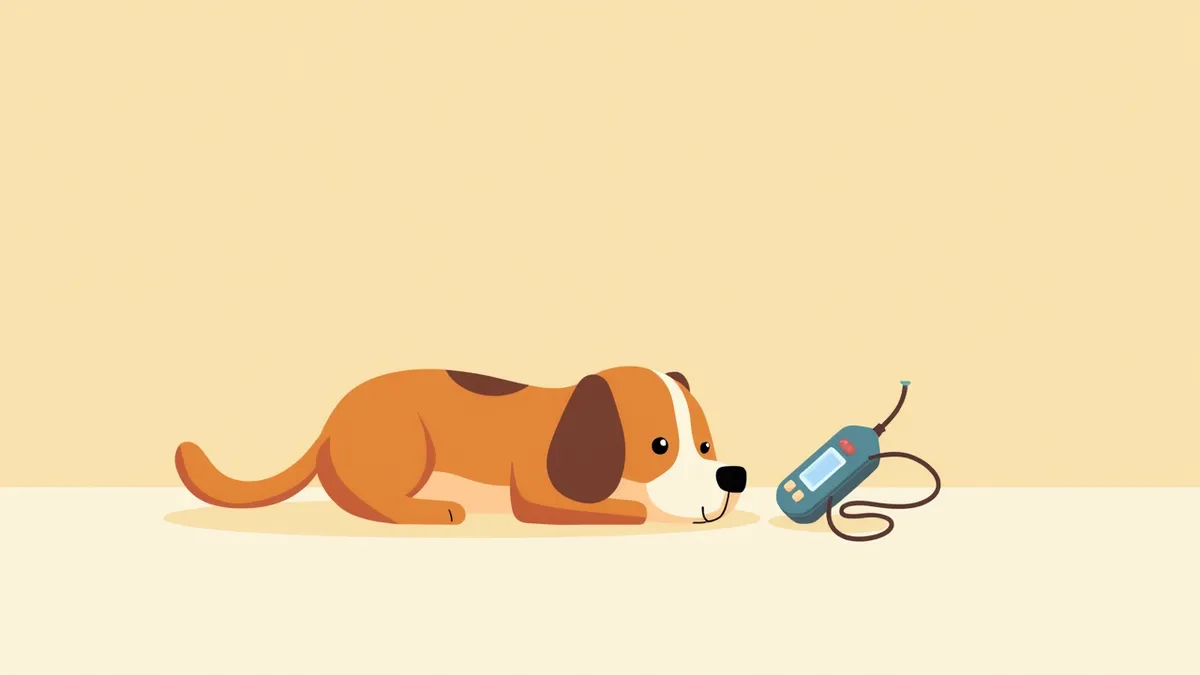
A scene showing a dog lying comfortably while its owner holds a respiratory rate monitor.
Your dog’s respiratory rate is a helpful indicator for assessing their overall health. If it falls outside the normal range while at rest, it may signal underlying heart or respiratory conditions. Since dogs often mask signs of illness, regular monitoring can help you detect changes early. Recording respiratory rate fluctuations along with the date provides more accurate information when consulting your veterinarian. Keep in mind that measuring respiratory rate doesn’t replace a diagnosis—it’s a tool to identify deviations from normal and help determine when to visit the clinic. Consistently tracking this metric forms the foundation of preventive healthcare, enabling you to catch changes before acute symptoms appear.

Key Takeaways: Points to Check When Monitoring Respiratory Rate at Home
To accurately measure your dog’s respiratory rate, be sure to consider these four key criteria: - Accuracy: The sensor or algorithm must precisely reflect actual respiratory movements. - Ease of use: The device should be minimally intrusive to keep your dog calm, and it should be easy to set up and maintain. - Real-time alerts: You should receive immediate notifications if any abnormalities are detected. - Data sharing capability: The system should allow for easy sharing of data with your veterinarian. Based on these four criteria, we have selected the top three products.
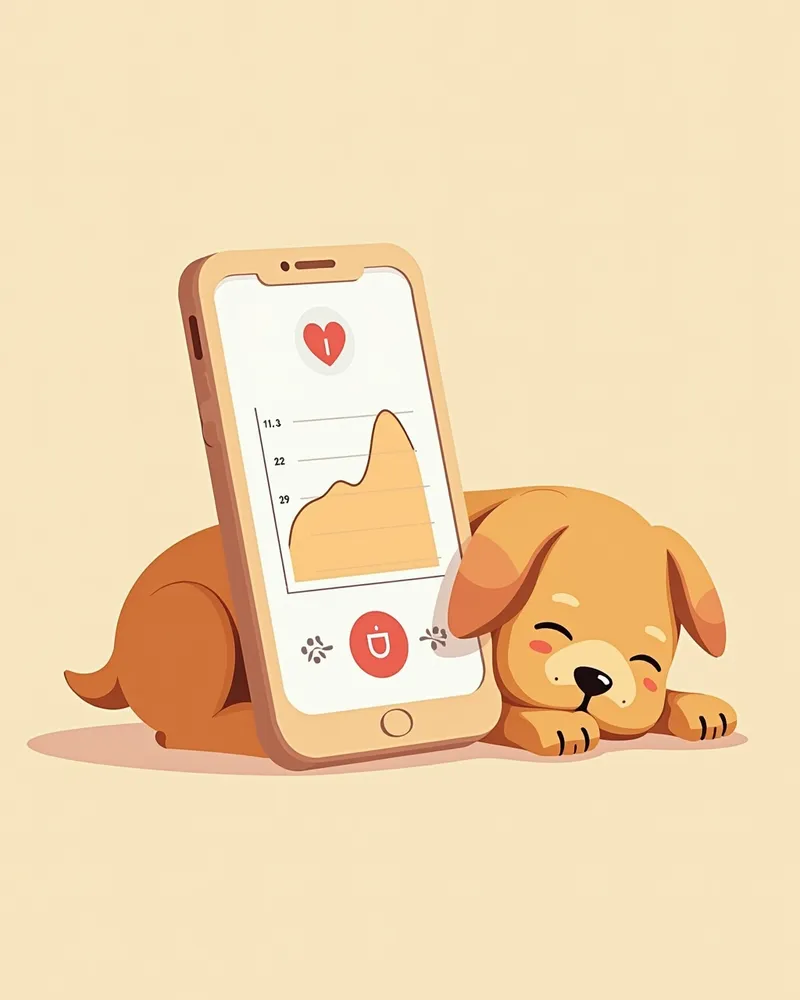
A dog and its owner looking at a graph of respiratory rate changes on a smartphone app

Key Point 1: How to Count Respiratory Rate Per Minute During Rest and Sleep
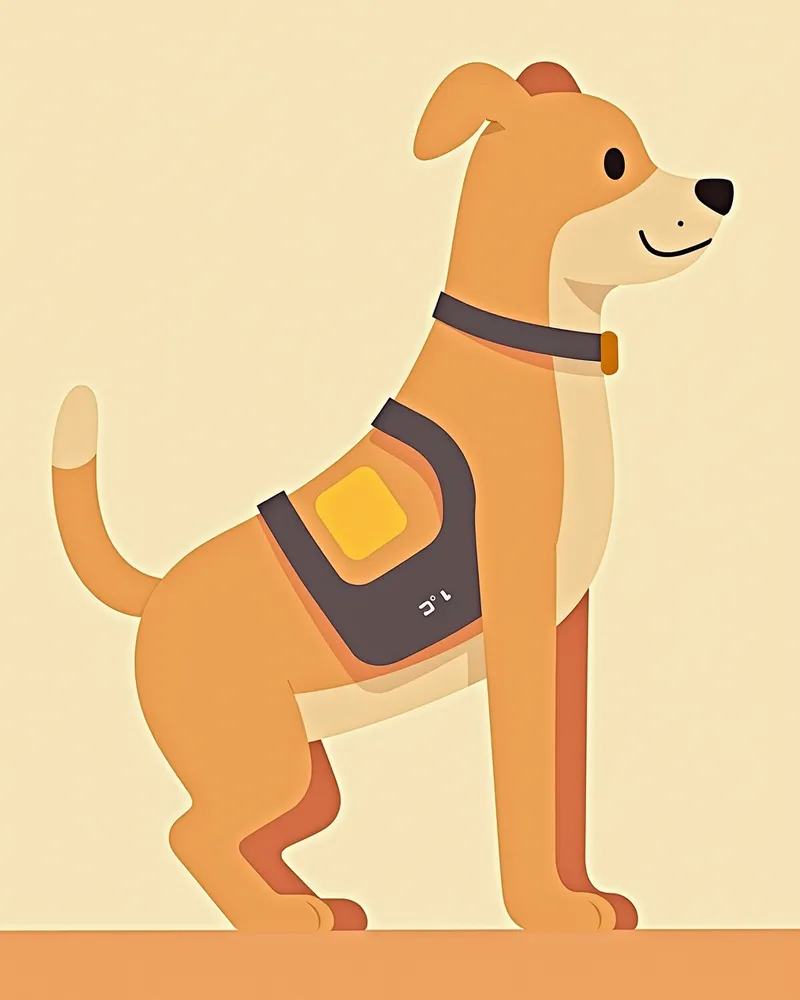
Respiratory rate increases when dogs are excited or hot, so it’s most accurate to measure it while they’re resting comfortably or sleeping. Count one full breath cycle—when the side of the chest and abdomen rises and falls once—and either count for 15 seconds then multiply by four, or count directly for one full minute to get breaths per minute. Consistency is key: measure under the same conditions (while sleeping) at the same time each day over several days to establish your dog’s normal baseline. Recording a short video on your phone can make counting easier.
A close-up shot of a smart respiratory monitor device worn around a dog’s neck.

Key Point 2: Know the Normal Range and Keep Records
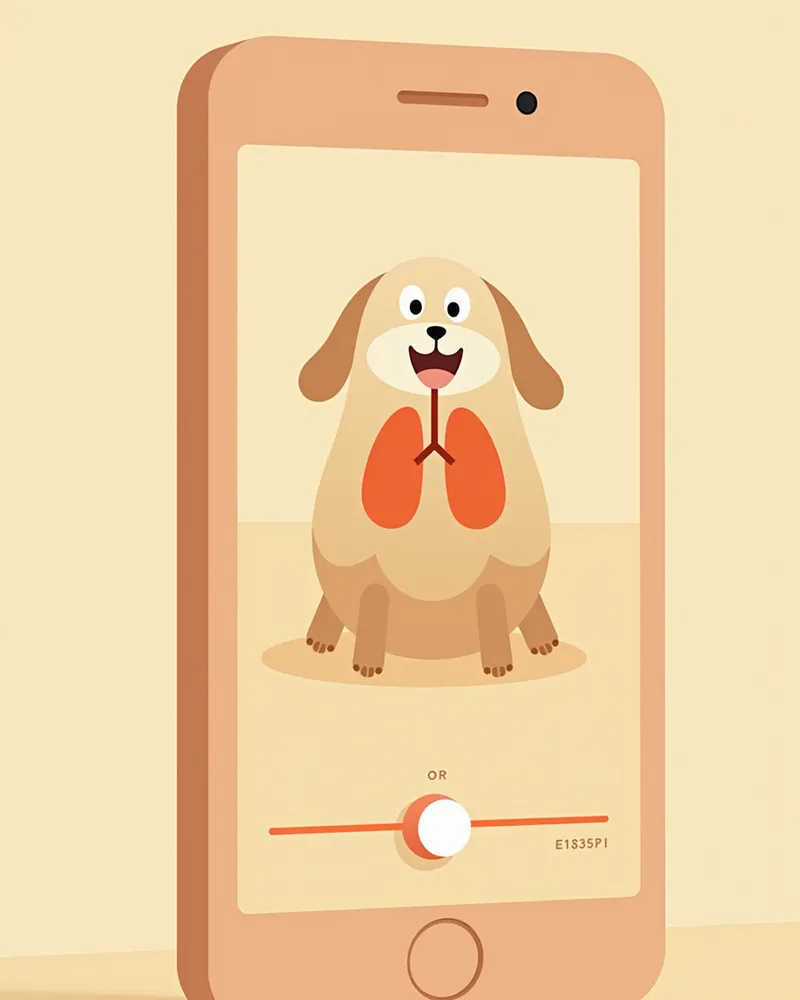
A dog’s normal resting respiratory rate is typically 10–30 breaths per minute, and it usually stays within that same range during sleep. When managing heart disease, the key metric is the respiratory rate at rest or during sleep; knowing your dog’s baseline makes it easier to spot even small changes. Recording the numbers along with the date helps you track trends, and observing how the rate changes over several days is more important than focusing on a single daily reading. If your dog is being treated for heart disease, keeping a log to confirm whether the rate remains within the target range set by your veterinarian can be very helpful.
A screen showing a smartphone camera capturing a dog's chest movements and displaying the real-time respiratory rate

Key Point 3: Consult Your Veterinarian If You Notice These Changes

If your pet’s resting or sleeping respiratory rate consistently exceeds the normal range of 10–30 breaths per minute or shows a steady upward trend, it’s best to consult your veterinarian. Seek immediate veterinary care if you notice severe chest heaving, open-mouthed labored breathing, or abnormal chest movements, as these are signs of an emergency. Bringing a record of your home-monitored respiratory rates can greatly assist your vet in assessing your pet’s condition and determining the right time to adjust medication. Remember, monitoring is not a substitute for diagnosis; it’s a tool to help ensure you don’t miss the optimal time to visit the clinic.
A brooch-style respiratory rate sensor attached to a dog’s back, connected to a smartphone.

Key Points for Monitoring Respiratory Rate at Home

ItemKey Points
Measurement methodWhile resting/sleeping, count the rise and fall of the flank for 15 seconds ×4 or for 1 minute
Normal range10–30 breaths when awake, between 10–30 breaths during sleep
RecordingNote it with the date and look at the trend over several days rather than a single daily value
Warning signsSustained 30+ breaths at rest or an increasing trend → consult; heaving chest, open-mouth breathing → go to the clinic immediately
CautionMonitoring is not a substitute for diagnosis; consult your veterinarian for interpretation

This is not a table recommending specific products or devices, but rather key points to reference for home management. Always consult your veterinarian regarding the interpretation of measurements and treatment decisions.

Caution: Visit the Vet Immediately If Respiratory Rate Is Abnormal

If your dog’s resting or sleeping respiratory rate consistently exceeds 30 breaths per minute, or if they are panting, breathing with their mouth open, or struggling to breathe, it is best to visit the vet as soon as possible. This type of respiratory distress is considered a true emergency in dogs and may signal serious conditions such as heart or respiratory diseases. Delaying treatment can be dangerous, so it is safest to bring a record of the respiratory rate you measured at home and seek prompt veterinary care.

Usage Tips: 5 Tips for Accurate Measurement

To accurately measure your dog’s respiratory rate, be sure to follow these tips. First, take the measurement when your dog is relaxed and asleep. Second, it’s important to count the breaths for a full minute. Third, repeat the measurement several times and calculate the average to minimize error. Fourth, record the time and environment of each measurement so you can track changes over time. Fifth, organize the data so you can share it with your veterinarian during consultations. Following these tips will help you obtain reliable results.
A pet owner recording their dog’s respiratory rate while the dog is asleep.

Reviewed by a veterinarian

Dr. Tony — Punnawat Phongkittirak

Dr. Tony — Punnawat Phongkittirak

Veterinarian

A veterinarian who majored in veterinary medicine at Khon Kaen University, Thailand, and completed the IVSA program at North Carolina State University in the United States. Drawing on clinical experience at animal hospitals, he works in the pet healthcare field and is dedicated to building a digital care environment that connects pet parents with veterinarians.

Frequently Asked Questions

What is a normal respiratory rate for a dog?
A dog’s heart rate typically ranges from 10 to 30 beats per minute while awake and remains within the same range during sleep. It may temporarily increase after stress or exercise.
What is the best position for measuring respiratory rate?
For the most accurate readings, measure your dog while they’re lying down comfortably. In fact, taking measurements during sleep yields the highest accuracy.
What happens if the AI camera fails to recognize your dog’s movements?
The AI camera analyzes your dog's chest movements, so measurements are more accurate when your dog is still. If your dog moves, you'll need to take another measurement after a short while.
Is measuring by hand an accurate method?
Manual measurement is the recommended standard method by veterinarians. It offers high accuracy and can be used without any special equipment.
Do I need to measure it every day?
For routine health monitoring, it is best to measure once or twice a day, and after visiting the clinic, it is important to track progress regularly.

Share

Related Guides

References

[1] Advanced Monitoring for Small Animal Emergency and Critical Care, 2nd Ed, 2023

[2] Lumb, A.B. (2017). Oxygen. In: Nunn’s Applied Respiratory Physiology, 8e, 169–202. Elsevier.

[3] Farrell, K. (2023). Pulse Oximetry and Co-Oximetry. In: Advanced Monitoring for Small Animal Emergency and Critical Care, 2nd Ed, 327–346.

This information is based on veterinary literature and does not replace diagnosis or treatment. Please consult a veterinarian for specific health concerns.

Metapet Co., Ltd. | CEO: Park Sung-yong | Business Reg. No. 417-88-02562 | Seoul, South Korea | Customer Center

Monitoring Your Dog's Respiratory Rate: Best Methods & Tips | Meongsiljang