
Like
Share
멍실장
강아지 폐혈전색전증 관리 추천 BEST와 고르는 기준 총정리

Top Recommended Products and Key Selection Criteria for Managing Canine Pulmonary Thromboembolism

RespiratoryTop PicksMeongsiljang Veterinary Advisory Board

Canine pulmonary thromboembolism is a life-threatening condition that can cause acute respiratory distress. We’ve compiled a clear overview of recommended products and key selection criteria to help with effective management and prevention.

Early Detection and Management Are Key to Survival in Canine Pulmonary Thromboembolism
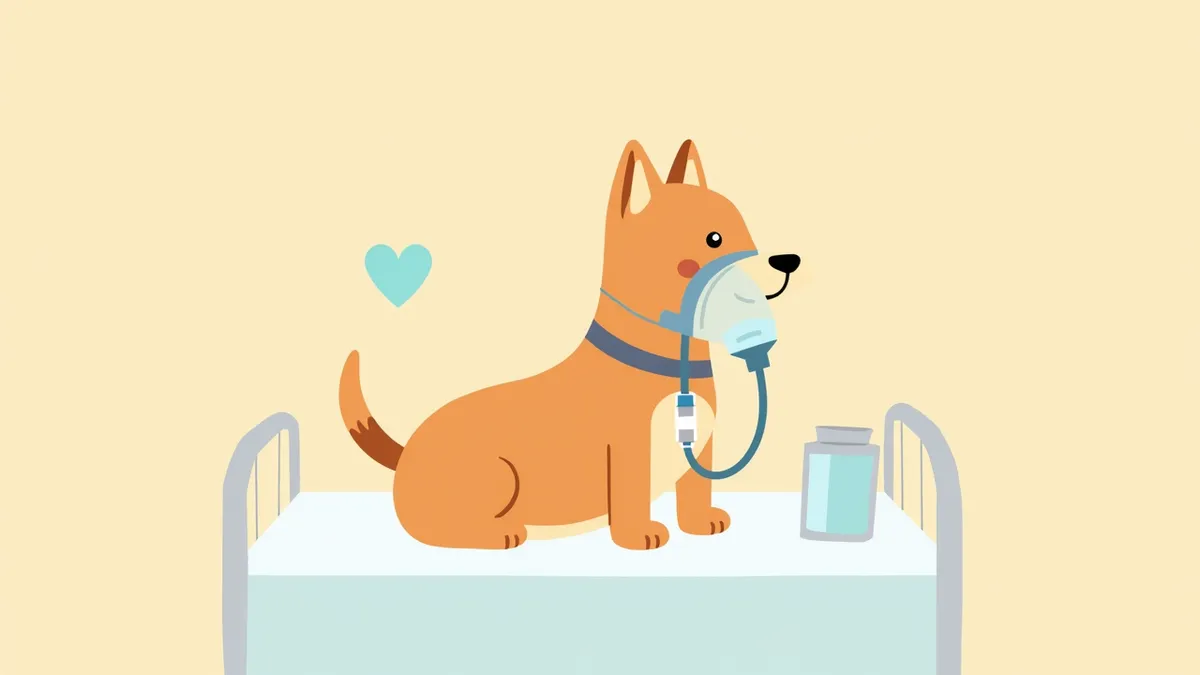
A puppy receiving respiratory support at the hospital
Pulmonary thromboembolism in dogs is a serious condition in which blood clots block the pulmonary vessels, impairing oxygen exchange and potentially causing acute respiratory distress and life-threatening complications. Rather than occurring on its own, pulmonary thromboembolism often develops as a secondary complication of underlying diseases that cause hypercoagulability, vascular endothelial injury, or blood flow stasis. Representative examples include immune-mediated hemolytic anemia and sepsis. Treatment strategies vary based on risk assessment, including hemodynamic instability, elevated cardiac biomarkers (such as cardiac troponin), and right ventricular dysfunction. If your dog exhibits rapid breathing (tachypnea), difficulty breathing, lethargy, or pale or bluish gums, seek veterinary care immediately. Because antemortem diagnosis can be challenging, a comprehensive evaluation integrating thoracic imaging, CT pulmonary angiography, and echocardiographic findings is essential, and early intervention plays a critical role in survival. In particular, intensive treatment alongside management of the underlying disease is key.

Understanding Pulmonary Thromboembolism

- Safety: Anticoagulants can increase the risk of bleeding, so they should never be administered without a veterinarian’s guidance. Long-term use requires regular monitoring through blood and coagulation tests. - Efficacy: Anticoagulant or antiplatelet therapy is prescribed by a veterinarian after evaluating the patient’s condition, with the appropriate medication (e.g., clopidogrel, enoxaparin) selected based on symptoms and underlying diseases. - Ease of Administration: Convenient formulations (such as treats or capsules) can improve compliance, but the drug’s efficacy and safety depend more on veterinary prescription and monitoring than on the method of administration. - Veterinary Recommendation: Products used or prescribed in veterinary clinics typically meet clinical standards, making them highly reliable. However, all products should be discussed with a veterinarian before use, and treatment must be tailored to the individual patient’s condition.
A veterinarian applying an anticoagulant aid to a dog's paw

Understanding 1: What Is This Emergency Condition?

Pulmonary thromboembolism is a dangerous condition in which a blood clot (thrombus) blocks a blood vessel in the lungs, suddenly impairing oxygen exchange. Symptoms may include sudden difficulty breathing, rapid breathing, lethargy, and pale or bluish gums. Because the condition can progress rapidly and be life-threatening, immediate veterinary care is essential if these signs appear. Although it is not a common disease, it is important to recognize that it requires emergency treatment.
What kind of emergency is it? Related guide image

Understanding 2: Often Seen Alongside Underlying Conditions

Pulmonary thromboembolism is often associated with underlying conditions that predispose to clot formation rather than being an isolated issue. Certain hormonal disorders, protein-losing diseases, immune-mediated conditions, and heart disease can increase the risk. Therefore, it’s crucial to identify the underlying cause alongside emergency treatment. Diagnosis involves a comprehensive evaluation of symptoms, imaging, and blood tests. Given the rapid progression of the condition, it’s best to seek care at a veterinary clinic equipped for emergency treatment.
It’s often seen alongside underlying conditions. Please refer to the related guide image.

Understanding 3: Understanding Treatment and Management

Treatment focuses on supporting breathing with oxygen therapy, while administering anticoagulants or antiplatelet medications as needed to prevent existing clots from enlarging or new ones from forming, all alongside management of the underlying condition. However, not all dogs respond to oxygen therapy, so respiratory improvement may be limited. In cases involving cardiac dysfunction or hemodynamic instability, intensive care and hospitalization are necessary, and thrombolytic therapy may be considered for hemodynamically unstable patients. After recovery, consistent management of the underlying disease is essential to prevent recurrence. Seek immediate veterinary care if symptoms worsen or if your dog suddenly struggles to breathe, and schedule regular health check-ups with your veterinarian if risk factors are present.
Learn about treatment and care. Related guide image.

Key Points to Know About Pulmonary Thromboembolism

ItemKey Points
UrgencyA thrombus blocks pulmonary vessels, reducing oxygen exchange; cardiac dysfunction or cardiovascular instability is possible
SymptomsAcute respiratory distress, rapid breathing, lethargy, pale or bluish gums, signs of right-sided heart dysfunction
Underlying conditionsAssociated with hypercoagulable states caused by heart disease, inflammatory disease, immune-mediated disease, hormonal disorders, etc.
TreatmentOxygen supply, anticoagulant or antiplatelet administration, management of underlying disease; hospitalization and intensive care needed in severe cases
ManagementPrompt care if breathing worsens; regular check-ups and monitoring needed if an underlying condition is present

This is not a table recommending specific products or clinics, but rather criteria to reference when consulting your veterinarian. Treatment and testing decisions must always be made together with your veterinarian through an examination.

Caution: Increased Risk of Bleeding When Taking Anticoagulants

Products containing anticoagulant ingredients may increase the risk of bleeding. If your pet sustains a wound or experiences bleeding, seek veterinary care immediately. Do not administer these products without your veterinarian’s guidance.

5 Tips for Managing Canine Pulmonary Thromboembolism

Here’s what you need to know about managing canine pulmonary thromboembolism.
Exercise Management: If severe pulmonary hypertension is present, excessive exercise can sharply increase pulmonary vascular pressure and reduce cardiac output, raising the risk of fainting or sudden death. It’s best to avoid strenuous activity and stick to gentle, moderate walks.
Weight Management: While it’s difficult to definitively state that obesity directly increases the risk of thrombosis, maintaining a healthy weight supports overall health and is beneficial.
Hydration: Although adequate water intake doesn’t directly prevent blood clots, it helps maintain general health.
Regular Check-ups: If your dog has risk factors, consult your veterinarian for regular check-ups. Keep in mind that screening coagulation tests may sometimes return normal results, so imaging studies are often used alongside them for a more complete assessment.
Management of Underlying Conditions: Pulmonary thromboembolism is often a secondary complication of an underlying disease, so consistently managing the root cause is the most important step.
A puppy drinking water and resting comfortably.

Reviewed by a veterinarian

Dr. Tony — Punnawat Phongkittirak

Dr. Tony — Punnawat Phongkittirak

Veterinarian

A veterinarian who majored in veterinary medicine at Khon Kaen University, Thailand, and completed the IVSA program at North Carolina State University in the United States. Drawing on clinical experience at animal hospitals, he works in the pet healthcare field and is dedicated to building a digital care environment that connects pet parents with veterinarians.

Frequently Asked Questions

Can a dog's pulmonary thromboembolism be completely cured?
The prognosis varies depending on the underlying cause and the severity of the disease. Pulmonary thromboembolism is difficult to diagnose in living patients, and its prognosis should be approached with caution. While some pets can recover if their underlying conditions are well-managed and they receive appropriate early treatment, the risk of recurrence remains, necessitating long-term monitoring and care.
When should I start giving my pet anticoagulant medication?
A veterinarian will comprehensively evaluate factors such as underlying diseases, hemodynamic status, and coagulation markers to assess the risk level before prescribing. While prophylactic use may be considered, it is important to avoid indiscriminate self-administration. The type of medication and the timing of initiation should always be determined in consultation with a veterinarian.
Are natural-ingredient products safe?
Natural ingredients with anticoagulant or antiplatelet effects may increase the risk of bleeding or interact with other medications. Therefore, it is essential to consult your veterinarian before use. Since individual responses can vary, discontinue use immediately and contact your vet if you notice any unusual symptoms.
Is it okay to go for a walk?
Whether exercise is appropriate depends on your pet’s disease status and breathing condition. In particular, if pulmonary hypertension is present, excessive exercise can be dangerous. Once the condition stabilizes, short, slow walks may be possible, but it’s important to consult with your veterinarian to determine an individualized plan.
What dietary measures help prevent thromboembolism?
There is limited scientific evidence that any specific diet directly affects blood viscosity or blood clot formation. Therefore, it’s important to work with your veterinarian to develop a personalized diet that takes into account your pet’s individual nutritional status and any underlying health conditions. While a general low-sodium diet and omega-3 fatty acid supplementation may support overall health, they have not been proven to directly prevent clotting issues.

Share

Related Guides

References

[1] Plumb's Veterinary Drug Handbook, 9th Edition, 2022

[2] Clinical Medicine of the Dog and Cat, 4th Edition, 2021

[3] Veterinary Hematology and Clinical Pathology, 2nd Edition, 2020

This information is based on veterinary literature and does not replace diagnosis or treatment. Please consult a veterinarian for specific health concerns.

Metapet Co., Ltd. | Seoul, South Korea | © 2024 Metapet Co., Ltd. All rights reserved.

Canine Pulmonary Thromboembolism: Top Products & Criteria | Meongsiljang