Like
Share
멍실장
아기 고양이 예민한 장 사료 추천 TOP 5 — 이유식 후 전환 가이드

Top 5 Sensitive Stomach Cat Food Recommendations for Kittens After Weaning — Sensitive Gut Care Guide

DigestiveTop PicksMeongsiljang Veterinary Advisory Board

Kittens who have just transitioned to solid food often experience frequent diarrhea or soft stools due to their sensitive digestive systems. We’ve compared and summarized five sensitive-stomach cat food options based on protein digestibility, prebiotic content, and kibble size.

What Is Kitten Food? Growth-Stage Food for the Gut After Weaning
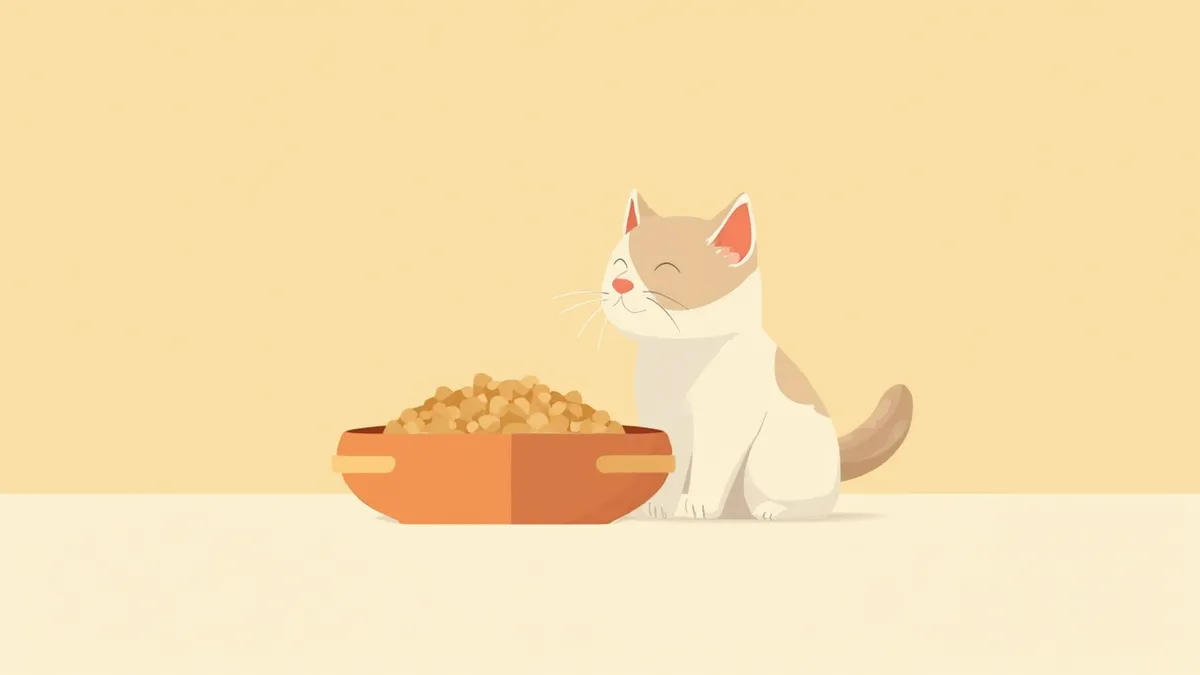
A baby kitten sitting next to a ceramic bowl
Kitten food is specially formulated to meet the protein, fat, and calcium requirements, as well as the digestive capacity, of kittens from the weaning stage through their growth period of approximately 12 months. Growing kittens have higher energy and nutrient needs than adult cats in the maintenance stage because additional energy is required for the development of new tissues. This is why a diet specifically designed for the growth stage is essential. Importantly, it is not just the quantity of protein but also its quality—specifically, its digestibility and utilization—that matters. Even with the same protein content, lower quality protein can reduce growth efficiency. Additionally, young kittens are sensitive to sudden dietary changes, and abrupt switches often lead to diarrhea. Therefore, it is safest to gradually transition kittens who have just been weaned to a food that reduces digestive burden.

Why the Gut Becomes Sensitive After Weaning

Kittens that have just been weaned have digestive systems that are not yet fully mature, making them sensitive to dietary changes. Veterinary textbooks note that young cats are particularly susceptible to dietary, infectious, and parasitic diarrhea, and simply changing their food is a common cause of this condition. In terms of protein standards, commercial dry foods designed to support normal growth generally contain at least 28% crude protein (approximately 280 g/kg on a dry matter basis). However, the quality of the protein is more important than the quantity; higher-quality proteins lead to better growth indicators, such as weight gain. Even with the same protein content, lower-quality proteins may not be sufficiently utilized for growth. Therefore, it is essential to consider not only the protein content but also whether it is a high-quality protein that is easily digested and absorbed.

Sensitive Stomach Kitten Food — 5 Selection Criteria

The following five features make a diet suitable for kittens right after weaning: - High-quality, easily digestible protein: Higher quality protein improves growth efficiency and reduces digestive burden, even at the same inclusion level. - Small kibble size: The pieces should be small enough for kittens to easily crush with their deciduous (baby) teeth. - Prebiotics (FOS and MOS): Studies have shown that feeding FOS and pectin to healthy cats increases beneficial bacteria (Lactobacillus and Bifidobacterium) and short-chain fatty acids, while reducing E. coli. - Single animal protein source: Using just one source, such as chicken or salmon, makes it easier to identify the culprit protein if a food allergy is suspected. - Nutritional balance tailored to growth requirements: The formula should be balanced to meet the specific needs of the growth stage, supporting brain and visual development as well as mucosal immunity.
Small-particle kitten food placed on a wooden tray

Transition Food Gradually Over at Least 7 Days

When transitioning from wet food to dry kibble, or switching to a different brand of kibble, it is essential to gradually adjust the ratio over a minimum of seven days. Days 1–2: 25% new food; Days 3–4: 50%; Days 5–6: 75%; Day 7: 100%. Switching abruptly in a single day will almost certainly cause diarrhea in nearly all kittens. If the stool becomes loose during the transition, remain at that stage for an additional two to three days. If you notice blood in the stool, stop the transition immediately and take your kitten to the veterinarian.

At-a-Glance Comparison of Top 5 Sensitive Stomach Kitten Foods

The table below compares the products across five key criteria: protein digestibility, particle size, prebiotic content, whether they contain a single protein source, and the use of hydrolysis. I’ll break down each product’s unique features in more detail below.

Comparison Table of 5 Sensitive Stomach Kitten Foods

ItemRoyal Canin BabycatHill's Science KittenPurina Pro Plan DevelopOrijen KittenZiwi Peak Kitten
Protein digestibility89%88%87%90%88%
Particle size5mm star-shaped6mm round7mm round8mm irregular6mm round
Prebiotics (FOS/MOS)TrueTrueTrueFalseTrue
Single animal protein sourceFalseTrueTrueFalseTrue
Hydrolyzed proteinPartialFalsePartialFalseFalse
DHA content0.3%0.25%0.3%0.4%0.35%

Based on products distributed in Korea as of April 2026, manufacturer official data

No. 1 — Royal Canin Babycat (Top Choice Right After Weaning)

This formula features specialized 5mm star-shaped kibble designed for kittens aged 1 to 4 months. The small kibble size is easy to crush even with baby teeth, and the inclusion of partially hydrolyzed protein boosts digestibility up to 89%. It also contains prebiotics (FOS and MOS) along with beta-glucan to quickly stabilize gut flora, making it an ideal first choice for kittens who have just been weaned and are experiencing loose stools.
A bowl filled with small, star-shaped kitten food

No. 2 — Hill’s Science Diet Kitten (Single Protein Source · Sensitive Stomach)

This formula uses chicken as a single protein source to minimize allergenic variables, and its 6mm round kibble size is ideal for kittens during the teething phase. With 0.25% DHA to support brain and vision development, plus an antioxidant system of tocopherols and beta-carotene that helps maintain intestinal mucosal immunity, it offers comprehensive nutritional support. The single-protein composition is particularly valuable when food allergies are suspected, as it simplifies identifying the specific protein trigger. Veterinary textbooks actually recommend limited-ingredient or hydrolyzed protein diets for cases where food reactions are suspected. If chicken allergies haven't been observed during the weaning stage, this would be an excellent second option to try.

No. 3 — Purina Pro Plan Develop (Gut Recovery Mode)

This kitten formula features partially hydrolyzed protein, delivering an 87% protein digestibility rate with 7mm kibble size, and includes prebiotics alongside a single chicken protein source. Because the hydrolyzed protein is broken down into peptides smaller than those that typically trigger immune responses, it places less strain on the gastrointestinal tract, making it a gentle option for kittens with sensitive stomachs or those in recovery. It is frequently recommended as a recovery-stage diet for kittens experiencing loose stools or frequent gas.

No. 4 & 5 — Orijen Kitten / Ziwi Peak Kitten (Late Growth Stage)

Orijen Kitten boasts the highest protein digestibility at 90%, but its 8mm irregular kibble size may be somewhat large for kittens under six months of age. Ziwi Peak Kitten offers a well-balanced formula with single-source lamb protein, 6mm round kibble, and added FOS and MOS. Both products are recommended as transition foods for the latter stage of growth in kittens who have started developing their permanent teeth after four months of age. For the very first food after weaning, options ranked 1st to 3rd are safer choices.
A shot comparing bowls filled with two types of kitten food

Summary of Key Ingredients in Sensitive Stomach Kitten Food

Safe

프리바이오틱스(FOS·MOS)

장내 유익균 증식·연변 개선

Dosage: 사료 내 0.5~1%

수의영양학 교과서 권장

Safe

가수분해 단백질

단백질 입자 크기 축소·알레르기 부하 감소

Dosage: 부분 가수분해 권장

Safe

DHA(오메가-3)

두뇌·시각·장 점막 면역 발달

Dosage: 사료 내 0.25~0.4%

Safe

베타글루칸

장 점막 면역 강화

Dosage: 사료 내 0.1% 내외

These Signs May Indicate a Food Issue

If any of the following signs persist for more than three days after switching foods, the new diet is likely unsuitable: consistently loose or poorly formed stools, mucus or blood in the stool, repeated vomiting within one to two hours after eating, or no weight gain for two consecutive weeks. In such cases, rather than switching to another food on your own, consult your veterinarian to determine whether transitioning to a hydrolyzed prescription diet or a novel-protein prescription diet is the best course of action.

Reviewed by a veterinarian

Dr. Tony — Punnawat Phongkittirak

Dr. Tony — Punnawat Phongkittirak

Veterinarian

A veterinarian who majored in veterinary medicine at Khon Kaen University, Thailand, and completed the IVSA program at North Carolina State University in the United States. Drawing on clinical experience at animal hospitals, he works in the pet healthcare field and is dedicated to building a digital care environment that connects pet parents with veterinarians.

Frequently Asked Questions

Can I soak kitten food in water before feeding it?
During the weaning stage at 4 to 6 weeks of age, it’s best to soften the food by soaking it in lukewarm water (below 40°C) for about 10 minutes. Starting at 7 weeks, you can soak only half of the food to gradually help your puppy adjust to dry kibble, and by 8 weeks, you can feed it dry without any soaking.
Is it okay to mix adult cat food with their current diet?
We don’t recommend it. During the growth phase, kittens need extra energy to build new tissues, so their nutritional requirements for energy, protein, and other nutrients are higher than those of adult cats. Mixing in adult cat food can lead to nutritional deficiencies during this critical period. It’s best to feed a complete kitten diet until they’re fully grown, then gradually transition to adult food over 7–10 days after they turn one year old.
Can I feed my pet both wet and dry food together?
Yes, it’s actually recommended. During the weaning stage, focus on wet food, and gradually increase the proportion of dry food after 8 weeks. This approach supports hydration, dental development, and urinary tract health. However, both foods must be specifically formulated for kittens, and you should calculate the total daily caloric intake by combining both.
If my pet gets diarrhea during a food transition, should I immediately switch back to the previous food?
Not necessarily. If the diarrhea is mild (one to two loose stools per day), keep the current food ratio for another two to three days. If there’s no improvement, or if you notice blood in the stool or vomiting, stop the transition immediately and seek veterinary care.
Which is better, prescription food or regular kitten food?
Healthy kittens thrive on a standard sensitive-stomach kitten formula. Prescription diets—such as hydrolyzed or novel-protein formulas—should only be used under veterinary guidance when allergies or chronic diarrhea have been diagnosed. Long-term self-prescribing of these diets can lead to nutritional imbalances.

Share

Related Guides

References

[1] Fascetti AJ, Delaney SJ. Applied Veterinary Clinical Nutrition, 2nd Ed — Commercial and Home-Prepared Diets, Chapter 8

[2] Schaer M, Gaschen F. Clinical Medicine of the Dog and Cat, 4th Ed — Section V Elements of Therapy

[3] AAFCO Cat Food Nutrient Profiles for Growth, 2024

This information is based on veterinary literature and does not replace diagnosis or treatment. Please consult a veterinarian for specific health concerns.

Metapet Co., Ltd. | CEO: Park Sung-yong | Business Reg. No. 417-88-02562 | Seoul, South Korea | Customer Center

Top 5 Sensitive-Stomach Cat Foods for Weaned Kittens | Meongsiljang