Like
Share
멍실장
고양이 예민한 장 그레인프리 사료 추천 TOP 5 — 소화 트러블 줄이는 선택 기준

Top 5 Grain-Free Cat Foods for Sensitive Stomachs — Selection Criteria to Reduce Digestive Troubles

DigestiveTop PicksMeongsiljang Veterinary Advisory Board

We’ve compared five grain-free cat foods designed for sensitive-stomach cats who suffer from frequent vomiting and loose stools, focusing on their protein composition, probiotics, and dietary fiber. We’ve also outlined the steps for transitioning to a new food and when a prescription diet may be necessary.

What Is a Sensitive Stomach in Cats?
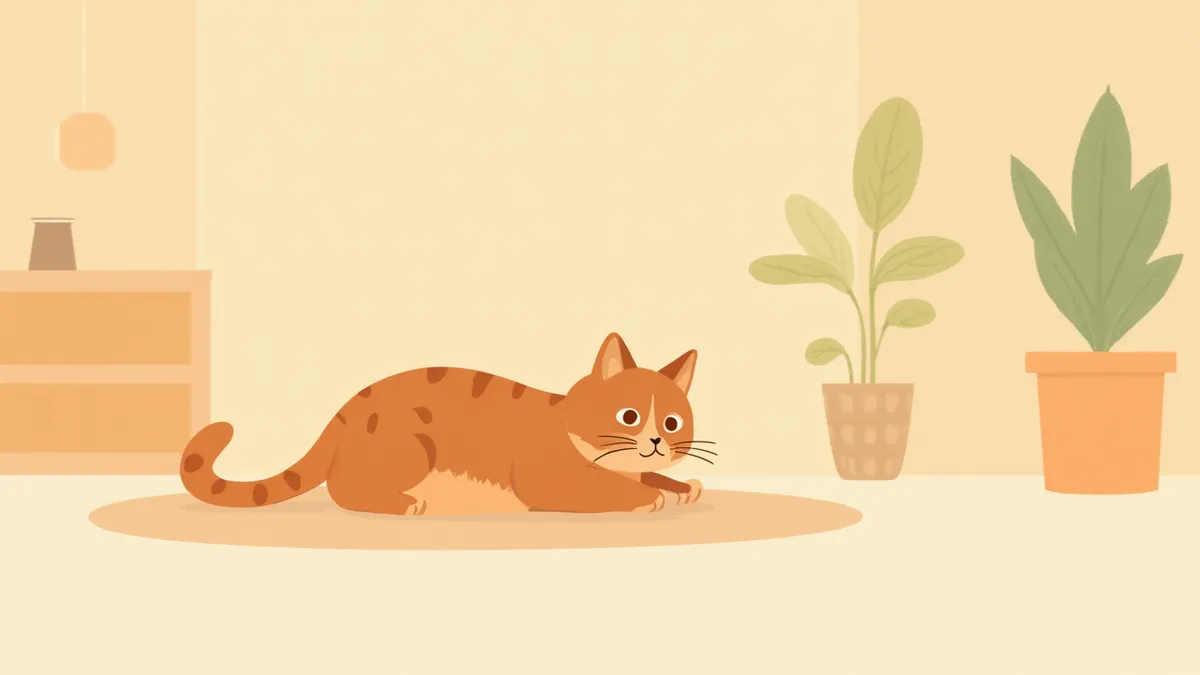
A guardian gently stroking a cat resting comfortably on a rug.
Feline sensitive stomach refers to a state of gastrointestinal sensitivity characterized by frequent digestive symptoms such as vomiting, soft stools, diarrhea, and gas. The key is to reduce dietary antigens that can irritate the intestines. Using an elimination diet composed of a single (or novel) animal protein source and easily digestible carbohydrates has been reported to help manage chronic intestinal diseases. However, there is no clear evidence that removing grains alone reduces symptoms, so it is better to focus on the protein and carbohydrate composition rather than the presence or absence of grains. If symptoms persist for more than two weeks, do not rely solely on dietary management; consult a veterinarian for diagnostic testing to identify the underlying cause.

Why Grain-Free Diets Help Sensitive Stomachs

Grain-free diets exclude grains such as corn, wheat, and rice, using alternative carbohydrate sources like potatoes, peas, and lentils instead. Since cats have a relatively low incidence of grain allergies, it is difficult to definitively claim that the "grain-free" aspect alone is better for sensitive digestive systems. Textbook management of chronic intestinal disease in cats focuses not on the presence or absence of grains, but on diets with limited antigens, such as single or novel protein diets, or hydrolyzed protein diets. Switching to easily digestible proteins and gentle carbohydrate sources to reduce dietary antigens can help manage symptoms like vomiting and soft stools. As cats are naturally carnivorous, their nutritional needs are best met by diets with adequate protein content.

What to Check Before Switching Food

Frequent vomiting and diarrhea may not be a simple dietary issue. Conditions such as pancreatitis, inflammatory bowel disease (IBD), low-grade alimentary lymphoma, and parasitic infections can present with similar gastrointestinal symptoms. In particular, IBD is a diagnosis of exclusion, meaning other causes must be thoroughly ruled out first. Therefore, it is safer to have your pet undergo basic tests at a veterinary clinic—such as blood work (CBC and biochemistry), fecal examination, and abdominal ultrasound—before switching to a new diet. This is especially important for cats aged seven years and older.

6 Things to Check When Choosing Food for Sensitive Stomachs
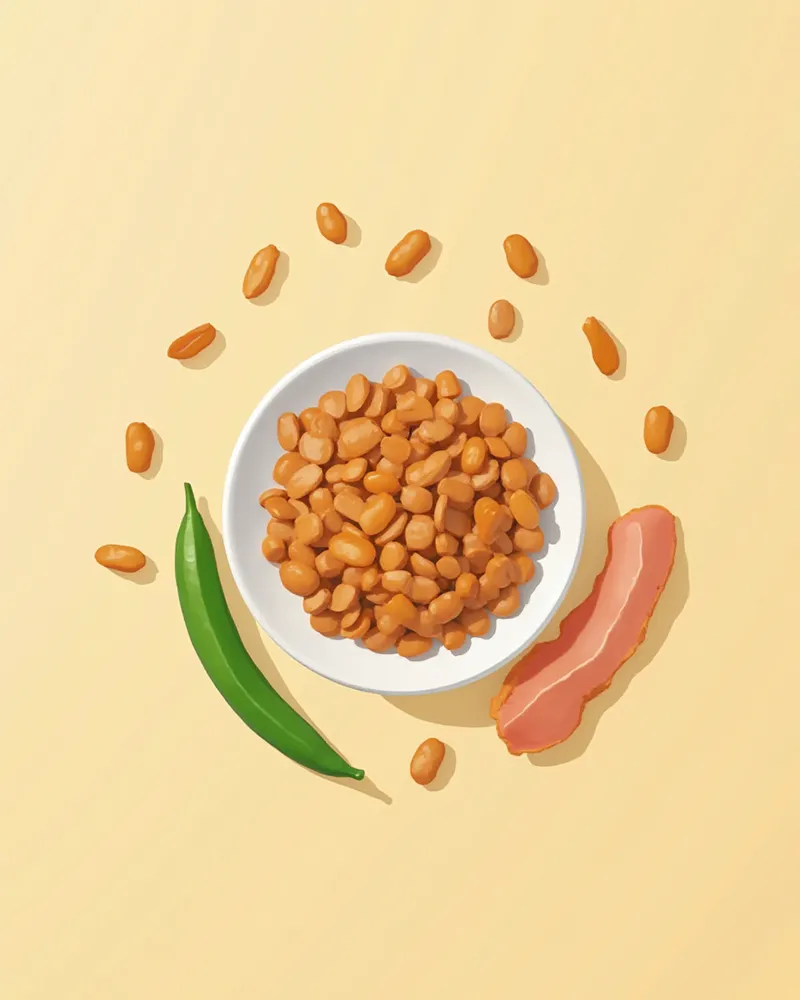
Single-protein formulas: Foods that contain only one animal protein source, such as duck, salmon, or turkey, or are formulated with novel proteins, are advantageous for tracking allergens and limiting antigen exposure.
Low-irritant carbohydrates: Ingredients that are gentle on the digestive system, such as potatoes, sweet potatoes, and peas, are recommended.
Probiotics: While probiotics are known to support gut microbial balance, research confirming their efficacy in feline IBD and chronic intestinal diseases is still limited, so they should be used only as a supplementary measure.
Omega-3 fatty acids: Omega-3s like EPA and DHA have anti-inflammatory properties that may help soothe intestinal mucosal inflammation.
Gentle dietary fiber: Fiber sources with low fermentability, such as beet pulp and psyllium husk, are preferable.
Free from artificial additives: Avoid products containing artificial colors, artificial flavors, and preservatives like BHA and BHT.
Grain-free cat food placed next to fresh duck meat and peas

Comparison of the Top 5 Grain-Free Cat Foods for Sensitive Stomachs

ItemNatural Balance LID Duck & Green PeaWellness Core Indigo CatchOrijen 6 Fish CatAcana Grain-Free CatSolid Gold Indigo Moon
Main ProteinDuck onlyChicken & turkeySardine, herring, and 5 othersChicken, turkey & fishTuna & salmon
Grain-FreeTrueTrueTrueTrueTrue
ProbioticsTrueTrueFalseFalseTrue
Omega-3 EnrichedTrueTrueTrueTrueTrue
Dietary Fiber SourceGreen pea & sweet potatoCranberry & spinachLentil & pumpkinLentil & green peaPumpkin & carrot
Reference Price (2kg)From $30From $30From $50From $40From $30

Average of lowest online prices as of April 2026. Subject to change depending on distribution channel and timing.

1st Place — Natural Balance LID Grain-Free (Duck & Green Pea)
Natural Balance LID (Limited Ingredient Diet) is a grain-free formula designed with a single protein and a single carbohydrate source. By using duck as the sole animal protein, it simplifies the process of identifying potential allergens. The carbohydrate profile consists of peas and sweet potatoes, making it generally well-tolerated by cats with grain sensitivities. While the inclusion of both prebiotics and probiotics is known to support gut health, scientific evidence confirming their efficacy in cats remains limited. This diet serves as a solid baseline option for cats with sensitive digestive tracts when transitioning to a new food.
A healthy cat eating its food by the window

2nd–3rd Place — Lines with Diverse Proteins

2nd Place: Wellness Core Indigo Catch This formula centers on chicken and turkey, enhanced with superfoods like cranberries and spinach to support antioxidant balance. It’s gluten-free and rich in omega-3 fatty acids, which may help soothe intestinal lining inflammation. 3rd Place: Orijen 6 Fish Cat With over 90% protein from six types of fish—including sardines, mackerel, and herring—this food is highly nutritious and well-suited for active cats. However, if your cat has underlying kidney disease, consult your veterinarian to assess whether the high protein content is appropriate. This product falls in the higher price range.

4th–5th Place — Cost-Effective and Palatability Options
4. Acana Grain-Free Cat: This formula balances a variety of animal proteins, including chicken, turkey, and fish. Its moderate fiber content makes it a good fit for cats with inconsistent stool quality.
5. Solid Gold Indigo Moon: With a tuna and salmon base, this line offers high palatability at a relatively affordable price point. It is often well-received by picky eaters, making it a viable option to try for sensitive gastrointestinal cases accompanied by decreased appetite. However, since it is not a single-protein diet, options ranked 1 or 2 are more suitable if you need to track specific allergens.
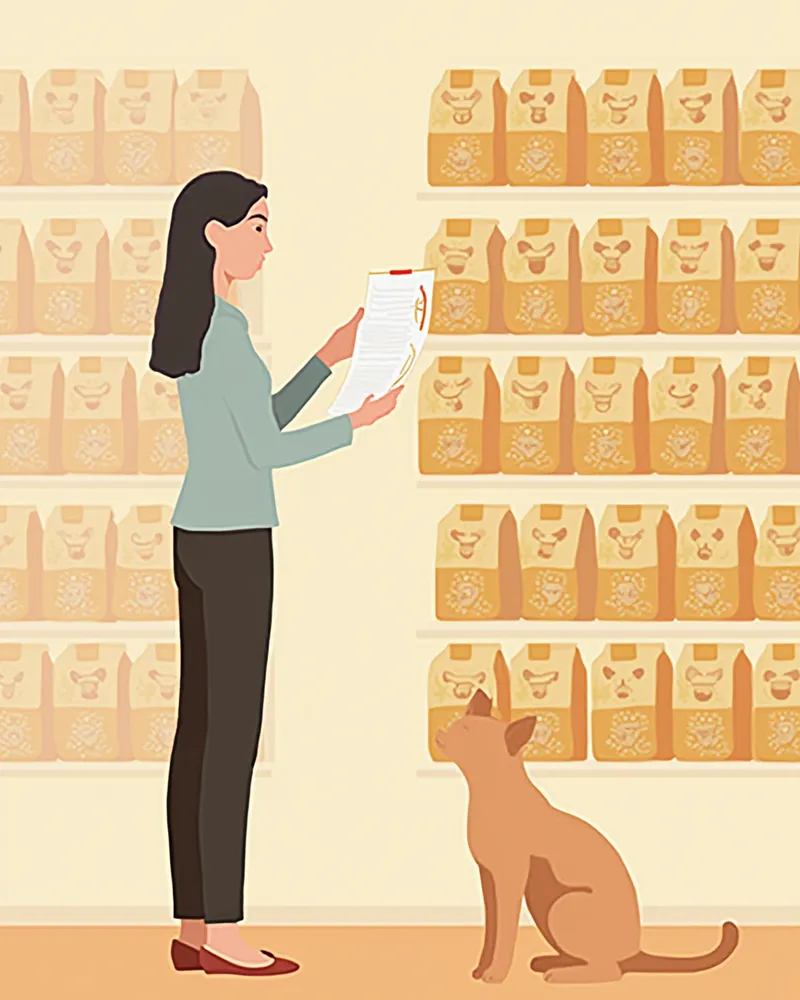
A pet parent carefully examining a cat food label at a pet store

Transition Food Gradually Over 7–10 Days

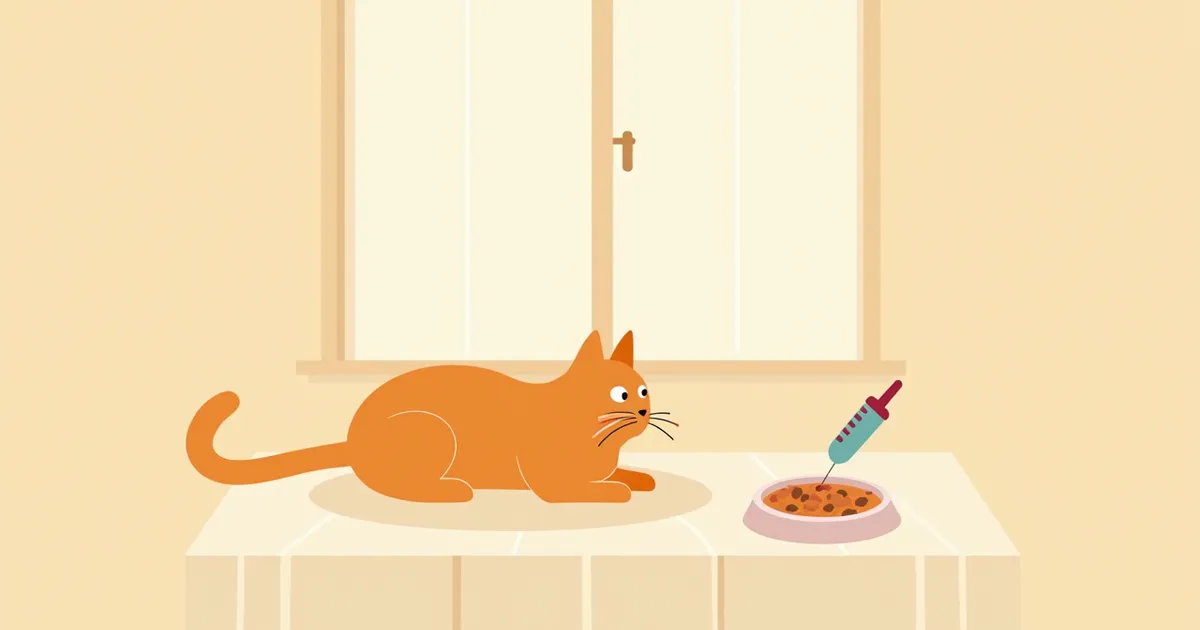
Cats with sensitive stomachs are more likely to experience worsened vomiting and diarrhea when their food is changed abruptly. Transition gradually by mixing 75% of the old food with 25% of the new food for days 1–3, then 50:50 for days 4–6, followed by 25% old and 75% new for days 7–9, and finally switching to 100% new food from day 10 onward. Monitor your cat’s stool consistency and appetite daily during this transition period. If diarrhea persists for more than three days or vomiting increases, stop the transition immediately and contact your veterinarian. If your cat refuses the new food, mix just one teaspoon of it into their current food to help them become accustomed to the new scent.

When a Prescription Diet Is More Suitable

If symptoms don’t improve within 4 to 6 weeks on a standard grain-free diet, or if they’re accompanied by chronic vomiting, weight loss, blood in the stool, or loss of appetite, it’s time to consider switching to a hydrolyzed protein prescription diet (such as Hill’s z/d, Royal Canin Hydrolyzed, or Purina HA). These diets break proteins down into tiny fragments that rarely trigger an immune response. Always begin a prescription diet only after a veterinary diagnosis.

Reviewed by a veterinarian

Dr. Tony — Punnawat Phongkittirak

Dr. Tony — Punnawat Phongkittirak

Veterinarian

A veterinarian who majored in veterinary medicine at Khon Kaen University, Thailand, and completed the IVSA program at North Carolina State University in the United States. Drawing on clinical experience at animal hospitals, he works in the pet healthcare field and is dedicated to building a digital care environment that connects pet parents with veterinarians.

Frequently Asked Questions

Is grain-free food always better than food containing grains?
Not necessarily. Cats have a relatively low rate of grain allergies, and some grain-free formulas contain high levels of ingredients like soy and potatoes, which can actually cause gas and loose stools. The key is finding the right combination of protein and carbohydrates for a sensitive digestive system; grain-free isn't the answer in itself.
Even after switching to a different food, the vomiting continues. What should I do?
If vomiting persists despite a food transition lasting more than two weeks, non-dietary causes should be suspected. Common culprits include pancreatitis, inflammatory bowel disease, excessive hairballs, and kidney issues. Visit your veterinarian for initial blood work, abdominal ultrasound, and SDMA testing.
Prescription vs. regular grain-free diets—how should you choose?
If symptoms are mild, start with a standard grain-free limited-ingredient diet. For chronic or moderate-to-severe cases, a hydrolyzed prescription diet is the preferred first step. We do not recommend long-term use of prescription diets without a proper diagnosis, as their nutritional balance differs from that of regular pet food.
What nutrient should you check first in a new pet food?
Key factors include the singularity of the protein source, the type of dietary fiber (prioritizing soft beet pulp and psyllium husk), omega-3 content, and whether probiotics are included. The first five ingredients listed on the label reveal most of the food’s characteristics.
If my pet is doing well on their current food, is it necessary to switch to a grain-free diet just as a preventive measure?
If your cat is healthy and showing no symptoms, there’s no need to change their diet. It makes sense to consider a dietary switch only if you notice signs like frequent vomiting, soft stools, excessive gas, or skin itching.

Share

Related Guides

References

[1] Fascetti AJ, Delaney SJ. Applied Veterinary Clinical Nutrition, 2nd Ed. Chapter 8: Commercial and Home-Prepared Diets

[2] Schaer M, Gaschen FP. Clinical Medicine of the Dog and Cat, 4th Ed. Section V: Elements of Therapy — Nutritional Management

[3] WSAVA Global Nutrition Committee. Guidelines on Selecting Pet Foods, 2021

This information is based on veterinary literature and does not replace diagnosis or treatment. Please consult a veterinarian for specific health concerns.

Metapet Co., Ltd. | CEO: Park Sung-yong | Business Reg. No. 417-88-02562 | Seoul, South Korea | Customer Center

Top 5 Grain-Free Cat Foods for Sensitive Stomachs | Meongsiljang