Like
Share
멍실장
강아지 눈물자국 제거 제품 추천 TOP 5 — 안전 성분

Top 5 Recommended Tear Stain Removal Products for Dogs — Safe Ingredients

Skin & CoatTop PicksMeongsiljang Veterinary Advisory Board

We’ve compared tear-stain removal products for dogs based on ingredient safety, level of irritation, and ease of use. Since these products come into direct contact with the delicate mucous membranes around the eyes, you should avoid any that contain alcohol, antibiotics, or bleaching agents.

What Are Tear Stains? Why You Need to Choose Safe Products

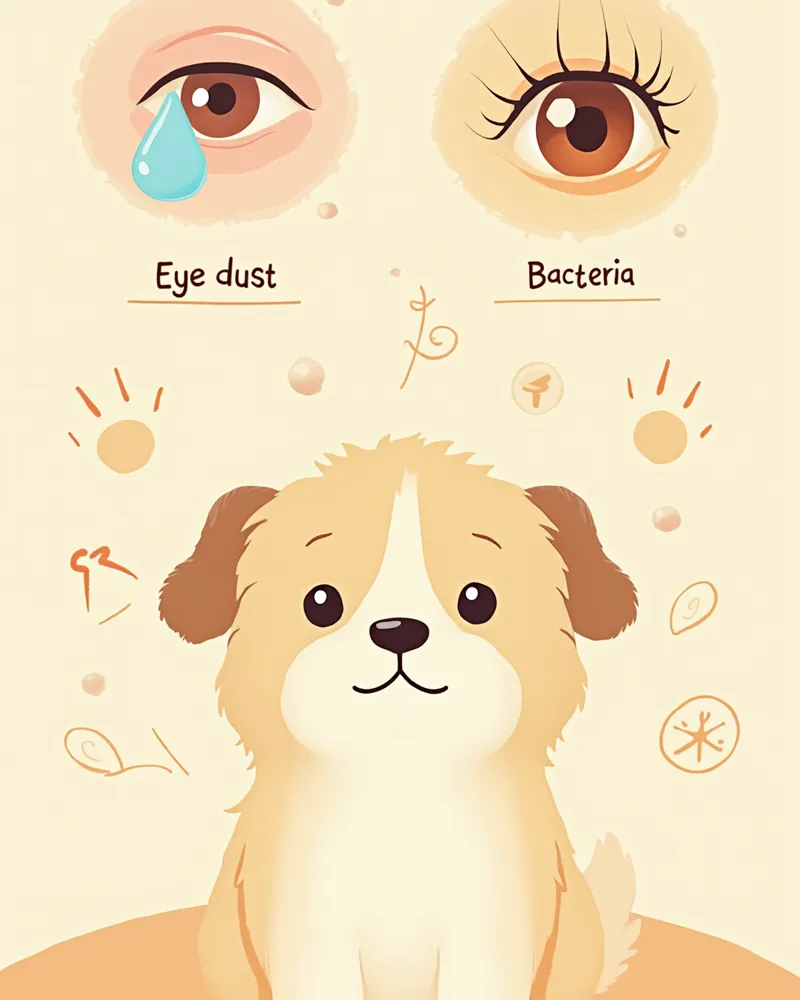
Illustration defining tear stains in puppies
Tear stains are brown or reddish discolorations that appear on the fur around a dog’s eyes. This occurs when excess tears wet the surrounding hair (epiphora), allowing microbes to proliferate on the damp fur, which leads to pigment deposition and discoloration, and in some cases, moist dermatitis [E7]. While these stains are more noticeable on white or light-colored coats, they can develop in dogs of any coat color [E15]. Choosing safe ingredients is key. Because the eye area is close to the mucous membranes, products containing disinfectants or irritants such as alcohol or hydrogen peroxide can cause ocular irritation, including conjunctival redness [E2]. Cleaners are only an auxiliary measure; if the underlying cause is epiphora or nasolacrimal duct stenosis, veterinary ophthalmic care should be prioritized [E7][E10].

4 Real Causes of Tear Stains

Before choosing a product, it’s important to identify the underlying cause. Simply wiping the area often isn’t enough to resolve the issue. - Nasolacrimal duct stenosis: Common in small breeds such as Poodles, Shih Tzus, and Maltese, this condition involves narrowing of the nasolacrimal duct, which blocks tear drainage and causes tears to overflow [E7][E1]. - Eyelash abnormalities (distichiasis and ectopic cilia): Abnormal eyelashes irritate the eye, leading to increased tearing (epiphora) [E13][E14]. - Allergies and atopy: Ocular allergies, such as allergic conjunctivitis, can increase tear production and mucous discharge [E10][E2]. - Epiphora and microorganisms: Moist fur around the eyes provides a breeding ground for microorganisms, which can cause staining and moist dermatitis [E7][E15].
Four Causes of Tear Stains: A Diagram

Safe Ingredients vs. Ingredients to Avoid

Safe

정제수·식염수

이물질·눈곱 부드럽게 제거

Dosage: 매일 1~2회

수의안과학 일반 권장

Safe

보릭산(붕산) 저농도

약산성 환경으로 미생물 억제

Dosage: 제품 라벨 기준

안과용 일반의약품 성분

Caution

콜로이달 실버

항균 보조

Dosage: 라벨 기준

장기 사용 시 변색 보고

High risk

타일로신(Tylosin)

항생 효과

Dosage: 수의사 처방 시에만

FDA·국내 미허가 OTC 사용 금지

High risk

과산화수소·표백제

표면 탈색

Dosage: 사용 금지

각막 화상·결막 자극 위험

5 Criteria for Choosing Tear Stain Products for Dogs

To choose a safe product, always check the label. - Alcohol-free: Disinfecting and solvent ingredients like ethanol and isopropanol can irritate the eye area, which is close to the mucous membranes. - Antibiotic-free: Over-the-counter products containing antibiotic ingredients such as tylosin are not approved for use in Korea. - Low-irritation, gentle formula: Since the eye area is near the mucous membranes, it is safer to choose a gentle formula with minimal irritation. - Fragrance-free and dye-free: The risk of ocular allergies (allergic conjunctivitis) increases with greater exposure to irritants. - Ease of use: Pad-type products are convenient for travel, while liquid-type products are ideal for thorough care.

Comparison Table of Top 5 Tear Stain Products for Dogs

ItemA Pad typeB Liquid typeC Foam cleanserD Natural waterE Pad + serum
Key ingredientsPurified water + boric acidSaline + hyaluronic acidPurified water + chamomilePurified water + colloidal silverPurified water + panthenol
Alcohol-freeTrueTrueTrueTrueTrue
Antibiotic-freeTrueTrueTrueTrueTrue
Form of useSingle-use padDropperFoamSprayPad + serum
Recommended situationOutings & travelThorough careSensitive skinLight everyday careSevere staining
CautionsSingle-use, hygienic OKKeep bottle opening cleanKeep foam out of eyesCaution with long-term use on sensitive areasSmall amount of serum

Ingredient information is based on the label; if a prescription is needed, a veterinary consultation takes priority.

Detailed Recommendations for Top 1–3
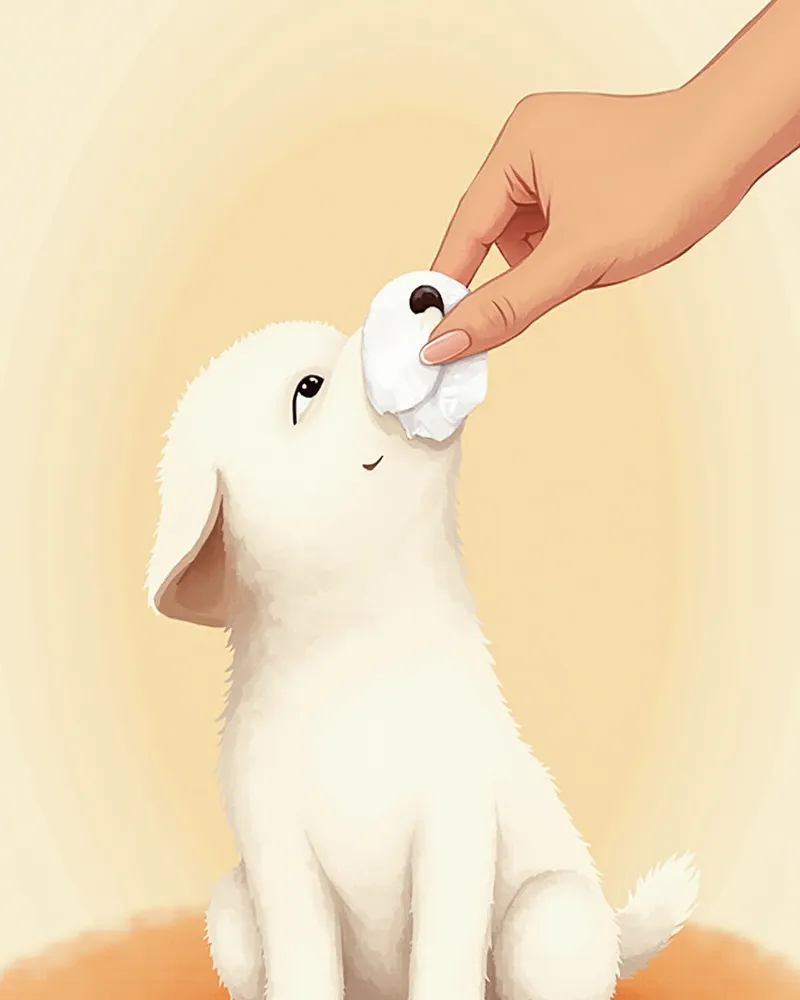
A Pad Cleanser: Formulated with purified water and low-concentration boric acid, this gentle option is ideal for quick cleanups after walks or outings. Its single-use design ensures hygiene.
B Liquid Dropper: This saline-based formula is enriched with hyaluronic acid to provide hydration. Apply to a cotton swab or gauze and use carefully, ensuring the solution does not come into direct contact with the eye area.
C Foaming Cleanser: Featuring chamomile extract for its soothing properties, this cleanser is well-suited for sensitive skin. Wipe gently and take care to prevent foam from entering the eyes.
Wiping your dog’s eye area with a pad-type cleanser

Detailed Recommendations for Top 4–5

D Natural Water Spray: This product is based on colloidal silver and is designed for light, everyday care. However, since the eye area is a sensitive region close to mucous membranes, it is safer to use it lightly rather than applying it daily over the long term. If you notice any irritation or changes, discontinue use immediately [E2].
E Pad + Serum Dual Kit: This kit features a two-step routine: first, cleanse with the pad, then finish with a panthenol serum. It offers a step-by-step care option for pets prone to staining. Apply only a small amount of the serum using a cotton swab.
Spray-type tear stain care product

When to See a Vet Instead of Using a Product

If you notice any of the following signs, do not try to resolve them with a cleanser alone; instead, seek veterinary ophthalmic care. - Tears are flowing from only one eye (suspected nasolacrimal duct obstruction or foreign body) - The pet frequently rubs its eyes, accompanied by redness and mucous discharge - The eyelid appears to roll inward (entropion) - Tear staining suddenly worsens and develops an odor (secondary infection) According to veterinary ophthalmology textbooks, the cause of chronic epiphora must be accurately diagnosed through a nasolacrimal duct flush test.

Proper Usage and Daily Care Tips
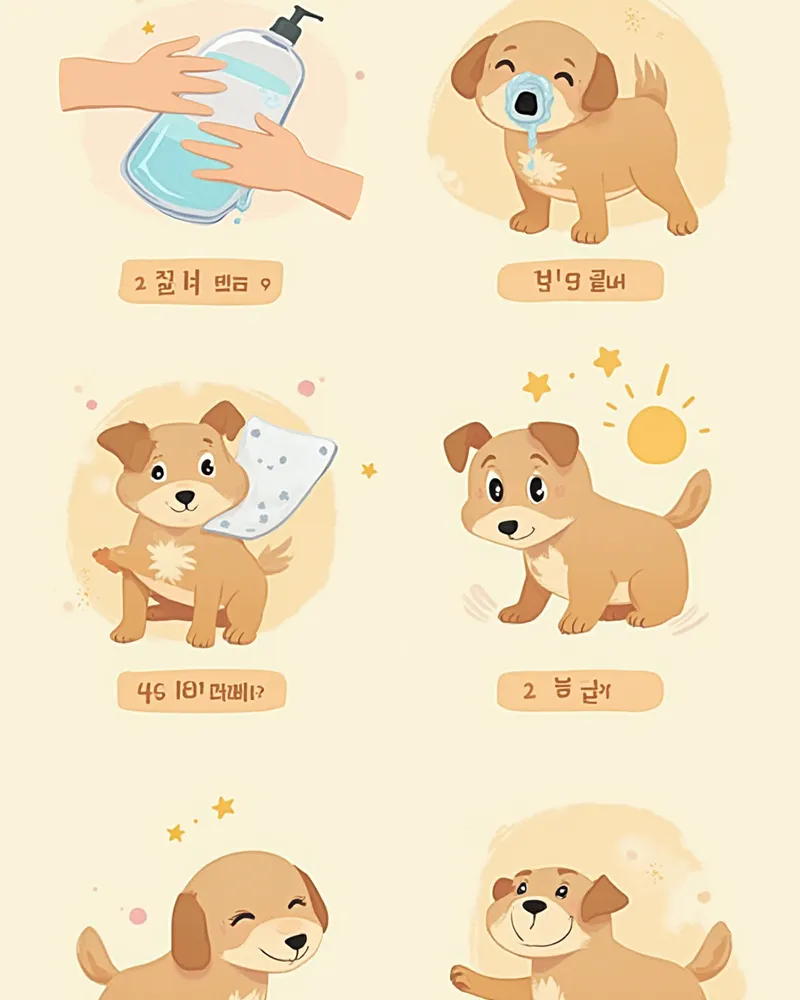
There is a specific sequence to follow for safe product use. - Step 1: Wash your hands thoroughly and calm your dog. - Step 2: Gently wipe the area around the eyes (the fur, not the eye itself) using a pad or cotton swab. - Step 3: Do not reuse any part of the pad or swab that has already touched the eye area to prevent the transfer of microorganisms. - Step 4: After wiping, gently pat the area dry with a clean gauze pad. Dietary management is also important. In some cases, switching protein sources or reducing artificial colors and flavorings can help decrease tear production.
Four Steps to Caring for Your Dog’s Eye Area

Reviewed by a veterinarian

Dr. Tony — Punnawat Phongkittirak

Dr. Tony — Punnawat Phongkittirak

Veterinarian

A veterinarian who majored in veterinary medicine at Khon Kaen University, Thailand, and completed the IVSA program at North Carolina State University in the United States. Drawing on clinical experience at animal hospitals, he works in the pet healthcare field and is dedicated to building a digital care environment that connects pet parents with veterinarians.

Frequently Asked Questions

Is it safe to use tear-stain remover for dogs every day?
For a low-irritation cleanser based on purified water or saline, it’s generally fine to gently wipe your pet’s face daily. However, since the eye area is a sensitive region close to the mucous membranes, it’s best to reduce the frequency of products containing ingredients like colloidal silver and stop using them if any irritation appears.
Can I use an overseas product that contains tylosin?
We do not recommend it. Tylosin is an antibiotic that is not approved for over-the-counter use in Korea, and indiscriminate use can lead to antibiotic resistance and disrupt the balance of gut microbiota. Antibiotics should only be used under a veterinarian's prescription.
Will switching to a different diet reduce tear staining?
If the cause is a food allergy or atopy, this approach may help. Try switching to a novel protein diet—one that your pet has never eaten before—for an adequate period and monitor for any changes. If there’s no improvement, consider other potential causes.
Why do Poodles and Maltese tend to have more severe tear staining?
These breeds have a narrow and curved nasolacrimal duct due to their anatomical structure, which can make it difficult for tears to drain properly. Veterinary ophthalmology research has also reported that poodles with nasolacrimal duct stenosis or ventilation issues are prone to tear staining [E1]. In addition to cleaning with a cleanser, regular ophthalmic check-ups are necessary.
Do you notice tear stains on your white-coated dog?
Staining can occur in both black- and brown-coated dogs; it’s just less noticeable on darker fur. Even if you can’t see it, proper hygiene care is still essential.

Share

Related Guides

References

[1] Esson DW, Calvarese S (eds.), Clinical Atlas of Canine and Feline Ophthalmic Disease, 2nd Ed, Wiley-Blackwell, 2022

[2] Gelatt KN et al., Veterinary Ophthalmology, Vol. 2, Wiley-Blackwell, 2013, pp. 871–873

[3] Seo KM, Nam TC, Tear formation, the patency and angle of bend of nasolacrimal duct in poodle dogs

[4] Delaney SJ, Fascetti AJ (eds.), Applied Veterinary Clinical Nutrition, 2nd Ed, Wiley-Blackwell

This information is based on veterinary literature and does not replace diagnosis or treatment. Please consult a veterinarian for specific health concerns.

Metapet Co., Ltd. | CEO: Park Sung-yong | Business Reg. No. 417-88-02562 | Seoul, South Korea | Customer Center

Top 5 Safe Tear Stain Removers for Dogs — Ingredient Guide | Meongsiljang