Like
Share
멍실장
고양이 심장 질환 예후 관리 추천 BEST와 고르는 기준 총정리

7 Factors Determining the Prognosis of Feline Heart Disease, as Explained by Veterinarians

HeartTop PicksMeongsiljang Veterinary Advisory Board

The prognosis for feline heart disease varies significantly depending on the type of condition and whether it is detected early. With proper management and regular check-ups, you can improve your cat's quality of life.

Early Detection and Continuous Management Are Key to Managing the Prognosis of Feline Heart Disease
A veterinarian performing an echocardiogram on a cat
The prognosis for feline heart disease varies significantly depending on the specific type of condition and whether it is diagnosed early. The most common forms in cats, hypertrophic cardiomyopathy and restrictive cardiomyopathy, are difficult to detect because they show few symptoms in the early stages. However, early detection is possible through regular cardiac screenings, particularly echocardiograms. Early management plays a crucial role in slowing the progression of complications such as congestive heart failure and arterial thromboembolism, while helping to maintain your cat’s quality of life. For cats in the asymptomatic stage, it is recommended to periodically monitor disease progression, including changes like left atrial enlargement. Working closely with your veterinarian to establish a personalized management plan, and consistently following through with daily care and regular check-ups, directly contributes to improving your cat’s quality of life.

Selection Criteria: 4 Key Elements for Choosing Products for Prognosis Management

- Ingredients that support heart function: Look for products containing components like L-carnitine, CoQ10, and omega-3 fatty acids, which help with the energy metabolism of heart muscle. - Minimizing side effects: Ensure the product uses a stable combination of ingredients suitable for long-term use. - Your cat’s eating preferences: It’s important to choose a form your cat enjoys, such as sticks, jelly, or powder. - Veterinarian recommendation: Products consistently recommended by professionals tend to be more trustworthy. - Combining with regular food: The supplement should work together with your cat’s diet to provide balanced nutrition for heart health. Following these four guidelines will help you manage your cat’s heart health safely and effectively.
A cat looking at a heart health supplement.

BEST 1: Cat-Specific Supplement Specialized in Improving Heart Function

This product features L-carnitine and CoQ10 as its key ingredients, which are recognized as supportive nutrients in the dietary management of cats with heart disease. These components help support energy metabolism in heart muscle, making them suitable for daily home care. However, supplements alone cannot treat or halt the progression of conditions such as hypertrophic cardiomyopathy, so they must always be used alongside veterinary-prescribed treatment. The product is relatively stable for long-term use and comes in a palatable jelly form that cats enjoy. For safety, consult your veterinarian to determine whether to use this supplement, as well as the appropriate dosage and duration. Consistent management, combined with regular check-ups, helps maintain your cat’s quality of life.
Close-up shot of a heart function support supplement bottle

BEST 2: Cat-Specific Food That Helps Maintain Heart Health
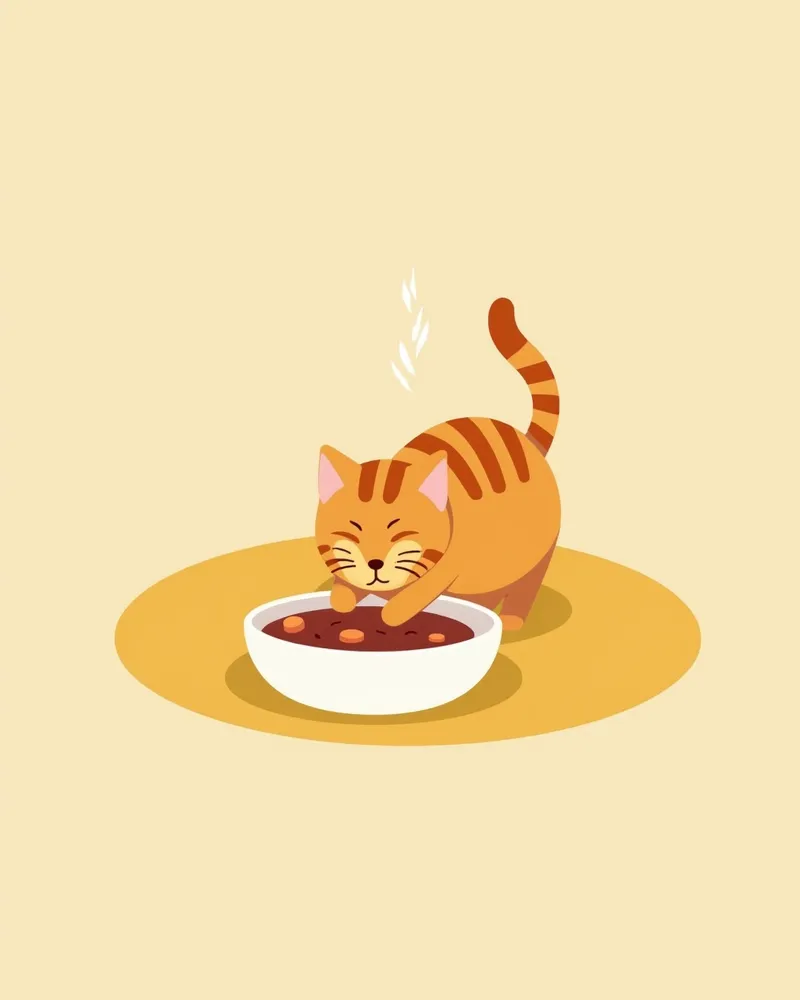
This food is formulated with a low-sodium diet to reduce the burden on the heart. - Low-sodium formulation: Minimizes sodium content that can strain the heart, supporting healthy heart function. - Omega-3 fatty acids: Helps reduce inflammation in heart cells and improves blood flow. - Contains antioxidants: Protects against cell damage caused by free radicals, helping to maintain long-term heart health. - Balanced nutrition: Provides well-balanced nutrients tailored for weight management and heart function maintenance. Especially suitable for long-term care of cats with heart conditions, and it is also widely recommended by veterinarians. It can be easily incorporated into daily meals.
A cat eating heart-healthy food

BEST 3: Home Heart Check Kit for Regular Check-ups and Monitoring

This kit makes it easy to measure your cat’s heart rate and respiratory rate at home. Regularly recording these values helps you detect subtle changes in heart health early on. It’s especially useful for managing cats with heart conditions at home, and provides accurate data to share with your veterinarian during consultations. You can monitor your cat regularly while minimizing stress, giving you real-time insight into their health status.
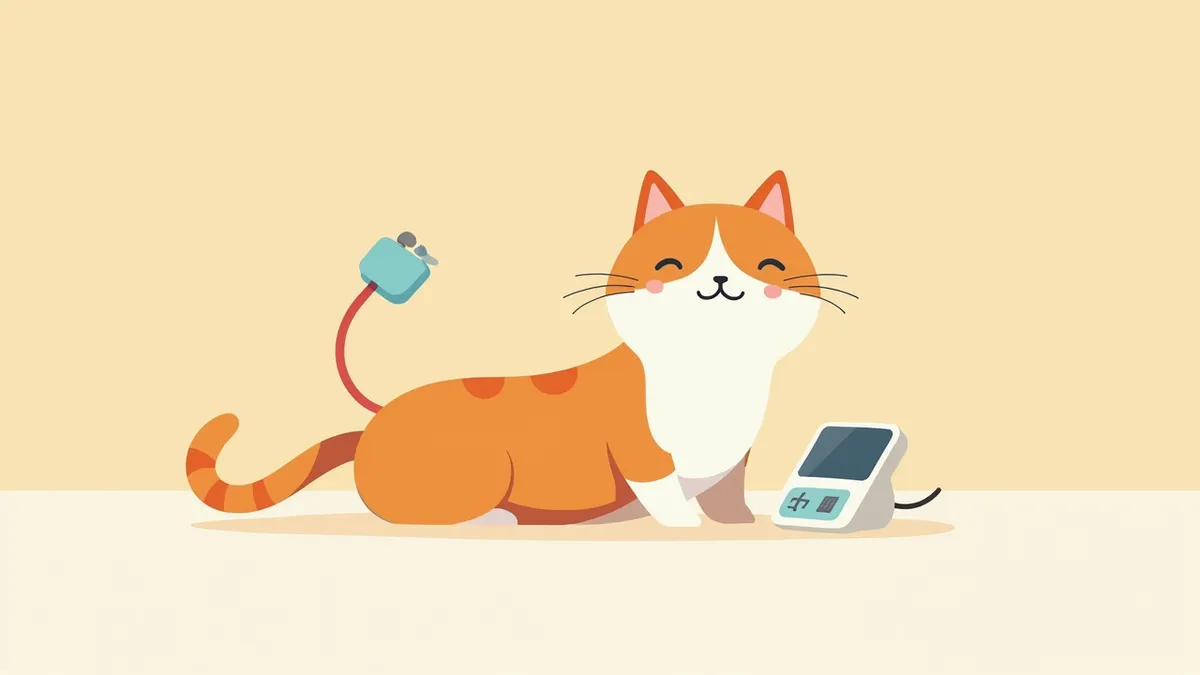
Cat Home Heart Monitoring Kit

Comparison of BEST 1–3 Products: Ingredients, Effects, and Ease of Use

ItemMain IngredientsEffectEase of Use
BEST 1 SupplementL-carnitine, CoQ10Improves cardiac function, supports energy metabolismHigh
BEST 2 FoodOmega-3, antioxidantsProtects heart cells, reduces inflammationMedium
BEST 3 KitHeart-rate/respiratory-rate sensorDetects early changes, records dataHigh

Evaluated based on veterinary recommendation criteria and the cat's response.

Caution: Excessive Exercise Is Prohibited for Cats with Heart Disease

Cats with compromised heart function can experience sudden deterioration if subjected to excessive exercise or stress. Immediate veterinary attention is required if irregular heartbeats or difficulty breathing occur. It is important to limit daily activities and maintain a calm, comfortable environment.

Usage Tips: Practical Checkpoints for Managing the Prognosis of Feline Heart Disease

Please keep up with regular veterinary check-ups. Echocardiograms are recommended every six to twelve months. Consistently monitor and record your cat’s food intake and weight changes, and contact us immediately if you notice an abnormal heart rate or difficulty breathing. To minimize stress, maintain a quiet environment and a consistent daily routine. Strictly adhering to the prescribed medication schedule and dosage is crucial for improving prognosis. Involving all family members in care ensures more effective management.
A calendar for checking heart health and a relaxed cat

Reviewed by a veterinarian

Dr. Tony — Punnawat Phongkittirak

Dr. Tony — Punnawat Phongkittirak

Veterinarian

A veterinarian who majored in veterinary medicine at Khon Kaen University, Thailand, and completed the IVSA program at North Carolina State University in the United States. Drawing on clinical experience at animal hospitals, he works in the pet healthcare field and is dedicated to building a digital care environment that connects pet parents with veterinarians.

Frequently Asked Questions

What is the prognosis for cats with heart disease?
Prognosis varies significantly depending on the type of disease and the timing of diagnosis. For example, restrictive cardiomyopathy is often diagnosed in advanced stages, leading to a generally poor prognosis, and survival times after the onset of clinical symptoms can vary widely among individuals (one study reported a range of 0.1 to 52 months post-clinical manifestation, with a median of approximately 3.4 months). Therefore, it is difficult to provide a uniform estimate of survival time, and early detection along with consistent management are the most critical factors for improving prognosis.
Can I change the diet for a cat with heart disease?
It’s safest to switch under your veterinarian’s guidance. Diets for heart disease require careful control of nutrients like sodium, and any change should be made gradually over several days.
Is the home heart check kit accurate?
While tracking trends can be helpful, an accurate diagnosis requires a veterinary examination and an echocardiogram. At home, recording your pet’s resting respiratory rate is particularly useful.
How long should I continue giving the supplement?
It can be taken long-term under your veterinarian’s guidance. Since supplements don’t replace treatment, it’s best to use them consistently alongside prescribed therapy.
Is it safe to let a cat with heart disease play?
Only quiet play is recommended. Avoid excessive excitement or stress, as these can worsen the condition, and closely monitor your cat’s response.

Share

Related Guides

References

[1] Payne JR, Borgeat K, Brodbelt DC, Connolly DJ, Luis Fuentes V: Risk factors associated with sudden death vs. congestive heart failure or arterial thromboembolism in cats with hypertrophic cardiomyopathy, J Vet Cardiol 17(Suppl 1):S318-S328, 2015.

[2] The Cat, Clinical Medicine and Management, 2nd Edition, Elsevier, 2020.

[3] Textbook of Cardiovascular Medicine in Dogs and Cats, 3rd Edition, Wiley-Blackwell, 2018.

This information is based on veterinary literature and does not replace diagnosis or treatment. Please consult a veterinarian for specific health concerns.

Metapet Co., Ltd. | CEO: Park Sung-yong | Business Reg. No. 417-88-02562 | Seoul, South Korea | Customer Center

7 Factors That Shape Feline Heart Disease Prognosis | Meongsiljang