Like
Share
멍실장
고양이 구강 궤양 관리 추천 BEST와 고르는 기준 총정리

7 Signs of Feline Oral Ulcers You Shouldn’t Miss, as Told by a Veterinarian

Oral HealthTop PicksMeongsiljang Veterinary Advisory Board

Feline oral ulcers can cause pain and decreased appetite. Choosing the right management products is key to effective treatment.

Feline oral ulcers are a serious issue that can lead to food refusal and weight loss

An image of a cat with ulcers in its mouth
Feline oral ulcers are painful lesions that develop in the mouth and can lead to food refusal and weight loss. Causes vary widely, including changes in immune status, viral infections such as calicivirus, and excessive inflammatory responses to dental plaque. Early detection and veterinary diagnosis and management are key to effective treatment. - Prioritize veterinary diagnosis: Treatment for oral ulcers differs significantly depending on the underlying cause. It is safest to follow the method recommended by your veterinarian after they have identified the cause, rather than using products chosen arbitrarily. - Ease of use: Spray or gel formulations are generally less rejected by cats, making them convenient for home care to support prescribed treatments. - Minimize irritation: Since the oral mucosa is eroded and sensitive, it is crucial to confirm that the product is low-irritant and contains ingredients recommended by your veterinarian. - Cat acceptance: Products with mild taste and odor are more easily accepted by cats. Regardless of the product, it is safest to consult with your veterinarian before making a choice.

Know This: Managing Feline Oral Ulcers

When choosing a product to manage oral ulcers, carefully consider the level of irritation, ease of use, your cat’s acceptance, and most importantly, whether it aligns with your veterinarian’s diagnosis and recommendations. - Minimize irritation: Since the oral mucosa is eroded and sensitive, verify that the product is low-irritation and contains ingredients recommended by your veterinarian. Note that natural ingredients do not automatically guarantee safety for long-term use. - Ease of use: Selecting a formulation, such as a spray or gel, that suits your cat’s temperament can help with supportive care at home. - Use alongside veterinary treatment: The core treatment for oral ulcers involves addressing the underlying cause, managing dental plaque, and extraction when necessary. View these products strictly as supportive aids and use them in conjunction with your veterinarian’s prescribed treatment. - Cat acceptance: Products with strong flavors or odors may be rejected, so start with a small amount to test your cat’s reaction. Seeking your veterinarian’s recommendation is also a good approach.
A cat licking medication off its owner's finger

Know This 1: What Are Feline Oral Ulcers?
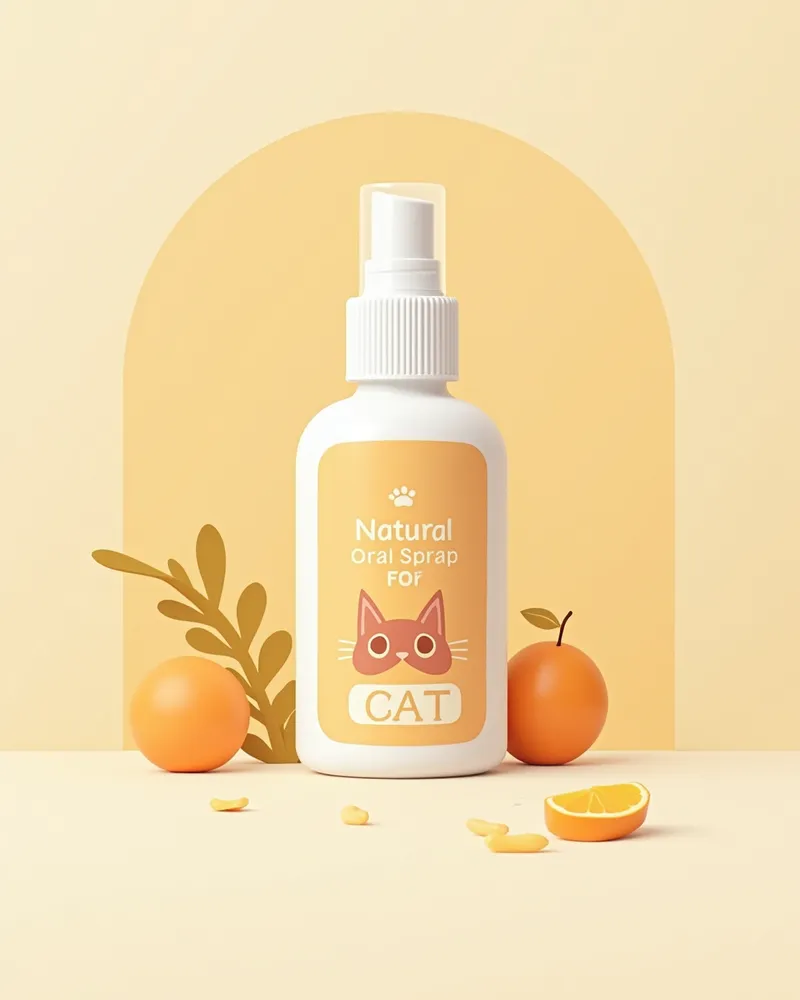
Oral ulcers are open sores that develop on the mucous membranes inside the mouth, including the tongue and gums. Cats are skilled at hiding pain, so these ulcers can be difficult to spot in the early stages. You should suspect oral ulcers if your cat is drooling excessively, having trouble eating, or frequently pawing at their mouth. Deep or widespread ulcers can make eating difficult, leading to weight loss, and secondary bacterial infections can cause the condition to worsen rapidly. If you notice any of these symptoms, it is important to have your cat examined by a veterinarian without delay.
What is the condition of a cat's oral ulcer? Related guide image

Know This 2: Diagnosing Causes and Treatment Directions
There are many possible causes of oral ulcers in cats. Common culprits include viral infections such as calicivirus and herpesvirus, immune-mediated conditions like eosinophilic granuloma complex, chronic gingivostomatitis, and uremia secondary to kidney failure. To pinpoint the exact cause, your veterinarian will need to perform an oral examination, blood tests, and, in some cases, a biopsy. Treatment depends on the underlying cause and may involve antiviral medications, anti-inflammatories, immunosuppressants, or antibiotics, all prescribed by your veterinarian. In some cases, tooth extraction or full-mouth extractions may be necessary. Please avoid self-medicating your cat, as this can be dangerous.
Guidance image on diagnosing the cause and determining the treatment approach

Know This 3: The Importance of Home Care and Veterinary Diagnosis

Oral ulcers can become chronic depending on the underlying cause, so consistent management is essential. At home, maintain your pet’s oral hygiene as directed by your veterinarian and offer soft or moistened food to help them eat comfortably without pain. It’s important not to miss regular oral check-ups and follow-up visits. Unverified supplements or home remedies found online lack proven efficacy and may even worsen the condition, so always consult your veterinarian before using them. Your veterinarian will always determine the appropriate diagnosis and treatment plan.
An informational image highlighting the importance of home care and veterinary diagnosis.

What Owners Should Know About Feline Oral Ulcers

ItemKey Points
SymptomsDrooling, decreased appetite, pawing at the mouth, weight loss
CauseVarious, including viral infection, immune disease, and kidney failure
DiagnosisIdentify the cause through oral examination, blood tests, and biopsy
TreatmentThe veterinarian decides on cause-specific prescription medication, tooth extraction, etc.
CautionDo not use unverified supplements or folk remedies

This is not a table recommending specific products or hospitals, but a reference for when consulting your veterinarian. Decisions about treatment and testing must always be made together with your veterinarian through an examination.

Excessive Use Can Actually Cause Irritation

Oral care products are strictly supplementary aids. Always follow the usage instructions listed on the product and the guidance provided by your veterinarian, and never arbitrarily increase the dosage or frequency of use. If you notice any adverse reactions such as decreased appetite, excessive drooling, scratching around the mouth, or changes in behavior, stop using the product immediately and consult your veterinarian. Please remember that the fundamental treatment for oral ulcers lies not in the product itself, but in a veterinary diagnosis and treatment targeting the underlying cause.

Usage Tip: Monitor Your Cat’s Reaction and Adjust Accordingly

When using a product for the first time, start with a small amount and carefully monitor your cat’s reaction. If mixing it into food, be aware that strong flavors or odors may cause your cat to reject it. - Start with a small test dose: Begin with a very small amount to check for any adverse reactions. - Monitor for changes: Stop use immediately if you notice signs such as food refusal, increased drooling, or changes in breath odor. - Consult your veterinarian: Always speak with your vet before switching products. - Keep regular records: During treatment, it’s important to observe and document your cat’s condition daily. - Adjust as needed: Tailor the frequency and method of use based on your cat’s individual response for best results.
Applying oral gel to a cat

Reviewed by a veterinarian

Dr. Tony — Punnawat Phongkittirak

Dr. Tony — Punnawat Phongkittirak

Veterinarian

A veterinarian who majored in veterinary medicine at Khon Kaen University, Thailand, and completed the IVSA program at North Carolina State University in the United States. Drawing on clinical experience at animal hospitals, he works in the pet healthcare field and is dedicated to building a digital care environment that connects pet parents with veterinarians.

Frequently Asked Questions

Can oral ulcers be treated?
With proper diagnosis and treatment tailored to the underlying cause, many cases can improve. However, some conditions, such as chronic gingivostomatitis, may not respond well to treatment and can be challenging to manage, making regular veterinary care essential.
Are natural-ingredient products safer?
Just because a product contains natural ingredients doesn’t necessarily mean it’s safer or proven to be effective. The cornerstone of treating oral ulcers is addressing the underlying cause and managing dental plaque. When considering any supplementary products, carefully review their ingredients and consult your veterinarian before use.
Can oral care products be mixed with food?
Yes, some products can be mixed into your pet’s food. However, always follow the usage instructions clearly stated on the product label.
What should I do if the pain is severe?
If the pain is severe, your veterinarian may prescribe pain medication. Since oral products alone may not be sufficient, we recommend visiting the clinic.
What should I do to prevent recurrence?
Regular oral hygiene and plaque control, maintaining a healthy diet, and managing stress are all important. It’s a good idea to work with your veterinarian to create a care plan.

Share

Related Guides

References

[1] Ettinger, S.J., Feldman, E.C., & Côté, E. (2017). Textbook of Veterinary Internal Medicine: Diseases of the Dog and the Cat. 8th ed. Elsevier.

[2] The Cat, Clinical Medicine and Management, 2nd Edition. (2019). Elsevier.

[3] Liptak, J.M., Withrow, S.J. (2013). Cancer of the gastrointestinal tract. In: Withrow & MacEwen’s Small Animal Clinical Oncology. 5th ed. Saunders Elsevier.

This information is based on veterinary literature and does not replace diagnosis or treatment. Please consult a veterinarian for specific health concerns.

Metapet Co., Ltd. | CEO: Park Sung-yong | Business Reg. No. 417-88-02562 | Seoul, South Korea | Customer Center

7 Signs of Feline Oral Ulcers You Shouldn't Miss, Per a Vet | Meongsiljang