Like
Share
멍실장
고양이 간 병증 예후 지표 관리 추천 BEST와 고르는 기준 총정리

7 Prognostic Indicators for Feline Liver Disease and Management Criteria Selected by Veterinarians

Liver HealthTop PicksMeongsiljang Veterinary Advisory Board

We’ve compiled the top three management recommendations and selection criteria based on key indicators for assessing prognosis in feline liver disease. Work with your veterinarian to catch early signs through regular check-ups.

What Are Prognostic Indicators for Feline Liver Disease?

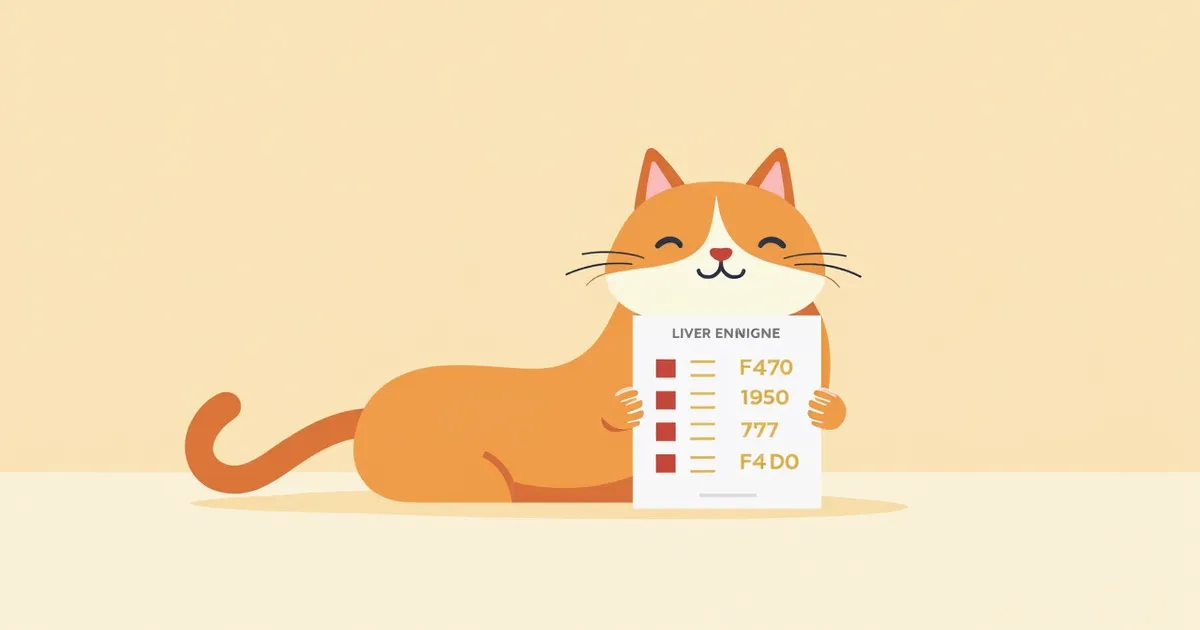
A cat undergoing a prognostic marker test for liver disease
Blood test values serve as prognostic indicators for feline liver disease, helping to assess the severity of hepatic dysfunction and the response to treatment. - Albumin levels: Albumin is a protein synthesized by the liver. In cases of acute liver failure, maintaining normal albumin levels is considered a favorable prognostic indicator for survival. Conversely, decreased levels may signal declining liver function and warrant close attention. - AST/ALT levels: These enzymes reflect hepatocellular damage. However, significantly elevated enzyme levels do not inherently indicate a poor prognosis; they must always be interpreted in conjunction with the patient’s overall clinical status. - Bilirubin levels: These may rise in cases of cholestasis or hepatic dysfunction and should be evaluated alongside other parameters. - Bile acids test: This test directly assesses liver function and is particularly useful when liver enzymes remain persistently elevated without a clear cause. Rather than relying on any single value, these indicators should be monitored regularly by a veterinarian in the context of the cat’s overall clinical condition.

Selection Criteria: Tips for Choosing a Clinic to Manage Prognostic Indicators for Feline Liver Disease

To effectively manage prognostic indicators for feline liver disease, consider the following guidelines. These criteria help you and your veterinarian develop a tailored management plan through regular check-ups.
Testing Frequency: The frequency of tests varies depending on the underlying disease and the cat’s overall health. Rather than following a rigid schedule, it is important to consistently pursue follow-up testing at intervals recommended by your veterinarian.
Comprehensive Indicator Analysis: Evaluate multiple markers together rather than relying on a single value. This includes albumin, liver enzymes (ALT and ALP), bilirubin, and bile acids.
Integration with Imaging: When blood tests alone are insufficient, use abdominal ultrasound to identify liver lesions and assess whether a liver biopsy is needed for a definitive diagnosis.
Veterinary Collaboration: The most critical factor is maintaining ongoing communication with your veterinarian so that the management plan can be adjusted based on test results.
A veterinarian and a pet owner analyzing indicators of feline liver disease together

Check 1: Verify the Clinic Has the Equipment and Testing Techniques Needed for Liver Function Assessment

To accurately assess the prognosis of feline liver disease, it is important to choose a veterinary clinic equipped to perform blood biochemistry tests (including ALT, ALP, bilirubin, and albumin), abdominal ultrasound, and, when necessary, fine-needle aspiration (FNA) or liver biopsy. Prognosis cannot be reliably determined by blood tests alone; direct visualization of the liver parenchyma and biliary structures via ultrasound is essential for a more precise evaluation. It is advisable to inquire about the clinic’s diagnostic capabilities in advance.
Check whether the clinic has the equipment and testing methods needed for liver function assessment. See the related guide image.

Check 2: Verify the Clinic Has Systematic Procedures for Determining Test Indications and Conducting Tests

Determining which tests to perform and when is part of a veterinarian’s expertise. Liver biopsies carry a risk of bleeding, so platelet counts and coagulation function must be checked beforehand. Anesthesia risk also varies depending on the cat’s overall health. Make sure the clinic thoroughly explains the risks and expected benefits to you before the procedure, and has a clear plan for monitoring your cat’s recovery afterward. Clinics with well-established protocols can help minimize the risk of complications.
Check whether the criteria for determining test indications and the procedures for conducting the tests are systematic.

Check 3: Verify the Veterinarian’s Ability to Interpret Results, Explain Prognosis, and Link to Long-Term Management

It’s important to choose a veterinarian who doesn’t just relay test results as numbers, but clearly explains the prognosis by connecting them to your cat’s overall clinical condition. The prognosis for liver disease varies significantly depending on the underlying cause (such as hepatic lipidosis, cholangiohepatitis, or lymphoma), so your vet should be able to explain the differential diagnosis and outline a comprehensive management plan. Opting for a clinic that provides a schedule for long-term follow-up tests and clear guidelines on when to return if your cat’s condition changes will greatly benefit you as a pet owner.
Check whether the clinic can interpret test results, explain the prognosis, and provide long-term care guidance. See the related guide image.

Checklist for Selecting a Clinic for Feline Liver Disease Prognostic Indicators

ItemRecommended Criteria
EquipmentCheck whether they have blood biochemistry, abdominal ultrasound, and biopsy equipment
Test OperationCheck whether safety procedures exist, such as confirming coagulation function before biopsy
Interpretation CapabilityWhether the veterinarian interprets test results in connection with the clinical condition
Result InterpretationWhether they clearly explain to the owner the prognostic differences by underlying disease
Cost GuidanceWhether they inform of itemized costs and the possibility of additional tests before testing

This is not a table recommending specific products or clinics, but criteria to reference when consulting a veterinarian. Treatment and testing decisions must always be made together with a veterinarian through examination.

Caution: Excessive Supplement Use Increases Liver Burden

Taking any supplement in excess without your veterinarian’s guidance can actually strain your pet’s body due to the side effects of drug or supplement overdose. Always follow the specific type and dosage prescribed by your veterinarian, and be sure to consult with them before starting or continuing any supplement, especially if your pet’s liver function has worsened.

Usage Tips: How to Effectively Manage Prognostic Indicators

To effectively manage prognostic indicators for feline hepatic disease, be sure to follow these tips. First, schedule regular veterinary check-ups. Second, maintain a consistent diet and supplement regimen. Third, keep a record of any changes in the indicators to facilitate more productive consultations with your veterinarian. Fourth, create a low-stress environment for your cat. Fifth, strictly adhere to the supplement dosage prescribed by your veterinarian. Sixth, consult your veterinarian immediately if you notice any sudden changes in symptoms.
A stable environment for managing feline liver disease

Reviewed by a veterinarian

Dr. Tony — Punnawat Phongkittirak

Dr. Tony — Punnawat Phongkittirak

Veterinarian

A veterinarian who majored in veterinary medicine at Khon Kaen University, Thailand, and completed the IVSA program at North Carolina State University in the United States. Drawing on clinical experience at animal hospitals, he works in the pet healthcare field and is dedicated to building a digital care environment that connects pet parents with veterinarians.

Frequently Asked Questions

What should I do if the prognostic indicators for my cat’s liver disease worsen?
If any indicators worsen, consult your veterinarian immediately. Dietary adjustments, medication changes, or alterations to the testing schedule may be necessary. Left untreated, liver function can deteriorate further.
Is it okay if the albumin level is low?
Albumin is a protein synthesized by the liver, so low levels can signal impaired liver function. In acute liver failure, maintaining normal albumin levels is considered a favorable prognostic indicator for survival; therefore, a drop in albumin warrants evaluation by a veterinarian.
Should I give my pet a cobalamin supplement every day?
Always follow the dosage and schedule recommended by your veterinarian. Do not increase the dosage on your own, and always consult with your vet before using any supplements.
Can you measure prognostic indicators for liver disease at home?
There’s no way to measure this accurately at home right now. The most reliable way to get an accurate reading is through a blood test at the veterinary clinic.
Can we stop treatment if the prognosis indicators improve?
Even if the indicators improve, stopping treatment increases the likelihood of recurrence. It's important to follow your veterinarian's instructions and maintain consistent care.

Share

Related Guides

References

[1] Clinical Medicine of the Dog and Cat, 4th Ed, 2023

[2] Feline Emergency and Critical Care Medicine, 2nd Ed, 2021

[3] The Cat: Clinical Medicine and Management, 2nd Edition, 2020

This information is based on veterinary literature and does not replace diagnosis or treatment. Please consult a veterinarian for specific health concerns.

Metapet Co., Ltd. | CEO: Park Sung-yong | Business Reg. No. 417-88-02562 | Seoul, South Korea | Customer Center

7 Prognostic Indicators for Feline Liver Disease & Care | Meongsiljang