
Like
Share
멍실장
강아지 NT-proBNP·트로포닌 심장 마커 관리 추천 BEST와 고르는 기준 총정리

7 Dog Heart Markers Explained by a Veterinarian — How to Read NT-proBNP and Troponin Levels

HeartTop PicksMeongsiljang Veterinary Advisory Board

To protect your dog’s heart health, it’s important to regularly check NT-proBNP and troponin markers. These markers help detect heart dysfunction at an early stage.

What Are NT-proBNP and Troponin Heart Markers in Dogs?
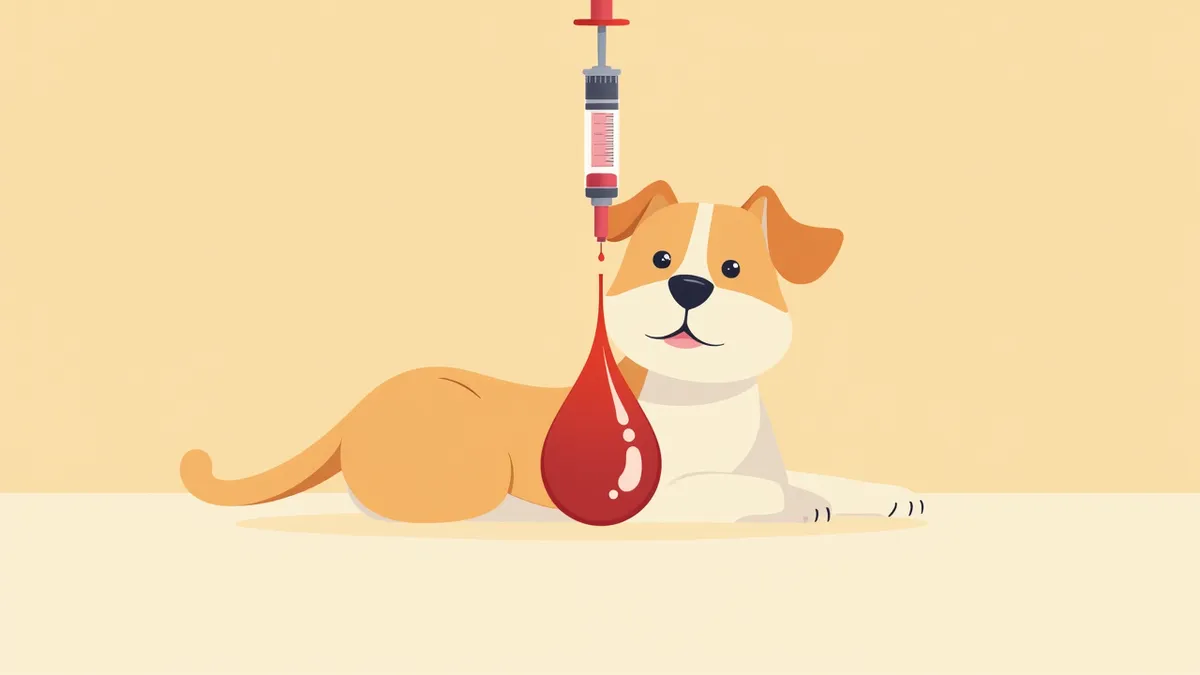
A scene showing blood being drawn from a puppy, with NT-proBNP and troponin labeled on the test tube.
NT-proBNP and troponin are biomarkers that help assess cardiac dysfunction in dogs. - NT-proBNP: This substance is released in greater amounts when heart muscle is stretched or subjected to volume or pressure overload. It serves as an adjunctive tool to support the suspicion or exclusion of heart disease. However, due to significant variation among breeds and individual dogs, this value alone is not sufficient for a definitive diagnosis. - Troponin (Troponin I): This protein leaks into the bloodstream when heart muscle is damaged. It is measured when myocardial injury or myocarditis (inflammation of the heart muscle) is suspected. These two markers reflect different aspects of cardiac issues. Regularly retesting to monitor changes in these values can help detect developments early. Work with your veterinarian to interpret the test results and consider additional testing if necessary.

Selection Criteria: Tips for Choosing a Clinic for Heart Marker Testing

To properly monitor your dog’s heart markers, accurate testing and reliable products are essential. It’s important to consult with your veterinarian to determine the appropriate timing for tests and to choose products that help interpret the results effectively.
High-accuracy testing methods: Opt for products that use testing methods aligned with veterinary standards.
Rapid result delivery: The product should provide quick results, even in emergency situations.
Veterinarian-recommended products: Choosing products validated in clinical settings ensures safety.
Highly rated by users: Products with numerous positive reviews from pet owners tend to be more trustworthy.
Cost-performance balance: Look for products priced suitably for long-term management.
A veterinarian reviewing heart marker results on a tablet, with a dog sitting beside them.

Check 1: Can They Measure NT-proBNP and Troponin?

Cardiac markers are blood tests that assess the degree of stress or damage to the heart. NT-proBNP reflects the strain on the heart muscle as it stretches, while troponin indicates myocardial injury. It’s best to choose a clinic that can measure these markers in-house or send samples to a reliable reference laboratory. However, it’s important to understand that these markers are not used alone to make a diagnosis—they’re just one part of a comprehensive cardiac evaluation. Look for a clinic that clearly explains which markers are used and in what clinical contexts.
An image with information on whether NT-proBNP and troponin can be measured

Check 2: Do They Evaluate Alongside Echocardiography and X-rays?
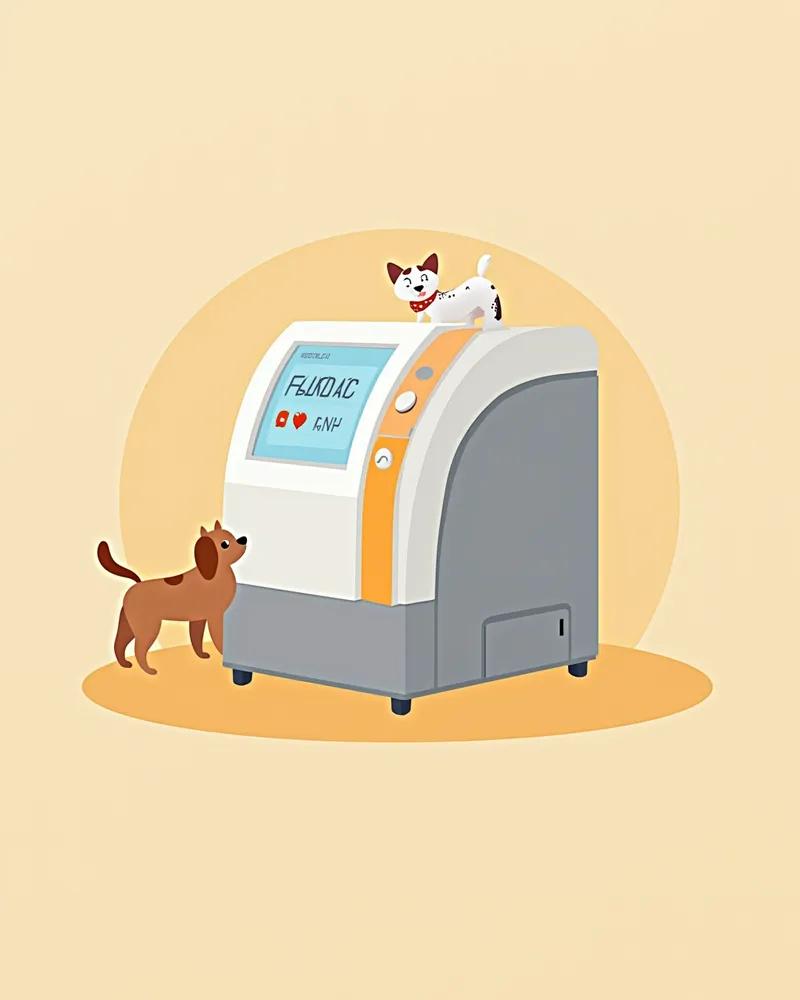
Heart markers can be helpful when symptoms such as heart murmurs, coughing, exercise intolerance, or fainting are present. They are especially useful in determining whether a cough is caused by heart or respiratory issues. However, accurate diagnosis requires additional tests like echocardiograms or chest X-rays, so it's best to choose a clinic that offers these services. Look for a place that doesn't rely solely on marker levels but instead makes a comprehensive assessment.
Images showing how to interpret echocardiograms and X-rays together

Check 3: Do They Synthesize Results to Guide Treatment?

Heart marker results only become clear when interpreted alongside other tests. It’s best to choose a clinic with a veterinarian experienced in cardiovascular care who can evaluate markers, imaging, and symptoms together to explain the stage of heart disease and the need for treatment. If follow-up is required, look for a clinic that rechecks markers at regular intervals to monitor changes and guides you on when to start or adjust medication. Also, make sure the vet explains the results in a way that’s easy for you to understand.
An illustrative guide showing how to synthesize test results and connect them to treatment.

Checklist for Choosing a Clinic for Heart Marker Testing

ItemRecommended Criteria
Test ItemsA facility that measures NT-proBNP and troponin or refers to a reliable laboratory
Test OperationA facility that evaluates comprehensively together with echocardiography, chest X-ray, etc.
Interpretation CapabilityA cardiology-experienced veterinarian who interprets by integrating markers, imaging, and symptoms
Result InterpretationA facility that explains the heart disease stage, need for treatment, and follow-up plan
Cost GuidanceA facility that informs you in advance of expected costs and the possibility of additional tests before testing

This is not a table recommending specific products or clinics, but criteria to refer to when consulting your veterinarian. Decisions on treatment and testing must always be made together with your veterinarian through an examination.

Caution: Immediate Veterinary Visit Required if Marker Levels Are Elevated

Elevated NT-proBNP or troponin levels may indicate cardiac strain or damage. However, these markers can also rise due to non-cardiac factors such as azotemia (impaired kidney function), systemic hypertension, or breed- and individual-specific variations. Therefore, diagnosis should not rely on lab values alone but should integrate clinical signs and imaging findings. Seek immediate veterinary care if your pet exhibits difficulty breathing, signs of shock, or severe lethargy.

Usage Tips: Regular Testing and Record Keeping
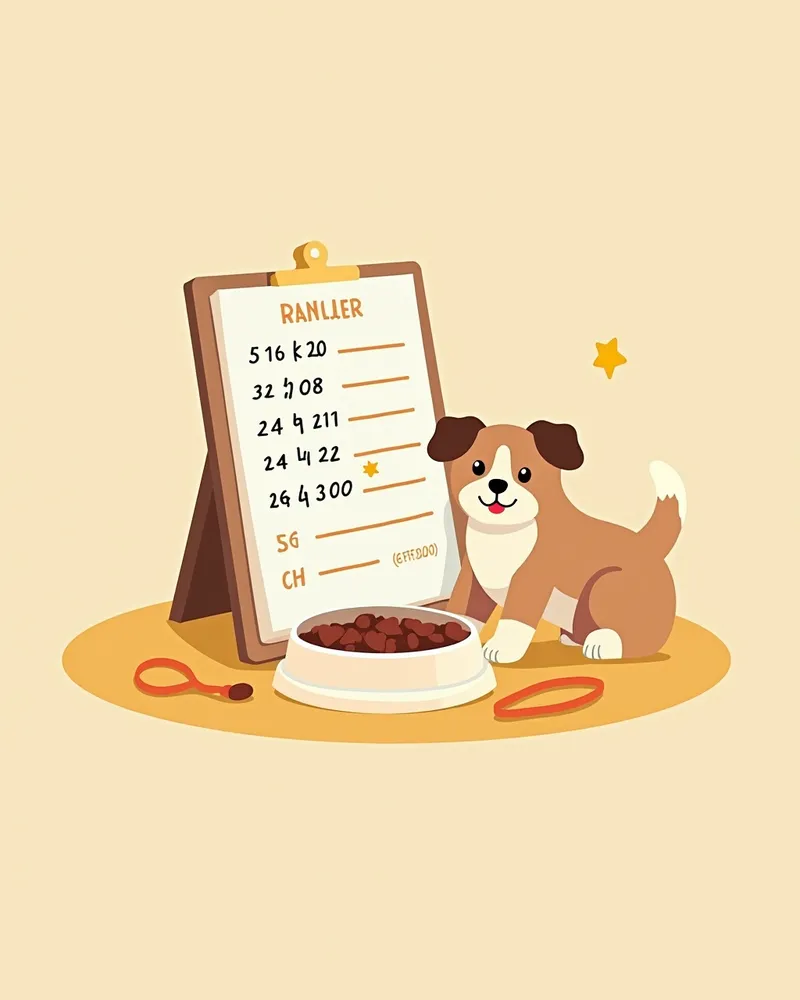
Rather than relying on a single test, it is important to consistently monitor heart marker levels at the intervals recommended by your veterinarian. This is especially true for senior dogs or those at risk of heart disease. Work with your vet to establish a regular testing schedule, keep records of the results, and track them together to easily identify any changes in the values.
How to keep records: Consistently log the test dates and corresponding values.
Share with your veterinarian: Review regular test results together with your vet.
Manage lifestyle factors: Consider both dietary adjustments and exercise.
Prepare for emergencies: Visit the clinic immediately if values rise sharply or symptoms appear.
Store records: Keep electronic or paper records for long-term reference.
A notebook recording the results and date of the cardiac marker test, placed next to the dog’s food and leash.

Reviewed by a veterinarian

Dr. Tony — Punnawat Phongkittirak

Dr. Tony — Punnawat Phongkittirak

Veterinarian

A veterinarian who majored in veterinary medicine at Khon Kaen University, Thailand, and completed the IVSA program at North Carolina State University in the United States. Drawing on clinical experience at animal hospitals, he works in the pet healthcare field and is dedicated to building a digital care environment that connects pet parents with veterinarians.

Frequently Asked Questions

Does a high NT-proBNP level always mean heart disease?
Not necessarily. While NT-proBNP levels rise when the heart is under strain, they can also be elevated due to other factors such as azotemia (indicating reduced kidney function), systemic hypertension, or breed- and individual-specific variations (for example, Labrador Retrievers may naturally have higher baseline levels than the standard reference range). Therefore, a veterinarian must make a comprehensive assessment by considering these results alongside clinical symptoms and imaging studies.
How often should senior dogs be checked?
There’s no fixed number of times. For senior dogs or those at risk of heart disease, it’s best to consult with your veterinarian to determine the appropriate screening schedule. The earlier heart disease is detected, the easier it is to manage.
Are home test kits accurate?
Accuracy may vary depending on the product. For the safest results, use a veterinarian-recommended product and have your pet retested at a clinic if the results seem unusual.
Does a high troponin level mean a heart attack?
Troponin (specifically Troponin I) rises when heart muscle is damaged, and conditions such as myocarditis (inflammation of the heart muscle), pericardial disease, or cardiac tumors can be the cause. If the levels are elevated, a veterinarian’s diagnosis is needed to accurately assess the underlying cause.
Can I feed my pet before the test?
Preparation methods vary depending on the specific tests and the veterinary clinic. While NT-proBNP and troponin tests themselves do not strictly require fasting, your veterinarian may recommend it if other blood tests are being performed concurrently. Therefore, it is best to follow your veterinarian’s instructions prior to the test.

Share

Related Guides

References

[1] Notes on Canine Internal Medicine, 4th Ed, 2023

[2] Small Animal Critical Care Medicine, 3rd Ed, 2022

[3] Textbook of Cardiovascular Medicine in Dogs and Cats, 2021

This information is based on veterinary literature and does not replace diagnosis or treatment. Please consult a veterinarian for specific health concerns.

Metapet Co., Ltd. | CEO: Park Sung-yong | Business Reg. No. 417-88-02562 | Seoul, South Korea | Customer Center

7 Dog Heart Markers: How to Read NT-proBNP & Troponin | Meongsiljang