Like
Share
멍실장
강아지 심근염 관리 추천 BEST와 고르는 기준 총정리

7 Warning Signs of Canine Myocarditis and Management Guidelines Recommended by Veterinarians

HeartTop PicksMeongsiljang Veterinary Advisory Board

Canine myocarditis is a condition in which inflammation of the heart muscle leads to impaired cardiac function. Proper management and the right choice of nutritional supplements can greatly aid treatment.

Best Recommendations and Selection Criteria for Managing Canine Myocarditis

Image showing structural changes in the heart due to myocarditis in dogs
Myocarditis in dogs is a condition where inflammation of the heart muscle leads to weakened contraction. Early detection and proper management are key to improving survival rates. After a veterinary diagnosis, nutritional supplements and lifestyle adjustments should be implemented together.
Heart function-supporting ingredients: Products containing ingredients that aid the energy metabolism of heart muscle are recommended.
Antioxidant ingredients: These help reduce oxidative stress, preventing damage to the heart.
Moderation in aerobic exercise: Excessive exercise can strain the heart, so owners should exercise caution.
Regular check-ups: Continuously monitor the condition using echocardiograms and electrocardiograms.
Managing myocarditis requires long-term care rather than short-term treatment.

Criteria for Choosing Nutritional Supplements for Canine Myocarditis Management

When choosing a nutritional supplement for managing canine myocarditis, it is essential to verify the ingredients, safety profile, and whether the product is recommended by a veterinarian. Myocarditis is an inflammatory condition caused by infections or immune responses, so please remember that veterinary diagnosis and treatment of the underlying cause are paramount, with supplements serving only a supportive role.
L-Carnitine: This ingredient helps transport long-chain fatty acids, which the heart uses as a primary energy source.
Coenzyme Q10: Involved in mitochondrial energy production and possessing antioxidant properties, this ingredient is of interest for its potential to protect heart function.
Omega-3 Fatty Acids: These are known to help reduce the production of inflammatory mediators, thereby alleviating inflammatory responses.
Glucosamine: Primarily used for maintaining joint health, there is no clear evidence supporting its efficacy for heart tissue.
Vitamin E: This is a well-known antioxidant nutrient.
For the safest choice, select products with clearly listed ingredients that are recommended by a veterinarian.
Image showing the ingredient label of a nutritional supplement for canine myocarditis

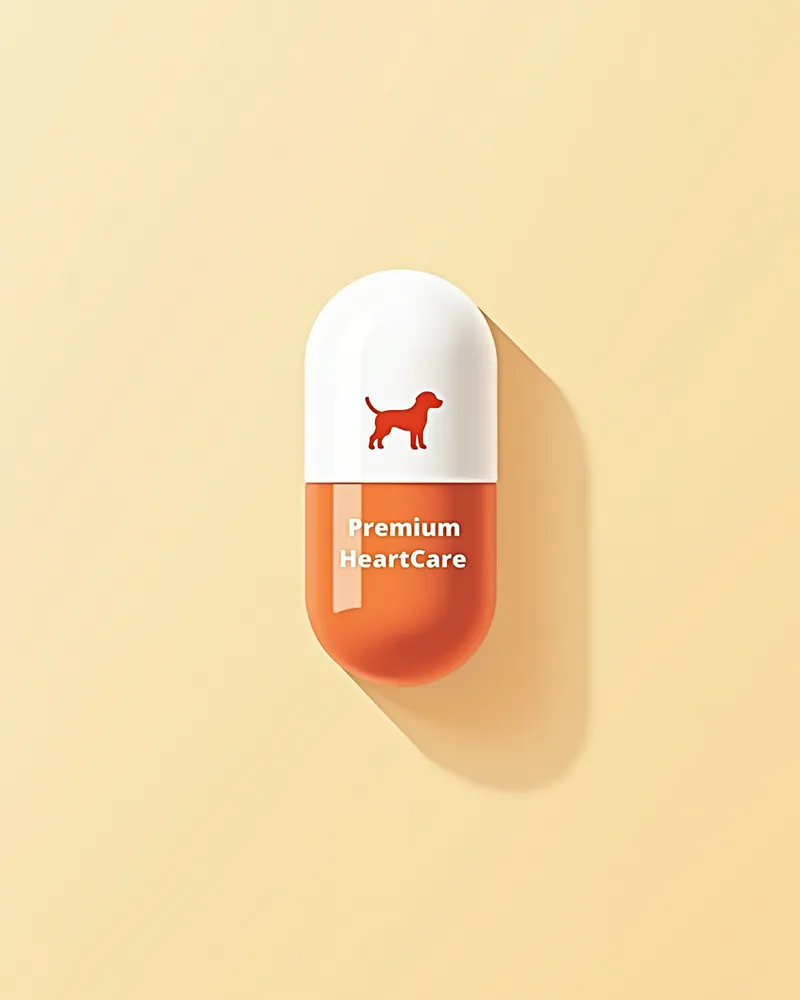
BEST 1: Premium Heart Care Capsules

Our Premium Heart Care Capsules are a highly concentrated formula centered on L-carnitine and coenzyme Q10. This specialized blend supports the energy metabolism of heart muscle, making it one of the products recommended by veterinarians. Administer one capsule daily, adjusted for your pet’s body weight, to see results.
L-carnitine 150 mg: Helps improve heart contractility.
Coenzyme Q10 50 mg: Effective in alleviating oxidative stress.
Omega-3 100 mg: Contributes to inflammation suppression.
Vitamin E 10 IU: Provides cellular protection.
Administer with meals for better absorption. Please use under veterinary guidance.
Product image of Premium Heart Care Capsules

BEST 2: Omega-3 Heart Protect Liquid

Omega-3 Heart Protect Liquid is a liquid supplement containing high-concentration omega-3 fatty acids. It is effective in reducing heart inflammation and improving blood flow. Taking it with meals enhances absorption.
Omega-3 200mg: Helps alleviate heart inflammation.
EPA 120mg: Supports vascular health.
DHA 80mg: Contributes to the protection of brain and heart cells.
Vitamin D 400 IU: Helps strengthen the immune system.
Administer 1 ml once daily. Store in the refrigerator. Use under veterinary guidance.
Image of an omega-3 heart protection liquid product

BEST 3: Natural Heart Health Complex Supplement

This natural heart health supplement combines L-carnitine, coenzyme Q10, vitamin E, omega-3, and glucosamine in natural extracts. With fewer synthetic ingredients, it is a popular choice for pet owners considering long-term use.
L-carnitine 100 mg: Supports fatty acid transport and energy metabolism in heart muscle.
Coenzyme Q10 40 mg: An antioxidant that helps protect heart function.
Vitamin E 8 IU: An antioxidant nutrient that helps protect cells.
Omega-3 80 mg: May help reduce inflammatory responses.
Glucosamine 50 mg: Primarily used for joint health; its effects on the heart are not well-established.
Administer one tablet daily. It is best given with meals and should be used under veterinary guidance.
Product image of a natural-ingredient heart health supplement

Comparison Table of Products BEST 1–3

ItemBEST 1: Premium CapsuleBEST 2: Omega-3 LiquidBEST 3: Natural-Ingredient Complex
Main ingredientsL-carnitine, CoQ10, omega-3, vitamin EOmega-3, EPA, DHA, vitamin DL-carnitine, CoQ10, vitamin E, omega-3, glucosamine
Dosage1 tablet1 ml1 tablet
How to useWith foodWith foodWith food
Storage methodStore at room temperatureStore refrigeratedStore at room temperature
Recommended forDogs with reduced cardiac functionDogs with inflammationDogs being considered for long-term use

Use under a veterinarian's guidance. If side effects occur, discontinue immediately and a hospital visit is recommended.

Precautions and Contraindications

Myocarditis management supplements should be used under the guidance of a veterinarian. To avoid potential side effects from overdose, it is important to adhere to the recommended dosage. Additionally, since these supplements may interact with heart medications, please inform your vet if your pet is currently taking any such drugs.

Tips for Managing Canine Myocarditis

Managing myocarditis requires more than just supplements; adjusting daily habits is equally important, and your efforts as a pet owner make a significant difference.
Maintain a quiet environment: Provide a calm space to minimize stress.
Avoid excessive exercise: Keep walks moderate to reduce strain on the heart.
Schedule regular check-ups: Monitor your pet’s condition with echocardiograms and electrocardiograms.
Dietary management: Avoid foods high in salt and fat, and provide a balanced diet.
Promote emotional stability: Reduce stress through a consistent routine and affectionate interaction.
Consistent care is the key to successful treatment.
Tips for Managing Myocarditis in Dogs Image

Reviewed by a veterinarian

Dr. Tony — Punnawat Phongkittirak

Dr. Tony — Punnawat Phongkittirak

Veterinarian

A veterinarian who majored in veterinary medicine at Khon Kaen University, Thailand, and completed the IVSA program at North Carolina State University in the United States. Drawing on clinical experience at animal hospitals, he works in the pet healthcare field and is dedicated to building a digital care environment that connects pet parents with veterinarians.

Frequently Asked Questions

When should I start giving my pet a myocarditis supplement?
You can start administering the medication according to the veterinarian’s instructions after receiving a diagnosis. Keep in mind that treatment for myocarditis should primarily target the underlying cause, while nutritional supplements play only a supportive role.
Is it okay to give the supplement twice a day?
As long as you don’t exceed the recommended dose, it can be administered under your veterinarian’s guidance. However, be cautious, as an overdose may cause side effects.
Is it safe to take myocarditis supplements long-term?
Myocarditis can vary in its course, sometimes presenting acutely and requiring ongoing management even after recovery. The duration of medication should be determined under the guidance of a veterinarian for safety.
Can I give my pet supplements along with heart medication?
While it’s often possible, there may be interactions, so be sure to inform your veterinarian. If your pet is on heart medication, additional checks—such as electrolyte levels—may be necessary.
How long does it take to see results after starting the supplement?
Ingredients like omega-3 fatty acids typically take about 4 to 6 weeks of consistent use before you can assess their benefits, and results vary from pet to pet. Ongoing management is essential.

Share

Related Guides

References

[1] Kaplan JL, Stern JA. Small Animal Critical Care Medicine, 3rd Ed. Elsevier, 2020.

[2] Freid KJ, et al. Retrospective study of dilated cardiomyopathy in dogs. J Vet Intern Med. 2020;35(1):58–67.

[3] Keene BW, Atkins CE. Canine Cardiomyopathy: Diagnosis and Management. Veterinary Clinics of North America: Small Animal Practice. 2021;51(3):521–540.

This information is based on veterinary literature and does not replace diagnosis or treatment. Please consult a veterinarian for specific health concerns.

Metapet Co., Ltd. | CEO: Park Sung-yong | Business Reg. No. 417-88-02562 | Seoul, South Korea | Customer Center

7 Warning Signs of Canine Myocarditis & Vet Care Tips | Meongsiljang