
Like
Share
멍실장
강아지 승모판 폐쇄부전증(MVD) 관리 추천 BEST와 고르는 기준 총정리

7 Key Management Strategies and Criteria for Canine Mitral Valve Disease (MVD) Recommended by Veterinarians

HeartTop PicksMeongsiljang Veterinary Advisory Board

Mitral valve disease (MVD) is a common heart condition in small-breed dogs, and early detection along with proper management can significantly extend their lifespan. We’ve compiled a guide to effective management products and key criteria for choosing them.

Mitral valve disease (MVD) in dogs is a common heart condition caused by impaired heart valve function.
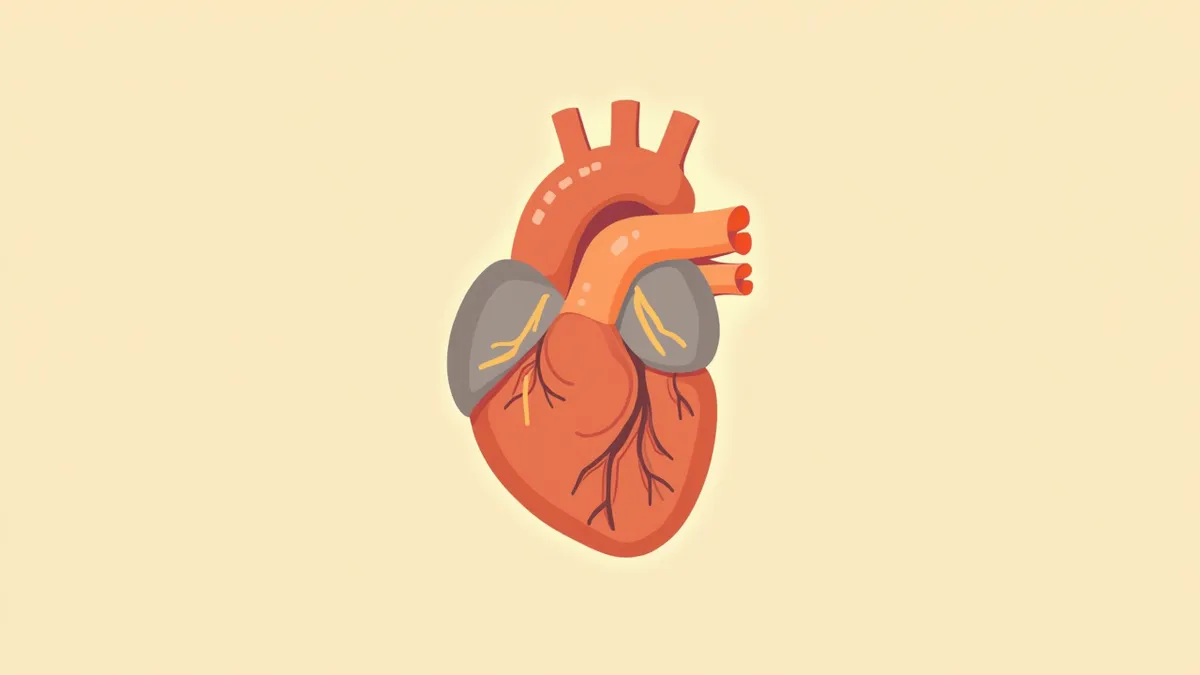
A medical image showing the structural changes in the heart associated with mitral valve insufficiency in dogs.
Mitral valve disease (MVD) in dogs occurs when the mitral valve fails to close properly, causing blood to flow backward. This condition is especially common in small-breed dogs, and the risk of developing it increases with age. In the early stages, symptoms are often minimal, making early detection very difficult. However, with regular check-ups and timely management, a dog’s lifespan can be significantly extended. To prevent decline in heart function, early diagnosis and consistent care are essential. Close collaboration with your veterinarian is the most important factor, and careful observation at home can also make a big difference.

5 Key Criteria for Choosing MVD Management Products
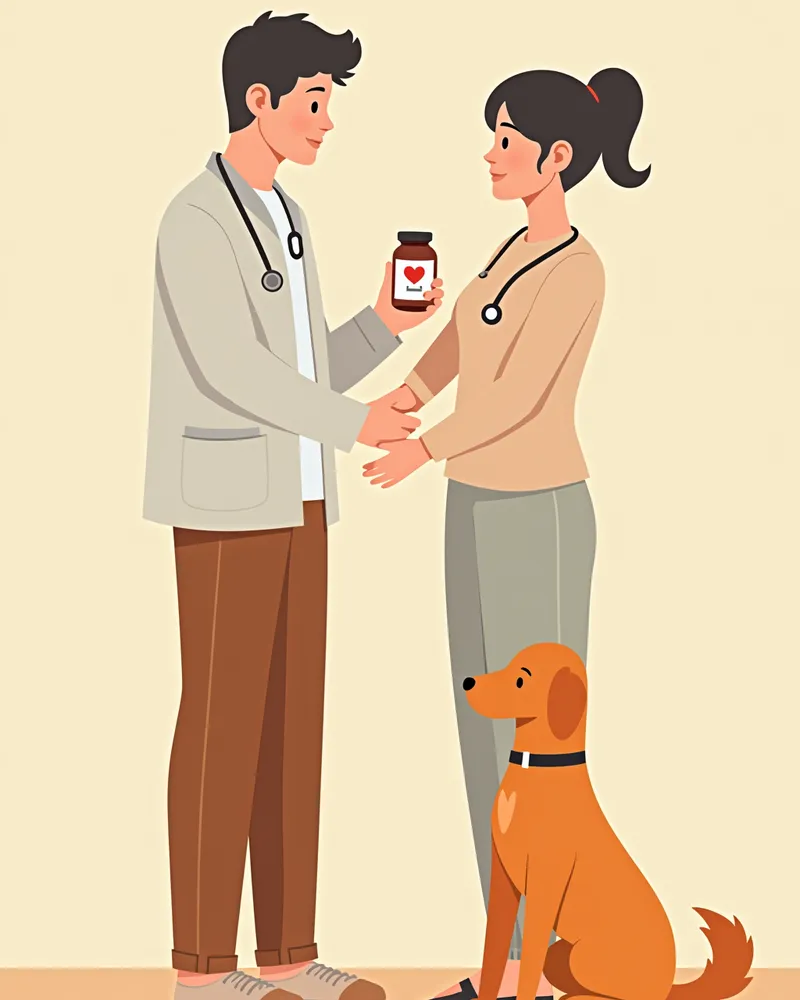
- Ingredient stability: Choose products that contain natural ingredients or clinically proven ingredients that help improve heart function. - Evidence of efficacy: Products with veterinary recommendations or clinical research results are more reliable. - Ease of administration: The easier the form, such as capsules or liquids, the simpler daily management becomes. - Minimizing side effects: Choosing naturally derived ingredients or stable combinations reduces the risk of side effects. - Veterinary recommendation: It is safest to consult with a veterinarian before selecting a product. - Long-term use potential: Since continuous care is necessary, it is important to choose a product that is safe for long-term use.
A conversation between a pet owner and a veterinarian about choosing supplements for managing a dog's heart health.

BEST 1: Primobendan + Glucosamine Heart Management Capsules
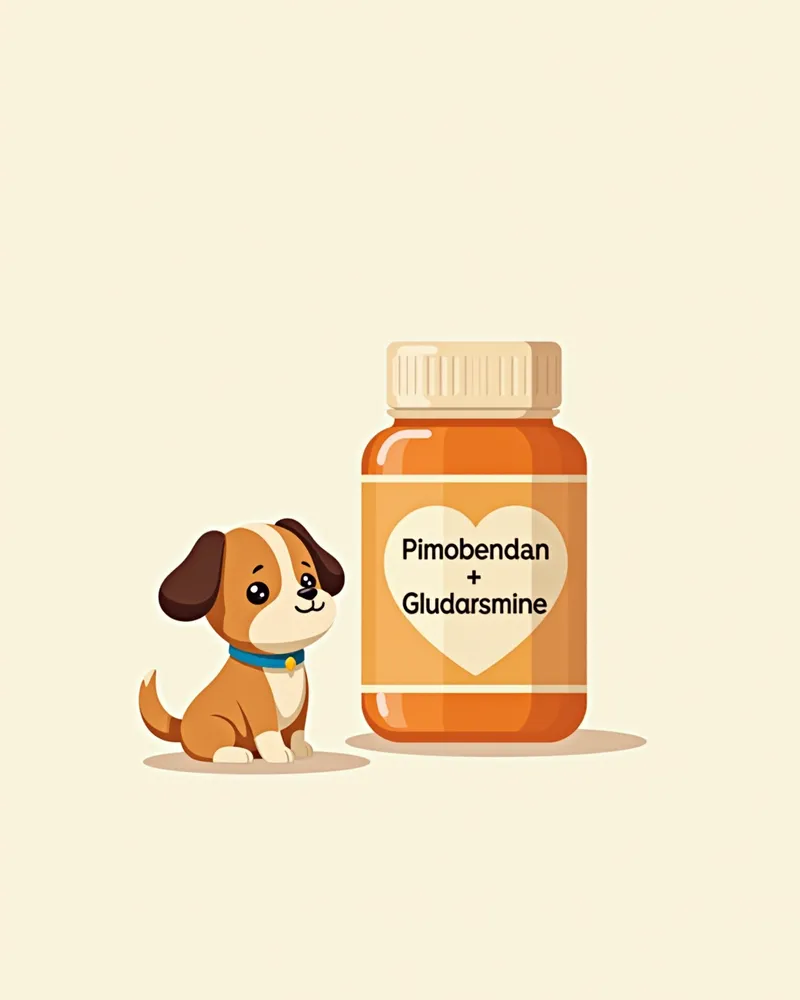
- Pimobendan: An inodilator (cardiotonic and vasodilator) that strengthens heart contractions and dilates blood vessels to reduce cardiac workload. - Glucosamine: Supports joint health and helps maintain overall mobility in small-breed dogs. - Ease of Administration: Pimobendan is typically administered twice daily at 12-hour intervals, so consistent dosing at the scheduled times is essential. - Clinical Reliability: Pimobendan is a standard recommended treatment for asymptomatic stage B2 myxomatous mitral valve disease (MMVD) and congestive heart failure. - Synergistic Effect: A combination formula that provides both cardiac support and joint protection. - Safety: Generally well-tolerated at prescribed doses, but overdose may cause anorexia, vomiting, tachycardia, and hypotension. As pimobendan is a prescription medication, it must only be used under veterinary guidance following diagnosis and regular check-ups; self-medication should be avoided.
Product image of Primobendan + Glucosamine capsules for your dog’s heart health

BEST 2: Omega-3 + Coenzyme Q10 Heart Supplement
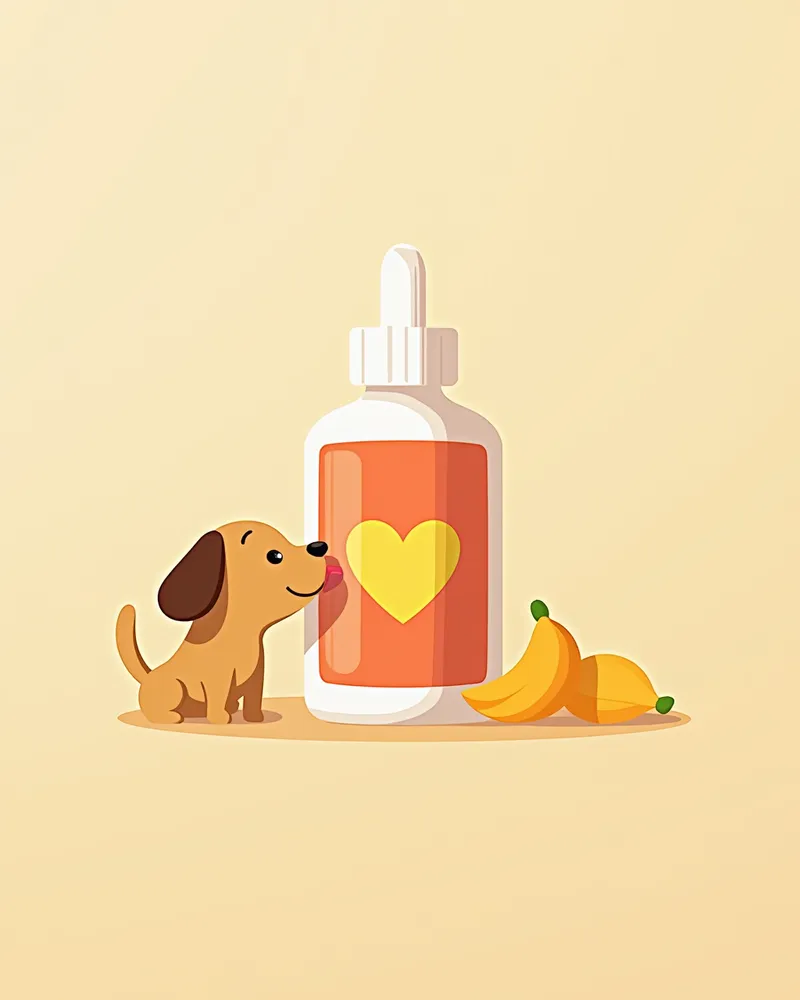
- Omega-3 fatty acids: Known to play a supportive role in managing heart disease. - Coenzyme Q10: A nutrient that may help manage heart disease, though the strength of evidence varies by ingredient. - Administration method: The liquid form makes it easy for dogs to consume. - Versatile use: Its convenient format for owners makes it suitable for daily supportive care. - Long-term management: Designed for consistent, long-term use, though effects may vary from dog to dog. - Supportive role: These supplements do not replace standard treatments like pimobendan. They should only be used as an adjunct under veterinary guidance, alongside regular check-ups.
Image of a liquid omega-3 + coenzyme Q10 supplement for canine heart health

BEST 3: Lutein + Vitamin E Heart Protection Capsules
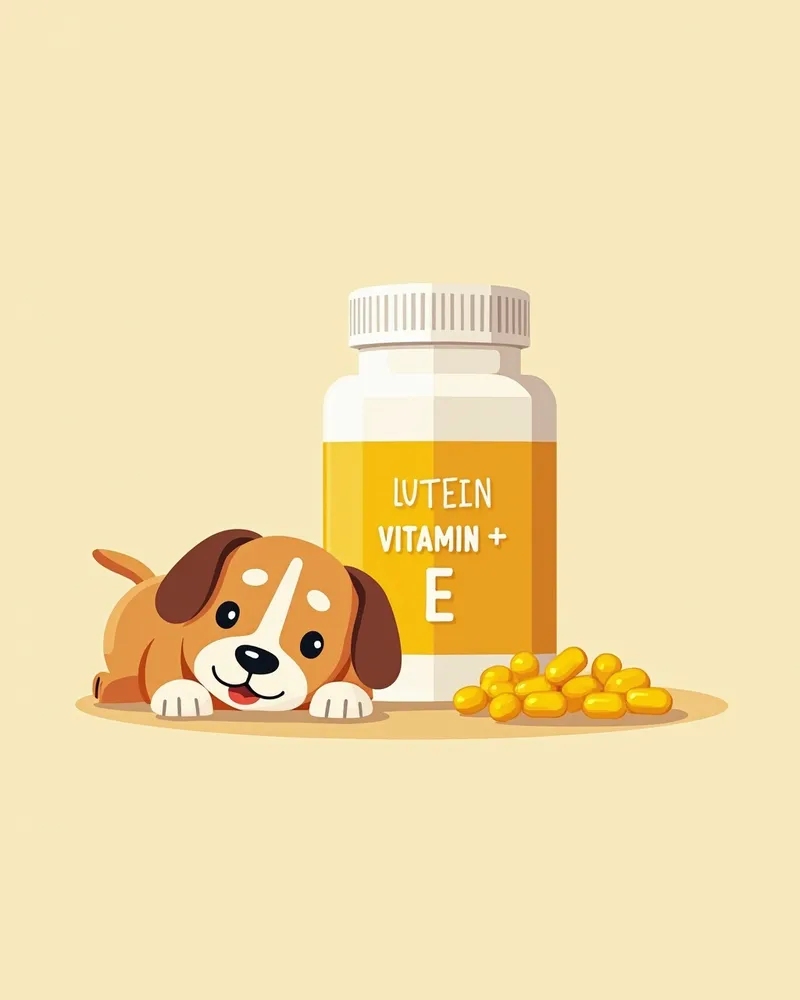
- Lutein: While lutein has antioxidant properties, direct evidence supporting its effectiveness in managing MVD is limited. - Vitamin E: As an antioxidant nutrient, some experts suggest that antioxidants may play a supportive role in managing heart disease. - Supportive Use: These supplements can be used as an adjunct in early-stage MVD or in senior dogs, but they cannot halt disease progression on their own. - Ease of Administration: The capsule format makes dosing convenient and easy to swallow. - Safety: Derived from natural sources, these ingredients are generally well-tolerated, though efficacy may vary between individual dogs. - Role as Adjunctive Therapy: Supplements cannot replace standard treatments such as pimobendan. For safety, use them only as a supplement under veterinary guidance, alongside regular check-ups and management.
Product image of Lutein + Vitamin E capsules for your dog’s heart health

Comparison Table of BEST 1–3 Products: Ingredients, Efficacy, and Administration Method

ItemProduct nameMain ingredientsMain effectsAdministration method
BEST 1Pimobendan + GlucosaminePimobendan, glucosamineImproved cardiac contractility, joint protectionCapsule (twice daily, 12-hour intervals)
BEST 2Omega-3 + Coenzyme Q10Omega-3, coenzyme Q10Adjunctive management of heart disease (limited evidence)Liquid (1 ml/day)
BEST 3Lutein + Vitamin ELutein, vitamin EAntioxidant support (limited evidence)Capsule (1 tablet/day)

Pimobendan is a veterinary prescription drug, and its standard regimen is twice daily at 12-hour intervals (0.25–0.3 mg/kg). Nutritional supplements do not replace standard treatment, and the dosage and frequency should be adjusted according to body weight and veterinary instructions.

Caution: Primobendan Requires Veterinary Consultation Before Use

Primobendan is a potent prescription medication that improves heart contractility and forward blood flow, so it’s essential to consult your veterinarian before starting treatment. Overdosing can lead to loss of appetite, vomiting, rapid heartbeat, and low blood pressure, so if you notice any unusual symptoms while your pet is taking this medication, seek veterinary care immediately. Self-prescribing and擅自 adjusting the dosage are strictly prohibited.

MVD Management Tips: 5 Practical Steps for Daily Life

- Weight management: Excess weight significantly increases the burden on the heart, so maintaining an ideal body weight is essential. - Exercise moderation: Avoid strenuous activity and instead provide regular, gentle walks of about 10 to 15 minutes per day. - Dietary adjustments: Avoid high-sodium foods and opt for a low-sodium diet that supports heart health. - Stable environment: Create a quiet, calm environment to help minimize stress. - Regular check-ups: Monitor your pet’s condition consistently through routine veterinary examinations. - Medication adherence: Strictly follow all medication instructions and visit the clinic immediately if you notice any unusual symptoms.
Image of a stable daily environment for maintaining your dog’s heart health

Reviewed by a veterinarian

Dr. Tony — Punnawat Phongkittirak

Dr. Tony — Punnawat Phongkittirak

Veterinarian

A veterinarian who majored in veterinary medicine at Khon Kaen University, Thailand, and completed the IVSA program at North Carolina State University in the United States. Drawing on clinical experience at animal hospitals, he works in the pet healthcare field and is dedicated to building a digital care environment that connects pet parents with veterinarians.

Frequently Asked Questions

Is MVD curable?
While there is currently no cure for MVD, early detection and proper management can extend your pet's life by several years. Consistent care under the guidance of your veterinarian is key.
What are the effects of Primobendan?
Primobendan is a medication that enhances the heart's contractile force and dilates blood vessels, thereby reducing the workload on the heart. It is effective in delaying the onset of heart failure associated with the progression of MVD.
When should I start giving my pet the supplement?
It’s best to consider supplements as a supportive measure after a veterinarian has detected a heart murmur or diagnosed myxomatous mitral valve disease (MVD). However, the evidence supporting supplements varies by ingredient, and they should never replace standard treatment. For safety, always consult your veterinarian to determine the appropriate timing and type of supplement.
What kind of exercise is suitable for a puppy with MVD?
Avoid strenuous exercise and stick to gentle, low-impact walks to prevent overexertion. Since they tend to prefer activities that minimize stress, quiet playtime in a calm environment is also a great option.
Can MVD management supplements be taken together with other medications?
It may interact with heart medications such as pimobendan. Be sure to consult your veterinarian before administering.

Share

Related Guides

References

[1] Ingrid Ljungvall, Jens Häggström. Myxomatous Valvular Disease. Textbook of Cardiovascular Medicine in Dogs and Cats, 2023.

[2] Ashley N. Sharpe, Lance C. Visser. Canine Myxomatous Mitral Valve Disease. Small Animal Critical Care Medicine, 3rd Ed, 2022.

[3] Joshua A. Stern, Ashley L. Walker. Pimobendan. Small Animal Critical Care Medicine, 3rd Ed, 2022.

This information is based on veterinary literature and does not replace diagnosis or treatment. Please consult a veterinarian for specific health concerns.

Metapet Co., Ltd. | CEO: Park Sung-yong | Business Reg. No. 417-88-02562 | Seoul, South Korea | Customer Center

7 Vet Tips for Managing Canine Mitral Valve Disease (MVD) | Meongsiljang