
7 Key Management Tips for Canine Patent Ductus Arteriosus (PDA) Recommended by Veterinarians
Patent ductus arteriosus (PDA) in dogs is a congenital heart disease, and early detection along with appropriate management can significantly improve survival rates. We help support a healthy life through tailored care plans and recommended products.
What is Patent Ductus Arteriosus (PDA) in Dogs?

Good to Know: Managing Patent Ductus Arteriosus (PDA) in Dogs
Good to Know 1: What is Patent Ductus Arteriosus?

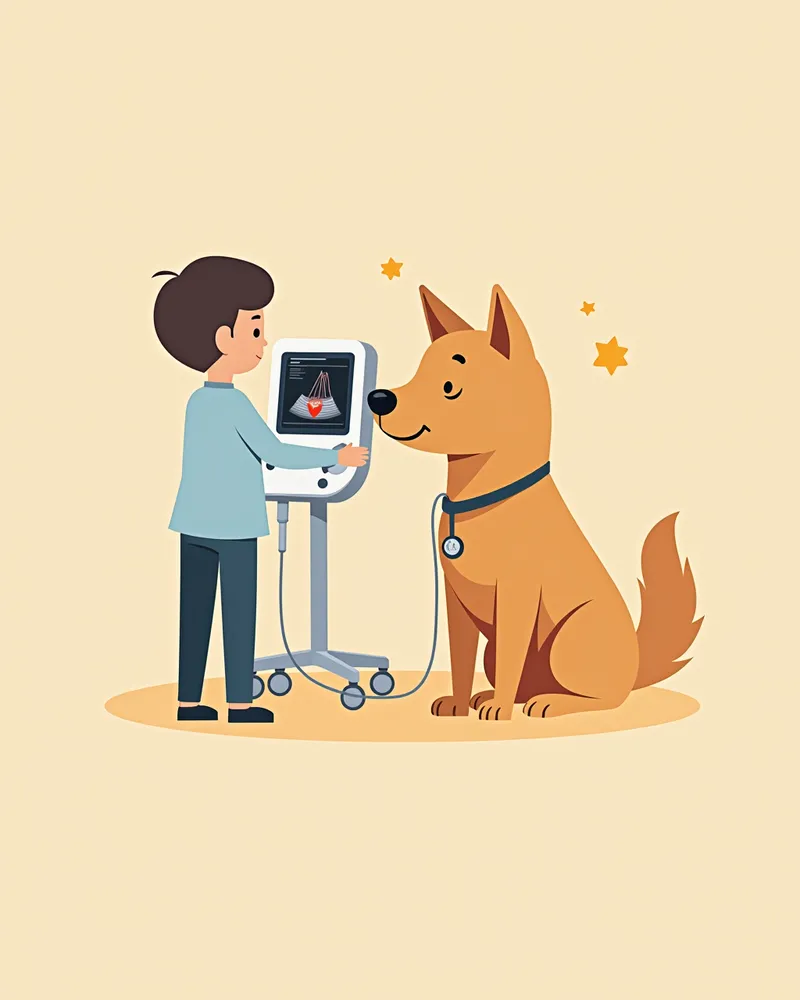
Good to Know 2: Diagnosis and Treatment Options
Good to Know 3: Post-Treatment Care and Precautions
Patent Ductus Arteriosus (PDA) in Dogs: What Owners Should Know
| Item | Key Points |
|---|---|
| Condition | The ductus arteriosus fails to close after birth, causing overload on blood circulation |
| Symptoms | Coughing, exercise intolerance, rapid breathing, poor growth, cyanosis |
| Diagnosis | Confirmed by auscultation (continuous murmur), chest radiography, and echocardiography |
| Treatment | Closure of the ductus arteriosus by ligation surgery or transcatheter occlusion |
| Management | Regular cardiac exams, adherence to prescribed medication, no use of unverified supplements |
This is not a table recommending specific products or clinics, but criteria to refer to when consulting your veterinarian. Decisions on treatment and testing must always be made together with your veterinarian through an examination.
Caution: What to Avoid When Managing PDA
Puppies with PDA should avoid strenuous activities and stress that place a heavy burden on the heart. Excessive exercise, high-temperature environments, and emotional tension can increase cardiac strain. Do not administer any medications or supplements without your veterinarian's guidance.
PDA Management Tips: 4 Things Owners Must Know

Reviewed by a veterinarian

Dr. Tony — Punnawat Phongkittirak
VeterinarianA veterinarian who majored in veterinary medicine at Khon Kaen University, Thailand, and completed the IVSA program at North Carolina State University in the United States. Drawing on clinical experience at animal hospitals, he works in the pet healthcare field and is dedicated to building a digital care environment that connects pet parents with veterinarians.
Reviewed 2026-06-03
Frequently Asked Questions
Can PDA be treated?
Can dogs with PDA go for walks?
Is PDA influenced by genetic or breed-related factors?
Can nutritional supplements or additives help with PDA?
What symptoms appear when PDA becomes more severe?
Share
Related Guides
Coenzyme Q10 Benefits and Administration Guide
Dog Pulmonary Edema Warning — 7 Best Diuretics (Furosemide) for Heart Management
7 Best Prescription Diets for Feline Heart Disease Recommended by Veterinarians — Criteria for Choosing Low-Sodium Food

Top 7 Prescription Renal Diets for Cats Recommended by Veterinarians and Selection Criteria
7 Best PKD Management Products for Cats Recommended by Veterinarians — From Symptoms to Care

7 Emergency Management Items for Feline Acute Kidney Failure Recommended by Veterinarians — From Causes to Treatment
The Best Recommended Products for Managing Feline Acute Kidney Injury (AKI) and How to Choose Them
7 Key Management Points for Maximizing the Effectiveness of Pimobendan in Dogs
7 Dog Heart Markers Explained by a Veterinarian — How to Read NT-proBNP and Troponin Levels

Veterinarian-Explained: 4 Stages of Canine Heart Failure (ACVIM) and Management Guidelines
References
[1] Textbook of Cardiovascular Medicine in Dogs and Cats, 2020
[2] Notes on Canine Internal Medicine, 4th Ed, 2018
[3] The Veterinary Workbook of Small Animal Clinical Cases, 2019