Like
Share
멍실장
강아지 운동 권장량 품종별 관리 추천 BEST와 고르는 기준 총정리

Breed-Specific Dog Exercise Guidelines: Top Recommendations and Selection Criteria

Lifestyle & Age CareTop PicksMeongsiljang Veterinary Advisory Board

A dog’s exercise needs vary greatly by breed. Proper exercise is essential for maintaining health and preventing behavioral issues. Check out breed-specific exercise management tips.

Breed-Specific Dog Exercise Guidelines: Top Recommendations and Selection Criteria

A Border Collie energetically enjoying a walk
A dog’s exercise needs vary significantly by breed. It’s important to tailor an exercise plan to your dog’s age, breed, and health status. Excessive exercise can lead to joint damage, while insufficient exercise may trigger hyperactivity or anxiety. - Exercise guidelines: Depending on activity level, 30 to 60 minutes of exercise per day is typical. Adjust based on your dog’s individual health and living environment. - Mental stimulation: Activities like training, hide-and-seek with toys, and obstacle courses are more effective than simple walks. - Weight management: Balance exercise with appropriate food intake. - Veterinary consultation: Adjust your dog’s exercise plan according to their health status. Proper exercise is essential for maintaining health and preventing behavioral issues.

5 Key Criteria to Check When Determining Your Dog’s Exercise Amount

When determining how much exercise your dog needs, it’s important to consider more than just their breed. Taking multiple factors into account will help you create a safer and more effective exercise plan.
Age: Puppies may require less intense exercise than adult dogs, but too much activity can strain their growing joints. It’s important to focus on the right frequency and intensity.
Weight and Body Type: Larger dogs should engage in shorter, more frequent sessions with moderate intensity to protect their joints. Smaller, more active breeds may benefit from shorter, more focused workouts.
Energy Level: High-energy dogs do well with several short exercise sessions throughout the day, while calmer dogs may be satisfied with just one daily activity.
Weather Conditions: On hot days, exercise in the early morning or evening, and on cold days, consider indoor activities. Be cautious to prevent heatstroke.
Health Status: If your dog has joint issues or heart conditions, work with your veterinarian to adjust the intensity and frequency of their exercise.
Comparing exercise routines for small and large dogs

BEST 1: Border Collie — High Energy and Intelligence, Mental Stimulation is Key
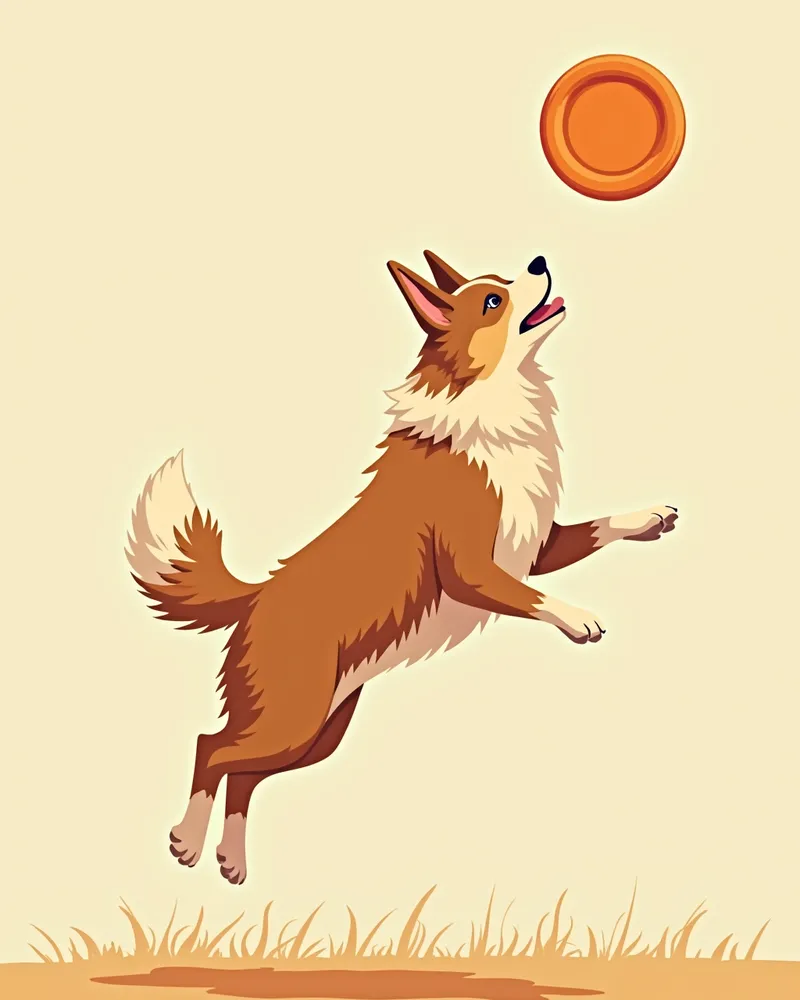
Border Collies are a highly intelligent and energetic breed that require at least 30 minutes of vigorous exercise daily. Simple walks alone are not enough to meet their needs. - Mental stimulation: Training, interactive toys, agility courses, and sports activities are ideal. - Exercise variety: Incorporate activities like fetch, tracking exercises, and race games to prevent boredom. - Preventing behavioral issues: Exercise alone may not resolve issues like anxiety. A lack of mental stimulation can lead to boredom or behavioral problems, so it’s important to combine physical exercise with mental engagement. - Creating an exercise plan: Work with your veterinarian to develop a tailored exercise plan. - Consistent involvement: Understanding your Border Collie’s temperament and staying consistently engaged with them is key.
A Border Collie running to catch a Frisbee.

BEST 2: Labrador Retriever — Active Walks and Swimming are Best

Labrador Retrievers are friendly and active dogs that typically need 30 to 60 minutes of exercise each day. Activities like walking, running, fetch, and swimming are all great options. Swimming is especially beneficial because it’s easy on the joints while providing a full-body workout. - Weight Management: Overfeeding and lack of exercise can lead to obesity. - Mental Stimulation: Mixing training into play sessions, like fetch, can improve focus. - Exercise Routine: Exercising at consistent times helps stabilize your dog’s circadian rhythm. - Reward Methods: Offering treats during training is an effective way to reward your dog. Regular exercise greatly supports physical fitness and behavioral improvement.
A Labrador Retriever fetching a ball from a lake

BEST 3: Terrier — Short, High-Focus Exercises are Effective

Terriers are small but highly active breeds, typically requiring 30 to 60 minutes of exercise daily. They thrive on mentally stimulating activities such as treasure hunts, training games, and tunnel runs. Focused, attention-building games are often more effective than long walks. Since they can tire easily, it’s best to break exercise into 10- to 15-minute intervals. Keep in mind that overstimulation can lead to stress, so moderation is key.
A terrier is in the middle of a toy-finding game.

Comparison Table of Recommended Exercises for BEST 1–3 Dogs

ItemRecommended daily exerciseRecommended activitiesPrecautions
Border Collie30+ minutes (high-intensity exercise)Training, agility courses, sportsMental stimulation essential, avoid excessive exercise
Labrador Retriever30–60 minutesWalking, swimming, ball fetchingWeight management important, diet control needed
Terrier30–60 minutesGames, toy searching, tunnel passingShort focused exercise, watch for overstimulation

Exercise amount should be adjusted according to weight, age, and health condition. Decide after consulting your veterinarian.

Caution Against Excessive Exercise! Risk of Joint Damage

Large breeds are especially prone to joint strain during their growth phase. Overusing or placing excessive stress on the joints can lead to cartilage degeneration or developmental joint diseases, so caution is essential. Aim for moderate exercise that leaves your dog slightly tired rather than completely exhausted, keeping sessions short, frequent, and at a moderate intensity. If you notice your dog’s legs wobbling while walking or avoiding jumping, consult a veterinarian immediately.

5 Tips for Managing Your Dog’s Exercise

Exercise is more than just physical activity—it’s a cornerstone of emotional well-being and overall health. To help you manage your pet’s exercise routine effectively, try these tips:
Pre-Exercise Preparation: Warm up with 5 to 10 minutes of stretching or a gentle walk to help regulate body temperature.
Post-Exercise Recovery: Ensure your pet drinks plenty of water and do light stretches to help relax their muscles.
Seasonal Adjustments: In summer, schedule exercise for early morning or evening; in winter, supplement with indoor activities.
Vary Activities: Repeating the same routine can lead to boredom. Introduce new toys or change up the route to keep things interesting.
Track Progress: Keep a log of exercise duration and your pet’s condition, like a daily journal, to easily monitor changes over time.
A dog owner keeping track of their dog’s exercise routine.

Reviewed by a veterinarian

Dr. Tony — Punnawat Phongkittirak

Dr. Tony — Punnawat Phongkittirak

Veterinarian

A veterinarian who majored in veterinary medicine at Khon Kaen University, Thailand, and completed the IVSA program at North Carolina State University in the United States. Drawing on clinical experience at animal hospitals, he works in the pet healthcare field and is dedicated to building a digital care environment that connects pet parents with veterinarians.

Frequently Asked Questions

How much exercise does a dog need per day?
A daily exercise routine of 30 to 60 minutes is generally recommended. However, the ideal amount varies depending on breed, age, weight, and overall health, so it's important to tailor the intensity and duration to each individual dog. As a general rule, active dogs typically need at least 30 minutes of physical activity each day.
Do small dogs need exercise too?
Yes, even small, active breeds need about 30 to 60 minutes of exercise per day. Since mental stimulation is important, it may be more effective to have them engage in short bursts of activity several times throughout the day.
What should I do if my pet looks tired after exercise?
It could be due to excessive exercise. Reduce the duration of physical activity, ensure your pet has plenty of water, and allow them to rest. If the symptoms persist, consult your veterinarian.
Is it okay to exercise on hot days?
On hot days, it’s safest to exercise your pet in the morning or evening. Avoid midday workouts, as the heat can put undue stress on their body. When temperatures are high, reduce the intensity of exercise and offer water frequently.
Is exercise possible for puppies with weak joints?
Yes, it’s possible. Lower the intensity and opt for swimming or light walks. It’s best to consult with your veterinarian to create a customized exercise plan.

Share

Related Guides

References

[1] National Research Council. (2006). Nutrient Requirements of Dogs and Cats. National Academies Press.

[2] Plumb's Veterinary Drug Handbook (9th ed.). (2022). Wiley-Blackwell.

[3] American Kennel Club. (2023). Breed Standards and Exercise Needs. AKC.org.

This information is based on veterinary literature and does not replace diagnosis or treatment. Please consult a veterinarian for specific health concerns.

Metapet Co., Ltd. | CEO: Park Sung-yong | Business Reg. No. 417-88-02562 | Seoul, South Korea | Customer Center

Best Dog Exercise Guidelines by Breed: How to Choose the Right Amount | Meongsiljang