
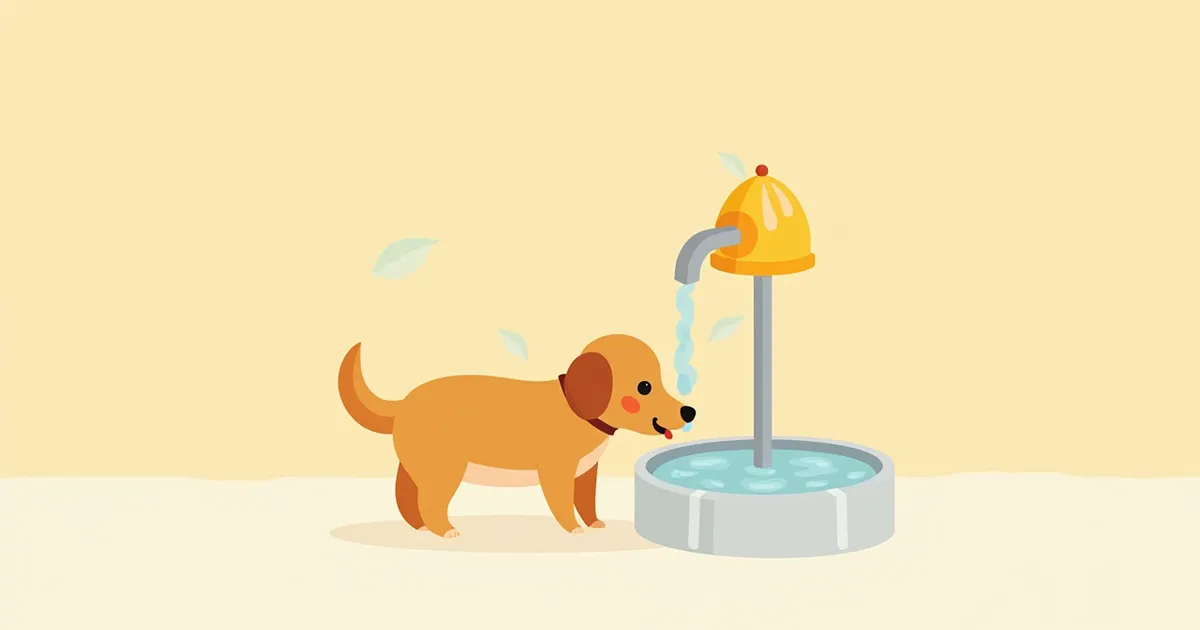
The Ultimate Guide to Increasing Your Dog’s Water Intake: Management Tips, Recommended Products, and Selection Criteria
Insufficient water intake in dogs increases the risk of urinary tract diseases. You can naturally encourage hydration through proper management techniques and recommended products.
Increasing Your Dog’s Water Intake Is Key to Healthy Urinary Tract Function
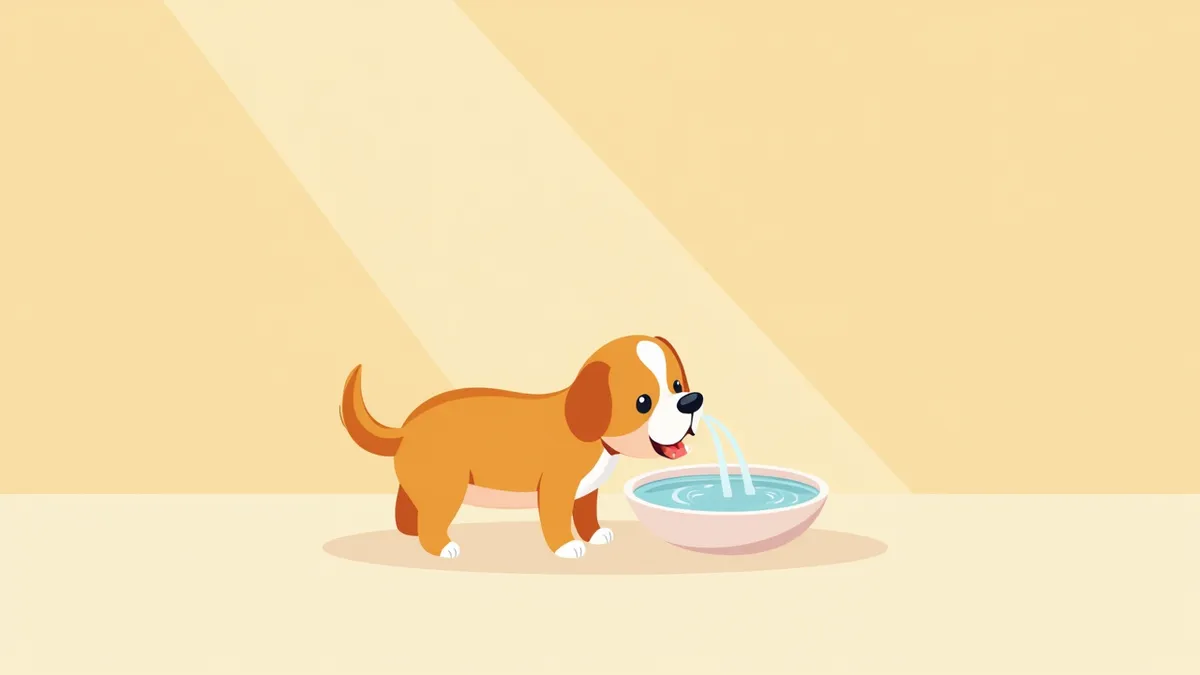
5 Criteria for Choosing Methods to Increase Your Dog’s Water Intake

BEST 1: Pump-Type Automatic Water Fountain (Flowing Water Design)

BEST 2: Height-Adjustable Stainless Steel Water Bowl

BEST 3: Flavoring Water Supplement (Mix-In Type)

Comparison Table of BEST 1–3 Products
| Item | Pump-Type Automatic Water Dispenser | Height-Adjustable Stainless Steel Water Bowl | Flavor-Added Supplement |
|---|---|---|---|
| Main Advantages | Draws interest with flowing water, continuous supply | Comfortable for dogs with low jaws, bacteria-resistant | Encourages water-drinking habits, easy to use |
| Disadvantages | Requires electricity, possible noise | Large size requires space | Response varies depending on flavor |
| Recommended Dog Type | Dogs that dislike water, highly active dogs | Breeds with low jaws, senior dogs | Dogs without a water-drinking habit |
| Price Range | $10 to $20 | $10 to $10 | $10 to $10 |
Prices are average market prices as of 2024. Product performance references veterinarian recommendation criteria.
Caution: Excessive Water Intake Can Be Dangerous
For generally healthy dogs, it’s best to allow free access to water and avoid restricting it unnecessarily. However, if a dog has been dehydrated for a long time or has been highly active in hot conditions, rapidly replenishing large amounts of water can be problematic. In particular, if blood sodium levels are significantly elevated, correcting this too quickly can lead to serious complications such as cerebral edema or seizures. Therefore, rehydration should be done gradually. In such cases, it’s safer to follow a veterinarian’s guidance to ensure proper rehydration at an appropriate rate rather than attempting to manage it on your own. Before increasing water intake, it’s important to first assess your dog’s overall health status.
Tips for Using Methods to Increase Your Dog’s Water Intake

Reviewed by a veterinarian

Dr. Tony — Punnawat Phongkittirak
VeterinarianA veterinarian who majored in veterinary medicine at Khon Kaen University, Thailand, and completed the IVSA program at North Carolina State University in the United States. Drawing on clinical experience at animal hospitals, he works in the pet healthcare field and is dedicated to building a digital care environment that connects pet parents with veterinarians.
Reviewed 2026-06-29
Frequently Asked Questions
My dog isn’t drinking water. What should I do?
Do water pump-style fountains make a lot of noise?
Are flavor additives safe for your pet’s health?
Can senior dogs use a water pump-style water dispenser?
Should I clean the water bowl every day?
Share
Related Guides

Top 5 Prescription Diets for Feline FLUTD — Comparison by Struvite and Calcium Oxalate Stones

Top 7 Prescription Diets for Feline Bladder and Urinary Tract Health Recommended by Veterinarians — Including Selection Criteria

Top 5 Cranberry Urinary Supplements for Dogs — Preventing Cystitis

Must-Do Before Bringing Home a Second Dog: 7 Best Ways to Reduce Adjustment Stress in Dogs
Veterinarian-Recommended Top 7 Management Methods for Canine Excessive Excitement and Impulse Control, Plus Selection Guidelines
7 Potty Training Tools Recommended by Veterinarians for Managing Indoor Elimination Mistakes in Dogs

Depressed Dog After Losing a Companion — Top 7 Grief Care Items and Selection Criteria

Puppy Growling at Food Bowl — Top 7 Solutions for Food-Resource Guarding Aggression

7 Best Management Strategies for Excessive Dog Barking Recommended by Veterinarians and How to Choose

7 Best Management Strategies for Dog-on-Dog Aggression Recommended by Veterinarians and How to Choose
References
[1] Notes on Canine Internal Medicine, 4th Ed, 2023
[2] Urinalysis in the Dog and Cat, 2022
[3] Plumb's Veterinary Drug Handbook, 9th Ed, 2021