Like
Share
멍실장
고양이 횡격막 탈장 관리 추천 BEST와 고르는 기준 총정리

Best Recommended Products and Selection Criteria for Managing Feline Diaphragmatic Hernia

RespiratoryTop PicksMeongsiljang Veterinary Advisory Board

A diaphragmatic hernia in cats is a condition in which internal organs protrude into the thoracic cavity through the diaphragm, making early diagnosis and proper management essential. This article outlines effective management strategies and recommended products.

What Is a Feline Diaphragmatic Hernia?
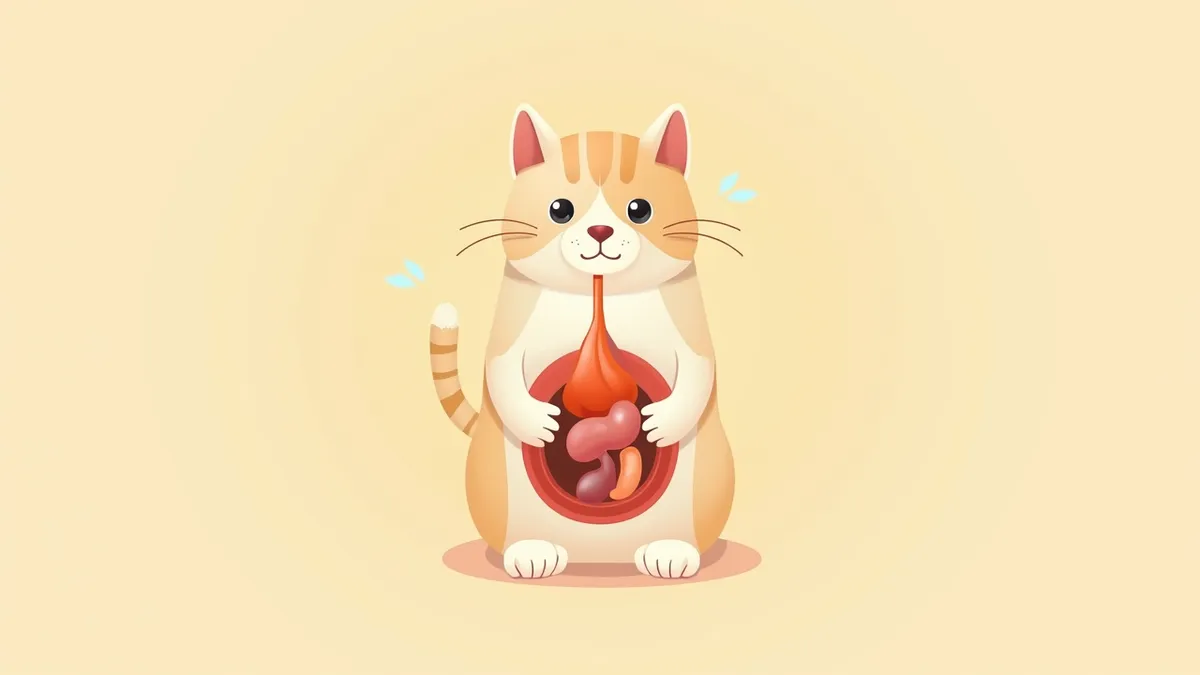
An anatomical diagram of a cat showing internal organs displaced into the thoracic cavity due to a diaphragmatic hernia.
A diaphragmatic hernia in cats occurs when a structural defect in the diaphragm allows abdominal organs to shift into the chest cavity. This condition can lead to breathing difficulties due to impaired lung function, pressure on the heart, and loss of appetite. It most commonly occurs after severe trauma, such as a car accident or a fall from a height, though congenital cases also exist. Early diagnosis and appropriate surgical treatment are essential for improving survival rates.

Key Information: Managing Feline Diaphragmatic Hernia

When choosing products to manage a cat’s diaphragmatic hernia, prioritize safety, ease of administration, and whether the product is recommended by a veterinarian. After surgery, gastrointestinal function may temporarily decline, making balanced nutrition essential. Dietary adjustments and nutritional supplementation to support postoperative recovery should be carried out strictly according to your veterinarian’s instructions. Only use veterinarian-recommended diets or supplements, as they are based on clinical evidence; avoid selecting products on your own or altering dosages without professional guidance.
A cat eating recovery food after surgery

Key Information 1: What Is a Diaphragmatic Hernia?

A diaphragmatic hernia occurs when a defect develops in the diaphragm, the muscle separating the chest and abdominal cavities, allowing abdominal organs to shift into the chest cavity. In cats, this condition is most commonly caused by severe trauma, such as being hit by a car or falling from a height, though it can also be congenital. When displaced organs compress the lungs, it leads to difficulty breathing; in severe cases, the cat may breathe with its mouth open or develop cyanosis (bluish discoloration of the skin and mucous membranes). Abdominal pain, vomiting, and loss of appetite may also occur. Because this is a medical emergency, you should contact your veterinarian immediately if you notice any of these symptoms.
What is a diaphragmatic hernia? Related guide image

Key Information 2: How Is It Diagnosed and Treated?

Diagnosis is made by using chest X-rays and ultrasound to identify the diaphragmatic defect and any abdominal organs that have herniated into the thoracic cavity. If needed, a CT scan can provide a more detailed assessment. Treatment primarily involves surgery to return the displaced organs to the abdominal cavity and suture the diaphragmatic defect. However, if the patient’s respiratory status is unstable, oxygen therapy and stabilization measures are implemented first, with the timing of surgery determined accordingly. The specific surgical approach and anesthesia risk are assessed and decided by the veterinarian based on professional judgment.
How is it diagnosed and treated? Related guide image

Key Information 3: Post-Surgical Care and Precautions for Pet Owners

After surgery, we monitor for any residual air or fluid in the chest cavity and perform thoracentesis or drainage if necessary. During the recovery period, restrict your pet’s activity and frequently observe their breathing rate and pattern. Pain management and antibiotic administration must follow the veterinarian’s prescription; do not change or discontinue medications without professional guidance. Regular check-ups are essential to detect any recurrence or complications. Avoid using supplements or home remedies not recommended by your veterinarian, as they can be dangerous.
Guide image on post-operative care and precautions for pet owners

What Pet Owners Should Know About Feline Diaphragmatic Hernia

ItemKey points
ConditionAbdominal organs displaced into the thoracic cavity through a diaphragmatic defect
CauseTrauma (accidents, falls) is the main cause; congenital cases also occur
DiagnosisConfirming the defect site with X-ray, ultrasound, or CT
TreatmentSurgery to restore the organs and suture the diaphragm is the standard
CautionPostoperative activity restriction, adherence to prescribed medication, and regular checkups are essential

This is not a table recommending specific products or hospitals, but a reference for when you consult your veterinarian. Treatment and testing decisions must always be made together with your veterinarian through an examination.

Caution: Side Effects May Occur with Overdose

Post-surgical care involves more than just adjusting your pet’s diet; it requires careful management of their overall environment. Maintain a quiet environment: Allow your pet to rest in a calm, quiet space to minimize stress. Feed small, frequent meals: To reduce the burden on the digestive system, offer smaller portions several times a day rather than large meals. Consult your veterinarian to determine the appropriate portion sizes and feeding frequency. Restrict activity: Avoid strenuous activities such as jumping or running during the recovery period. Your veterinarian will assess your pet’s condition and provide specific guidelines on the duration of activity restrictions. Attend regular check-ups: Keep all scheduled veterinary appointments to monitor your pet’s post-surgical progress and check for any changes or signs of recurrence.

Usage Tips: 3 Essentials of Post-Operative Care

Post-operative care involves more than just changing your pet’s diet; it requires careful management of their overall environment. Maintain a quiet environment: Allow your pet to rest in a calm, quiet space to minimize stress. Feed small, frequent meals: To reduce strain on the digestive system, offer small portions several times a day rather than large meals. Restrict activity: Limit activities such as jumping or running during the recovery period. Your veterinarian will specify the exact duration based on an assessment of your pet’s healing progress. Attend regular check-ups: Keep all scheduled veterinary appointments to monitor for any signs of recurrence.
A cat resting comfortably in a quiet environment

Reviewed by a veterinarian

Dr. Tony — Punnawat Phongkittirak

Dr. Tony — Punnawat Phongkittirak

Veterinarian

A veterinarian who majored in veterinary medicine at Khon Kaen University, Thailand, and completed the IVSA program at North Carolina State University in the United States. Drawing on clinical experience at animal hospitals, he works in the pet healthcare field and is dedicated to building a digital care environment that connects pet parents with veterinarians.

Frequently Asked Questions

Is diaphragmatic hernia curable?
With surgery and proper care, most pets can have a good prognosis. Early diagnosis and post-operative recovery management are key.
How long does the recovery period after surgery take?
The recovery period can vary depending on the cat's condition and the extent of the injury. Gradually increase activity as directed by your veterinarian.
What are some ways I can manage this at home?
It’s important to maintain a quiet environment, offer small, frequent meals, limit physical activity, and schedule regular check-ups. Consistently administering the supplements recommended by your veterinarian can also be helpful.
Is the likelihood of recurrence high?
With proper suturing techniques and post-operative care, the likelihood of recurrence is generally low. However, it can vary depending on the cat's body type and history of trauma, so careful attention is necessary.
Can I give my pet supplements without consulting a veterinarian?
Administering supplements without a veterinarian’s guidance can be risky. Always consult your vet before giving them to your pet.

Share

Related Guides

References

[1] Hoskins, J.D. et al. (2018) Textbook of Respiratory Disease in Dogs and Cats. 2nd ed. Wiley-Blackwell.

[2] Lambert, D. et al. (2020) Diaphragmatic Hernia in Cats: Clinical Features and Management. Journal of Feline Medicine and Surgery, 22(5), 412–420.

[3] American College of Veterinary Surgeons (ACVS). (2021) Guidelines for Management of Diaphragmatic Hernias in Companion Animals.

This information is based on veterinary literature and does not replace diagnosis or treatment. Please consult a veterinarian for specific health concerns.

Metapet Co., Ltd. | CEO: Park Sung-yong | Business Reg. No. 417-88-02562 | Seoul, South Korea | Customer Center

Feline Diaphragmatic Hernia: Best Products & Care Criteria | Meongsiljang