Like
Share
멍실장
고양이 구취(할리토시스) 관리 추천 BEST와 고르는 기준 총정리

Why Is My Cat’s Bad Breath So Bad? — A Complete Guide to Causes and Management Criteria

Oral HealthTop PicksMeongsiljang Veterinary Advisory Board

Feline bad breath can be caused by dental disease, stomatitis, kidney disease, and other conditions. We’ve outlined the key criteria for selecting effective management products and our top three recommendations.

Feline Halitosis Is a Warning Sign of Dental and Oral Health

A cat with healthy gums and clean teeth
Feline bad breath is not merely an odor issue; it can be a sign of serious conditions such as periodontal disease, stomatitis, or kidney disease. When bacteria overgrow in the mouth, plaque forms, and if this progresses to periodontal disease, teeth may become loose or fall out. - Oral Health: The most important step is removing plaque and bacteria from the tooth surfaces, which requires consistent care. - Prevention-Focused: It is essential to establish habits for managing oral health before bad breath develops. - Safety First: Using cat-specific products helps avoid exposure to toxic ingredients. - Consistency: Regular daily care at home, such as brushing, helps prevent or reverse gum issues like gingivitis. Early management significantly supports overall health maintenance.

Key Takeaway: How to Check for Feline Halitosis
When choosing a product to manage bad breath in cats, carefully evaluate the safety and efficacy of its ingredients, ease of use, and whether it comes into direct contact with the teeth. - Ingredient safety: Select products formulated specifically for cats that do not contain toxic ingredients. - Duration of effect: Consistent daily use is more beneficial for managing plaque and tartar than short-term treatments. - Method of application: It is important to choose a format—such as wipes, treats, or liquids—that suits your cat’s preferences. - Veterinarian-recommended products: Products recommended by professionals carry a higher degree of trust. - Verified products: Rather than focusing on ingredient rankings, look for products that meet established criteria for reducing plaque and tartar, such as those with VOHC certification. Consistent use is key to seeing results.
The cat in charge of dental care treats for cats

Key Point 1: The Most Common Cause of Halitosis Is Oral Issues

The most common cause of worsening bad breath in cats is oral diseases such as periodontitis, dental issues, or stomatitis. When inflammation develops in the gums and tartar builds up, bacteria multiply, leading to odor. Therefore, halitosis is not merely a smell issue but can be a sign of oral health problems. However, conditions outside the mouth, such as kidney disease, diabetes, or digestive issues, can also produce distinctive odors. If the bad breath suddenly worsens, it is important to investigate the underlying cause.
The most common cause of bad breath is oral health issues.

Key Point 2: How to Monitor and Manage at Home

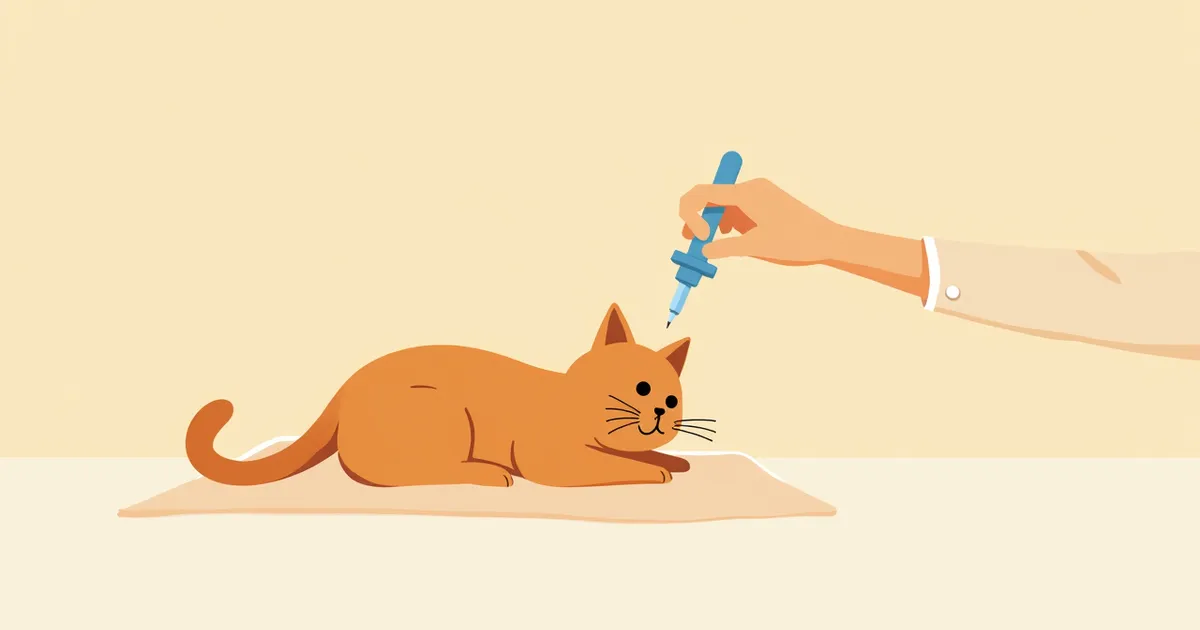
Keep track of your pet’s usual breath odor and any changes, while also checking for gum color and swelling, tartar buildup, drooling, and whether they chew on only one side. This helps identify the cause. Regular oral care, such as brushing, reduces tartar and inflammation, helping prevent bad breath. However, if the odor is strong or the gums appear red and inflamed, home care alone may not be enough, so it’s best to have a veterinarian examine their oral health.
Guide image on how to monitor and care for your pet at home

Key Point 3: Veterinary Examination and Treatment of the Underlying Cause May Be Necessary
If bad breath persists, we’ll examine your pet’s mouth at the clinic and, if needed, perform scaling or other treatments under anesthesia to address the underlying cause. If there are no oral issues but the odor remains, we may run blood and urine tests to check for systemic conditions such as kidney disease or diabetes. Rather than simply masking the smell, it’s important to identify and resolve the root cause. If you notice a loss of appetite or changes in weight along with the odor, please consult your veterinarian for a more thorough evaluation.
A veterinary examination and targeted treatment may be necessary. See the related guide image.

Key Points for Managing Feline Halitosis

ItemKey points
Main causeOral diseases such as periodontitis, dental problems, and stomatitis are most common
Systemic causeKidney, diabetes, or digestive problems can also produce a distinctive odor
Home observationWatch for changes in odor and gum color/swelling, tartar, and drooling
Home carePrevent tartar and inflammation with everyday oral care such as toothbrushing
ClinicFor persistent or severe bad breath, oral examination and scaling, plus blood tests if needed

This is not a table recommending specific products or devices, but key points to reference for at-home care. Always consult your veterinarian for interpreting measurements and making treatment decisions.

Caution: Visit the Vet Immediately If Halitosis Is Severe or Persistent

If your cat’s bad breath persists or worsens, or if you notice a decreased appetite, reluctance to open the mouth, or blood-tinged saliva, it’s time to visit the vet. These symptoms may indicate serious conditions such as periodontal disease, oral tumors, or kidney disease. The sooner the underlying cause is identified and treated, the better the outcome, so please consult with your veterinarian.

Usage Tip: Consistency Is Most Important

Managing bad breath isn’t about quick fixes—it’s all about building consistent habits. It’s best to establish a routine of regular at-home oral care, such as daily brushing or wiping with pet-safe wipes. - Stick with one product: Switching products too frequently can make it harder for your cat to adjust. - Give it enough time: Rather than judging effectiveness after just a few days, use the product consistently over a set period to accurately assess its impact. - Work with your veterinarian: The safest approach is to choose products recommended by your vet based on your cat’s specific diagnosis. - Keep records: Maintaining a care log helps you track changes and evaluate progress more effectively. - Consider environmental factors: Stress and changes in diet can also affect oral health, so it’s wise to monitor these aspects as well.
A calendar and products to help you keep track of daily dental care

Reviewed by a veterinarian

Dr. Tony — Punnawat Phongkittirak

Dr. Tony — Punnawat Phongkittirak

Veterinarian

A veterinarian who majored in veterinary medicine at Khon Kaen University, Thailand, and completed the IVSA program at North Carolina State University in the United States. Drawing on clinical experience at animal hospitals, he works in the pet healthcare field and is dedicated to building a digital care environment that connects pet parents with veterinarians.

Frequently Asked Questions

Why do cats get bad breath?
The main cause is plaque buildup and bacterial overgrowth on the teeth. Periodontal disease, stomatitis, and kidney disease can also be contributing factors.
Can bad breath be resolved with treats alone?
Treats can help, but they’re not a complete solution. For best results, use them alongside brushing, dental wipes, and liquid products.
Is it okay to switch products?
You can switch products if needed, but to see the full benefits, it’s best to stick with the same product for a while. Changing too frequently can make it harder for your cat to adjust.
My pet won’t eat the product. What should I do?
You can choose a product with a stronger flavor or mix it into treats. Please consult with your veterinarian.
Should I continue using it even after the bad breath has gone away?
Yes, it’s best to make oral care a consistent part of your cat’s daily routine. This helps prevent recurrence.

Share

Related Guides

References

[1] Ettinger SJ, Feldman EC, Côté E. Textbook of Veterinary Internal Medicine: Diseases of the Dog and the Cat. 8th ed. St. Louis, MO: Elsevier; 2017.

[2] American Veterinary Dental College. Guidelines for Dental Care in Cats. 2022.

[3] Plumb's Veterinary Drug Handbook. 9th ed. Ames, IA: Wiley-Blackwell; 2021.

This information is based on veterinary literature and does not replace diagnosis or treatment. Please consult a veterinarian for specific health concerns.

Metapet Co., Ltd. | CEO: Park Sung-yong | Business Reg. No. 417-88-02562 | Seoul, South Korea | Customer Center

Why Is My Cat's Breath So Bad? Causes & Care Guide | Meongsiljang