

7 Key Tips for Managing Canine Lens Luxation and Selection Criteria Recommended by Veterinarians
Canine lens luxation is an acute eye condition that can cause vision loss and pain. With proper care and treatment, complications can be prevented.
Canine lens luxation is an acute condition that poses serious risks to the eyes

Know This: Managing Lens Luxation
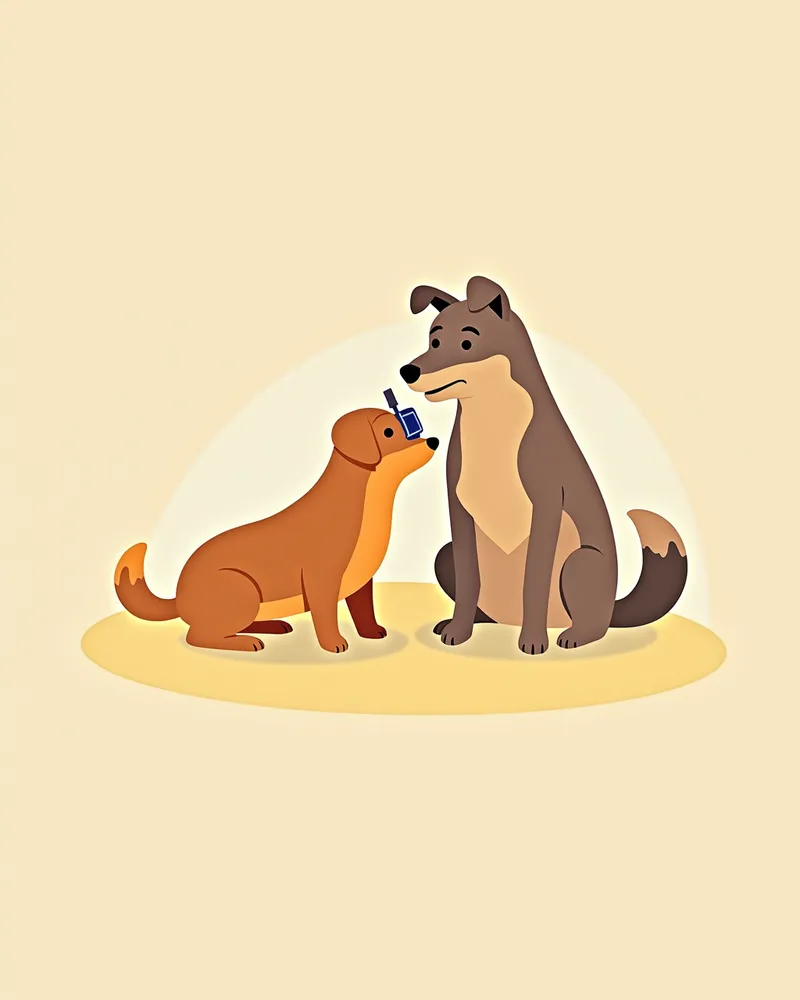
Know This 1: Understanding Lens Luxation and Its Urgency

Know This 2: Diagnosis and Treatment Options

Know This 3: Management and Monitoring the Opposite Eye

Key Points to Know About Lens Luxation
| Item | Key Points |
|---|---|
| Condition | The lens has shifted from its normal position; anterior luxation can cause glaucoma and may be an emergency |
| Cause | Genetically predisposed breeds; secondary to uveitis, glaucoma, or trauma |
| Diagnosis & Treatment | Ophthalmic exam + intraocular pressure measurement; IOP-lowering therapy, lens removal surgery, etc. |
| Emergency | Seek immediate care if the eye enlarges, there is severe pain, or redness |
| Management | Follow-up visits; also carefully monitor the other eye |
This is not a table recommending specific products or clinics, but a set of criteria to reference when consulting your veterinarian. Decisions about treatment and testing must always be made together with your veterinarian through an examination.
Caution: Lens Luxation Is an Emergency Requiring Immediate Veterinary Visit
If your dog suddenly starts rubbing its eyes, shows redness, or appears to have diminished vision, it could indicate lens dislocation. This condition can lead to increased intraocular pressure and potentially result in blindness, so visiting a veterinary clinic within 24 hours is essential. Self-diagnosis or delayed treatment can pose significant risks.
Usage Tips: Practical Checkpoints for Effective Management

Reviewed by a veterinarian

Dr. Tony — Punnawat Phongkittirak
VeterinarianA veterinarian who majored in veterinary medicine at Khon Kaen University, Thailand, and completed the IVSA program at North Carolina State University in the United States. Drawing on clinical experience at animal hospitals, he works in the pet healthcare field and is dedicated to building a digital care environment that connects pet parents with veterinarians.
Reviewed 2026-06-03
Frequently Asked Questions
Can a dog’s lens dislocation be completely cured?
Is there a genetic component to lens luxation?
Can vision be restored after a dislocated lens?
Could my dog have a dislocated lens?
How long should I continue using the lens dislocation management product?
Share
Related Guides

Top 5 Dog Tear Supplements Recommended for 2026

What is Lutein? Effects on Dog Eye Health

The Best Canine Uveitis Management Products and Selection Criteria: A Comprehensive Guide

Complete Guide to Hormone-Responsive Tumors in Dogs — Symptoms, Causes, and Treatment Options

7 Treatment and Management Strategies for Canine Fibrosarcoma Recurrence Recommended by Veterinarians
7 Key Points for CHOP Chemotherapy Management in Canine Lymphoma, Selected by Veterinarians
7 Early Tumor Screening Tests for Dogs Recommended by Veterinarians — Including Selection Criteria

7 Key Points for Nutritional Support in Dogs with Cancer, Selected by Veterinarians
7 Warning Signs and Management Points for Canine Brain Tumors Not to Miss, According to Veterinarians

7 Checkpoints for Dog Adrenal Tumors Compiled by Veterinarians — From Diagnosis to Treatment
References
[1] Binder DR, Herring IP, Gerhard T. Outcomes of nonsurgical management and efficacy of demecarium bromide treatment for primary lens instability in dogs: 34 cases (1990–2004). J Am Vet Med Assoc. 2007;231(1):89–93.
[2] Curtis R. Lens luxation in the dog and cat. Vet Clin North Am Small Anim Pract. 1990;20(3):755–773.
[3] Glover TL, Davidson MG, Nasisse MP, Olivero DK. The intracapsular extraction of displaced lenses in dogs: a retrospective study of 57 cases (1984–1990). J Am Anim Pract. 1991;32(2):105–112.