
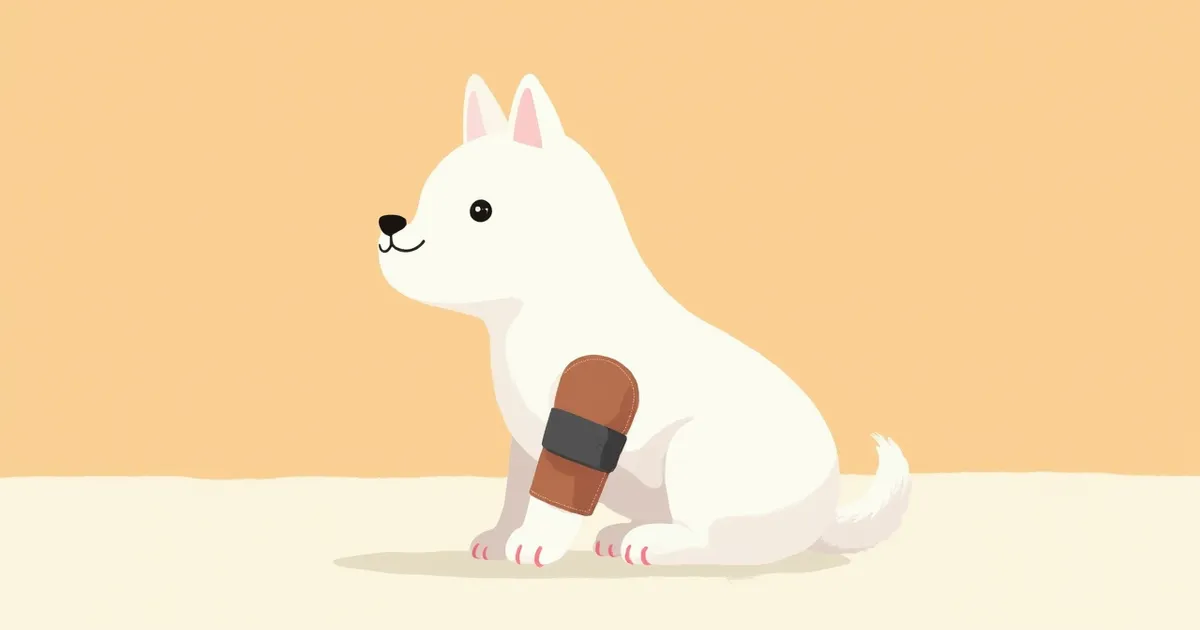
Top 5 Patellar Support Braces for Dogs — Stage-by-Stage Size Guide
We’ve compared five types of braces suitable for each stage of patellar luxation (grades 1–4) and provided a guide on how to choose the right size based on your pet’s leg circumference.
What Is a Patellar Support Brace for Dogs? When Is It Needed?

Patellar Luxation Grades and Brace Applicability
At-a-Glance Comparison of the Top 5 Patellar Support Braces
| Item | Cozy Pet Knee Supporter | OrthoPet Dual Strap | Dr.Pet MediCare | PuppySafe Light | VetPro Recovery |
|---|---|---|---|---|---|
| Recommended stage | Stage 1–2 | Stage 2–3 | Post-surgical recovery | Stage 1 prevention | Stage 3–4 post-surgical |
| Material | Neoprene+Mesh | Dual velcro strap | Medical silicone | Breathable spandex | Rigid plastic+Padding |
| Weight range | 3–10kg | 5–20kg | All sizes | 2–7kg | 10kg and above |
| Breathability | True | False | True | True | False |
| Price range | $10 to $20 | $30 to $40 | $40 to $60 | ~$10 range | $70 and above |
Estimated general retail price range as of May 2026. Veterinary consultation is essential for actual prescription·purchase.
No. 1 — CozyPet Knee Support (Best for Everyday Use)

No. 2 — OrthoPet Dual Strap (For Medium-Sized Dogs, Grades 2–3)
No. 3 — Doctor Pet Medicaire (For Post-Surgical Recovery)
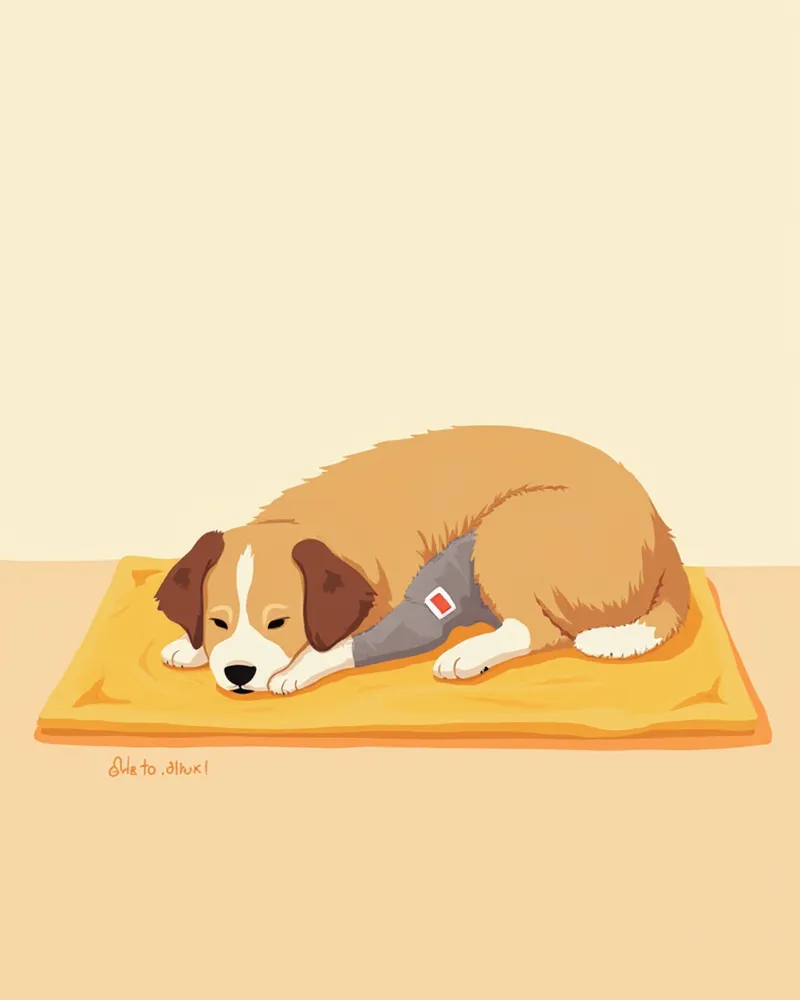
No. 4 — Puppy Safe Light (For Prevention and Toy Breeds)
No. 5 — VetPro Recovery (For Large Dogs and Severe Cases)
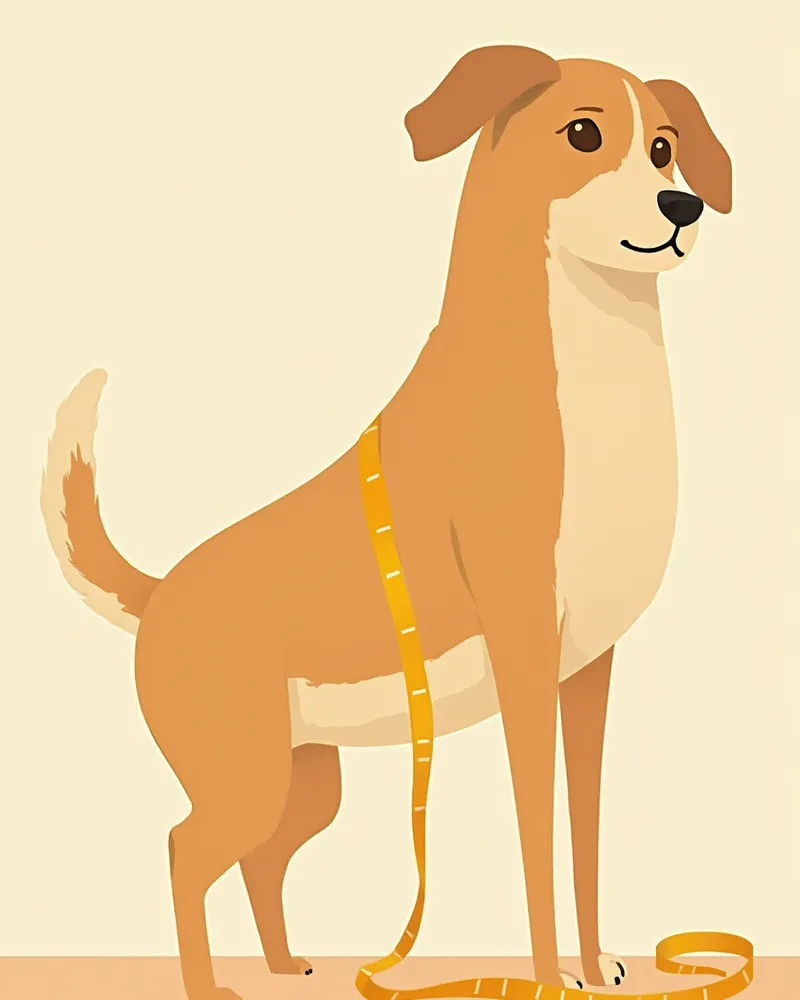
How to Measure for a Brace — Measuring Leg Circumference and Length
Essential Safety Guidelines for Wearing a Brace
Braces are not meant to be worn all day. Conservative management for patellar luxation, as emphasized in veterinary textbooks, focuses on strictly limited activity rather than prolonged brace use. Wearing a brace for extended periods can cause issues like skin pressure sores, so it’s safest to wear it only during activity and remove it during rest and sleep. - Wear the brace only during activities like walks or stair use, and always remove it during rest and sleep. - Stop using the brace immediately if you notice redness or warmth on the skin where it’s worn. - Longer wear time doesn’t mean better results—use it briefly only when necessary for activity. - Remember that a brace is just a supportive tool; fundamental management involves activity restriction, anti-inflammatory medication, or surgery.
Reviewed by a veterinarian

Dr. Tony — Punnawat Phongkittirak
VeterinarianA veterinarian who majored in veterinary medicine at Khon Kaen University, Thailand, and completed the IVSA program at North Carolina State University in the United States. Drawing on clinical experience at animal hospitals, he works in the pet healthcare field and is dedicated to building a digital care environment that connects pet parents with veterinarians.
Reviewed 2026-05-05
Frequently Asked Questions
Will wearing a brace eliminate the need for surgery?
Should it be worn during sleep as well?
Can I apply it to both legs?
Will the patella return to its proper position with just a protective brace?
Will it still be effective if my pet only wears it during walks?
Share
Related Guides
Curcumin Efficacy and Anti-inflammatory/Joint Support

Top 5 Recommended Joint Supplements for Dogs in 2026

What is MSM for Dogs? Effects on Relieving Joint Pain

7 Best Corneal Ulcer and Erosion Care Products for Cats Recommended by Veterinarians — Selection Criteria by Stage
Feline Corneal Perforation: Emergency Signs You Must Not Miss and the Best 7 Management Products — Including Selection Criteria

If Your Cat’s Eyes Look Cloudy — Top 7 Corneal Edema Management Products and Selection Criteria
7 Best Cat Conjunctivitis Care Products Recommended by Veterinarians — Selection Criteria for Discharge and Redness

7 Key Points on Feline Cataract Phacoemulsification from a Veterinarian

Top 7 Blind Cat Care Products Recommended by Veterinarians and Selection Criteria

7 Key Symptoms and Management Essentials for Canine Thyroid Cancer, Explained by Veterinarians
References
[1] Textbook of Veterinary Orthopaedic Surgery, Ch.11 Patellar Luxation
[2] Clinical Medicine of the Dog and Cat, 4th Ed - Patellar Luxation Pathophysiology
[3] 100 Top Consultations in Small Animal General Practice, Ch.45