Like
Share
멍실장
강아지 관절 영양제 추천 TOP 5 — 글루코사민·콘드로이틴 비교

Top 5 Dog Joint Supplements Recommended — Glucosamine and Chondroitin Comparison

JointTop PicksMeongsiljang Veterinary Advisory Board

We’ve compared the key ingredients in dog joint supplements—glucosamine and chondroitin—based on their content levels, and outlined five types tailored to your dog’s weight, age, and symptoms.

Why Should You Choose the Right Joint Supplement for Your Dog?

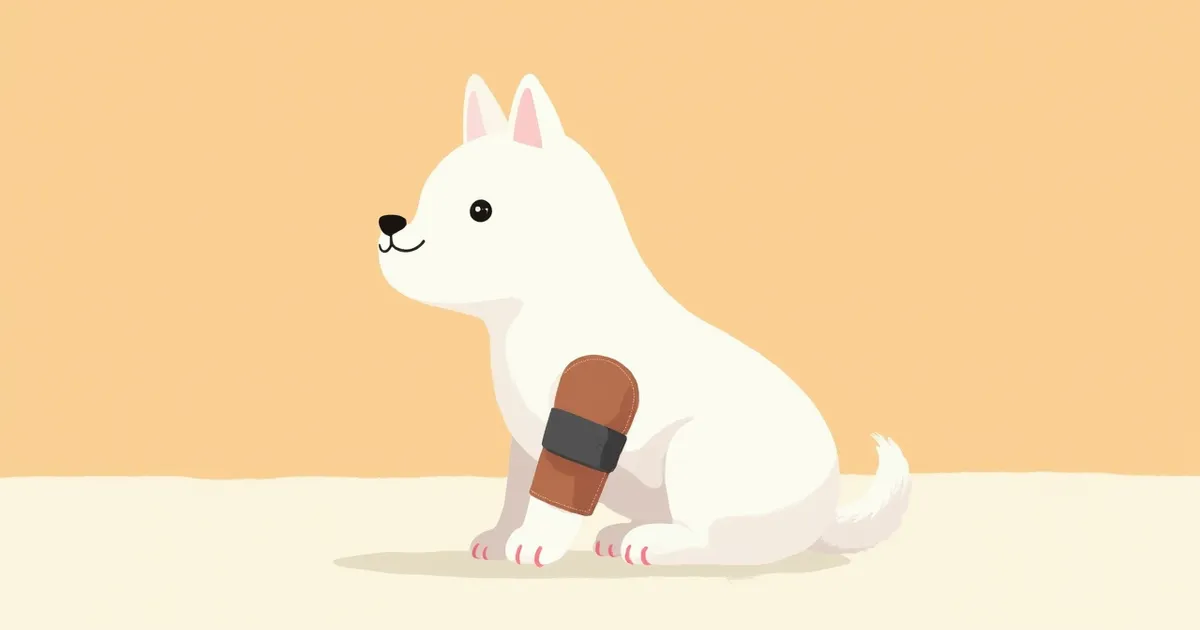
A puppy standing on its hind legs with healthy joints
Joint supplements for dogs help slow cartilage wear and manage pain in senior dogs by replenishing key cartilage-building components like glucosamine and chondroitin. What truly matters isn’t the “joint supplement” label, but the actual active ingredient content and whether the formulation is appropriate for your dog’s weight and age. For dogs aged seven and older, small breeds with a history of patellar luxation, or large breeds at risk for hip dysplasia, it’s best to start supplementation early as a preventive measure before pain symptoms appear. This article outlines the five key ingredients, criteria for choosing a quality product, and the top five recommendations by category.

How Joints Wear Down and How Supplements Work

Your dog’s joints are cushioned by cartilage between the bones, with synovial fluid filling the space to reduce friction. As dogs age or accumulate weight and exercise-related stress, the cartilage wears down and the viscosity of the synovial fluid decreases, leading to pain. Osteoarthritis is a progressive, irreversible condition in which joint cartilage gradually deteriorates; once it begins, it cannot be reversed, so long-term, careful management is key. Glucosamine serves as a precursor for glycosaminoglycans (GAGs), the structural matrix of cartilage, and is also used by synovial cells to produce hyaluronic acid. Chondroitin sulfate is a GAG component of cartilage that stimulates GAG synthesis and inhibits enzymes that break down cartilage, thereby slowing the progression of wear. However, there is currently no objective evidence that these ingredients can restore already damaged cartilage structure; their proven benefit is limited to partial relief of symptoms such as pain. Nevertheless, veterinary nutrition textbooks generally conclude that combining these two ingredients yields greater synergistic effects than using either one alone.

Five Key Ingredients in Dog Joint Supplements

Safe

글루코사민

연골 구성 물질 합성 전구체, 노령견 골관절염 진행 지연

Dosage: 20~30mg/kg/일

수의영양학 교과서 권장

Safe

콘드로이틴 황산

연골 분해 효소 억제, 연골 합성 자극

Dosage: 15~25mg/kg/일

글루코사민과 병용 권장

Safe

MSM (메틸설포닐메탄)

항염 효과로 관절 통증·부종 완화

Dosage: 50~100mg/kg/일

Safe

오메가-3 (EPA·DHA)

전신 항염 작용, 관절 활액 환경 개선

Dosage: EPA+DHA 합산 50~75mg/kg/일

Caution

녹색입홍합 추출물

천연 연골 구성 물질 + 오메가-3 복합 공급

Dosage: 제품 라벨 기준

조개류 알레르기 강아지 주의

Five Criteria for Choosing a Good Dog Joint Supplement

A truly high-quality dog joint supplement should meet all five of the following criteria. Surprisingly, many products have flashy labels but insufficient basic ingredient levels, so be sure to check these points carefully.
Glucosamine and Chondroitin Content: The key is not to memorize absolute numbers, but to compare the recommended daily amount listed on the label with your dog’s body weight to ensure it’s adequate.
Chondroitin Inclusion: Combining glucosamine with chondroitin offers greater synergistic benefits than using glucosamine alone.
Third-Party Verification: Look for certification from the National Animal Supplement Council (NASC) or publicly available test results confirming ingredient content.
Supporting Ingredients: Anti-inflammatory components like omega-3 fatty acids can provide additional benefits when included.
No Additives: Artificial flavors, fructose, and preservatives can burden the stomachs of senior dogs.
Carefully checking the label and ingredients of a joint supplement.

Comparison of Top 5 Types of Dog Joint Supplements

Item① Single high-dose type② Combination tablet type③ 5-ingredient comprehensive type④ Green-lipped mussel type⑤ Collagen-focused type
GlucosamineHigh doseMediumMediumLowLow
ChondroitinFalseTrueTrueNaturally containedFalse
MSM anti-inflammatoryFalseFalseTrueFalseFalse
Omega-3FalseFalseTrueNaturally containedFalse
Hydrolyzed collagenFalseFalseOptionalFalseHigh dose
Recommended stagePrevention·EarlyEarly–MidMid–SeniorSenior·ChronicPost-surgical recovery

Green-lipped mussel is an anti-inflammatory ingredient that, per textbook standards, naturally contains chondroitin and omega-3 (EPA/DHA). Contents and recommended stages are based on general commercial product categories; the actual choice must be determined by comparing the label's recommended daily amount against your pet's body weight.

Which Type Is Right for Your Dog’s Weight, Age, and Symptoms?

Even among joint supplements, the right choice depends on your dog’s specific situation. Here’s a general guide to help you match the right product:
Small breeds + under 7 years old (preventive care): ① Single high-potency formula — Start with a low dose and gradually increase as your dog’s stomach adjusts.
Medium breeds + history of patellar luxation: ② Multi-ingredient tablet — The synergy between glucosamine and chondroitin is key.
Large breeds + risk of hip dysplasia: ③ Five-in-one comprehensive formula + additional omega-3 supplementation.
Senior dogs + chronic pain or reduced activity: ④ Green-lipped mussel formula — Offers natural anti-inflammatory benefits.
Post-surgery recovery (cruciate ligament or patellar surgery): ⑤ Collagen-focused formula — Supports protein needs during recovery.

When to Expect Results and How to Feed Properly
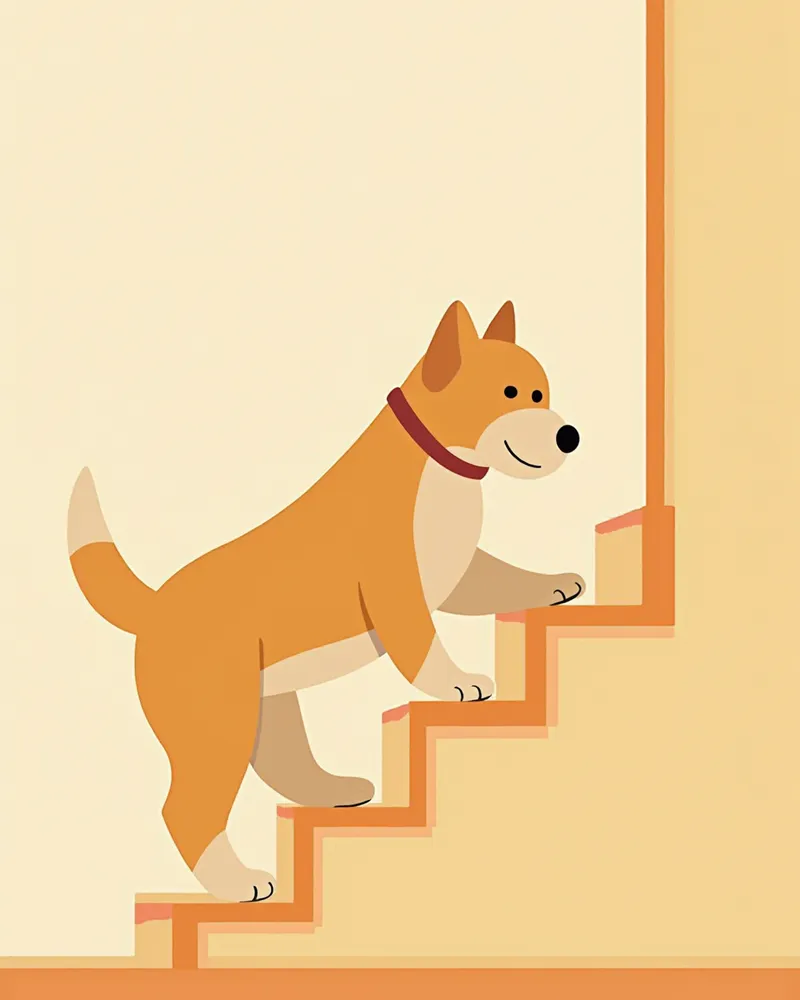
Dog joint supplements are not quick-fix medications. Osteoarthritis is a progressive and irreversible condition, so it’s important to consistently administer glucosamine and chondroitin for several weeks or more while monitoring for changes. It’s best to start with half the recommended dose alongside meals to allow your dog’s digestive system to adjust, then gradually increase to the full dose. To assess effectiveness, evaluate changes in daily activities—such as walking distance, ease of climbing stairs, and speed of standing up—after a sufficient period of supplementation. If there’s no improvement despite consistent use, consult your veterinarian about adjusting the supplement formula, confirming the stage of osteoarthritis through imaging, or implementing a multimodal management plan that may include NSAIDs, weight control, and rehabilitation.
The sight of an elderly dog comfortably climbing stairs

Important Precautions to Check Before Feeding

Joint supplements are generally safe, but they aren’t suitable for every dog. If your dog has a history of shellfish or mollusk allergies, they may experience allergic reactions to products containing glucosamine or green-lipped mussel. Dogs with diabetes should only start glucosamine supplements after consulting a veterinarian, as some formulations can affect blood sugar levels. If your dog is taking medication for other chronic conditions, it’s essential to review potential drug interactions. Remember, supplements are supportive aids only. If your dog is already showing signs of pain, don’t rely on supplements alone; they should also receive prescribed pain relief and anti-inflammatory treatment.

When Supplements Alone Aren’t Enough — What Else to Consider

Your dog’s joint health isn’t solved by a single supplement. The real key lies in combining four elements: supplements, weight management, exercise, and environment.
Weight Management: Even an excess of 1 kg significantly increases joint stress. Maintaining a Body Condition Score (BCS) of 4–5 is essential.
Low-Impact Exercise: Walking on flat ground and swimming are beneficial for joints, while jumping and vigorous stair climbing should be avoided.
Slip Prevention: Use rugs or non-slip mats on hardwood floors to reduce strain on the patella.
Regular Check-ups: For dogs aged 7 and older, annual joint X-rays help monitor disease progression.

Reviewed by a veterinarian

Dr. Tony — Punnawat Phongkittirak

Dr. Tony — Punnawat Phongkittirak

Veterinarian

A veterinarian who majored in veterinary medicine at Khon Kaen University, Thailand, and completed the IVSA program at North Carolina State University in the United States. Drawing on clinical experience at animal hospitals, he works in the pet healthcare field and is dedicated to building a digital care environment that connects pet parents with veterinarians.

Frequently Asked Questions

Can I share human joint supplements with my dog?
We don’t recommend it. Human products often contain xylitol, artificial sweeteners, and excessive vitamins, which can be dangerous for dogs. Always choose products specifically made for dogs.
If you have to choose between glucosamine and chondroitin, which one is more important?
While glucosamine has been studied more extensively on its own, veterinary nutrition textbooks suggest that the greatest synergy is achieved when both ingredients are administered together. Therefore, we recommend using a combination product whenever possible.
When should I stop using it if I don’t see any results?
You need to consistently administer the same product for at least several weeks before you can assess its effectiveness. If there is no change in walking distance, stair-climbing behavior, or speed of getting up even after sufficient administration, it is advisable to change the ingredient combination or consult with a veterinarian for imaging tests.
I already had patellar surgery. Is a joint supplement still beneficial?
Yes, it can be meaningful. Even after surgery, the opposite leg may bear increased weight, raising the risk of osteoarthritis progression, so it can be considered as a long-term supportive supplement. However, supplements alone may not be sufficient; if there is pain, it’s best to work with your veterinarian to establish a multimodal management plan that includes NSAIDs, weight control, and rehabilitation.
Can I give it to a young dog (2-3 years old) in advance?
Large-breed dogs and large breeds at high risk for hip dysplasia (such as Golden Retrievers, Labrador Retrievers, and German Shepherds), as well as middle-aged and senior dogs, are particularly prone to osteoarthritis. However, since it is not yet definitively established in veterinary textbooks that preventive supplementation from a young age can prevent the onset of the disease, it is best to consult with your veterinarian to determine the appropriate starting time based on your dog’s weight, breed, and joint condition.

Share

Related Guides

References

[1] Fascetti AJ, Delaney SJ. Applied Veterinary Clinical Nutrition, 2nd Edition. Wiley-Blackwell, 2024. — Chondroprotective Agents and Joint Health Nutrients

[2] National Research Council. Nutrient Requirements of Dogs and Cats. National Academies Press, 2006. — Chondroprotective Agents

[3] McCarthy G et al. Randomised double-blind, positive-controlled trial to assess the efficacy of glucosamine/chondroitin sulfate for the treatment of dogs with osteoarthritis. Veterinary Journal, 2007;174(1):54-61.

This information is based on veterinary literature and does not replace diagnosis or treatment. Please consult a veterinarian for specific health concerns.

Metapet Co., Ltd. | CEO: Park Sung-yong | Business Reg. No. 417-88-02562 | Seoul, South Korea | Customer Center

Top 5 Dog Joint Supplements — Glucosamine vs Chondroitin | Meongsiljang