Like
Share
멍실장
고양이 타우린 결핍 심근병증 관리 추천 BEST와 고르는 기준 총정리

7 Key Management Tips for Feline Taurine-Deficient Cardiomyopathy Recommended by Veterinarians

HeartTop PicksMeongsiljang Veterinary Advisory Board

Feline taurine-deficient cardiomyopathy is a condition characterized by impaired heart function due to taurine deficiency, where early detection and proper supplementation are key to treatment. Choosing the right supplement significantly impacts recovery.

Feline Taurine-Deficient Cardiomyopathy Is a Heart Disease Caused by Taurine Deficiency
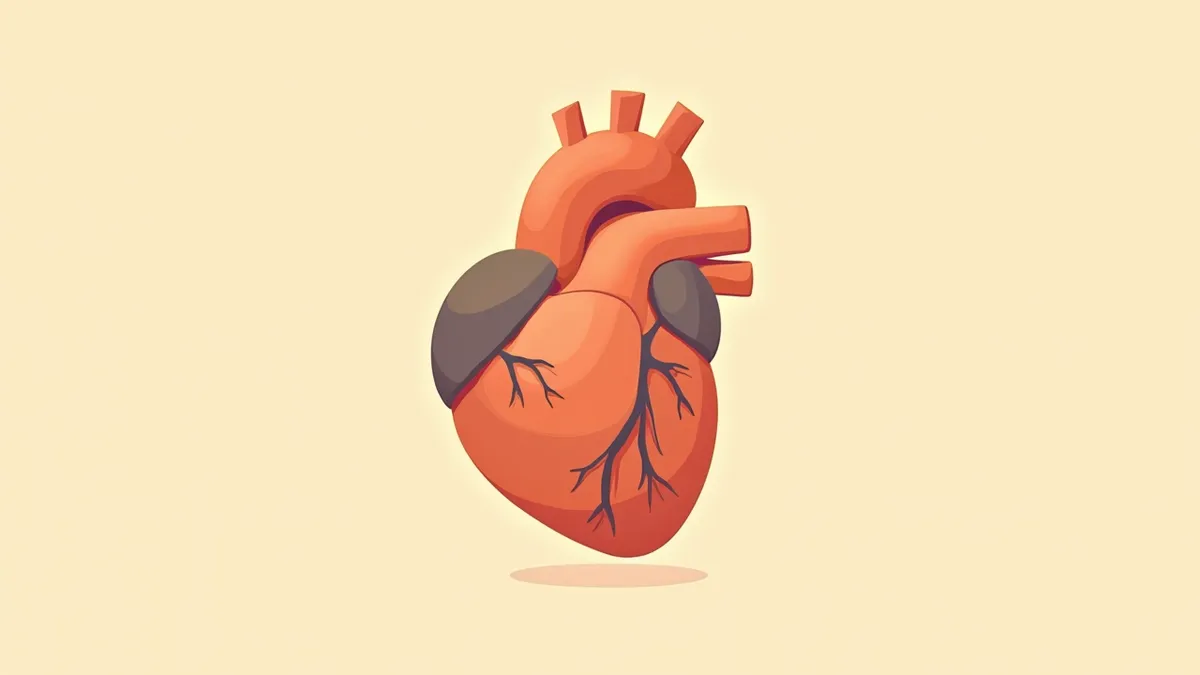
An anatomical diagram of a cat’s heart with weakened cardiac muscle
Taurine-deficient cardiomyopathy in cats is a condition where the heart muscle weakens and dilates due to insufficient taurine intake, making early detection crucial. - Taurine is essential: Cats cannot produce enough taurine on their own, so external supplementation is necessary. - Decline in heart function: A lack of taurine can lead to a weaker heartbeat and poor blood circulation, potentially resulting in heart failure. - Subtle early symptoms: Initial signs may be mild, requiring careful observation. - Benefits of supplementation: Proper taurine supplementation can significantly aid in restoring heart function and slowing disease progression. - Regular check-ups are essential: Regular veterinary check-ups and appropriate supplementation are ideal for managing this condition.

Good to Know: Managing Feline Taurine-Deficient Cardiomyopathy
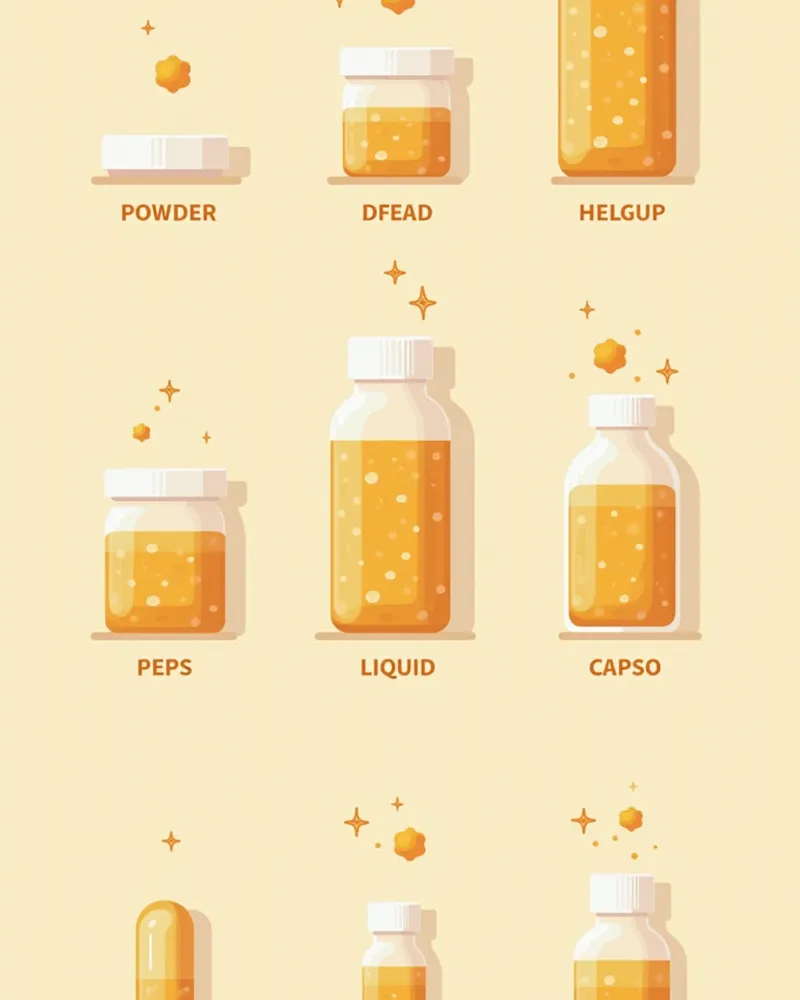
- Ingredient Purity: Choose products with high taurine purity and minimal impurities. - Absorption Rate: Verify that the product is in a form optimized for feline digestion and absorption, such as liquid or powder. - Ease of Administration: Opt for products designed with palatability and form in mind to ensure your cat can easily consume them. - Stability: Select products manufactured with safe ingredients and minimal additives. - Veterinarian Recommendation: It is important to confirm whether the product has proven efficacy in clinical practice. - Suitability for Long-Term Use: Choose products with few side effects that remain stable and safe for prolonged administration.
A comparison of taurine supplements in powder, liquid, and capsule forms

Good to Know 1: The Impact of Taurine Deficiency on the Heart and Symptoms
Taurine is an essential amino acid that cats cannot synthesize in sufficient amounts on their own. A long-term deficiency can lead to dilated cardiomyopathy (DCM), a condition characterized by weakened heart muscle contraction. In the early stages, symptoms are often minimal, but as the disease progresses, signs such as difficulty breathing, coughing, lethargy, loss of appetite, and a distended abdomen due to fluid accumulation may appear. In severe cases, it can lead to acute heart failure or thromboembolism, so it is crucial to seek veterinary care promptly if any symptoms are observed.
An informative image explaining the effects and symptoms of taurine deficiency on the heart

Good to Know 2: Diagnostic Methods and General Treatment Directions
Diagnosis involves assessing myocardial thickness and contractility via echocardiography, along with measuring taurine levels through blood tests. Once confirmed, the cornerstone of treatment is oral taurine supplementation as prescribed by a veterinarian. Diuretics and cardiac stimulants may also be prescribed concurrently to manage heart failure symptoms. In cases caused by taurine deficiency, cardiac function often improves in response to supplementation, though individual responses to treatment can vary.
An informative image outlining diagnostic methods and general treatment approaches

Good to Know 3: Daily Management and the Importance of Ongoing Veterinary Consultation
The foundation of prevention and management is feeding a balanced, cat-specific diet that contains adequate taurine. Be cautious with dog food, which is not properly formulated for cats, as well as inadequately designed vegetarian diets, lamb-and-rice-based diets, or low-protein, high-fiber diets, all of which can lead to taurine deficiency. During treatment, it is essential to monitor recovery progress through regular cardiac ultrasounds and blood tests, including whole blood taurine levels. Arbitrarily adding supplements purchased online can disrupt nutritional balance, so always consult your veterinarian to determine appropriate supplementation dosages and dietary adjustments.
An informational image highlighting the importance of daily care and ongoing consultation with a veterinarian.

What Owners Should Know About Feline Taurine-Deficient Cardiomyopathy

ItemKey Points
SymptomsDifficulty breathing, lethargy, decreased appetite, ascites, possible acute heart failure
CauseReduced myocardial contractility due to taurine deficiency (dilated cardiomyopathy)
DiagnosisConfirmed by echocardiography plus measurement of blood taurine concentration
TreatmentVeterinarian-prescribed taurine supplementation plus medications to control heart failure symptoms
ManagementFeed balanced cat-specific food and undergo regular cardiac exams

This is not a table recommending specific products or clinics, but criteria to reference when consulting your veterinarian. Always make treatment and testing decisions together with your veterinarian through an examination.

Be Cautious of Overdose

Taurine is a water-soluble amino acid that is described in veterinary textbooks as a relatively inexpensive and safe ingredient. However, since accurate diagnosis and determining the appropriate dosage are crucial when using supplements, be sure to follow the dosage and administration method prescribed by your veterinarian, and do not increase the amount on your own. If you notice any adverse effects during use, consult your veterinarian.

4 Tips for Using Taurine Supplements

- Follow your veterinarian’s prescription: Because proper diagnosis and dosage are crucial for supplements, administer them exactly as directed by your vet. - Regular check-ups are essential: Monitor taurine levels regularly through blood tests (specifically, whole blood taurine concentration). - Storage precautions: Store in a cool, dry place at room temperature, away from direct sunlight. - Consult your vet if side effects occur: If you notice any unusual symptoms such as nausea or diarrhea during administration, contact your veterinarian immediately. - Maintain a consistent schedule: Keep to a routine by giving the supplement at the same time every day without missing doses. - Caution when switching products: Always consult your veterinarian before changing to a different product.
Checklist of Tips for Using Taurine Supplements

Reviewed by a veterinarian

Dr. Tony — Punnawat Phongkittirak

Dr. Tony — Punnawat Phongkittirak

Veterinarian

A veterinarian who majored in veterinary medicine at Khon Kaen University, Thailand, and completed the IVSA program at North Carolina State University in the United States. Drawing on clinical experience at animal hospitals, he works in the pet healthcare field and is dedicated to building a digital care environment that connects pet parents with veterinarians.

Frequently Asked Questions

When should I start giving my pet a taurine supplement?
Administer taurine when blood tests show low levels or when symptoms appear, starting at the time recommended by your veterinarian.
Are taurine supplements only necessary for cats?
Yes, cats cannot synthesize taurine on their own, so they must obtain it from their diet. Dogs, on the other hand, can produce some taurine internally.
Will giving supplements fully restore heart function?
With early detection and consistent medication, heart function improves in most cases, but complete recovery may be difficult in severe cases.
Can I buy taurine supplements at a pharmacy?
Supplements prescribed by veterinarians are only available at pharmacies or specialized animal hospitals. They are difficult to purchase at regular pharmacies.
Is it safe to give a taurine supplement alongside other nutritional supplements?
While it’s possible under a veterinarian’s supervision, caution is needed because taking it alongside a multivitamin supplement can increase the risk of overconsumption.

Share

Related Guides

References

[1] Textbook of Cardiovascular Medicine in Dogs and Cats, 2023

[2] The Veterinary Workbook of Small Animal Clinical Cases, 2021

[3] Journal of Feline Medicine and Surgery, 2022, Taurine deficiency and feline DCM: A comprehensive review

This information is based on veterinary literature and does not replace diagnosis or treatment. Please consult a veterinarian for specific health concerns.

Metapet Co., Ltd. | CEO: Park Sung-yong | Business Reg. No. 417-88-02562 | Seoul, South Korea | Customer Center

7 Key Tips for Feline Taurine-Deficient Cardiomyopathy | Meongsiljang