Like
Share
멍실장
고양이 흉부 X선 심장 크기 평가 관리 추천 BEST와 고르는 기준 총정리

7 Key Points for Evaluating Heart Size on Feline Chest X-rays — VHS Measurement and Interpretation Criteria

HeartTop PicksMeongsiljang Veterinary Advisory Board

Evaluating heart size through feline chest X-rays is key to early detection of heart disease. Learn the precise assessment criteria and recommended management strategies.

Evaluating Heart Size on Feline Chest X-rays is Key to Early Detection of Heart Disease
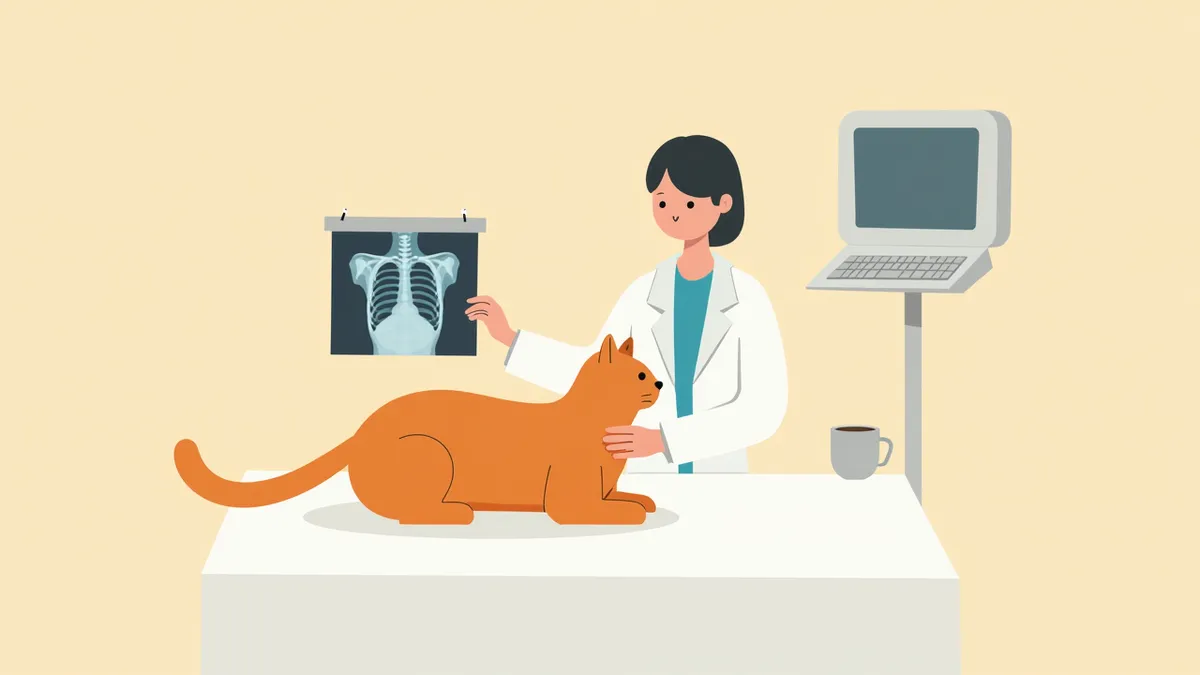
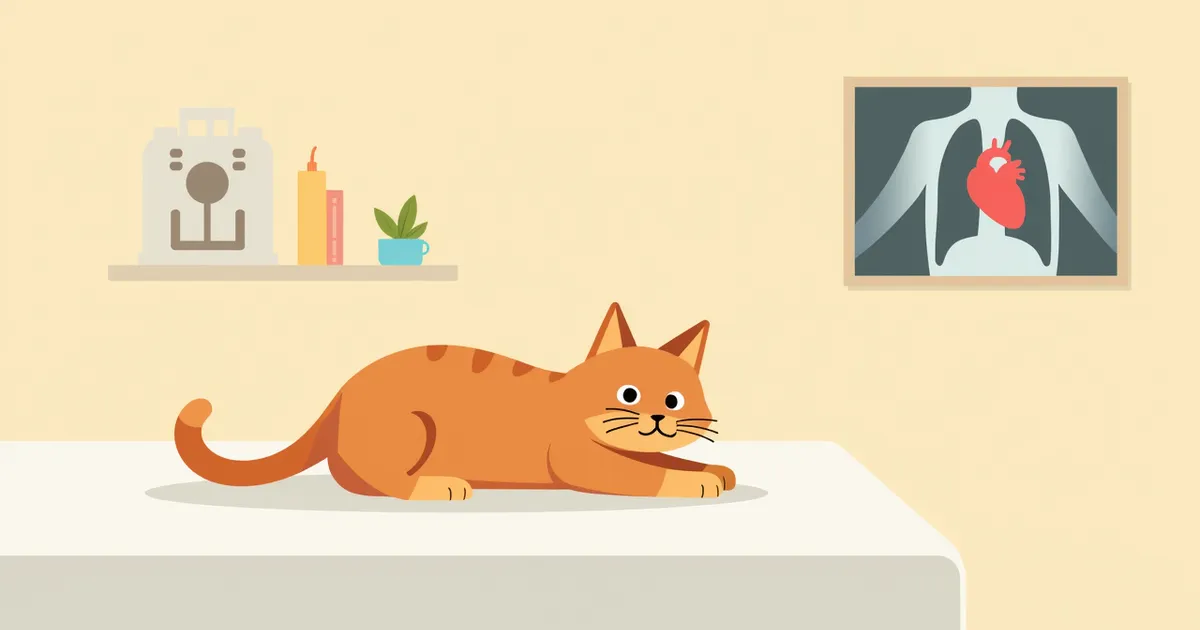
A cat undergoing a chest X-ray.
Evaluating heart size via feline thoracic radiographs is useful for detecting changes such as cardiac enlargement or congestive heart failure. However, this method has low sensitivity for mild to moderate cardiac changes, and a normal Vertebral Heart Score (VHS) does not completely rule out hypertrophic cardiomyopathy (HCM). Therefore, it is important to interpret radiographic findings in conjunction with other diagnostic tests rather than relying on them alone. - Objective measurement criteria: Veterinarians objectively assess heart size using methods such as the Vertebral Heart Score (VHS). The normal VHS for cats averages approximately 7.5 ± 0.3 vertebrae. - Test stability: Radiographs should be taken in a quiet environment to minimize stress and ensure the cat remains calm. - Veterinary expertise: A veterinarian should personally interpret the images and, if necessary, integrate echocardiography to refine the diagnosis. - Ongoing monitoring: Regular radiographs taken under consistent conditions allow for comparison with previous images, enabling tracking of changes in heart size over time. - Importance of comprehensive assessment: Heart size should not be judged by a single number alone; it must be evaluated holistically alongside clinical signs, pulmonary status, and echocardiographic results.

Selection Criteria: Tips for Choosing a Clinic for Feline Thoracic Radiograph Heart Assessment

When selecting a facility for feline thoracic radiographs to assess heart size, accuracy is the top priority. Only images interpreted by a veterinarian following the VHS (Vertebral Heart Score) standard can be considered reliable. Safety is also crucial; the examination should be conducted in a quiet, stable environment to minimize stress for your cat. Expertise is key in interpreting the results and determining the next steps for diagnosis. Your veterinarian should comprehensively evaluate cardiac function by integrating echocardiography. Finally, consider cost-effectiveness; facilities that offer these tests as part of a regular wellness program are often more advantageous in the long run.
A veterinarian gently positioning a cat to keep it calm and secure.

Check 1: Proper Positioning and VHS Measurement
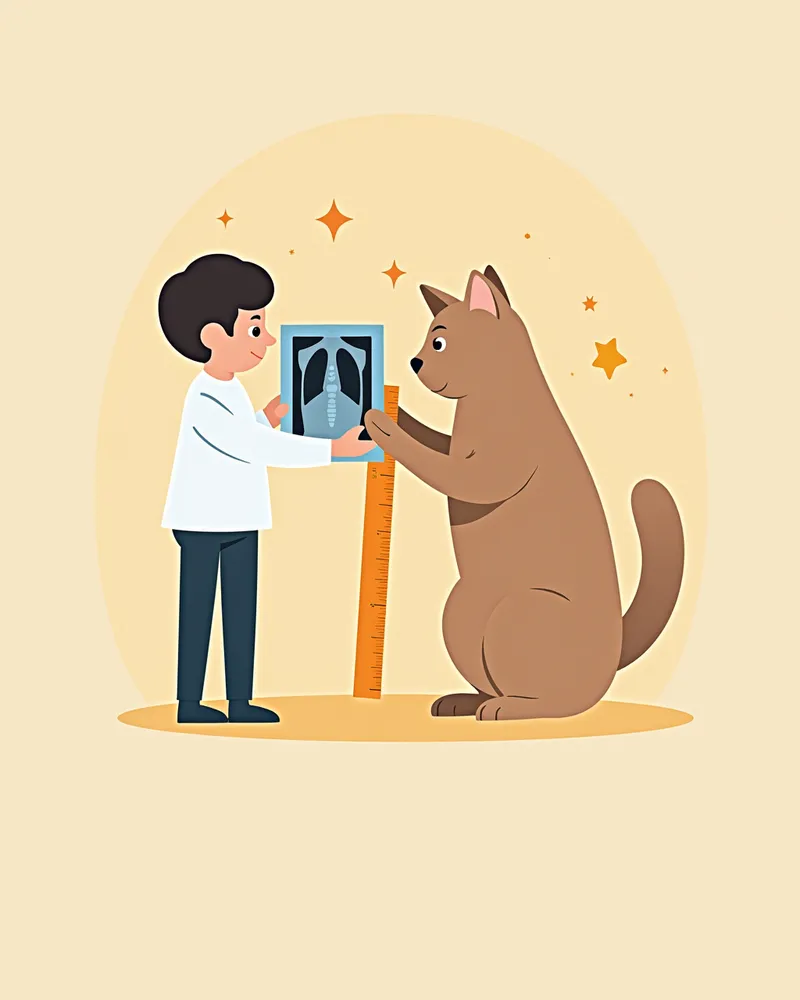
To accurately assess heart size on a chest X-ray, it is crucial to take the image in proper positioning during inspiration. If the position or respiratory phase is off, the heart may appear larger than it actually is. Heart size is objectively measured using methods such as the VHS (vertebral heart score), which compares the heart’s dimensions to the length of the vertebrae. It is advisable to choose a clinic that performs these measurements accurately. Since cats may breathe rapidly when stressed, making imaging difficult, select a facility that minimizes stress during the procedure.
Guidance images to ensure proper imaging and VHS measurements

Check 2: Assessment of Lungs and Pleural Effusion
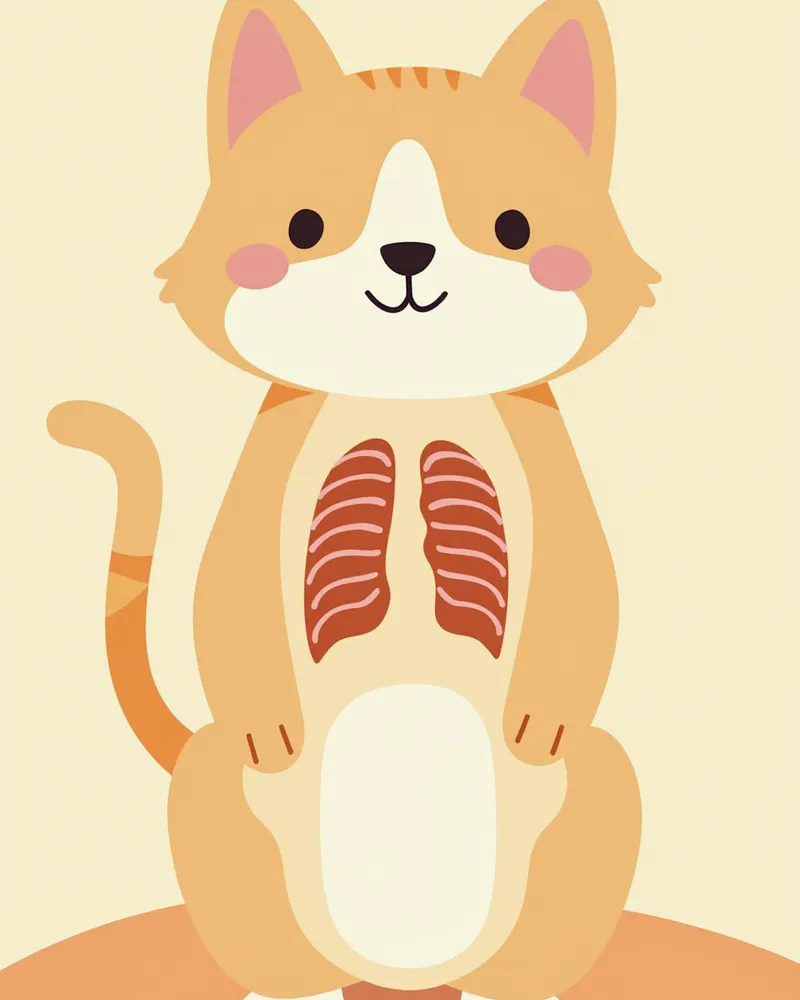
Chest X-rays allow us to assess not only heart size but also lung condition and the presence of fluid in the chest cavity (pleural effusion). This is particularly important in cats, as progressive heart disease can lead to pulmonary edema or pleural effusion. When symptoms such as coughing, rapid breathing, or open-mouth breathing occur, it’s best to choose a clinic that evaluates both heart size and lung status together. Additionally, confirming whether the clinic can proceed to echocardiography for more detailed assessment when needed can be very helpful.
An image explaining whether lung and pleural effusion assessments are included together.

Check 3: Interpretation Considering Individual Variation and Clinical Correlation
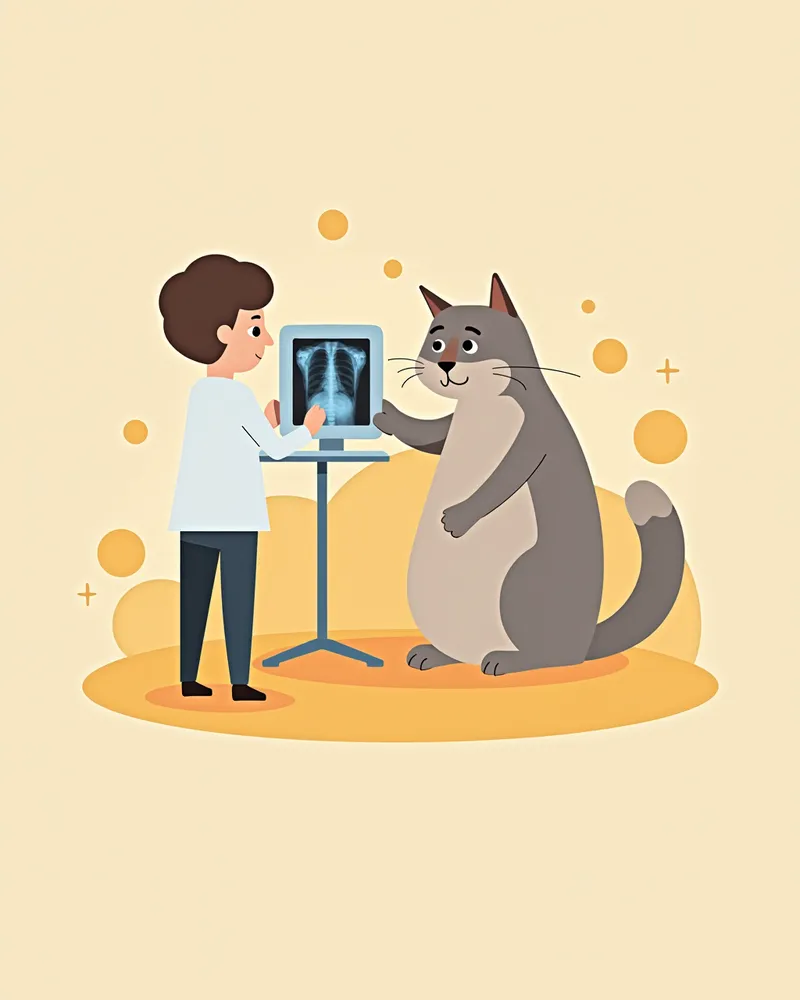
Heart size varies by breed and individual, so it’s important to consider the entire radiographic image and clinical signs rather than relying solely on the VHS measurement. Choose a clinic where a veterinarian with experience in radiographic interpretation can assess heart size and lung condition, and where suspected heart disease is followed up with advanced diagnostics such as echocardiography. Opt for a facility that compares current images with previous ones to monitor changes over time, and clearly explains the results to you, the pet owner.
An image providing guidance on how to interpret and connect information while considering individual differences.

Checklist for Choosing a Clinic for Feline Thoracic Radiograph Heart Assessment

ItemRecommended Criteria
Imaging and MeasurementA place that performs inspiratory, properly-positioned imaging and objective measurements such as VHS
Scope of EvaluationA place that examines not only heart size but also the lungs and pleural effusion
Interpretation CapabilityAn experienced veterinarian who interprets images accounting for breed and individual variation
Result InterpretationA place that connects to echocardiography when heart disease is suspected and explains changes comparatively
Cost GuidanceA place that informs you in advance of the expected cost and the possibility of additional testing before the exam

This is not a table recommending specific products or clinics, but criteria to reference when consulting your veterinarian. Always make treatment and testing decisions together with your veterinarian through an examination.

Caution: Immediate Veterinary Visit Required if Cardiomegaly is Suspected

If your cat shows signs of difficulty breathing, coughing, lethargy, or a rapid heartbeat, it may indicate cardiomegaly (enlarged heart). This can be a sign of declining heart function, so it’s important to consult your veterinarian immediately for a thorough examination. Early detection significantly improves the chances of successful treatment.

Usage Tip: Prepare Your Cat for a Calm Examination
Before a chest X-ray, it’s best to let your cat rest in a quiet, calm environment to help them settle down. - Minimize stress: Anxiety or excitement can lead to irregular breathing, which may compromise image quality. This is especially important for cats suspected of having heart failure, as they are more vulnerable to the stress of the procedure itself. Reducing stress before diagnostic tests is crucial. - Follow preparation instructions: Requirements such as fasting may vary by clinic, so always follow your veterinarian’s specific guidance rather than making your own decisions. - Maintain proper positioning: Following the vet’s positioning instructions helps ensure smooth imaging. If your cat is very anxious, the vet may administer mild sedation if deemed necessary. - Keep the environment calm: Excessive talking or movement from family members can make your cat uneasy. - Post-procedure rest: After the X-ray, continue to provide a quiet space for your cat to rest and recover.
A cat resting calmly before the examination.

Reviewed by a veterinarian

Dr. Tony — Punnawat Phongkittirak

Dr. Tony — Punnawat Phongkittirak

Veterinarian

A veterinarian who majored in veterinary medicine at Khon Kaen University, Thailand, and completed the IVSA program at North Carolina State University in the United States. Drawing on clinical experience at animal hospitals, he works in the pet healthcare field and is dedicated to building a digital care environment that connects pet parents with veterinarians.

Frequently Asked Questions

When is the best time to have a cat’s chest X-ray to assess heart size?
It's a good idea to consult your veterinarian for this test during routine health checkups, if your cat shows symptoms like coughing or rapid breathing, or if heart disease is suspected. In particular, chest X-rays can help assess whether a cat with difficulty breathing is experiencing heart failure. The timing and frequency of the tests should be determined in consultation with your veterinarian based on your cat's condition.
What is considered a normal heart size?
A cat’s normal VHS (vertebral heart score) averages about 7.5 ± 0.3 vertebrae. One study reported that a score exceeding 8.0 vertebrae serves as a screening threshold for heart disease, while a score above 9.3 vertebrae indicates a very high likelihood of heart disease. However, even a normal VHS cannot completely rule out hypertrophic cardiomyopathy, so diagnosis should not rely on this number alone but should integrate clinical signs and echocardiographic findings for a comprehensive assessment.
What’s the difference between an ultrasound and an X-ray?
X-rays can show heart size and shape, as well as the condition of the lungs and pleural effusion, but they are not very sensitive to mild to moderate changes. Echocardiography is necessary to confirm conditions such as hypertrophic cardiomyopathy by analyzing the thickness and function of the heart walls. These two tests are used together in a complementary manner.
What should I do if my cat becomes anxious during the examination?
Veterinarians can provide a calm environment and, if needed, administer mild sedatives. This is especially important for cats suspected of having heart failure, as they are more vulnerable during exams. Minimizing stress is key to both obtaining accurate imaging and ensuring the cat’s safety.
What should I do if a routine checkup reveals a change in my pet’s heart size?
Continuously monitor changes by comparing with previous videos, and consult with your veterinarian to plan additional tests like echocardiograms or treatment strategies. Comparing over time helps in identifying changes.

Share

Related Guides

References

[1] Small Animal Critical Care Medicine, 3rd Ed. (2023). Chapter 17: Cardiovascular Imaging in Cats.

[2] Textbook of Cardiovascular Medicine in Dogs and Cats. (2022). Section 11: Radiographic Assessment of Feline Cardiomegaly.

[3] American College of Veterinary Internal Medicine (ACVIM). Feline Hypertrophic Cardiomyopathy Guidelines. (2021).

This information is based on veterinary literature and does not replace diagnosis or treatment. Please consult a veterinarian for specific health concerns.

Metapet Co., Ltd. | CEO: Park Sung-yong | Business Reg. No. 417-88-02562 | Seoul, South Korea | Customer Center

Feline Chest X-ray: Assessing Heart Size with VHS (7 Key Points) | Meongsiljang