Like
Share
멍실장
고양이 간 질환과 응고 이상 관리 추천 BEST와 고르는 기준 총정리

When a Cat’s Liver Fails, Bleeding Won’t Stop — 7 Warning Signs of Coagulation Abnormalities

Liver HealthTop PicksMeongsiljang Veterinary Advisory Board

Early detection is key when it comes to feline liver disease and coagulation disorders. With the right nutritional supplements and care strategies, you can help alleviate symptoms and slow disease progression.

Early Management Is Critical for Feline Liver Disease and Coagulation Abnormalities
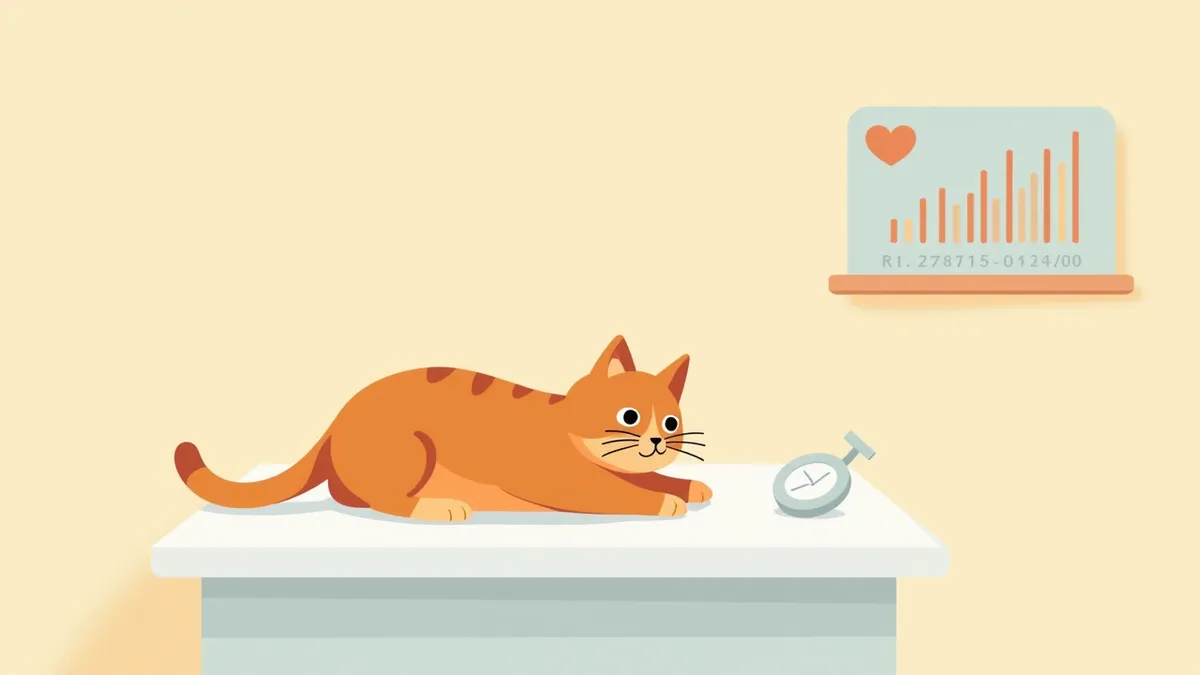
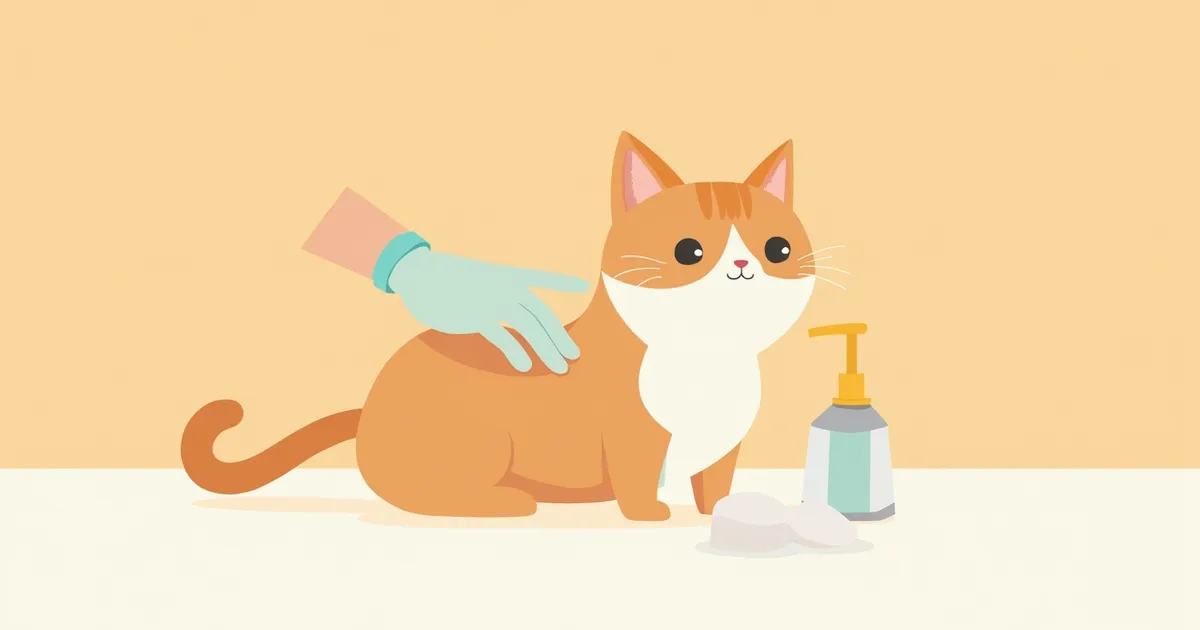
A cat undergoing diagnosis for liver disease
Feline liver disease combined with coagulation abnormalities is a serious condition in which declining liver function leads to a deficiency of clotting factors. Since the liver produces most of these factors, impaired function significantly increases the risk of bleeding, which can progress to internal hemorrhage in severe cases. Indeed, severe liver disease can cause hemorrhagic (hemostatic) disorders, and abnormalities are confirmed through coagulation tests (PT and aPTT). However, because nutritional management plays only a supportive role in most liver diseases, it is essential to combine it with veterinary diagnosis and treatment. - Liver-protective ingredients: Standard hepatoprotectants such as SAMe (S-adenosylmethionine), N-acetylcysteine, ursodeoxycholic acid, and vitamin E help mitigate oxidative damage. - Coagulation-supporting ingredients: When liver disease causes a vitamin K deficiency, supplementing with vitamin K1 aids in the synthesis of clotting factors. - Minimized gastrointestinal burden: A gentle formula allows cats with reduced appetites to eat more easily. - Consistent monitoring: Regular blood tests are used to check liver enzymes (ALT and ALP) and coagulation markers.

4 Selection Criteria

When selecting a supplement to manage feline liver disease and coagulation abnormalities, be sure to check the following four criteria. Each item is related to liver protection and supporting coagulation function.
Contains evidence-based hepatoprotective ingredients: Check for ingredients used for liver protection in veterinary textbooks, such as SAMe, N-acetylcysteine, ursodeoxycholic acid, and vitamin E. The hepatoprotective effects of glucosamine, saponins, and selenium have not been confirmed by textbook evidence.
Contains vitamin K1: Supplementing with vitamin K1 can help support the synthesis of clotting factors when there is a vitamin K deficiency associated with liver disease.
Low-irritation, high-absorption formula: A formulation that is gentle on a cat’s stomach and easy to consume even when appetite is reduced is preferable.
Choose after consulting a veterinarian: Because the causes and severity of liver disease vary widely, product selection and dosage must always be determined in consultation with a veterinarian.
A cat taking a liver health supplement

BEST 1: Gan Cell Revital Capsules

Gan Cell Revital Capsules are designed to support cats with impaired liver function and coagulation abnormalities. The product contains vitamin K1, which can help assist in the synthesis of clotting factors when vitamin K deficiency occurs due to liver disease. However, since there is no veterinary evidence supporting the liver cell regeneration effects of glucosamine and saponins, it is advisable to consider using proven hepatoprotective agents such as SAMe, ursodeoxycholic acid, and vitamin E alongside this supplement. Effects vary by individual, so it is difficult to specify a particular improvement rate, and supplements should always be viewed as adjunctive therapy. Follow the recommended dosage, such as one capsule once daily, but be sure to consult your veterinarian before administration and monitor liver enzymes (ALT, ALP) and coagulation markers through regular blood tests. Liver protection and bleeding risk management are most effective when combined with appropriate medication.
Product image of Hepatocyte Revital Capsules

BEST 2: Core Rib Liver Health Liquid
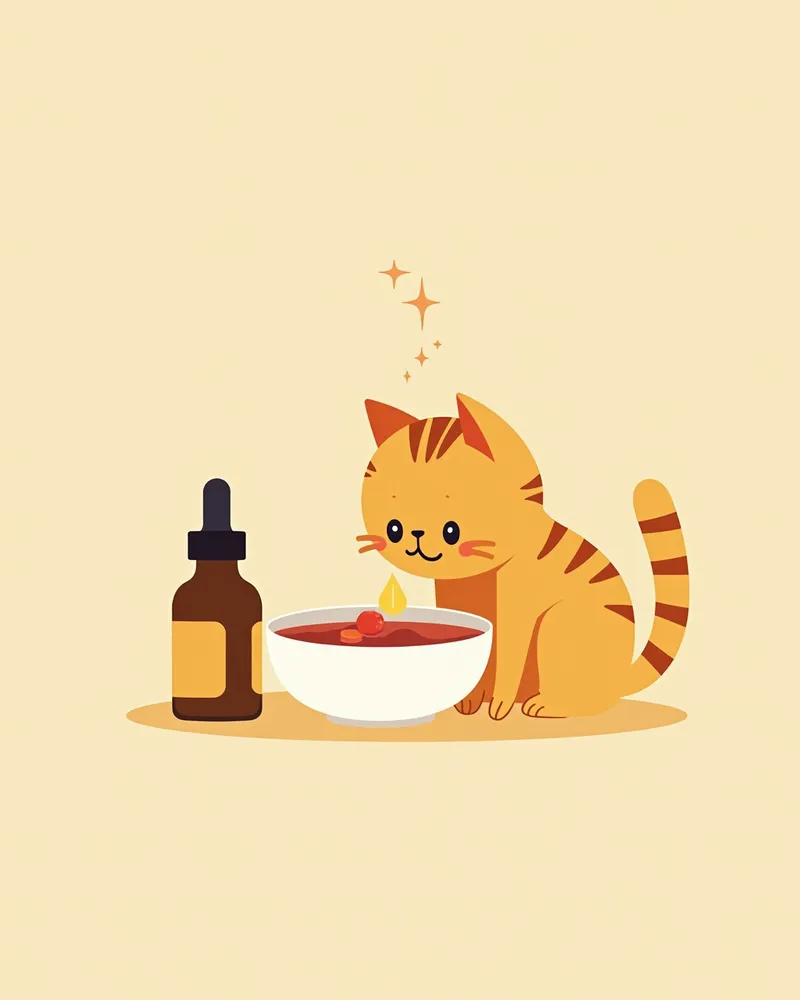
Core Rib Liver Health Liquid is formulated as a gentle liquid that minimizes gastrointestinal irritation, making it easy to mix into food for cats with reduced appetites. It contains vitamin K1, which can serve as a supportive aid in synthesizing clotting factors when vitamin K deficiency occurs due to liver disease. However, since the hepatoprotective effects of ingredients like selenium and glucosamine lack established textbook evidence, please consult your veterinarian to select this product in combination with evidence-based liver protectants such as SAMe, ursodeoxycholic acid, and vitamin E. Depending on the label instructions, liquid products may require refrigeration after opening. - Supports clotting function: Helps synthesize clotting factors in cases of vitamin K1 deficiency, providing supportive management of bleeding risks. - Easy administration: The liquid form can be easily mixed into kibble or treats for convenient feeding. - Gentle on the stomach: Its low-irritation formula is relatively well-tolerated even when appetite is suppressed. - Regular monitoring: Periodically check liver enzymes (ALT and ALP) and coagulation indicators through blood tests.
Core Liver Liver Health Liquid Product Image

BEST 3: Reblyn Liver Protect Powder

Reblyn Liver Protect Powder is a low-irritation formula designed to be gentle on a cat’s stomach. It contains vitamin K1, which can be used as an adjunct to support the synthesis of clotting factors when liver disease leads to vitamin K deficiency. However, since there is no veterinary evidence confirming that glucosamine promotes hepatocyte regeneration or restores liver function, it is best to consult your veterinarian and choose proven hepatoprotectants such as SAMe, ursodeoxycholic acid, and vitamin E. Administer the recommended dose, such as 0.5 g once daily, and take advantage of the powder form, which mixes easily into food. Because efficacy and recovery rates vary by individual, it is difficult to specify a fixed treatment period; instead, monitor liver enzymes (ALT and ALP) and coagulation markers through blood tests every four weeks. Remember that nutritional supplements are adjunctive therapies and must always be used in conjunction with veterinary-prescribed treatment.
Product image of Reabrin Liver Protection Powder

Comparison Table of Products BEST 1–3

ItemHepatocyte Revital CapsuleCoreliv Liver Health LiquidRayvrin Liver Protection Powder
Listed IngredientsGlucosamine, Saponin, Vitamin K1Vitamin K1, SeleniumGlucosamine, Vitamin K1
Evidence-Based Liver-Protective IngredientVitamin K1 (coagulation support)Vitamin K1 (coagulation support)Vitamin K1 (coagulation support)
FormulationCapsuleLiquidPowder
Dosing FrequencyOnce dailyOnce dailyOnce daily
Additional AdvantageEasy absorptionLow gastrointestinal irritationLow irritation, cats eat it well
Onset of EffectVaries by individualVaries by individualVaries by individual

Among the listed ingredients, the liver-protective effects of glucosamine, saponin, and selenium have no confirmed textbook evidence. Supplements are adjunctive therapy; always obtain a veterinary diagnosis and consultation before administering.

Caution: Side Effects May Occur with Overdose

Supplements, including vitamin K1, should be used safely by following the dosage and duration prescribed by your veterinarian. Vitamin K1 is carefully administered at the specified dose (for example, 0.5–1.0 mg/kg subcutaneously every 12 hours for three doses) when there is liver disease or vitamin K deficiency. Do not self-medicate or take it arbitrarily based on your own judgment. Intravenous administration is discouraged due to the risk of anaphylaxis. If your cat shows signs of bleeding, visit a veterinary clinic immediately.

4 Usage Tips

To get the most out of supplements for managing feline liver disease and coagulation disorders, keep these tips in mind:
Fat-soluble ingredients should be given with meals: Fat-soluble nutrients like vitamin K1 and vitamin E are better absorbed when taken with dietary fat, so administering them with or after a meal is more effective than on an empty stomach. Consult your veterinarian for the best timing.
Follow storage instructions: Liquid products may require refrigeration. Always follow the storage guidelines on the product label.
Consistent use: The time it takes to see results varies by individual, so continue administering the supplement consistently for the duration recommended by your veterinarian.
Regular blood tests: Periodically monitor liver enzymes (ALT, ALP) and coagulation markers (PT, aPTT) through routine blood work.
Tips for managing your cat’s supplement schedule

Reviewed by a veterinarian

Dr. Tony — Punnawat Phongkittirak

Dr. Tony — Punnawat Phongkittirak

Veterinarian

A veterinarian who majored in veterinary medicine at Khon Kaen University, Thailand, and completed the IVSA program at North Carolina State University in the United States. Drawing on clinical experience at animal hospitals, he works in the pet healthcare field and is dedicated to building a digital care environment that connects pet parents with veterinarians.

Frequently Asked Questions

Can feline liver disease and coagulation abnormalities be cured?
It depends on the cause and severity. With early detection and appropriate treatment and care, symptoms can be stabilized, and in some cases, recovery is possible depending on the underlying cause. However, if the condition has become chronic, ongoing management will be necessary, so please consult with your veterinarian.
Does giving my pet nutritional supplements mean I don’t need to give them medication?
No. Nutritional therapy plays a supportive role in most liver diseases. Medications prescribed by your veterinarian must be administered as directed, while nutritional supplements serve as an adjunct to aid recovery.
When should I take my pet to the vet?
If your pet experiences persistent skin bleeding, nosebleeds, blood in the stool, lethargy, or loss of appetite, immediate veterinary care is necessary. These symptoms may indicate a clotting disorder or worsening liver function.
How long should I continue giving my pet nutritional supplements?
The duration of treatment varies from pet to pet. Your veterinarian will adjust the dosage and length of therapy based on blood test results and your pet’s condition, and long-term management may be necessary for chronic liver disease.
Can I give the same supplement to all cats?
No. The appropriate product and dosage depend on your cat’s weight, age, and the severity of its condition. A veterinarian should recommend the right option based on your cat’s weight and overall health.

Share

Related Guides

References

[1] Plumb's Veterinary Drug Handbook, 9th Edition. Wiley-Blackwell, 2021.

[2] Ettinger, S.J. & Feldman, E.C. (2022). Textbook of Veterinary Internal Medicine, 9th ed. Elsevier.

[3] Fundamentals of Veterinary Clinical Pathology, 3rd Edition. Elsevier, 2020.

This information is based on veterinary literature and does not replace diagnosis or treatment. Please consult a veterinarian for specific health concerns.

Metapet Co., Ltd. | CEO: Park Sung-yong | Business Reg. No. 417-88-02562 | Seoul, South Korea | Customer Center

Cat Liver Failure & Bleeding: 7 Signs of Coagulation Issues | Meongsiljang