Like
Share
멍실장
강아지 항문낭 케어 고섬유 사료 추천 TOP 5 — 보호자가 꼭 알아야 할 선택 기준과 급여법

Top 5 High-Fiber Dog Foods for Anal Gland Care — Selection Criteria and Feeding Tips Pet Parents Must Know

DigestiveTop PicksMeongsiljang Veterinary Advisory Board

We’ve compared five high-fiber dog foods for pups with recurring anal gland issues, breaking down fiber content, ingredients, and feeding tips in a way that’s easy for pet parents to understand.

Why Is Diet Important for Your Dog’s Anal Glands?

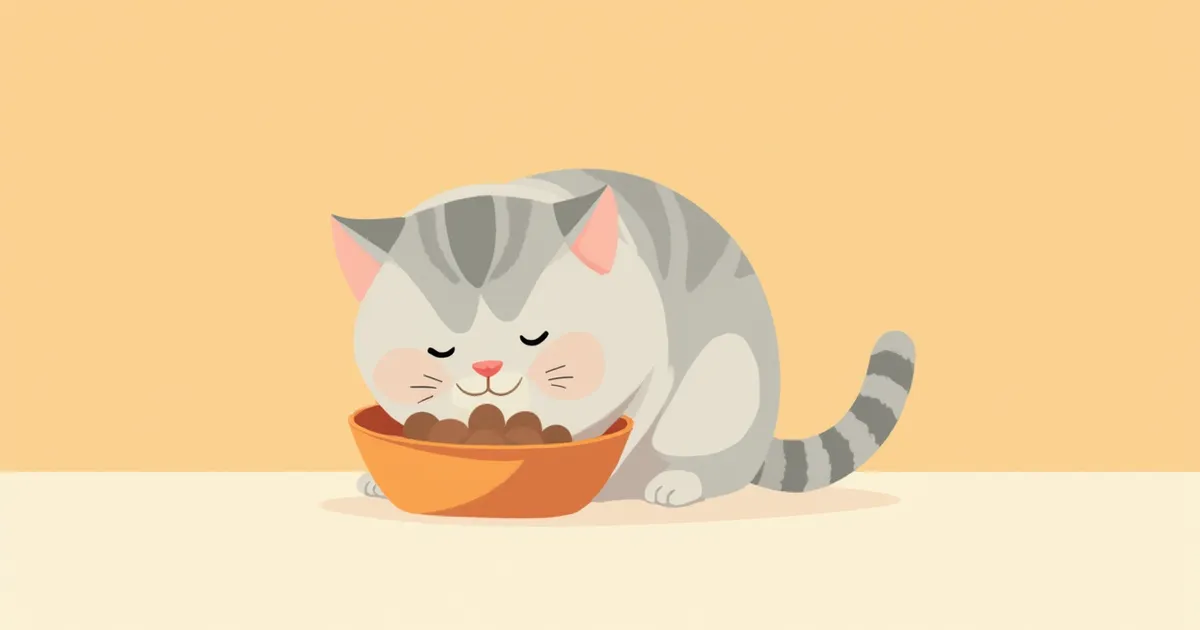
A healthy puppy sitting next to a high-fiber food bowl
Your dog’s anal sacs are small glands located on either side of the anus (at the 4 and 8 o’clock positions). They naturally empty when pressure from stool passes through during defecation, which is why stool consistency and firmness are important. If the stool is too soft, the sacs may not empty properly, causing the secretions to thicken and accumulate (impaction). This can lead to swelling, pain, and the need for frequent manual expression. In fact, anal sac impaction is more common in dogs with soft stools and is often linked to factors that affect stool quality, such as obesity or gastrointestinal disorders. Adding appropriate amounts of dietary fiber can help improve stool consistency in some dogs. However, even veterinary textbooks caution against assuming that diet alone will completely resolve the issue or prevent recurrence, as relapses are common. If symptoms persist, it’s best not to rely solely on food changes but to work closely with your veterinarian for proper management.

4 Criteria for Choosing High-Fiber Dog Food

Choosing pet food based on just one or two numbers on the label can easily lead to mistakes. Please check the following four factors together. - Crude Fiber Content: Check if the product has enhanced fiber compared to regular pet food. Fiber can help form proper stool consistency. However, the appropriate amount varies depending on your pet's condition, so it's best to consult with your veterinarian. - Type of Fiber: Fibers like beet pulp and psyllium (isabgol) differ in viscosity and fermentability, which affects how they work in the intestines. A balanced mix is generally better than relying on just one type. - Protein and Fat: Higher fiber content can affect the digestion and absorption of other nutrients, so choose a product that maintains nutritional balance and doesn't compromise on other essential nutrients. - Digestibility: Low-cost pet foods may cause gas or loose stools, so prioritize brands with verified nutritional balance.

What to Check Before Switching Diets

If anal sac issues persist for more than two weeks, or if the area around the anus becomes red, swollen, and painful, you should have your pet examined by a veterinarian before making any dietary changes. Anal sac inflammation, abscesses, and tumors cannot be resolved with diet alone, and attempting to express the sacs improperly at home can lead to rupture.

At-a-Glance Comparison of the Top 5 High-Fiber Dog Foods

ItemRoyal Canin GI FiberHill's W/DPurina OMAcana Light & FitNatural Balance LID Sweet Potato
Crude fiber contentApprox. 7.5%Approx. 11%Approx. 7%Approx. 6%Approx. 5%
Main fiber sourceBeet pulp, psyllium huskCellulose, beet pulpSoybean hulls, oatsLentils, squashSweet potato, peas
Protein25%19%32%32%21%
Recommended forChronic soft stool, anal sacsWith weight managementObesity + anal sacsActive adult dogsDogs with single-protein allergy
TypePrescription dietPrescription dietPrescription dietRegular dietRegular diet

It is safest to feed prescription diets after consulting a veterinarian. Contents are based on the manufacturer's official data and may vary over time.

1st Place — Royal Canin GI Fiber Response

Royal Canin GI Fiber Response is a prescription diet featuring a blend of soluble and insoluble fibers, widely recommended for managing chronic loose stools and anal gland issues. It contains both beet pulp and psyllium to help regulate stool consistency and bulk. - Recommended for: Pets who frequently have soft stools or experience anal gland impaction more than twice a month. - Precautions: As this is a prescription diet, consult your veterinarian before feeding. Sudden diet changes may lead to increased gas. - Feeding tips: Transition gradually over 1–2 weeks by mixing with the current food in the following proportions: 25%, then 50%, then 75% of the new diet.
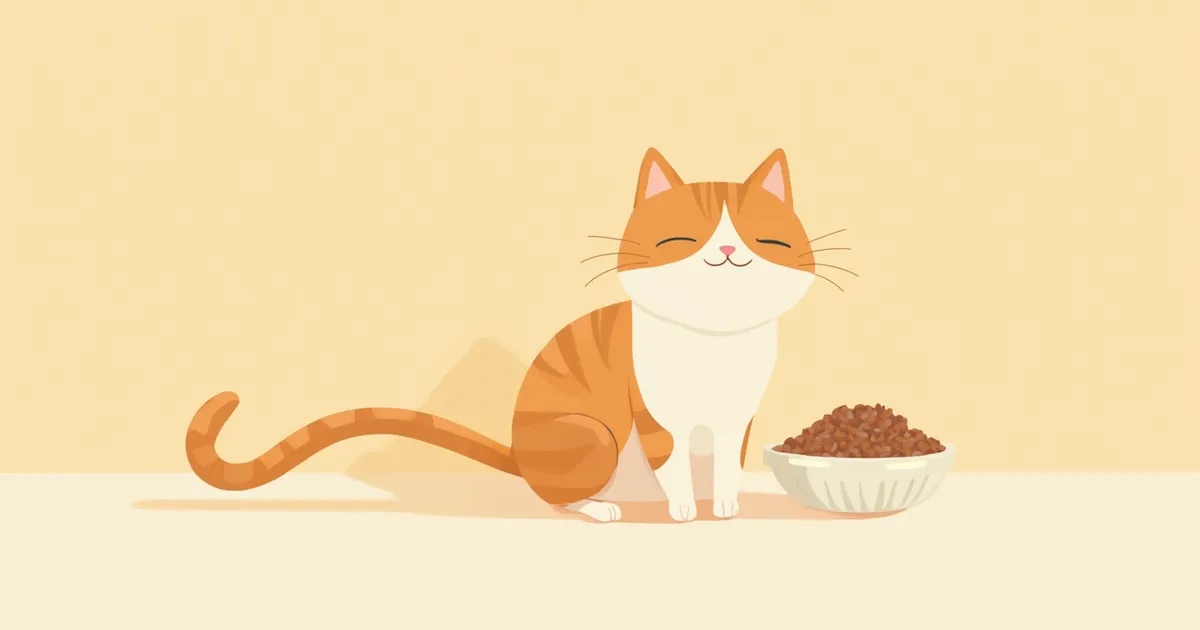
A bowl of high-fiber prescription diet food, along with beet pulp and psyllium husk ingredients

2nd Place — Hill’s Prescription Diet w/d

Hill’s Prescription Diet w/d contains approximately 11% crude fiber, making it one of the highest-fiber options on this list. It is frequently recommended for dogs managing weight, diabetes, and anal gland issues simultaneously. - Pros: Meets both low-calorie and high-fiber needs while promoting satiety - Cons: Protein content is relatively low at around 19%, which may be insufficient for active young dogs - Recommended for: Neutered adult to senior dogs prone to weight gain, especially those requiring concurrent anal gland care

3rd–5th Place — Purina OM, Acana, Natural Balance
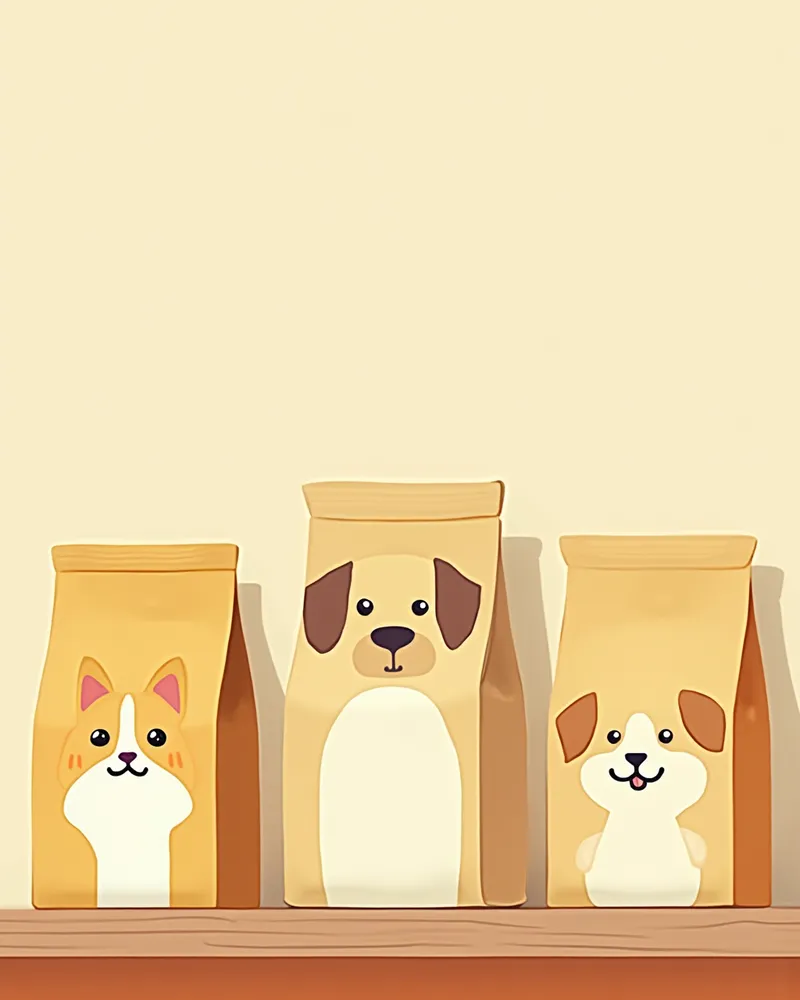
3rd Place: Purina OM – This prescription diet for weight management has numerous clinical reports highlighting its effectiveness in supporting anal gland health. With 32% protein, it helps maintain muscle mass. 4th Place: Acana Light & Fit – Although this is a regular (non-prescription) diet, it provides ample natural fiber from lentils and pumpkin. It’s a good first option for pet owners who are hesitant to start with a prescription diet. 5th Place: Natural Balance LID Sweet Potato – This formula combines a single protein source with sweet potato fiber, making it suitable for dogs with suspected allergies and anal gland concerns. However, its fiber content is relatively low at 5%, so it’s best suited for small-breed dogs that produce smaller stool volumes.
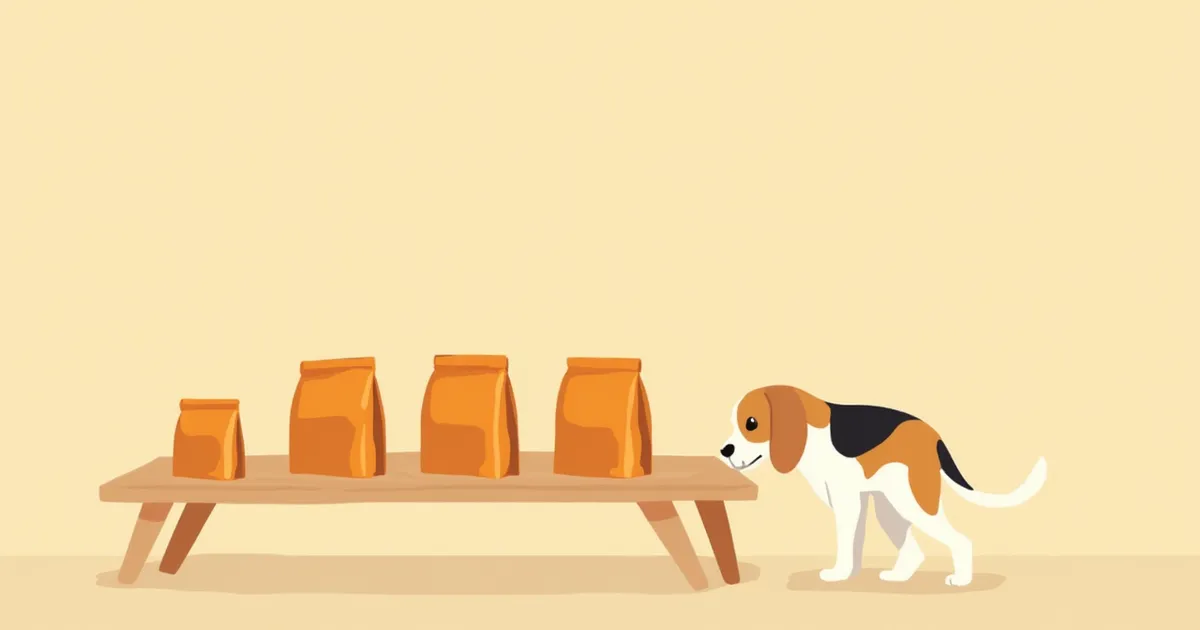
Comparison display image of three high-fiber pet food packages

Key Fiber Ingredients for Anal Gland Care

Safe

차전자피(Psyllium)

수용성 섬유, 변의 점도와 수분 균형 조절

Dosage: 체중 1kg당 0.1~0.2g/일

수의내과학 교과서 권장

Safe

비트펄프(Beet Pulp)

발효성 섬유, 장내 유익균 먹이 + 변 굵기 증가

Dosage: 사료 내 5~7% 수준

Safe

셀룰로오스

불용성 섬유, 변량 증가로 항문낭 자연 압착 유도

Dosage: 사료 내 2~5% 수준

Safe

호박·고구마

혼합 섬유 + 베타카로틴, 부드러운 변 형성

Dosage: 체중 5kg당 1~2큰술/일 토핑

Precautions When Feeding High-Fiber Dog Food

Suddenly increasing fiber intake can cause gas, bloating, and temporary diarrhea. Always transition gradually over 1–2 weeks, and ensure your pet has access to more water than usual by optimizing their water-drinking environment. Fiber needs adequate moisture to help normalize stool consistency. Additionally, pets with a history of kidney disease or pancreatitis require different prescription diets, so do not start high-fiber food without veterinary guidance.

Reviewed by a veterinarian

Dr. Tony — Punnawat Phongkittirak

Dr. Tony — Punnawat Phongkittirak

Veterinarian

A veterinarian who majored in veterinary medicine at Khon Kaen University, Thailand, and completed the IVSA program at North Carolina State University in the United States. Drawing on clinical experience at animal hospitals, he works in the pet healthcare field and is dedicated to building a digital care environment that connects pet parents with veterinarians.

Frequently Asked Questions

Will feeding a high-fiber diet eliminate the need for anal gland expression?
Every dog is different. While dietary adjustments can help reduce the frequency of anal gland impaction in some cases, it’s difficult to guarantee that diet alone will completely resolve the issue, and recurrence is common. The cornerstone of managing anal gland impaction remains regular monitoring and manual expression when necessary. Dogs that are overweight or have a body type prone to poor secretion drainage especially require consistent check-ups.
Will adding only pumpkin and sweet potato as toppings be effective?
For mild cases, adding a fiber-rich vegetable topping can be helpful. However, if the daily kibble itself is very low in fiber, a topping alone may not be sufficient. Since there’s no set standard for the exact amount, start with a small portion and adjust based on your pet’s stool consistency. Be cautious, as a sudden increase in fiber can lead to gas or loose stools.
Prescription vs. regular high-fiber diets: How should you choose?
If your dog suffers from chronic or recurrent anal gland issues, a prescription diet should be the first choice. For mild prevention, opt for regular commercial foods containing at least 5% crude fiber, with ingredients such as beet pulp and psyllium husk.
Will I see results within a few days of switching to a new food?
It’s difficult to determine stool consistency and how often the anal glands fill up within just a few days. Typically, you need to monitor your pet consistently for at least **1 to 2 weeks** to assess any changes. Additionally, since impacted anal glands often require repeated management over several weeks (approximately **3 to 4 weeks**) even after expression, avoid drawing conclusions about effectiveness based on too short a timeframe.
Even though my pet is eating a high-fiber diet, their stools remain soft.
It could be due to an imbalance in gut microbiota, food allergies, or exocrine pancreatic insufficiency. If there’s no improvement after two weeks, please visit a veterinary clinic for fecal and blood tests to identify the underlying cause.

Share

Related Guides

References

[1] Fascetti AJ, Delaney SJ. Applied Veterinary Clinical Nutrition, 2nd Ed. Wiley-Blackwell, 2023. Ch.8 Commercial and Home-Prepared Diets

[2] Hand MS et al., Small Animal Clinical Nutrition, 5th Ed. Mark Morris Institute, 2010. Ch. Fiber and Large Bowel Health

[3] Ettinger SJ, Feldman EC. Textbook of Veterinary Internal Medicine, 8th Ed. Elsevier, 2017. Ch. Diseases of the Anus and Perianal Region

This information is based on veterinary literature and does not replace diagnosis or treatment. Please consult a veterinarian for specific health concerns.

Metapet Co., Ltd. | CEO: Park Sung-yong | Business Reg. No. 417-88-02562 | Seoul, South Korea | Customer Center

Top 5 High-Fiber Dog Foods for Anal Gland Care | Meongsiljang