Like
Share
멍실장
강아지 구토 후 회복 사료 추천 TOP 5 — 소화 쉬운 처방식 비교 가이드

Top 5 Prescription Recovery Diets for Dogs After Vomiting — A Comparison Guide for Easily Digestible Options

DigestiveTop PicksMeongsiljang Veterinary Advisory Board

Prescription recovery diets for dogs are specially formulated to replenish nutrients and fluids while minimizing digestive strain on a stomach weakened by vomiting or diarrhea. The key factor is digestibility.

What Are Prescription Recovery Diets for Dogs?

Prescription recovery diets for dogs are designed to replenish nutrients and fluids while minimizing digestive strain on a stomach weakened by vomiting or diarrhea. The key factor is digestibility. Ingredients, including protein, are processed so they are easily absorbed without requiring excessive effort from the digestive system, allowing small, frequent meals to provide the energy and nutrition needed for recovery. Veterinary textbooks also recommend offering small, frequent portions of bland, easily digestible food once vomiting has subsided. However, if vomiting persists for more than 12–24 hours, or is accompanied by bloody stools or lethargy, seeking veterinary care takes priority over selecting a specific diet.

When to Choose a Recovery Diet

Not every case of vomiting requires a prescription diet. Let’s distinguish between situations where returning to regular food is fine and those where a recovery diet is beneficial. - Transient vomiting: If your pet vomits only once or twice and otherwise seems fine, withholding food for about 12 hours and then gradually reintroducing small amounts of their regular diet is usually sufficient. - Recovery after repeated vomiting: When vomiting persists for more than 12 hours and then stops, the gastrointestinal lining remains sensitive. - Immediately post-surgery or hospitalization: During the appetite recovery phase after anesthesia and surgery (textbooks also recommend early oral feeding after surgery). - Chronic gastrointestinal conditions: When recommended by a veterinarian following a diagnosis of pancreatitis, inflammatory bowel disease (IBD), or similar conditions. - Recovery in senior dogs: Persistent vomiting in older dogs may indicate a more serious underlying condition, so veterinary care alongside a recovery diet is necessary.

Visit the Vet First, Change the Diet Later

If you notice any of the following signs, visit a veterinary clinic before changing your pet’s diet. Dehydration and the underlying cause can be more dangerous than the vomiting itself. - Vomiting lasting more than 24 hours - Blood or dark, coffee-ground-like particles (digested blood) in the vomit - Lethargy or changes in gum color (pale or yellow) - A distended abdomen with repeated dry heaving (possible gastric dilatation-volvulus) - Suspected ingestion of foreign objects (toys, strings, bone fragments)

Key 1: What to Look for in a Recovery Diet
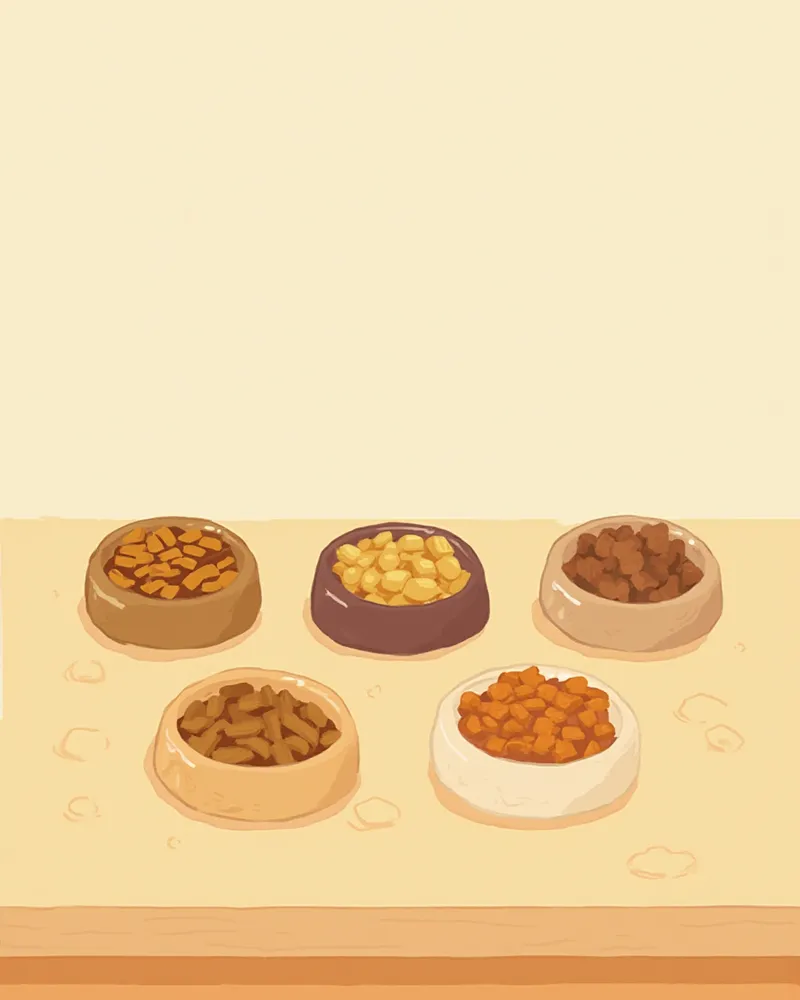
During the recovery phase after vomiting, it is important to feed a diet that is gentle on the stomach and easy to digest. When choosing a food, look for one that is in an easily digestible form (such as hydrolyzed or low-residue), provides high-quality protein and appropriate calories needed for recovery, and has good palatability to encourage eating in pets with reduced appetite. Depending on the cause of the vomiting, a low-fat diet may be necessary. If your veterinarian recommends a specific recovery prescription diet, it is safest to prioritize that option. Switching to a new food abruptly can instead irritate the stomach.
Recovery diet: What should you look for when choosing one? Related guide image

Key Points for Choosing a Recovery Diet After Vomiting

ItemKey points
Selection criteriaEasily digestible form, quality protein, appropriate calories, palatability
Prescription diet firstIf a veterinarian-recommended recovery prescription diet exists, consider it first
Identify causeFor frequent/severe vomiting, diagnose the cause first (foreign body, pancreas, kidney, etc.)
Feeding methodSmall amounts frequently, warmed; transition food slowly over several days
CautionConsider underlying conditions; do not choose supplements/products arbitrarily—consult your veterinarian

This table does not recommend specific products or devices; it is a reference for home management. Always consult your veterinarian for interpreting measurements and treatment decisions.

Key 2: Identify the Cause of Vomiting First

Recovery diets are always just a supportive measure, so if vomiting is recurring or severe, identifying the underlying cause should be the first priority. The causes can vary widely, from simple gastrointestinal irritation to foreign body ingestion, pancreatitis, kidney or liver disease, and infections. If vomiting is frequent or accompanied by lethargy, loss of appetite, or diarrhea, a veterinary visit is necessary. When and how to introduce a recovery diet depends on the cause of the vomiting and the pet's condition, so it's best to consult with your veterinarian. If dehydration is suspected, managing fluids and electrolytes may be needed before introducing food.

Key 3: Feeding Frequency Matters More Than Quantity
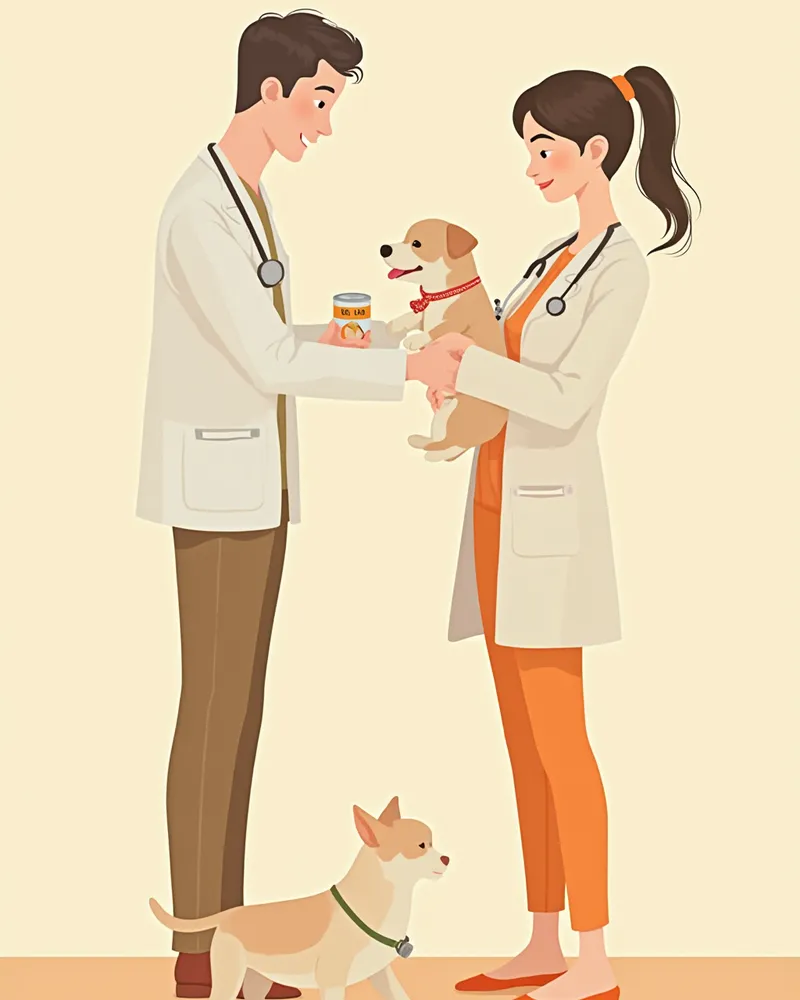
During recovery, it’s better to offer small, frequent meals rather than large portions at once to reduce the burden on the stomach. Start with a very small amount, monitor whether your pet eats well and doesn’t vomit, and gradually increase the portion size. Warming the food slightly can improve its palatability. When transitioning back to their regular food, do so slowly over several days. Keep a close eye on their appetite, watch for any recurrence of vomiting, and check their stool consistency. If recovery is slow or vomiting returns, don’t try to manage it on your own—consult your veterinarian.
When it comes to feeding, the timing and intervals matter more than the amount. Please refer to the accompanying guide image.

Key 4: Consult Your Veterinarian for Prescription Diets and Supplements

It’s best to consult your veterinarian to choose a recovery diet or gastrointestinal supplement that suits your pet’s condition. Rather than selecting a product based solely on online reviews, consider the cause of vomiting and any underlying diseases (such as kidney or pancreatic conditions). In particular, if your pet has a condition requiring restricted fat or protein intake, a standard recovery diet may not be appropriate. Avoid adding supplements on your own; for safety, follow your veterinarian’s guidance regarding the recovery stage and when to transition back to your pet’s regular diet.

Key Ingredients Commonly Found in Recovery Diets

Safe

가수분해 단백질(Hydrolyzed Protein)

위장 부담 없이 흡수, 알레르기 위험 낮춤

Dosage: 제품 권장 급여량 준수

수의임상영양학 교과서 8장

Safe

프리바이오틱(FOS·MOS)

장내 유익균 증식 지원

Dosage: 제품 내 함유량 따름

Safe

오메가-3(EPA·DHA)

장 점막 항염, 회복 촉진

Dosage: 제품 권장 따름

Caution

중쇄중성지방(MCT)

췌장 부담 적은 에너지원

Dosage: 지방 제한식에 소량 첨가

췌장염 회복기에만 권장

Feeding Method — Frequency Matters More Than Quantity

The key to feeding during recovery is to avoid large meals all at once, as overwhelming the stomach can trigger vomiting. Veterinary guidelines recommend offering small, frequent portions of easily digestible food once vomiting has subsided. - First few days: Start with very small amounts, divided into multiple feedings throughout the day, and monitor whether your pet eats well and remains vomit-free. - Subsequent days: If your pet continues to eat without vomiting, gradually increase portion sizes while slowly reducing the number of feedings. - Transitioning back to regular food: Once stable, slowly transition back to their regular diet over several days (typically 2–3 days or more) by gradually increasing the proportion of regular food. While free-access water is generally recommended, if drinking triggers immediate vomiting, switch to offering small, frequent amounts using ice chips or a syringe. If dehydration is suspected, prioritize fluid and electrolyte replenishment over solid food.
A small puppy drinking water slowly from a shallow bowl

Do Not Feed Recovery Diets Long-Term Like Regular Food

Recovery diets are formulated as short-term nutritional support for the recovery period. Veterinary textbooks recommend feeding a bland, easily digestible recovery diet for a few days after vomiting has subsided, then gradually transitioning back to the regular diet as the pet’s condition improves. Therefore, rather than continuing a recovery diet long-term like a regular food without specific cause, it is best to slowly transition back to the usual diet over several days once recovery is stable. However, if a long-term prescription diet is required due to a chronic condition, always follow the specific product and feeding duration prescribed by your veterinarian.

Reviewed by a veterinarian

Dr. Tony — Punnawat Phongkittirak

Dr. Tony — Punnawat Phongkittirak

Veterinarian

A veterinarian who majored in veterinary medicine at Khon Kaen University, Thailand, and completed the IVSA program at North Carolina State University in the United States. Drawing on clinical experience at animal hospitals, he works in the pet healthcare field and is dedicated to building a digital care environment that connects pet parents with veterinarians.

Frequently Asked Questions

Can I give recovery food right after my pet vomits?
Not at all. For about 12 hours after vomiting, it’s best to withhold food first. During this time, don’t give large amounts of water at once—start with small, frequent sips instead. If vomiting continues even after the fasting period, seek veterinary care before offering food again.
Can I feed chicken breast and rice porridge instead of recovery food?
While a short-term diet of one to two days is acceptable, it should not be prolonged. Although boiled chicken breast and white rice are recognized in veterinary textbooks as an option for short-term recovery diets, homemade meals carry the risk of becoming nutritionally deficient or imbalanced over time. If your pet requires a recovery diet for more than a few days, it is safer to use a veterinarian-prescribed recovery food or consult with your vet.
Can I get it without a prescription?
Short-term recovery diets like Recovery and a/d are available over-the-counter at some pharmacies and online stores. However, chronic-condition formulas such as Gastro Low Fat and i/d should only be used under veterinary guidance after a proper diagnosis. Long-term use without professional supervision can lead to nutritional imbalances.
My puppy is refusing recovery food. What should I do?
Slightly warming canned food to body temperature can enhance its aroma and stimulate your pet's appetite. If they still refuse to eat, try switching to a different brand or administering small amounts via syringe. If your pet has no appetite for more than 24 hours, contact your veterinarian.
How many days should I feed my pet recovery food?
There’s no fixed timeline. Generally, once vomiting subsides and your pet starts eating well, you can maintain a recovery diet for a few days before gradually transitioning back to their regular food over several days. Veterinary guidelines recommend feeding a recovery diet for 2–3 days before gradually reintroducing the normal diet. If your pet has a chronic gastrointestinal condition, it’s best to switch to the long-term prescription diet recommended by your veterinarian.

Share

Related Guides

References

[1] Fascetti AJ, Delaney SJ. Applied Veterinary Clinical Nutrition, 2nd Ed — Commercial and Home-Prepared Diets, Chapter 8

[2] Schaer M, Gaschen FP. Clinical Medicine of the Dog and Cat, 4th Ed — Section V: Elements of Therapy, Chapter 25 Nutritional Support

[3] Little S. The Dog Care Handbook — Diet and Nutrition Chapter

This information is based on veterinary literature and does not replace diagnosis or treatment. Please consult a veterinarian for specific health concerns.

Metapet Co., Ltd. | CEO: Park Sung-yong | Business Reg. No. 417-88-02562 | Seoul, South Korea | Customer Center

Top 5 Recovery Diets for Dogs After Vomiting: Easy to Digest | Meongsiljang