Like
Share
멍실장
고양이 헤어볼 케어 고섬유 사료 추천 TOP 5 — 토함 줄이고 장 건강 챙기는 식이섬유 가이드

Top 5 High-Fiber Hairball Care Cat Foods — A Dietary Fiber Guide to Reducing Hairballs and Supporting Gut Health

DigestiveTop PicksMeongsiljang Veterinary Advisory Board

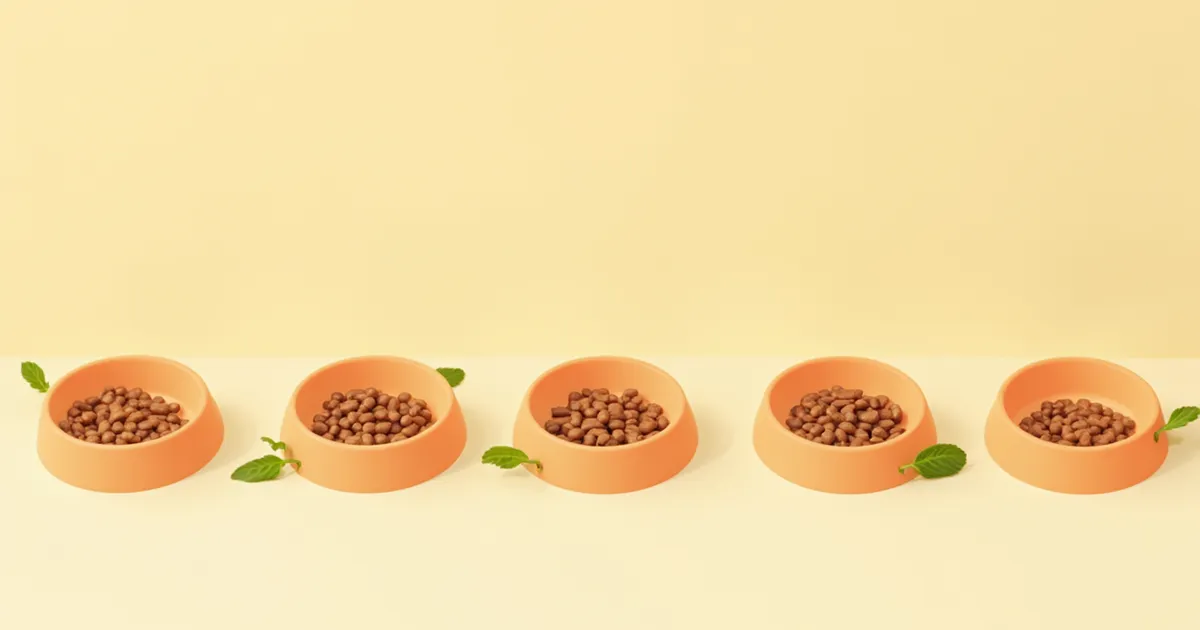
We compared five high-fiber hairball care cat foods that help gently pass swallowed fur during grooming, based on their dietary fiber content, palatability, and price range. We also outlined selection criteria for different situations, from short-haired to long-haired breeds.

What Are Cat Hairball Formulas?
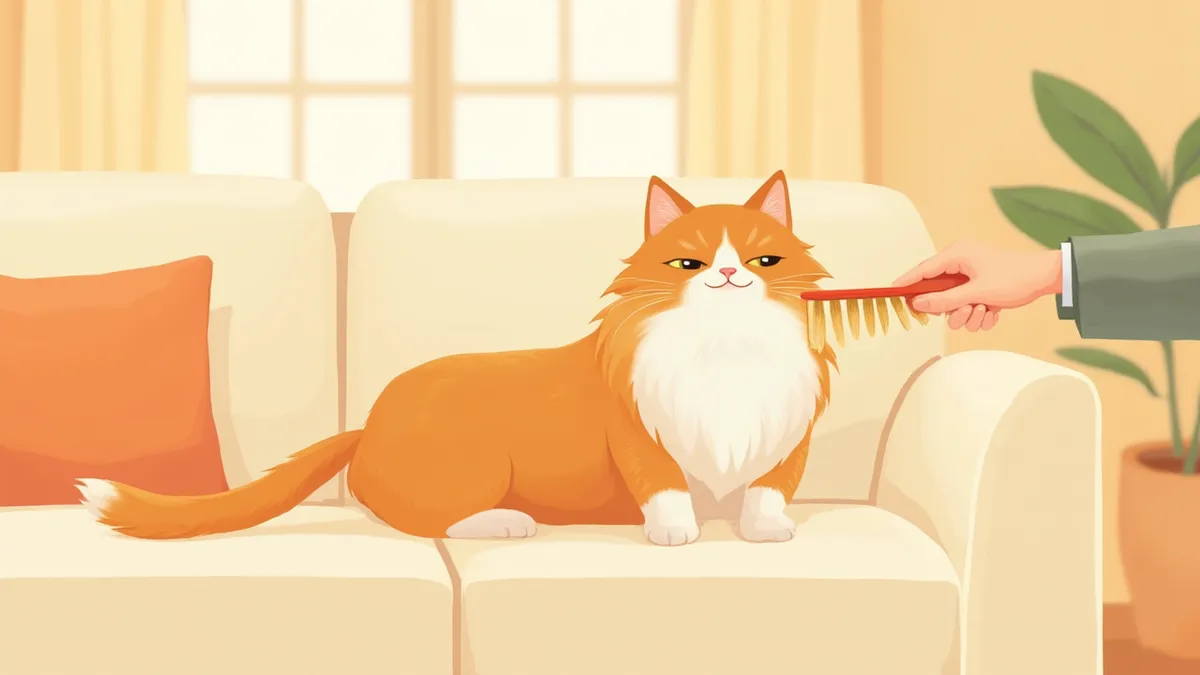
A photo of a long-haired cat breed getting groomed
Cat hairball formulas are functional diets fortified with dietary fiber and coat-nourishing nutrients to help pass ingested hair clumps through the stool rather than letting them accumulate in the stomach. Since cats groom themselves daily, swallowed hair can clump in the stomach, leading to vomiting or constipation. What truly matters is not the "amount" of dietary fiber, but its "type." According to veterinary nutrition textbooks, fiber sources like cellulose and beet pulp are not consistently effective for hairball management, whereas viscous fibers such as psyllium help by increasing stool moisture and promoting smoother passage. While dietary fiber increases stool bulk to stimulate colonic motility, excessive amounts can actually worsen constipation, making balance crucial. Therefore, it is better to evaluate the fiber "composition" rather than simply choosing a diet with high fiber content. This is especially important for long-haired breeds or indoor cats.

Why Does Dietary Fiber Help Reduce Hairballs?

Hairballs are clumps of fur that form in a cat’s stomach after they swallow loose hair while grooming. Under normal circumstances, these clumps pass harmlessly through the digestive tract and are expelled in the stool. However, if the amount of ingested hair is excessive, it can lead to vomiting or even intestinal blockage. Dietary fiber helps by increasing stool bulk, which stimulates colonic contractions and facilitates the passage of swallowed hair along with the feces. That said, veterinary nutrition textbooks note that not all fiber sources are equally effective for hairball management. Cellulose and beet pulp, for instance, generally offer little benefit, whereas highly viscous and fermentable fibers—such as psyllium husk—help by increasing stool moisture and promoting smoother elimination. It is important to note, however, that excessive fiber can increase stool bulk to the point of worsening constipation, so maintaining the appropriate dosage is crucial.

At-a-Glance Comparison of the Top 5 Hairball Care Cat Foods

ItemRoyal Canin Hairball CareHill's Science Diet HairballIams Proactive HairballPurina One HairballWellness Complete Hairball
Crude Fiber (%)8.4%6.5%4.5%4.2%5.5%
Protein (%)31%32%32%37%36%
Main Fiber SourceCellulose & psyllium huskBeet pulp & celluloseBeet pulpCelluloseTomato pomace & flaxseed
Grain-FreeFalseFalseFalseFalseTrue
PalatabilityHighHighModerateModerateModerate
Price per 1kg$10$10$10$10$20

Average prices from major domestic online pet shops as of May 2026; contents based on manufacturer-disclosed values

No. 1. Royal Canin Hairball Care
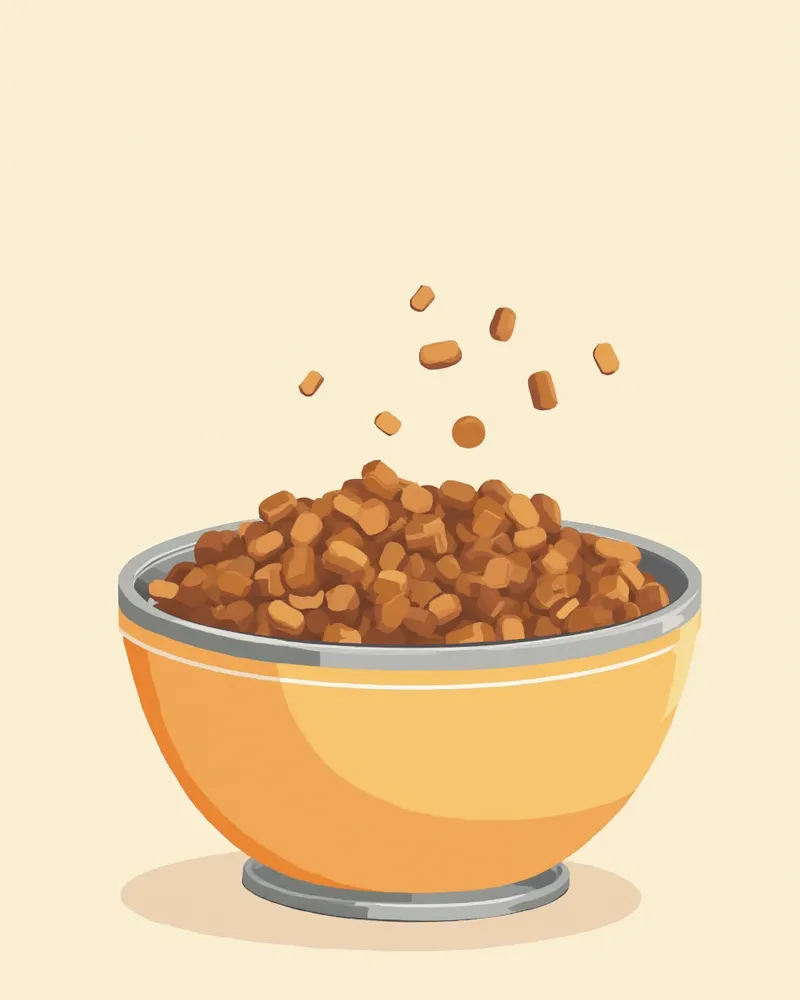
This food boasts the highest dietary fiber content among the five options, at 8.4%. Its key feature is the addition of psyllium to cellulose, providing viscous soluble fiber alongside insoluble fiber. Veterinary nutrition textbooks explain that highly viscous fibers like psyllium increase stool moisture to facilitate smoother elimination. However, specific clinical data, such as "increased hairball excretion after 14 days," cannot be verified by the cited textbook references; please treat such claims as informational based on the manufacturer’s data. Recommended for long-haired breeds: This food is suitable for long-haired breeds such as Persians, Maine Coons, and Ragdolls. However, with a protein content of 31%, which is slightly on the lower side, it is better suited for adult cats aged one year or older rather than kittens.
Close-up of hairball care kibble pieces

No. 2. Hill’s Science Diet Hairball Control

This balanced diet contains 6.5% crude fiber, with a blend of beet pulp and cellulose. Beet pulp is a mixed fiber source that provides both soluble and insoluble fibers, which can influence stool volume and consistency. However, veterinary nutrition textbooks note that there is limited evidence to consistently support the claim that beet pulp and cellulose are effective for hairball control. Therefore, rather than selecting a food based solely on its fiber content, it is advisable to evaluate the overall ingredient profile. The formula is also enriched with omega-6 fatty acids and vitamin E to support skin and coat health. It offers good palatability, making it a suitable choice even for picky eaters. Priced in the mid-range, it is conveniently available at both veterinary clinics and large supermarkets.

No. 3. Iams ProActive Hairball Care

If you’re looking for a cost-effective hairball formula, Iams is a great choice. It contains 4.5% crude fiber, which is average, but boasts 32% protein with chicken as the first ingredient. The dietary fiber composition, centered on beet pulp, helps keep stool soft. Recommended for multi-cat households: At around $10 per kilogram, it’s budget-friendly. It’s ideal for owners who want to lightly prevent hairballs in cats that don’t suffer from severe hairball issues.
Photo of a multi-cat household meal

No. 4. Purina One Hairball Formula

This reasonably priced formula features 4.2% crude fiber, primarily from cellulose. With a protein content of 37%, it has the highest protein level among the five options, making it well-suited for active kittens or adult cats needing to maintain muscle mass. Ideal for short-haired and indoor cats: The fiber level is sufficient for short-haired cats who only occasionally develop hairballs. However, the proportion of additives is slightly higher than that of other premium brands, so please carefully review the ingredient list if your cat has a history of allergies.

No. 5. Wellness Complete Hairball Control

This is the only grain-free formula among the five options. Instead of corn, wheat, and soy, it uses tomato pomace, flaxseed, and peas, making it suitable for cats with grain allergies. With 5.5% crude fiber and abundant omega-3 and omega-6 fatty acids, it can also help improve coat shine. Recommended for grain allergies: At $20 per kilogram, it is the most expensive option, but it is well worth the price for cats with dietary restrictions. It also contains probiotics to support digestive health.

Signs That a Hairball Formula Is Not Enough

If your pet continues to show the following symptoms even after being fed a high-fiber diet for 2 to 3 weeks, it may not be a simple hairball. Vomiting more than three times a day, not having a bowel movement for over three days, loss of appetite accompanied by lethargy, and a hard, distended abdomen — these signs could indicate intestinal obstruction or gastrointestinal disease. Immediate veterinary evaluation with X-ray and ultrasound imaging is necessary. High-fiber hairball diets are intended for prevention and management, not for treating medical conditions.

How to Choose the Right Food for Your Cat
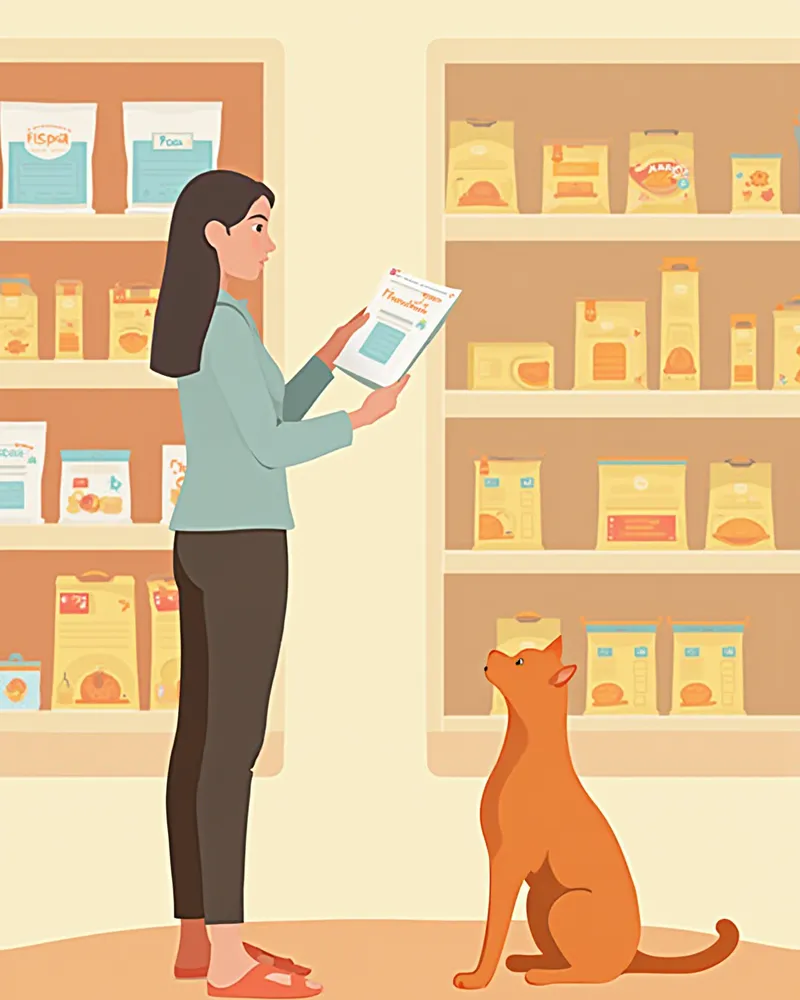
- By coat length: Long-haired breeds benefit from formulas with at least 6% crude fiber (ranks 1 and 2 are recommended), while short-haired breeds do well with 4–5%. - By life stage: Kittens thrive on high-protein diets with at least 35% protein (rank 4). Adult cats do best with ranks 1 and 2, while senior cats benefit from the easier-to-digest options at ranks 2 and 5. - For allergies: Choose the grain-free Wellness formula (rank 5). - For multi-cat households: The cost-effective Iams formula (rank 3) is a great choice. When switching foods, gradually mix the new food into the old over 7–10 days to prevent diarrhea and vomiting.
A pet owner checking the ingredient list on pet food

Reviewed by a veterinarian

Dr. Tony — Punnawat Phongkittirak

Dr. Tony — Punnawat Phongkittirak

Veterinarian

A veterinarian who majored in veterinary medicine at Khon Kaen University, Thailand, and completed the IVSA program at North Carolina State University in the United States. Drawing on clinical experience at animal hospitals, he works in the pet healthcare field and is dedicated to building a digital care environment that connects pet parents with veterinarians.

Frequently Asked Questions

Is it safe to feed hairball-control food to my cat for life?
For healthy adult cats, this food can be fed safely throughout their lives. However, since chronic kidney disease is common in senior cats (7 years and older), it’s best to switch to a senior-specific hairball formula with controlled protein and phosphorus levels to reduce the burden on their kidneys.
Will feeding only hairball-control food completely eliminate hairballs?
Food alone can’t prevent hairballs 100%. To maximize effectiveness, brush your pet 2–3 times a week to remove loose fur before it’s swallowed, and ensure they stay well hydrated.
Is there a reason why the kibble shapes differ in hairball-control cat food?
Hairball-control kibble is intentionally shaped into crosses or elongated forms to encourage cats to chew more thoroughly. Thorough chewing stimulates saliva production, which helps promote smooth digestion and elimination.
Can I give my cat a hairball supplement along with their regular food?
Yes, it’s possible. However, since both products are fortified with dietary fiber, they may cause loose stools. I recommend starting with half the usual supplement dose.
What should I do if the vomiting continues even after changing the food?
If vomiting doesn’t improve after 2–3 weeks of feeding, a veterinary check-up is necessary. There could be other causes, such as gastrointestinal obstruction due to ingestion of foreign objects (including hairballs), inflammatory bowel disease, or gastritis.

Share

Related Guides

References

[1] Fascetti AJ, Delaney SJ. Applied Veterinary Clinical Nutrition, 2nd Ed — Chapter 8: Commercial and Home-Prepared Diets, 2024

[2] Schaer M, Gaschen F. Clinical Medicine of the Dog and Cat, 4th Ed — Section V: Elements of Therapy, Nutritional Support, 2023

[3] Hand MS et al., Small Animal Clinical Nutrition, 5th Ed — Feline Gastrointestinal Disease and Hairball Management Chapter, 2010

This information is based on veterinary literature and does not replace diagnosis or treatment. Please consult a veterinarian for specific health concerns.

Metapet Co., Ltd. | CEO: Park Sung-yong | Business Reg. No. 417-88-02562 | Seoul, South Korea | Customer Center

Top 5 High-Fiber Hairball Care Cat Foods to Cut Hairballs | Meongsiljang