
Cat Liver Hardening — 7 Key Points for Managing Cirrhosis and Fibrosis
Feline hepatic cirrhosis and fibrosis are progressive liver diseases with a low survival rate due to ongoing liver damage. However, with the right nutritional supplements and care strategies, it is possible to improve symptoms and enhance your cat’s quality of life.
Feline Hepatic Cirrhosis and Fibrosis Are Progressive Liver Damage Diseases
Selection Criteria: Be Sure to Check These 4 Key Elements
BEST 1: Hepatocyte Protection Protein Capsules
BEST 2: Omega-3 Liquid Supplement
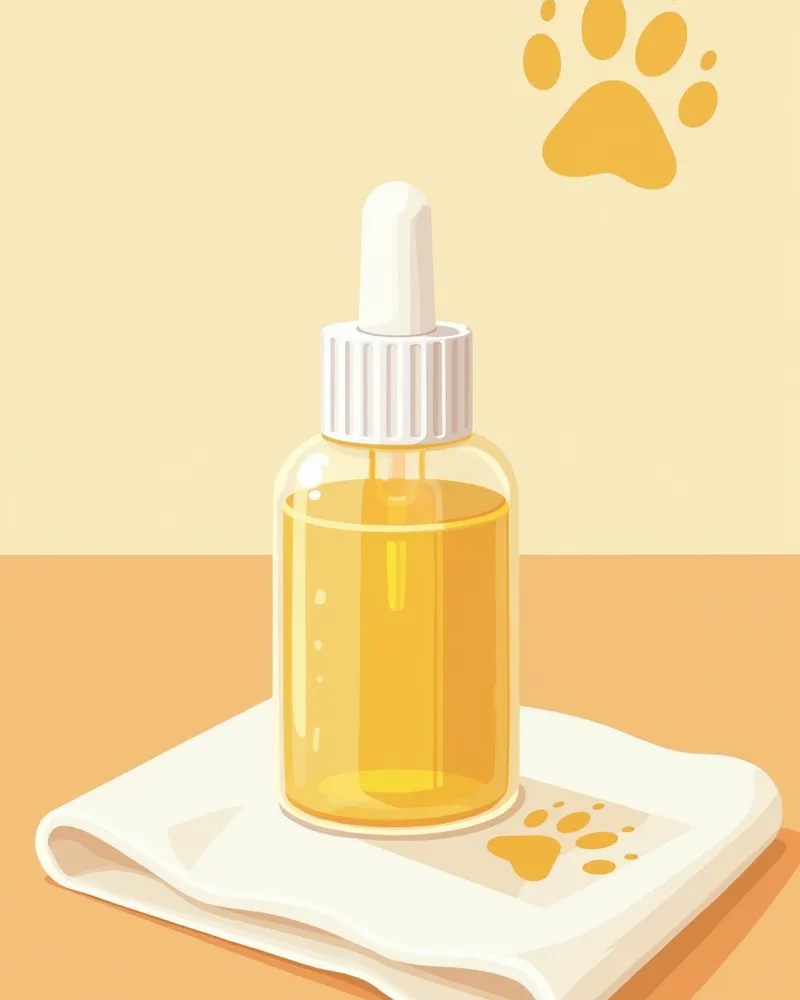
BEST 3: Liver Function Recovery Complex Nutrient Powder

Comparison Table of BEST 1–3 Products
| Item | Product Name | Main Ingredients | Form | Reason for Recommendation |
|---|---|---|---|---|
| BEST 1 | Hepatocyte Protection Protein Capsule | N-acetylcysteine, SAMe | Capsule | Textbook-based liver-protective ingredients, easy to administer |
| BEST 2 | Omega-3 Liquid Supplement | Omega-3 (EPA·DHA), Vitamin E | Liquid | Aids inflammation relief, easy to consume |
| BEST 3 | Liver Function Recovery Complex Supplement Powder | Vitamin E, Omega-3, SAMe·Ursodeoxycholic acid | Powder | Antioxidant and liver-protective support, low refusal rate |
A veterinarian adjusts the ingredients and dosage to your cat's weight and condition. Always consult before administering.
Caution: Excessive Dosage May Increase Liver Burden
In cats with liver cirrhosis or fibrosis, excessive supplementation can actually place additional stress on the liver. Veterinary textbooks note that serious side effects of liver-related ingredients, such as hepatotoxicity and nephrotoxicity, are rare and typically occur only with overdose. Therefore, do not arbitrarily increase the dosage; instead, follow the recommended amount prescribed by your veterinarian based on your cat’s weight and condition. If vomiting, diarrhea, or loss of appetite occurs during administration, stop the supplement immediately and visit your veterinary clinic.
Usage Tips: Closely Monitor Your Cat’s Response

Reviewed by a veterinarian

Dr. Tony — Punnawat Phongkittirak
VeterinarianA veterinarian who majored in veterinary medicine at Khon Kaen University, Thailand, and completed the IVSA program at North Carolina State University in the United States. Drawing on clinical experience at animal hospitals, he works in the pet healthcare field and is dedicated to building a digital care environment that connects pet parents with veterinarians.
Reviewed 2026-06-05
Frequently Asked Questions
When should I start giving my pet nutritional supplements?
How many pills should be given per day?
Can supplements and medications be taken together?
Can I mix the supplement with my pet’s food?
How long does it take for the effects to kick in?
Share
Related Guides

7 Key Symptoms and Management Essentials for Canine Cholecystitis Recommended by Veterinarians

Top 5 Milk Thistle (Silymarin) Liver Supplements for Dogs — A Comparison Guide Based on Silybin Content and Absorption Rates
Top Prescription Diets for Dogs with Liver Disease and Selection Criteria
6 Key Signs of Kidney Disease and High Blood Pressure in Dogs Emphasized by Veterinarians

7 Best Emergency Management Products for Cat Lily Nephrotoxicity Recommended by Veterinarians and Selection Criteria
Veterinarian’s Top 7 Management Products for Cat CKD Anemia (EPO Deficiency) and Selection Criteria

How Much Exercise Is Safe for Dogs with Weak Hearts? — 7 Guidelines for Safe Restrictions

Signs of Canine Cardiac Arrhythmia — Top 7 Recommended Ectopic Beat Management Products
7 Key Points for Managing Your Dog’s Beta-Blocker Heart Medication, as Recommended by Veterinarians

7 Vet-Recommended Tips for Managing Canine Aortic Stenosis — From Heart Murmurs to Exercise Restrictions
References
[1] The Cat, Clinical Medicine and Management, 2nd Edition. Elsevier; 2020.
[2] Plumb's Veterinary Drug Handbook, 9th Edition. Wiley; 2021.
[3] Veterinary Clinical Pathology, 4th Edition. Elsevier; 2019.