Like
Share
멍실장
고양이 심낭삼출·심낭압전 관리 추천 BEST와 고르는 기준 총정리

7 Key Emergency Management Tips for Feline Pericardial Effusion and Cardiac Tamponade Recommended by Veterinarians

HeartTop PicksMeongsiljang Veterinary Advisory Board

Feline pericardial effusion and cardiac tamponade are dangerous conditions that can lead to acute heart failure. Proper management and treatment are essential.

Feline Pericardial Effusion and Cardiac Tamponade Are Serious Heart Conditions
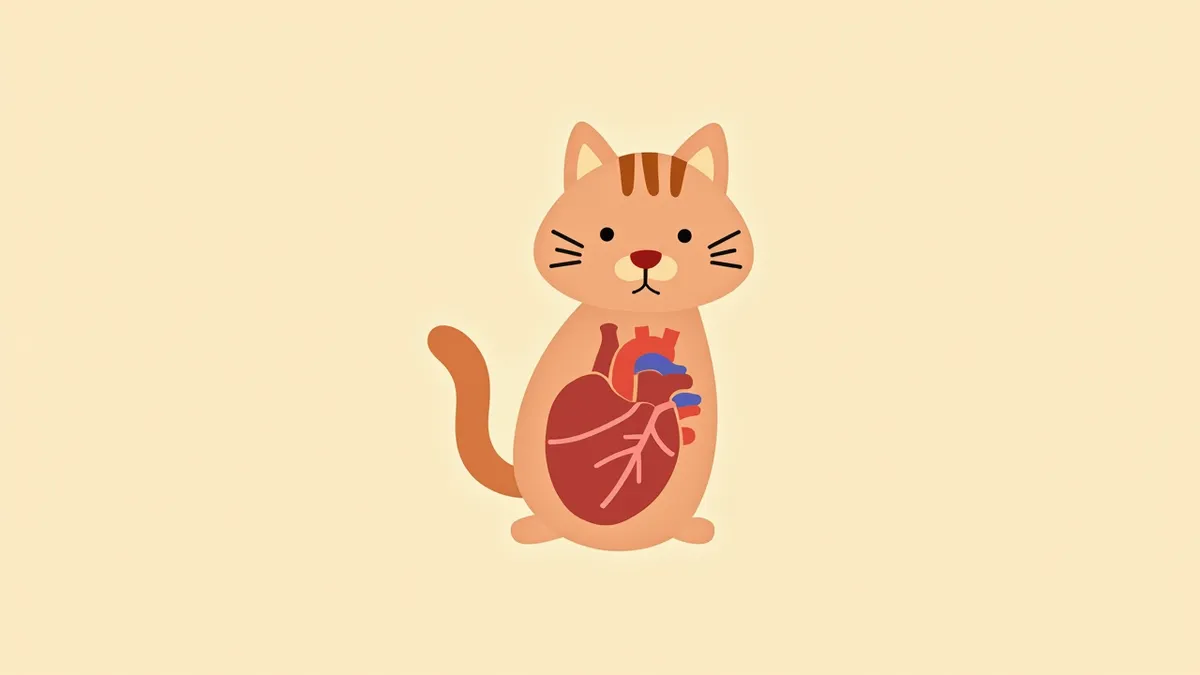
Anatomical diagram of a cat's heart with pericardial effusion
Feline pericardial effusion and cardiac tamponade are acute conditions in which excessive fluid accumulates in the pericardium surrounding the heart, severely impairing the heart’s ability to contract. This disrupts normal blood circulation, leading to a rapid decline in cardiac function and potentially causing symptoms such as difficulty breathing, shock, and abnormal heart rhythms. - Cardiac tamponade: This is a life-threatening emergency that requires immediate veterinary care. - Pericardiocentesis: An urgent procedure in which a veterinarian uses sterile equipment to remove the accumulated fluid, relieving pressure on the heart. - Acute symptoms: If your cat is experiencing labored breathing or signs of shock, do not attempt home treatment; seek immediate veterinary attention. Early detection and appropriate management are key to improving survival rates.

Know This: Managing Feline Pericardial Effusion and Cardiac Tamponade
When selecting products to manage pericardial effusion and cardiac tamponade in cats, your veterinarian’s diagnosis and prescription should always be your top priority. Remember that the cornerstone of treatment for pericardial effusion is pericardiocentesis to drain the fluid, alongside managing the underlying cause. - Minimize side effects: Opt for products with ingredients that remain gentle on the body even with long-term use. - Prevent acute reactions: It is crucial to choose products that do not trigger sudden blood pressure fluctuations or place additional strain on the heart. - Beware of unverified supplements: There is no evidence that supplements like omega-3 fatty acids or coenzyme Q10 can treat pericardial effusion. Unlike other forms of fluid retention, diuretics and vasodilators are actually contraindicated in cases of pericardial effusion. Therefore, do not rely on them without professional guidance; always consult your veterinarian. - Veterinary consultation is essential: Always consult a professional before starting any treatment, and stop immediately if any adverse reactions occur during use. - Individualized care: Management plans must be tailored to each cat’s specific health status and medical history. Regular check-ups and a structured management plan are key to ensuring safety.
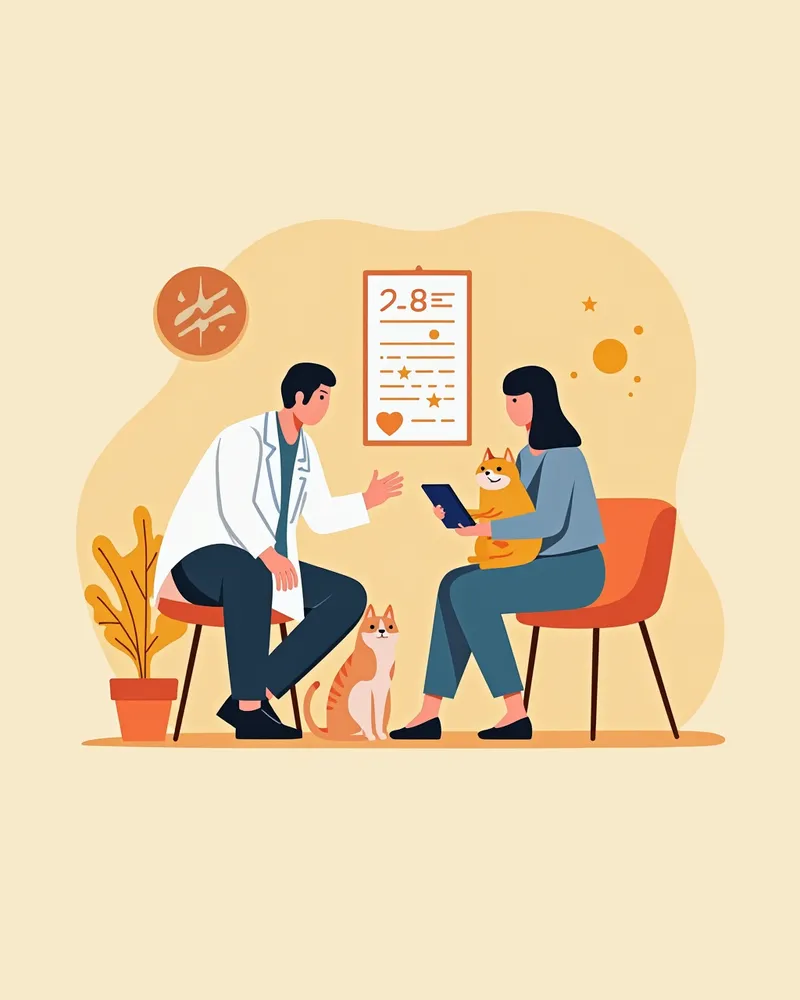
A veterinarian and a cat owner discussing the treatment plan.

Know This 1: What Are Pericardial Effusion and Cardiac Tamponade?

Pericardial effusion is a condition in which fluid abnormally accumulates in the pericardial sac that surrounds the heart. As the fluid continues to build up, it compresses the heart from the outside, preventing it from beating effectively—a condition known as cardiac tamponade. Cats may exhibit symptoms such as difficulty breathing, lethargy, decreased appetite, abdominal distension, and pale gums. Cardiac tamponade is a medical emergency characterized by a rapid decline in cardiac output. If you notice any of these signs, seek veterinary care immediately.
What are pericardial effusion and cardiac tamponade? Related guide image

Know This 2: How Are Diagnosis and Treatment Performed?

Pericardial effusion can stem from various causes, including tumors, infections, heart failure, and trauma. To pinpoint the exact cause, diagnostic tests such as an echocardiogram, thoracic radiographs, and blood work are essential. Immediate treatment typically involves pericardiocentesis, a procedure that uses a needle to drain the accumulated fluid. This is a critical intervention for rapidly relieving pressure on the heart. Depending on the underlying cause, additional treatments such as antibiotics, anti-inflammatory medications, chemotherapy, or surgery may be necessary. Your veterinarian will determine the most appropriate course of action based on the diagnostic results.
How are diagnosis and treatment carried out? Related guide images

Know This 3: What Are Long-Term Management and Owner Precautions?
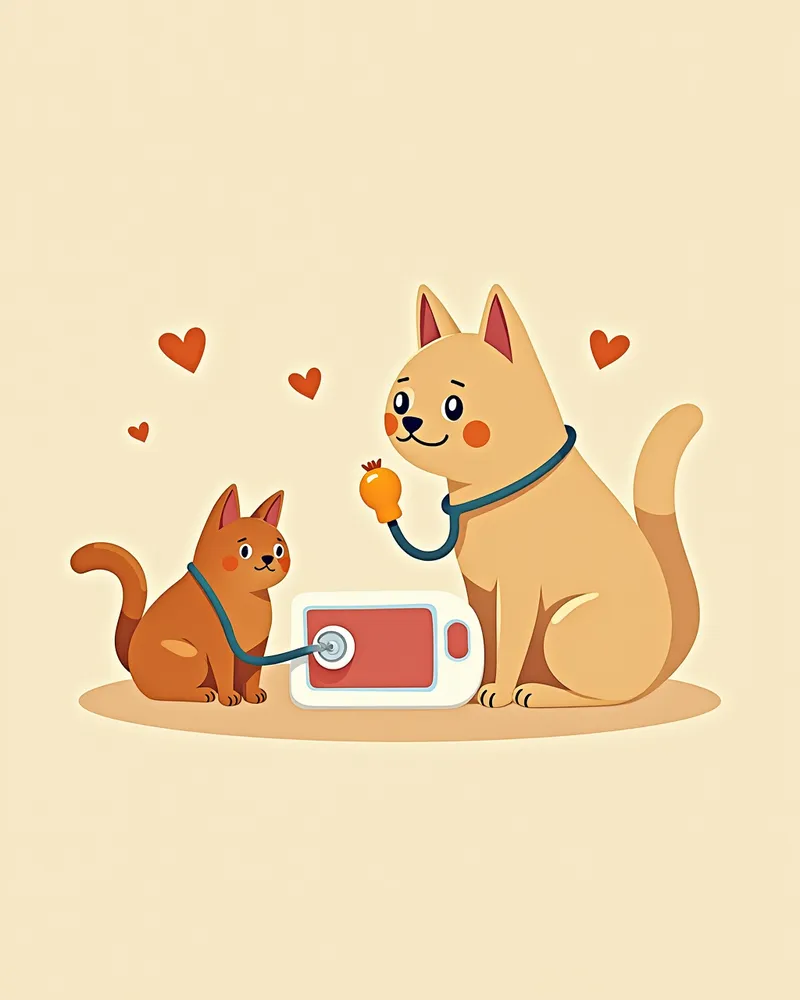
Pericardial effusion has a high risk of recurrence, so regular follow-up examinations are essential. Since management strategies vary depending on the underlying cause, it is crucial to strictly follow your veterinarian’s prescriptions and instructions. Consistently monitor your cat’s breathing, activity level, and appetite, and seek veterinary care immediately if you notice any abnormalities. Supplements or home remedies found online have not been proven effective for pericardial effusion and may even delay proper treatment. Rather than relying on unproven methods, adhering to the diagnosis and prescription of a qualified veterinarian is the safest approach for your cat.
What are the long-term management guidelines and precautions for pet owners? Please refer to the related instructional images.

Feline Pericardial Effusion and Cardiac Tamponade: What Owners Should Know

ItemKey Points
ConditionA state in which fluid accumulates within the pericardium and compresses the heart
SymptomsDifficulty breathing, lethargy, pale gums, abdominal distension
DiagnosisConfirm the cause with echocardiography, radiography, and blood tests
TreatmentRemove fluid via pericardiocentesis; medication or surgery depending on the cause
CautionRecurrence is common, so undergo regular check-ups and avoid unverified remedies

This is not a table recommending specific products or clinics, but criteria to reference when consulting your veterinarian. Always make treatment and testing decisions together with your veterinarian through an examination.

Caution: Immediate Veterinary Visit Is Essential for Acute Symptoms

If your cat is having trouble breathing, collapsing with extreme lethargy, or showing signs of a rapid and irregular heartbeat, you should take them to the vet immediately. Cardiac tamponade is a life-threatening emergency that can block blood flow to the heart, leading to low blood pressure and cardiac arrest. Since this condition cannot be treated at home, immediate veterinary intervention is necessary.

Usage Tips: Home Care and Precautions
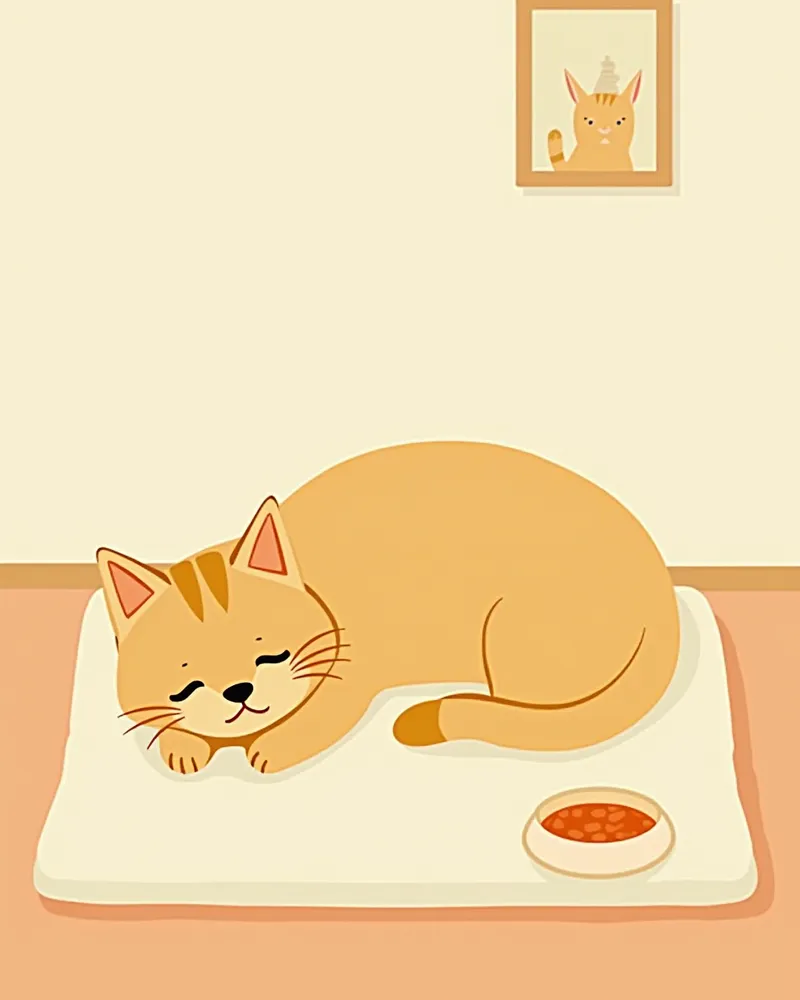
After pericardial effusion, it’s important to reduce your cat’s activity level. - Rest-centered lifestyle: Minimize stress and provide a calm, quiet environment. - Diet management: Feed small, frequent meals and avoid overfeeding. - Supplement administration: Follow your veterinarian’s instructions and adhere strictly to the prescribed dosage. - Watch for adverse reactions: If vomiting, shock, or difficulty breathing occurs, stop the supplement immediately and seek veterinary care. - Regular check-ups are essential: Even while on medication and supplements, consult your veterinarian and have regular check-ups every 1–3 months. - Family cooperation: All family members should understand and participate in the care plan for effective management.
A cat resting comfortably in a quiet environment

Reviewed by a veterinarian

Dr. Tony — Punnawat Phongkittirak

Dr. Tony — Punnawat Phongkittirak

Veterinarian

A veterinarian who majored in veterinary medicine at Khon Kaen University, Thailand, and completed the IVSA program at North Carolina State University in the United States. Drawing on clinical experience at animal hospitals, he works in the pet healthcare field and is dedicated to building a digital care environment that connects pet parents with veterinarians.

Frequently Asked Questions

Is pericardial effusion a common condition in cats?
Pericardial effusion is less common in cats than in dogs, and progression to cardiac tamponade is even rarer. However, it occurs more frequently in cats with underlying heart disease. In feline patients, congestive heart failure (such as that caused by cardiomyopathy) is the most common associated cause, although tumors and infections (such as feline infectious peritonitis) can also be responsible.
Can cardiac tamponade be treated?
Draining the fluid through pericardiocentesis quickly relieves pressure on the heart, helping to stabilize the emergency. However, since fluid often reaccumulates after the procedure, it’s important to manage the underlying condition as well. In some cases, surgery may be necessary to prevent recurrence. The prognosis varies significantly depending on the cause, so ongoing care with your veterinarian is essential.
Can I give my pet supplements at home?
Use only under a veterinarian’s prescription. Never self-medicate, as inappropriate supplements can place additional strain on the heart.
Can pericardial effusion recur?
Yes, if the underlying condition persists, the problem can recur, and it’s common for fluid to reaccumulate after drainage. Regular check-ups and close collaboration with your veterinarian are essential, and early detection can make a significant difference.
What causes pericardial effusion?
In cats, congestive heart failure (such as cardiomyopathy) is the most common cause, but other potential causes include cardiac or pericardial tumors, infections (FIP, bacterial pericarditis), coagulopathies, trauma, and left atrial rupture. Echocardiography and blood tests are necessary to determine the exact cause.

Share

Related Guides

References

[1] The Cat, Clinical Medicine and Management, 2nd Edition, 2020

[2] Small Animal Critical Care Medicine, 3rd Ed, 2019

[3] Textbook of Cardiovascular Medicine in Dogs and Cats, 2021

This information is based on veterinary literature and does not replace diagnosis or treatment. Please consult a veterinarian for specific health concerns.

Metapet Co., Ltd. | CEO: Park Sung-yong | Business Reg. No. 417-88-02562 | Seoul, South Korea | Customer Center

7 Emergency Tips for Feline Pericardial Effusion & Tamponade | Meongsiljang