Like
Share
멍실장
고양이 심실 빈맥 관리 추천 BEST와 고르는 기준 총정리

7 Key Points for Managing Ventricular Tachycardia in Cats, Selected by Veterinarians

HeartTop PicksMeongsiljang Veterinary Advisory Board

Ventricular tachycardia in cats is a life-threatening heart condition that requires accurate diagnosis and proper management. We’ve compiled the top three most effective management products and methods.

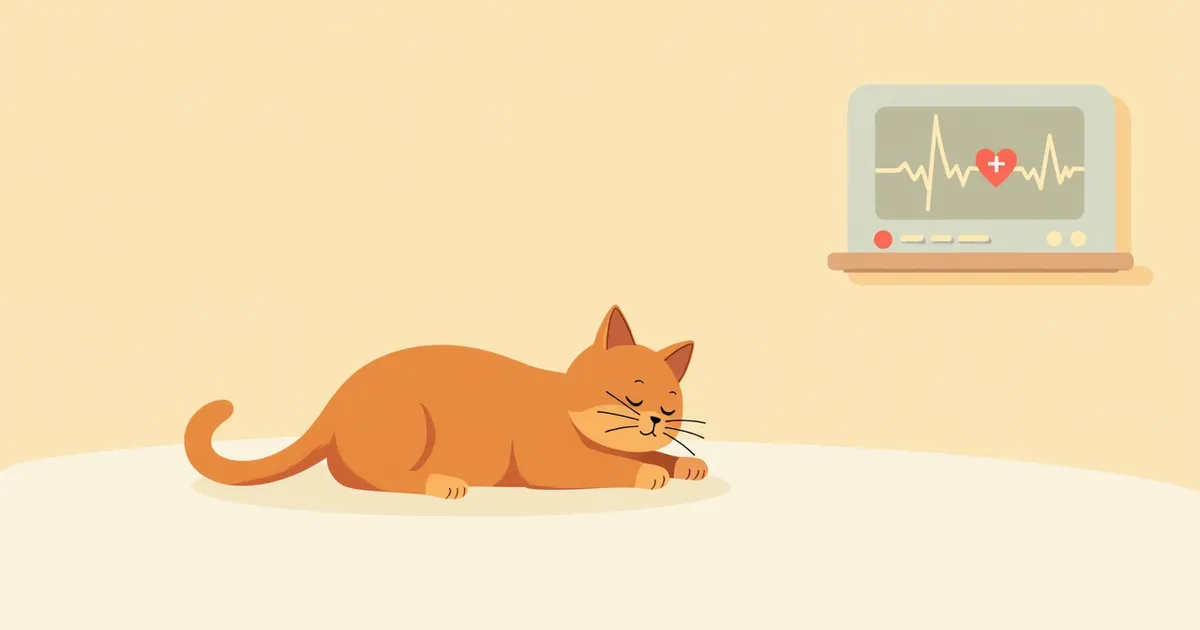
Ventricular tachycardia in cats is a dangerous condition caused by abnormal heart electrical signals
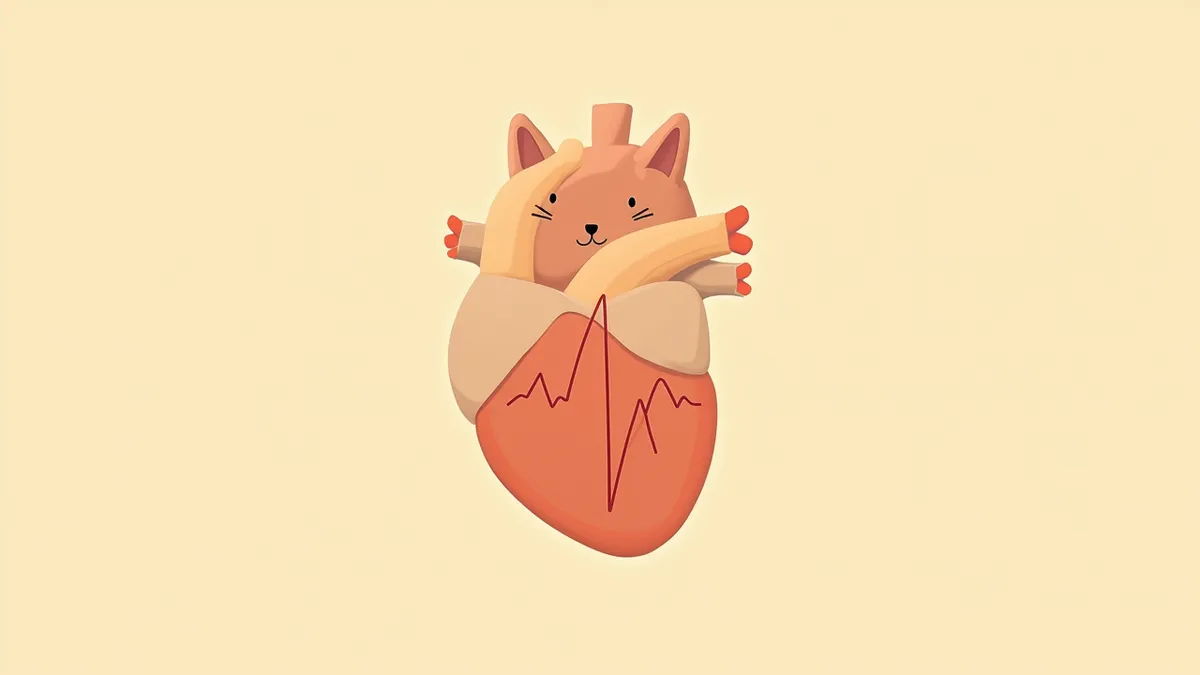
An anatomical diagram illustrating the electrical activity of a cat’s heart during ventricular tachycardia
Ventricular tachycardia in cats is a serious arrhythmia caused by abnormal electrical signals originating in the heart’s ventricles, leading to a rapid heart rate. When the heart rate becomes excessively fast (exceeding 250–300 beats per minute), the heart cannot pump blood effectively, resulting in reduced cardiac output and potential fainting. Sustained ventricular tachycardia is a life-threatening emergency that can lead to sudden cardiac death. Accurate diagnosis relies primarily on electrocardiography (ECG) to identify wide, distorted QRS complexes, while echocardiography is also necessary to evaluate any underlying structural heart disease, such as hypertrophic cardiomyopathy. The decision to treat and the chosen approach depend on the clinical signs and underlying heart conditions, as determined by your veterinarian. Acute episodes may be managed with intravenous antiarrhythmic drugs, and electrical cardioversion may be used in certain emergency situations. Early detection and ongoing monitoring by a veterinarian are essential to safeguarding your cat’s life.

Good to Know: Managing Ventricular Tachycardia in Cats

When selecting a supplement to support the management of ventricular tachycardia in cats, prioritize products with proven safety and transparent information, avoiding those with exaggerated efficacy claims. Since there is no clear evidence that supplements alone can stabilize or treat the electrical signals causing ventricular tachycardia, they should be viewed strictly as an adjunctive measure. - Veterinary prescription and consultation: Always consult your veterinarian before use, especially to consider potential interactions with other medications. - Cat’s weight and medical history: Choose a product based on the appropriate dosage for your cat’s weight and any underlying health conditions. - Ease of administration: Ensure the form is palatable and suitable for long-term use. Remember, supplements are only complementary; the primary treatment for ventricular tachycardia must be based on your veterinarian’s diagnosis and prescription of antiarrhythmic medication.
A scene where a veterinarian explains a cat's heart condition and consults with the owner.

Good to Know 1: What is ventricular tachycardia?
Ventricular tachycardia is a type of arrhythmia in which abnormal electrical signals rapidly and repeatedly fire from the heart’s ventricles, causing a sudden spike in heart rate. In cats, this can impair the heart’s ability to pump blood effectively, leading to low blood pressure, weakness, fainting, or sudden collapse. If you notice difficulty breathing, extreme lethargy, or pale or bluish gums, immediate emergency veterinary care is essential. Sustained ventricular tachycardia is a severe emergency that can progress to cardiac arrest.
What is ventricular tachycardia? Related guide image

Good to Know 2: What are the diagnosis and treatment options?
Diagnosis relies primarily on an electrocardiogram (ECG) to identify the wide, distorted QRS complexes characteristic of ventricular tachycardia. Chest radiographs and echocardiography are used to assess for concurrent structural heart disease, such as hypertrophic cardiomyopathy. Blood tests help identify underlying causes like electrolyte imbalances or hyperthyroidism. Treatment prioritizes correcting the underlying condition. Acute episodes are managed with intravenous antiarrhythmic drugs, while chronic management involves oral antiarrhythmic medications prescribed by a veterinarian. The treatment plan is always determined by a veterinarian based on the diagnostic findings.
What are the diagnostic and treatment options? Related guide image

Good to Know 3: Home care and precautions
For cats diagnosed with ventricular tachycardia, regular follow-up ECGs and echocardiograms are essential. Never reduce or stop prescribed medications without veterinary guidance, as doing so significantly increases the risk of recurrence. Minimize intense play and stressful situations, and provide a quiet, stable environment. Seek immediate emergency veterinary care if your cat faints, collapses suddenly, or breathes with an open mouth. Unverified heart supplements sold online lack proven efficacy and can be dangerous if used alone without a veterinarian’s prescription.
Here are some tips for managing and taking care of your pet at home, along with related guidance images.

What Owners Should Know About Ventricular Tachycardia in Cats

ItemKey Points
SymptomsCollapse, fainting, respiratory distress, gum cyanosis
CausesCardiomyopathy, electrolyte abnormalities, hyperthyroidism, etc.
DiagnosisElectrocardiogram (ECG), echocardiography, blood tests
TreatmentVeterinarian-prescribed antiarrhythmic drugs, correction of underlying disease
CautionDo not stop medication arbitrarily; visit immediately for emergency symptoms

This is not a table recommending specific products or clinics, but a reference to consult with your veterinarian. Always make treatment and testing decisions together with your veterinarian through an examination.

Caution: Overdosing may worsen cardiac arrhythmias

Products for managing ventricular tachycardia should be taken under a veterinarian's guidance. Overdosing can destabilize the heart's electrical activity, worsening the tachycardia. Especially when used alongside other heart medications, interactions may occur, so be sure to inform your veterinarian before starting treatment.

Usage Tips: Adjusting administration time and environment enhances effectiveness

It’s best to give ventricular tachycardia management supplements at the same time every day. To minimize stress in your cat, administer the supplement in a quiet, calm environment. Vigorous play or excitement can worsen arrhythmias, so help your cat avoid excessive activity regardless of whether they’re taking the supplement. Since administration methods vary by product, always follow the label instructions. Never adjust the dosage on your own; always consult your veterinarian for proper dosing. Regular ECG and echocardiogram check-ups are essential to monitor your cat’s condition, and your veterinarian may adjust the treatment plan as needed.
A cat taking its supplement in a quiet environment

Reviewed by a veterinarian

Dr. Tony — Punnawat Phongkittirak

Dr. Tony — Punnawat Phongkittirak

Veterinarian

A veterinarian who majored in veterinary medicine at Khon Kaen University, Thailand, and completed the IVSA program at North Carolina State University in the United States. Drawing on clinical experience at animal hospitals, he works in the pet healthcare field and is dedicated to building a digital care environment that connects pet parents with veterinarians.

Frequently Asked Questions

Is ventricular tachycardia a common condition in cats?
Ventricular tachycardia is a relatively uncommon arrhythmia diagnosed in cats. Veterinary textbooks note that it is rare for cats to be diagnosed with ventricular tachycardia requiring treatment, and when it does occur, it is often associated with cardiomyopathies such as hypertrophic cardiomyopathy, electrolyte imbalances, or hypoxic and ischemic conditions. Even though it is rare, early diagnosis and management are important if symptoms such as syncope are present.
Can ventricular tachycardia be treated with supplements alone?
Supplements are only a complement to treatment; the primary treatment requires a veterinarian's diagnosis and prescription of antiarrhythmic medication. Since there is no clear evidence that supplements can treat ventricular tachycardia itself or protect heart function, the diagnosis and treatment of the underlying disease must be conducted at a veterinary clinic.
When should I start giving my pet this product?
The timing of when to start medication is determined by your veterinarian based on the test results. There is no clear evidence that starting supplements early leads to better preservation of heart function, so it is safer to follow your veterinarian's recommendations after diagnosis rather than starting them on your own.
My cat won’t eat its supplements. What should I do?
You can mix the supplement into your cat’s food or open the capsule and sprinkle its contents over their meal. Keep an eye on whether your cat is eating it well, and consult your veterinarian if needed.
What should I do if my pet shows any unusual symptoms while taking the medication?
If your pet experiences a faster heartbeat or collapses, stop giving the medication immediately and contact your veterinarian. This could be an emergency.

Share

Related Guides

References

[1] Payne JR, Borgeat K, Brodbelt DC, et al. Risk factors associated with sudden death vs. congestive heart failure or arterial thromboembolism in cats with hypertrophic cardiomyopathy. J Vet Cardiol 17(Suppl 1):S318-S328, 2015.

[2] The Cat, Clinical Medicine and Management, 2nd Edition. Geri Lake-Bakaar, Elsevier, 2018.

[3] Small Animal Critical Care Medicine, 3rd Ed. Jaisser F, Farman N, Pharmacol Rev 68:49-75, 2016.

This information is based on veterinary literature and does not replace diagnosis or treatment. Please consult a veterinarian for specific health concerns.

Metapet Co., Ltd. | CEO: Park Sung-yong | Business Reg. No. 417-88-02562 | Seoul, South Korea | Customer Center

Managing Ventricular Tachycardia in Cats: 7 Vet-Backed Tips | Meongsiljang