
6 Key Management Strategies for Feline Ventricular Septal Defect (VSD) Recommended by Veterinarians
Feline ventricular septal defect is a congenital heart condition, and proper management along with the right choice of supplements can significantly impact survival and quality of life. In this article, we’ve outlined effective management strategies and recommended products.
Feline Ventricular Septal Defect Is a Congenital Heart Defect
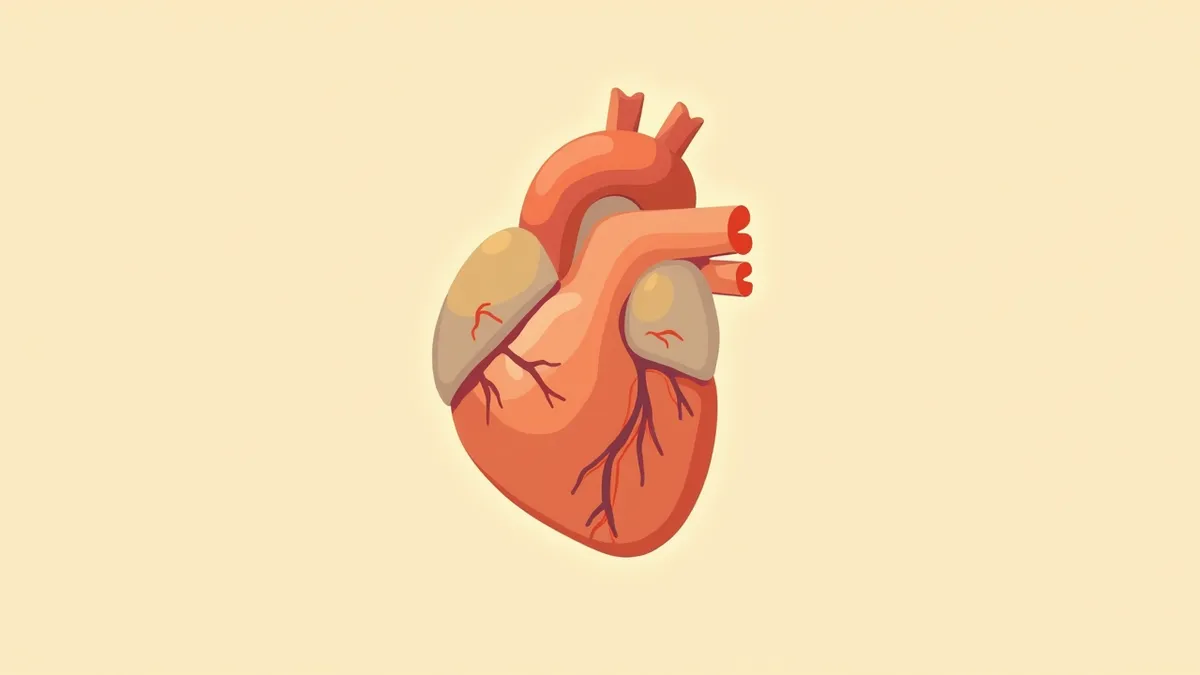
The Key Selection Criterion Is Ingredients That Support Heart Health

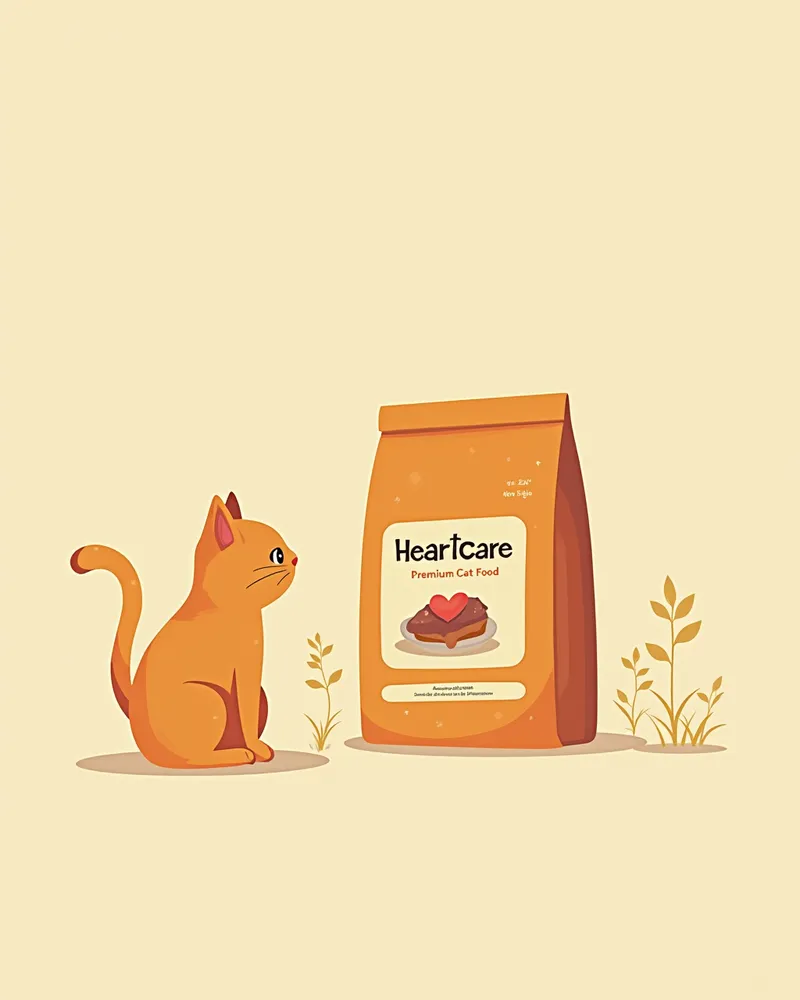
BEST 1: Heart Care Premium Cat Food
BEST 2: Coenzyme Q10 Liquid Supplement
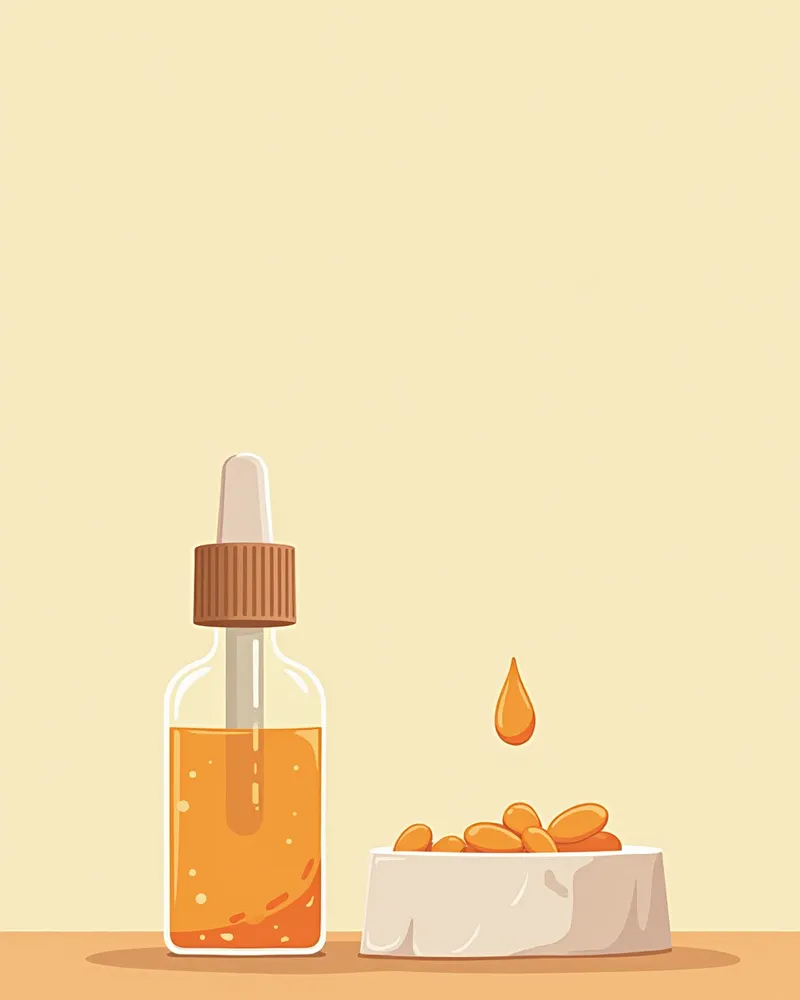
BEST 3: Omega-3 + Magnesium Complex Supplement
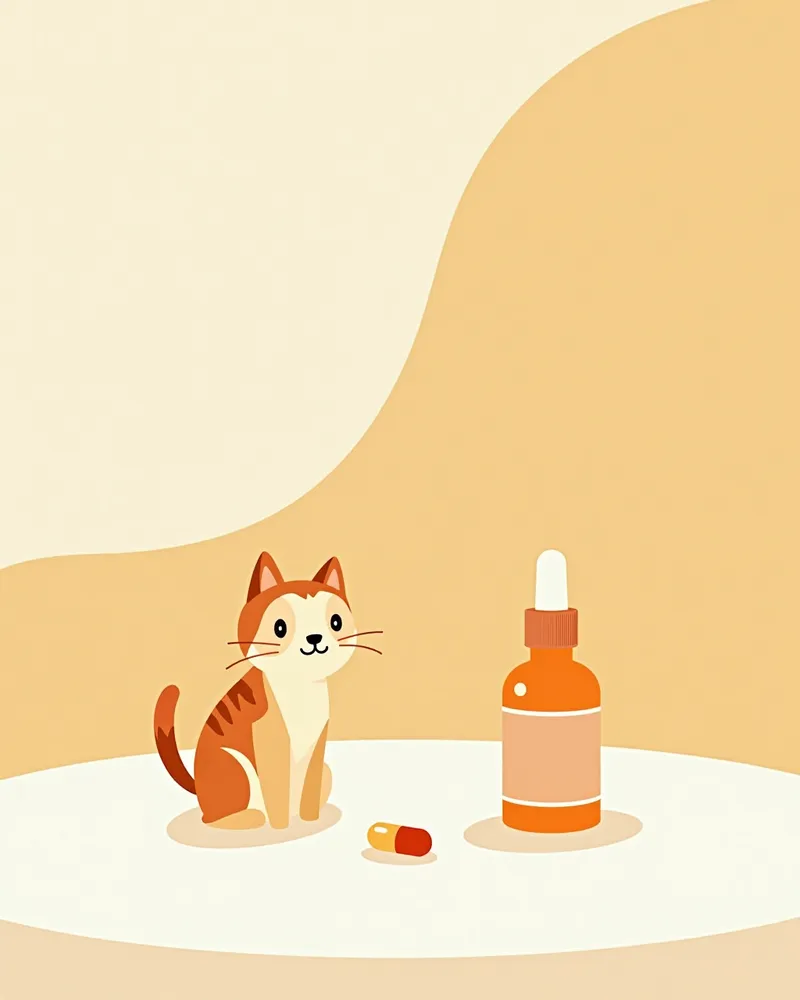
Comparison Table of Products BEST 1–3
| Item | Product Name | Key Ingredients | Formulation | Reason for Recommendation |
|---|---|---|---|---|
| BEST 1 Heart Care Premium Cat Food | Omega-3, Low Sodium | Food | Low Sodium | Dietary support with reduced sodium |
| BEST 2 Coenzyme Q10 Liquid Supplement | Coenzyme Q10 | Liquid | Pump Design | Supports energy metabolism (limited evidence of efficacy) |
| BEST 3 Omega-3 + Magnesium Complex Supplement | Omega-3, Magnesium | Capsule | Micro-particles | Omega-3's anti-inflammatory and anti-arrhythmic support |
No product cures the defect itself. Give under a veterinarian's guidance; dosage varies depending on the cat's weight and condition.
Caution: Excessive Intake May Increase Cardiac Burden
Even ingredients that support heart health can pose a greater risk of side effects than benefits if given in excessive amounts without proper guidance. For example, excessive magnesium intake has been linked to urinary tract stones. Since no supplement is intended to treat a deficiency on its own, always follow your veterinarian’s recommendations regarding the type and dosage.
Usage Tip: Consistent Management Is Key
Reviewed by a veterinarian

Dr. Tony — Punnawat Phongkittirak
VeterinarianA veterinarian who majored in veterinary medicine at Khon Kaen University, Thailand, and completed the IVSA program at North Carolina State University in the United States. Drawing on clinical experience at animal hospitals, he works in the pet healthcare field and is dedicated to building a digital care environment that connects pet parents with veterinarians.
Reviewed 2026-06-03
Frequently Asked Questions
Can a ventricular septal defect be treated?
When should I start giving my pet nutritional supplements?
Can I switch to regular pet food?
My cat has heart disease. Is it safe for them to receive vaccinations?
Can a cat with heart disease go for walks?
Share
Related Guides
Coenzyme Q10 Benefits and Administration Guide
Dog Pulmonary Edema Warning — 7 Best Diuretics (Furosemide) for Heart Management
7 Best Prescription Diets for Feline Heart Disease Recommended by Veterinarians — Criteria for Choosing Low-Sodium Food

7 Key Management Tips for Canine Enamel Hypoplasia Recommended by Veterinarians
7 Key Tips for Dog Tartar Removal and Scaling Care Recommended by Veterinarians
7 Key Criteria for Dog Dental X-Rays Recommended by Veterinarians
Veterinarian-Recommended Dog Oral Check-Up Intervals — 5 Age-Based Care Guidelines

How to Manage Canine Periapical Abscesses — 7 Veterinarian-Recommended Care Guidelines

7 Key Tips for Managing Cleft Palate in Puppies from a Veterinarian
7 Safety Management Tips for Canine Anesthesia-Assisted Dental Procedures from Veterinarians
References
[1] The Cat, Clinical Medicine and Management, 2nd Edition, 2023
[2] Textbook of Cardiovascular Medicine in Dogs and Cats, 2021
[3] Small Animal Critical Care Medicine, 3rd Ed, 2020