
Top 5 Cat Water Fountains for Increasing Water Intake and Kidney Health
Cat water fountains are automatic water dispensers that help increase voluntary water intake, aiding in the prevention of chronic kidney disease. I’ll compare the top five models based on filter design, noise level, and ease of cleaning.
What Are Cat Water Fountains?
Why Is Water Intake Important for Kidney Health?
Comparison of the Top 5 Cat Water Fountains
| Item | PetSafe Drinkwell 360 | Catit Flower Fountain | Pipetank Wireless Water Purifier | Xiaomi Mijia Pet Water Purifier | EasyPet Stainless Fountain |
|---|---|---|---|---|---|
| Capacity | 3.8L | 3.0L | 2.0L | 2L | 2.5L |
| Filter type | Activated carbon + sponge | Triple-action filter | Activated carbon + ion exchange | 4-stage combination filter | Activated carbon + sponge |
| Noise (expected) | 35dB | 40dB | 30dB (wireless) | 30dB | 38dB |
| Material | BPA-free plastic | Plastic | Plastic + partial stainless steel | Plastic | Stainless steel |
| Ease of cleaning | Dishwasher OK | 5-step disassembly | 3-step disassembly | 4-step disassembly | 3-step disassembly (stainless steel) |
| Expected price range | $60 to $70 | $30 to $40 | $40 to $50 | $30 to $40 | $40 to $60 |
Price and noise figures are based on general retail prices and manufacturer disclosures as of May 2026; actual figures may vary by store and time.
No. 1 — PetSafe Drinkwell 360
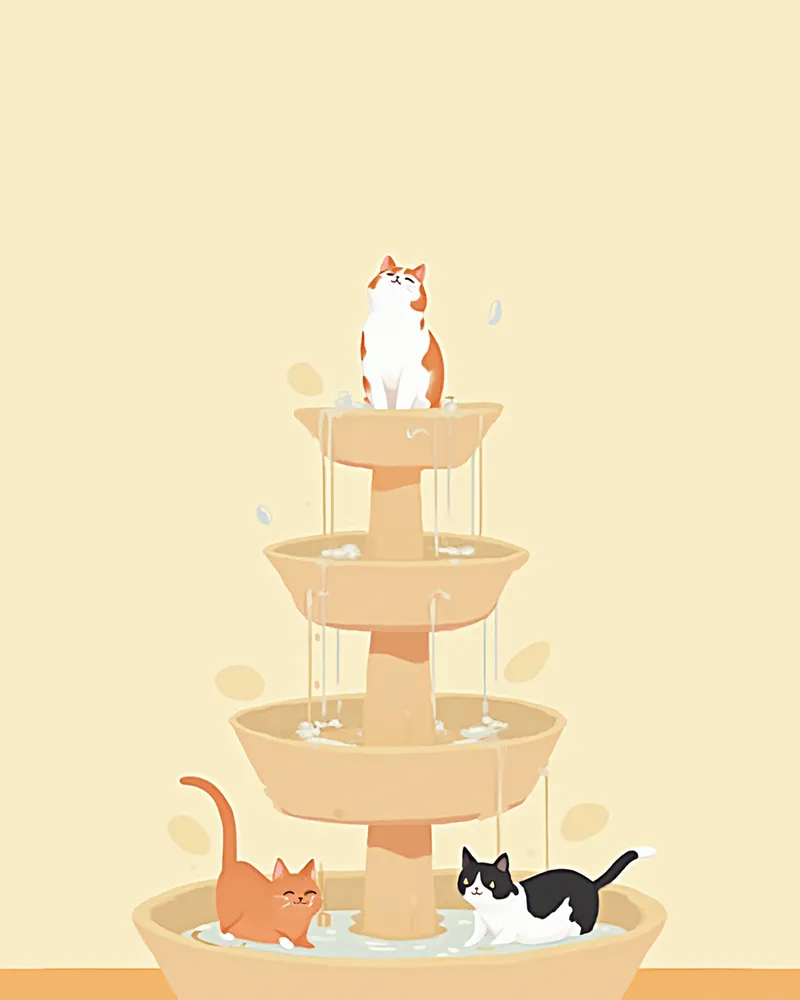
No. 2 — Catit Flower, No. 3 — PP Tank Wireless
No. 4 — Xiaomi Mijia, No. 5 — EasyPet Stainless Steel
Important Checks Before Using a Water Fountain
Simply introducing a water fountain doesn’t automatically increase your cat’s water intake. It typically takes 2–4 weeks for them to adjust, so it’s best to keep their regular water bowl alongside the fountain during this transition period. Additionally, cats sensitive to noise may be put off by the motor sound, so start with a quiet model operating at around 30 dB. If the filter isn’t replaced regularly, prolonged use can actually promote bacterial growth.
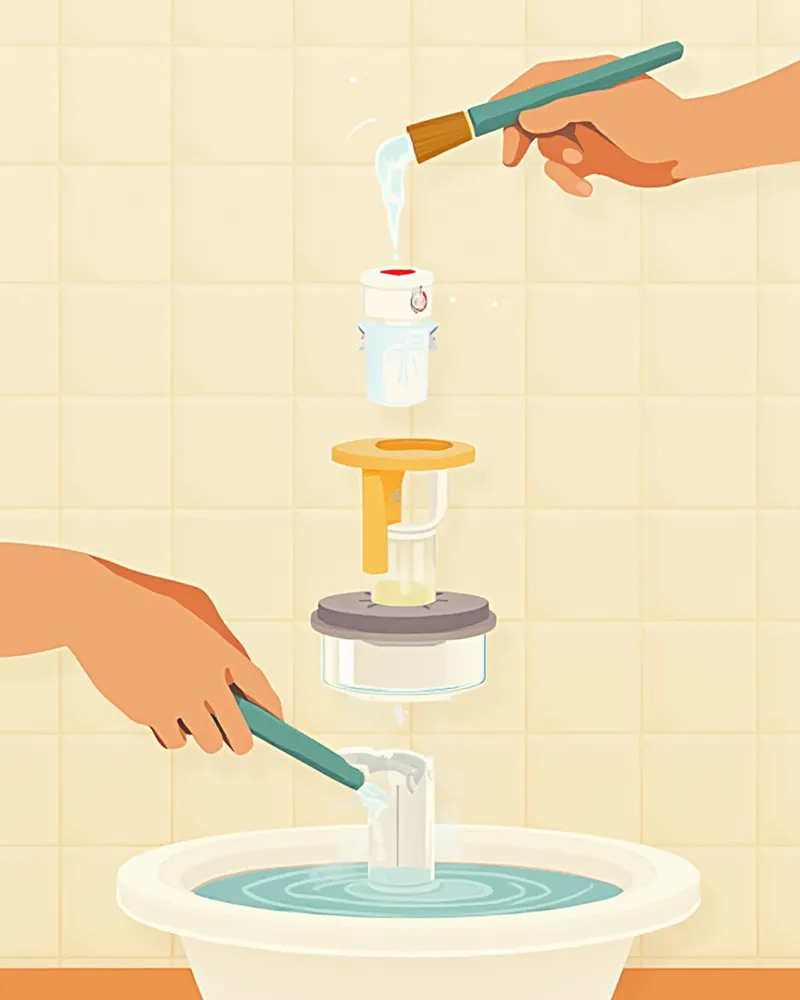
Filter Replacement and Cleaning Schedule (Hygiene Management)
Seek Immediate Veterinary Care If You See These Signs
Even if you increase water intake using a water dispenser, kidney or urinary tract issues—including chronic kidney disease—may be present if the following signs appear. If these symptoms persist for more than 24 to 48 hours, seek immediate veterinary care. - Drinking noticeably more water than usual + a sudden increase in urine volume (polydipsia and polyuria) - Weight loss, muscle wasting, and decreased appetite - Changes in bathroom frequency or an unusual odor in the urine - Vomiting, lethargy, and a dull coat
Reviewed by a veterinarian

Dr. Tony — Punnawat Phongkittirak
VeterinarianA veterinarian who majored in veterinary medicine at Khon Kaen University, Thailand, and completed the IVSA program at North Carolina State University in the United States. Drawing on clinical experience at animal hospitals, he works in the pet healthcare field and is dedicated to building a digital care environment that connects pet parents with veterinarians.
Reviewed 2026-05-05
Frequently Asked Questions
Can using a cat water fountain help prevent kidney disease?
Which is better for pets: water from a purifier or regular bottled water?
I have multiple cats at home. Will one unit be enough?
What happens if you use it without changing the filter?
Can I use a water purifier for a cat that already has poor kidney function?
Share
Related Guides
Top 5 Prescription Diets for Cats with Chronic Kidney Disease — Stage-Specific Protein Adjustment

7 Emergency Signs and Causes of Acute Kidney Failure in Dogs You Must Not Miss
Top 5 Cat Kidney Supplements Recommended for 2026
The Ultimate Guide to Managing Your Cat’s Core Vaccination Schedule: Top Recommendations and Selection Criteria

The Best Indoor Environmental Enrichment Products for Cats and How to Choose Them

The Best Indoor Cat Safety Check Products and Selection Criteria: A Complete Guide

The Ultimate Guide to Choosing, Comparing, and Managing Feline Heartworm Preventatives: Top Picks and Selection Criteria

Top Recommendations and Selection Criteria for Your Cat’s First Vet Visit
Top Recommended FeLV Vaccines for Cats and Key Selection Criteria

The Ultimate Guide to Choosing and Managing Dry, Wet, and Raw Cat Foods: Best Options and Selection Criteria
References
[1] Langston CE, Eatroff AE. Chronic Kidney Disease. In: Small Animal Critical Care Medicine, 3rd Ed.
[2] Sparkes AH et al. Chronic Kidney Disease. In: The Cat, Clinical Medicine and Management, 2nd Edition.
[3] Polzin DJ. Chronic Kidney Disease. In: Textbook of Veterinary Internal Medicine, 8th Edition.