Like
Share
멍실장
강아지 모낭충증(데모덱스) 관리 추천 BEST와 고르는 기준 총정리

Top Recommendations and Selection Criteria for Managing Canine Demodicosis

Infection/ParasitesTop PicksMeongsiljang Veterinary Advisory Board

Demodicosis in dogs is a parasitic disease caused by Demodex mites invading the skin and triggering inflammation, making proper care and treatment essential. Here’s a summary of key criteria for selecting effective products and management strategies.

Canine Demodicosis Is a Parasitic Disease Caused by Mites Parasitizing the Skin

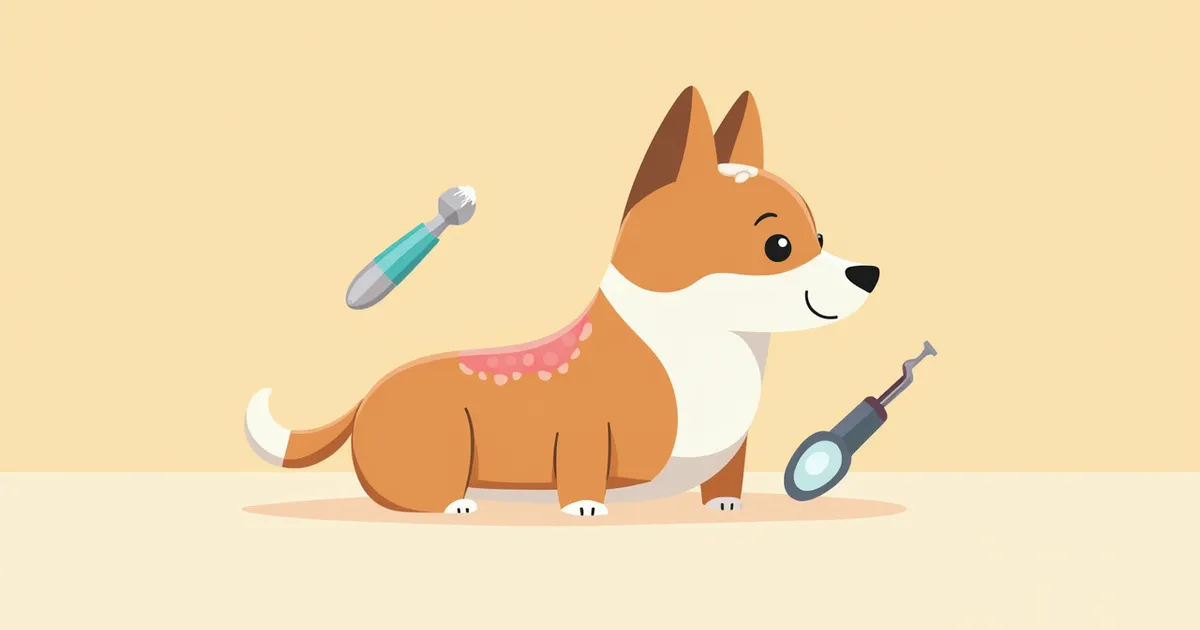
Image of early-stage demodicosis in a dog, showing localized hair loss and red patches on the face and legs.
Demodicosis in dogs is a parasitic disease caused by Demodex mites invading hair follicles or sebaceous glands, leading to inflammation. It typically occurs in dogs with compromised immune systems or genetic predispositions. Early signs include localized hair loss and itching, which can progress to widespread skin lesions if left untreated. The cornerstone of treatment is medication that directly eliminates the mites. It is essential to use the veterinarian-recommended treatment precisely, adhere to the full treatment duration, and monitor for recurrence through skin scrapings and hair examinations after therapy. The safest and most effective approach is to obtain an accurate diagnosis and follow your veterinarian’s guidance throughout treatment. Early detection and consistent care are key to preventing recurrence.

Key Information: Managing Canine Demodicosis

When choosing a product to manage canine demodicosis, it’s important to consider effectiveness, safety, and ease of use. Carefully evaluating each aspect is key.
Presence of antibiotics: If there’s a secondary bacterial infection, your vet may prescribe antibiotics. However, just because a product contains antibiotics doesn’t mean it will necessarily be effective.
Effectiveness against demodex mites: It’s important to choose treatments that contain ingredients proven to disrupt the life cycle of demodex mites. Isoxazoline-based medications are known to be particularly effective.
Minimizing skin irritation: Opt for products free from fragrances and preservatives that could trigger allergic reactions.
Appropriate treatment schedule: Following your vet’s instructions regarding frequency and duration is crucial. Adjusting the schedule on your own may reduce treatment effectiveness.
Skin absorption: Treatments with ingredients that can penetrate deep into the hair follicles tend to work more effectively.
Veterinarian recommendation: Products with proven effectiveness in clinical settings are generally more reliable.
An image comparing the ingredients, usage frequency, and safety of demodex mange management products.

Key Information 1: What Is Demodicosis?
Demodicosis is a skin condition caused by an overpopulation of Demodex mites, which naturally exist in small numbers in a dog’s hair follicles. It primarily affects puppies whose immune systems are still developing or adult dogs with compromised immunity. Common symptoms include patchy hair loss, skin redness, dandruff, and crust formation. The condition is classified into localized and generalized forms. If left untreated, the generalized form can worsen due to secondary bacterial infections, making early veterinary care essential.
What is folliculitis? Related guide image

Key Information 2: Diagnosis and Treatment Options
Diagnosis involves a veterinarian directly identifying Demodex mites through skin scrapings or hair pluck tests. Treatment varies depending on the extent and severity of the condition; while localized cases may resolve on their own, generalized cases require prescription medication from a veterinarian. Typically, prescription isoxazoline-class medications or topical treatments are used, and if secondary infections are present, prescribed antimicrobial therapy may be administered concurrently. Since treatment can last several months, it is important to follow your veterinarian’s instructions consistently.
What are the diagnostic and treatment options? Related guide image

Key Information 3: Management and Precautions

The key to managing demodicosis is maintaining your dog’s overall immune function and general health. Reducing stress, providing a balanced diet, and scheduling regular veterinary check-ups are all helpful. During treatment, do not stop medication or adjust dosages on your own; always follow your veterinarian’s instructions. Unverified home remedies or supplements found online may have uncertain efficacy and could even delay proper treatment. To monitor for recurrence, follow-up examinations by your veterinarian are recommended even after treatment is completed.
What are the care instructions and precautions? Related guide images

What Owners Should Know About Canine Demodicosis

ItemKey Points
SymptomsPatchy hair loss, skin redness, dandruff, crust formation
CauseOvergrowth of Demodex mites, related to weakened immunity
DiagnosisConfirmation of mites via veterinarian's skin scraping examination
TreatmentVeterinarian-prescribed medication treatment, with antimicrobials added if secondary infection occurs
CautionNo unverified folk remedies; follow veterinarian's prescription

This is not a table recommending specific products or clinics, but a reference standard for when you consult your veterinarian. Always make treatment and testing decisions together with your veterinarian through an examination.

Caution: Excessive Use Can Damage the Skin Barrier

Topical products used to manage demodicosis can irritate the skin if applied too frequently. Since topical treatment alone is often insufficient, it’s safest to follow your veterinarian’s instructions regarding application frequency and method rather than increasing them on your own. If you notice dryness or flaking of the skin, stop using the product immediately and consult your veterinarian.

5 Tips for Managing Demodicosis

Managing demodicosis isn’t a short-term fix—it requires long-term care. Here are key tips to ensure effective management.
Regular skin checks: Inspect your dog’s skin weekly to catch any changes early. Pay special attention to the face, legs, and ears.
Enhanced environmental cleaning: Disinfect bedding, play areas, and food bowls once a week. Make sure everything is thoroughly dried after cleaning.
Maintain nutritional balance: Provide a balanced diet that supports a healthy immune system. High-protein, high-fat diets are not generally recommended; consult your veterinarian before making any dietary changes.
Minimize stress: If your dog is sensitive to environmental changes or noise, provide a calm and stable environment.
Regular veterinary visits: Even during treatment, visit the clinic every 2–4 weeks to monitor progress. Regular check-ups are essential throughout the treatment period.
A checklist image summarizing five tips for managing demodicosis

Reviewed by a veterinarian

Dr. Tony — Punnawat Phongkittirak

Dr. Tony — Punnawat Phongkittirak

Veterinarian

A veterinarian who majored in veterinary medicine at Khon Kaen University, Thailand, and completed the IVSA program at North Carolina State University in the United States. Drawing on clinical experience at animal hospitals, he works in the pet healthcare field and is dedicated to building a digital care environment that connects pet parents with veterinarians.

Frequently Asked Questions

Can demodicosis be transmitted to humans?
No, canine demodicosis is not transmitted to humans. Demodex mites are host-specific parasites, meaning the species that infest dogs do not cause disease in people.
Can demodicosis recur even after treatment?
Yes, especially in breeds with a genetic predisposition or puppies with weakened immune systems, the risk of recurrence is high. Long-term management and regular follow-up examinations are necessary.
Do you need antibiotics to treat demodicosis?
If a secondary bacterial infection is present, your veterinarian may prescribe antibiotics after making a diagnosis. Antibiotics are not an essential part of treatment and should never be used without veterinary guidance.
Which dog breeds are most prone to demodicosis?
This condition is commonly seen in breeds with a genetic predisposition, such as Bulldogs, Terriers, and Pugs, and is particularly prevalent in adolescent puppies. However, all breeds can be affected, and adult dogs with underlying health conditions may also develop it.
Can demodicosis be cured in one month?
Treatment duration varies significantly from pet to pet, typically taking three to six months. Even after symptoms disappear, continued care is necessary for at least one more month. Complete resolution can only be confirmed when two consecutive skin scrapings or hair tests come back negative, indicating no mites are detected.

Share

Related Guides

References

[1] Clinical Medicine of the Dog and Cat, 4th Ed. (2023). Chapter 18: Dermatological Disorders.

[2] BSAVA Manual of Canine and Feline Dermatology, 4th Ed. (2021). Section on Demodicosis Management.

[3] Kumari P, Nigam R, Singh A et al. (2017). Demodex canis regulates cholinergic system mediated immunosuppressive pathways in canine demodicosis. Parasitology, 144, 1412-1416.

This information is based on veterinary literature and does not replace diagnosis or treatment. Please consult a veterinarian for specific health concerns.

Metapet Co., Ltd. | CEO: Park Sung-yong | Business Reg. No. 417-88-02562 | Seoul, South Korea | Customer Center

Canine Demodicosis: Best Products & How to Choose | Meongsiljang