Like
Share
멍실장
강아지 개 귀진드기 관리 추천 BEST와 고르는 기준 총정리

Top Recommended Products for Dog Ear Mite Management and Selection Criteria

Infection/ParasitesTop PicksMeongsiljang Veterinary Advisory Board

Ear mites in dogs can cause itching and inflammation, making early intervention essential. Here’s a guide to help you choose effective products and care routines.

Dog Ear Mites: External Parasites Threatening the Health of Both Pets and Owners

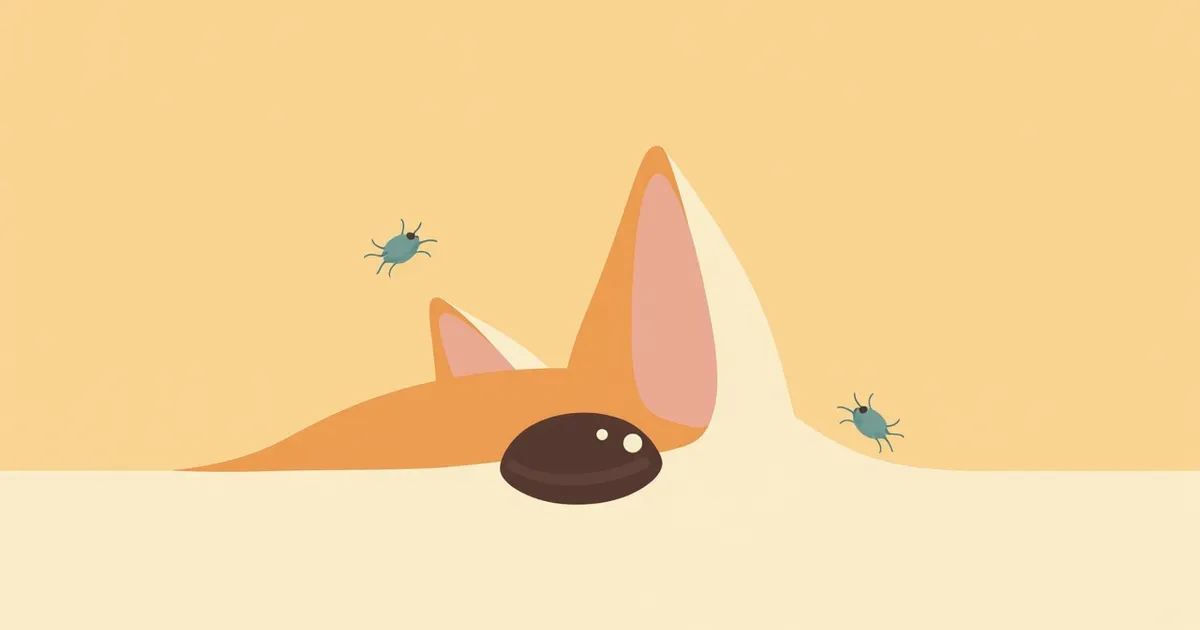
A puppy scratching its ears
Ear mites in dogs live inside the ear canal and can cause intense itching, inflammation, and dark discharge. Puppies and dogs with weakened immune systems are especially susceptible to infection. Early detection is important, but the key is to seek a prompt diagnosis as soon as infection is suspected, rather than trying to prevent it before symptoms appear. Treatment typically lasts at least three to four weeks, and to prevent reinfection, all animals living in the same household should be managed together during treatment.

Key Information: Managing Dog Ear Mites
When choosing a product to manage ear mites in dogs, carefully consider the ingredients, safety, ease of use, and duration of efficacy. Products tailored to your dog’s coat length, skin sensitivity, and breed tend to be more effective.
Check the ingredients: Products containing fipronil or moxidectin are effective.
Potential for skin irritation: For dogs with sensitive skin, choose fragrance-free and alcohol-free products.
Treatment schedule: Since the ear mite life cycle is approximately three weeks, treatments are recommended every 3–4 weeks.
Method of application: Drop formulations are easy to apply directly into the inner ear.
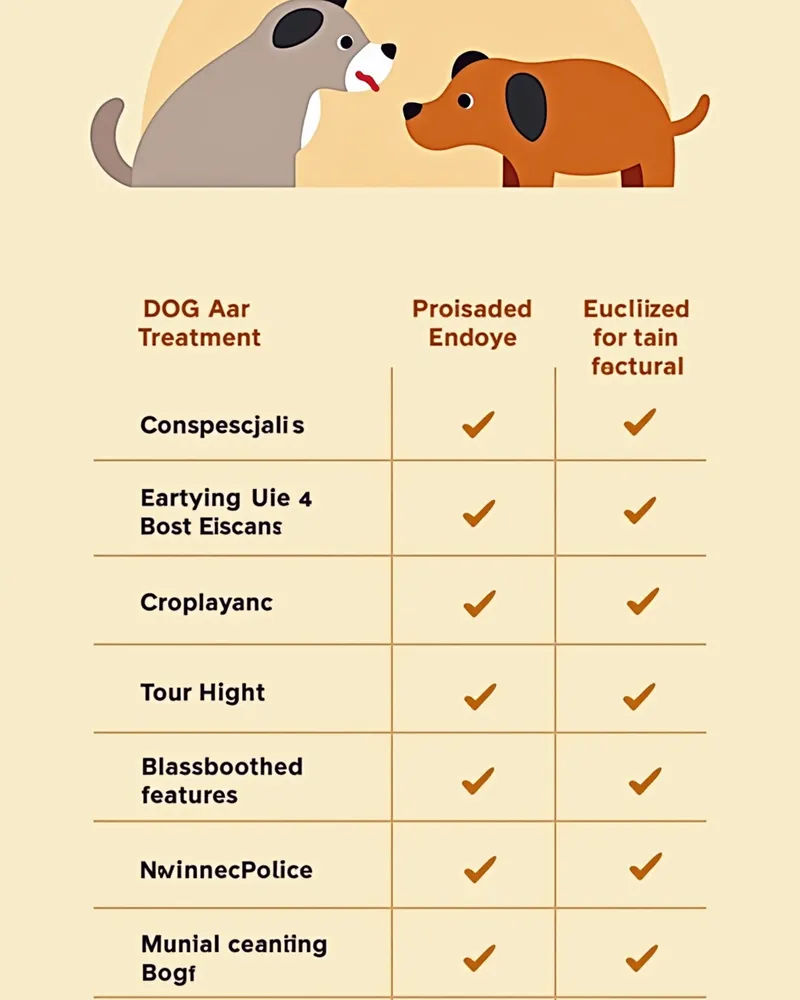
Based on these criteria, here are our top three product recommendations.
Comparison image of ear mite treatments

Key Information 1: Symptoms and Urgency of Ear Mites

Ear mites (Otodectes cynotis) are parasites that live in a dog's external ear canal. Infection causes intense itching, leading to noticeable head shaking and scratching at the ears with the front paws. A characteristic sign is the buildup of dark brown discharge in the ear that resembles coffee grounds. If left untreated, the condition can worsen into severe otitis externa and lead to an ear hematoma, and in rare cases, progress to otitis media. If symptoms are severe or suddenly worsen, it is best to visit a veterinary clinic promptly.
An informative image about the symptoms and urgency of ear mites

Key Information 2: Diagnosis and Treatment Options

Ear mite diagnosis is performed at a veterinary clinic by examining ear discharge collected with an otoscope or cotton swab under a microscope. Self-diagnosis is unreliable, so a veterinary examination is essential. Treatment involves topical ear drops or systemic parasiticides containing anthelmintic ingredients, as prescribed by your veterinarian. The typical treatment course lasts at least 2 to 4 weeks; stopping treatment prematurely can lead to recurrence. If you have other pets living in the same household, they should be treated simultaneously to prevent reinfection.
An image providing guidance on diagnosis and treatment options

Key Information 3: Management, Precautions, and the Importance of Veterinary Diagnosis

Ear mites are highly contagious and can spread easily through contact with other pets. During treatment, it’s important to regularly wash and disinfect pet items such as bedding and cushions. Some products sold online have not been proven for effectiveness or safety, so always use medications under the guidance and prescription of a veterinarian. Even after treatment is complete, it’s advisable to have your vet check for recurrence, and regular ear cleaning can help prevent future infestations. Self-treatment or using medications without veterinary advice can worsen symptoms.
Guidance image emphasizing care instructions, precautions, and the importance of veterinary diagnosis

What Owners Should Know About Dog Ear Mites

ItemKey Points
SymptomsSevere ear itching, head shaking, dark brown ear discharge
CauseParasitism/infection of the ear canal by Otodectes cynotis mites
DiagnosisConfirmation via otoscopic and microscopic examination at an animal hospital
TreatmentVeterinarian-prescribed antiparasitic ear drops or systemic parasiticide
CautionSimultaneous treatment of cohabiting pets, disinfection of supplies, and confirmation of recurrence are essential

This is not a table recommending specific products or clinics, but a reference standard for when you consult your veterinarian. Always make treatment and testing decisions together with your veterinarian through an examination.

Caution: Always Consult a Veterinarian Before Using Products

Ear mite treatments should only be used under veterinary prescription. Some products are approved exclusively for dogs and must not be used on cats; always verify that the product is specifically approved for your pet’s species. If side effects such as itching, rash, or hair loss occur after application, discontinue use immediately and consult your veterinarian.

Tips for Managing Dog Ear Mites
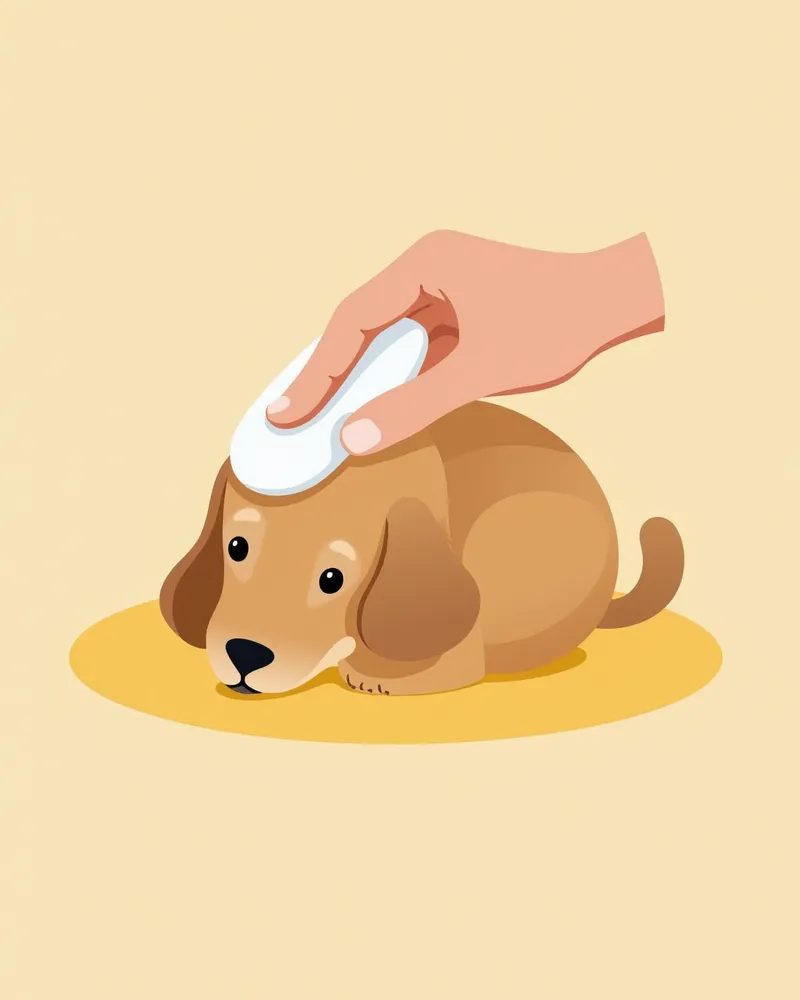
Regular ear cleaning and monitoring are essential for managing ear mites in dogs. Check your dog’s ears once or twice a week for dark discharge or any unusual odor.
Regular cleaning: Gently wipe the outer ear with a soft cloth or an ear-cleaning pad.
Cleaning caution: Never insert fingers or tools deep into the ear canal.
Environmental management: Regularly disinfect areas where your dog frequently plays.
Isolation from other animals: Keep infected dogs separated from other pets.
Prevention schedule: Adhere to the full treatment course, and schedule a follow-up examination 3–4 weeks after treatment. Given the biological life cycle of ear mites, ongoing prevention requires periodic rechecks as part of routine care.
How to clean your dog's ears - illustrated guide

Reviewed by a veterinarian

Dr. Tony — Punnawat Phongkittirak

Dr. Tony — Punnawat Phongkittirak

Veterinarian

A veterinarian who majored in veterinary medicine at Khon Kaen University, Thailand, and completed the IVSA program at North Carolina State University in the United States. Drawing on clinical experience at animal hospitals, he works in the pet healthcare field and is dedicated to building a digital care environment that connects pet parents with veterinarians.

Frequently Asked Questions

Can I use ear mite medication at home?
This medication should only be used under veterinary prescription. Improper use may cause skin irritation or toxicity.
What should I do if my pet’s itching persists even after treatment for ear mites?
If itching persists after treatment, it may indicate inflammation or a secondary infection. Please consult your veterinarian.
Can dog ear mites be transmitted to humans?
Ear mites are primarily parasites that infest animals, but there have been reported cases of them causing temporary itching or skin reactions in humans. They can also spread easily to other dogs.
How often should I prevent ear mites?
Since the life cycle of ear mites is about three weeks, treatment should be repeated every three to four weeks, and it’s a good idea to have your pet rechecked at the animal hospital around that time. If you have other pets living in the same household, all of them should be treated even if they show no symptoms, to prevent reinfection.
What problems can occur if ear mite medication is used incorrectly?
Skin irritation, hair loss, and in severe cases, poisoning can occur. Some products are specifically approved for dogs only, so using them on cats can be dangerous.

Share

Related Guides

References

[1] BSAVA Manual of Canine and Feline Dermatology, 4th Ed. British Small Animal Veterinary Association, 2021.

[2] Principles and Practices of Canine and Feline Clinical Parasitic Diseases. Wiley-Blackwell, 2010.

[3] Fipronil-based spot-on treatments for ectoparasite control in dogs: Efficacy and safety profile. Veterinary Parasitology, 2018.

This information is based on veterinary literature and does not replace diagnosis or treatment. Please consult a veterinarian for specific health concerns.

Metapet Co., Ltd. | CEO: Park Sung-yong | Business Reg. No. 417-88-02562 | Seoul, South Korea | Customer Center

Dog Ear Mites: Best Management Products & How to Choose | Meongsiljang