Like
Share
멍실장
강아지 구강 세정 제품 비교 증상과 원인, 진단·치료와 관리 포인트 총정리

Dog Oral Hygiene Products: Comparison, Symptoms, Causes, Diagnosis, Treatment, and Management Essentials

Oral HealthDiseasesMeongsiljang Veterinary Advisory Board

Dog oral hygiene products are essential for maintaining dental health and preventing oral diseases. Choosing the right product and using it correctly is key.

Dog Oral Hygiene Products Are Key Tools for Maintaining Oral Health

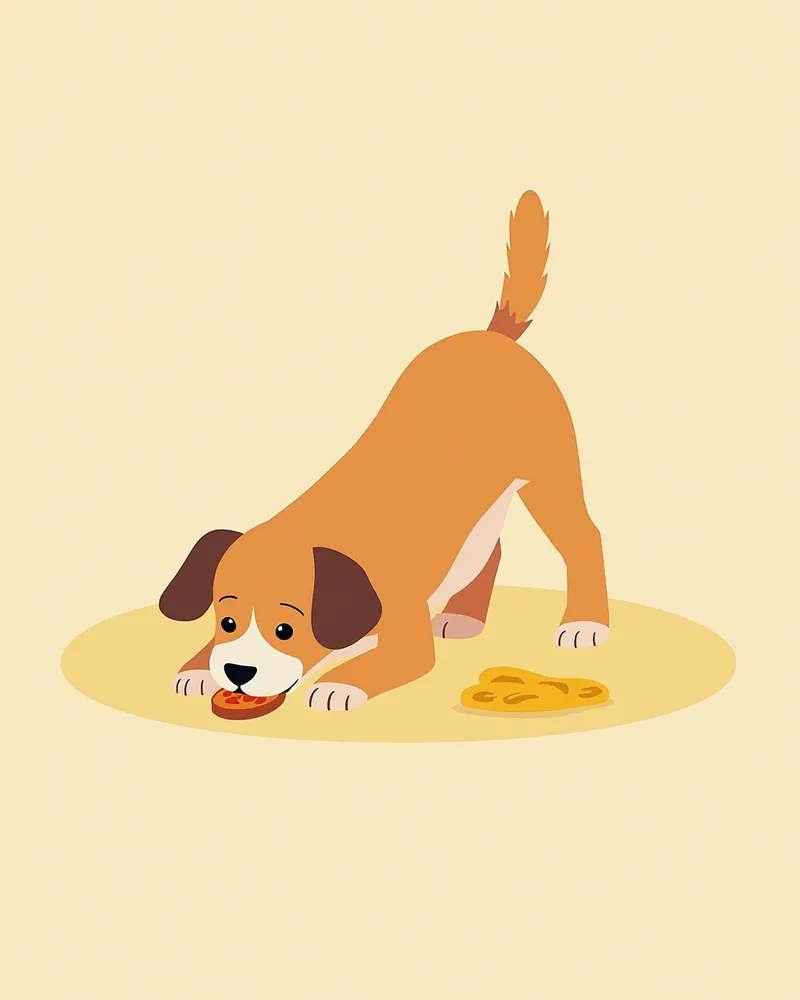
A puppy chewing on a dental hygiene treat.
Dog oral care products are tools that help maintain dental hygiene and slow the progression of oral diseases such as tartar buildup and gingivitis. Tartar forms when minerals like calcium deposit into plaque, hardening and adhering firmly to the tooth surface. This roughened surface attracts more plaque, which can irritate the gums and cause inflammation. If gingivitis persists, the tissues supporting the teeth weaken, potentially leading to loose or lost teeth—a sign that periodontal disease has advanced. However, no single product can prevent all oral diseases. Regular toothbrushing is the method with the most clearly proven effectiveness in reducing tartar and gingivitis, so oral care products should be viewed as supportive aids. It is important to choose a product in a form your dog will accept without resistance, tailored to their personality and lifestyle, and use it consistently.

The Main Causes of Oral Problems Are Bacterial Proliferation and Plaque Accumulation
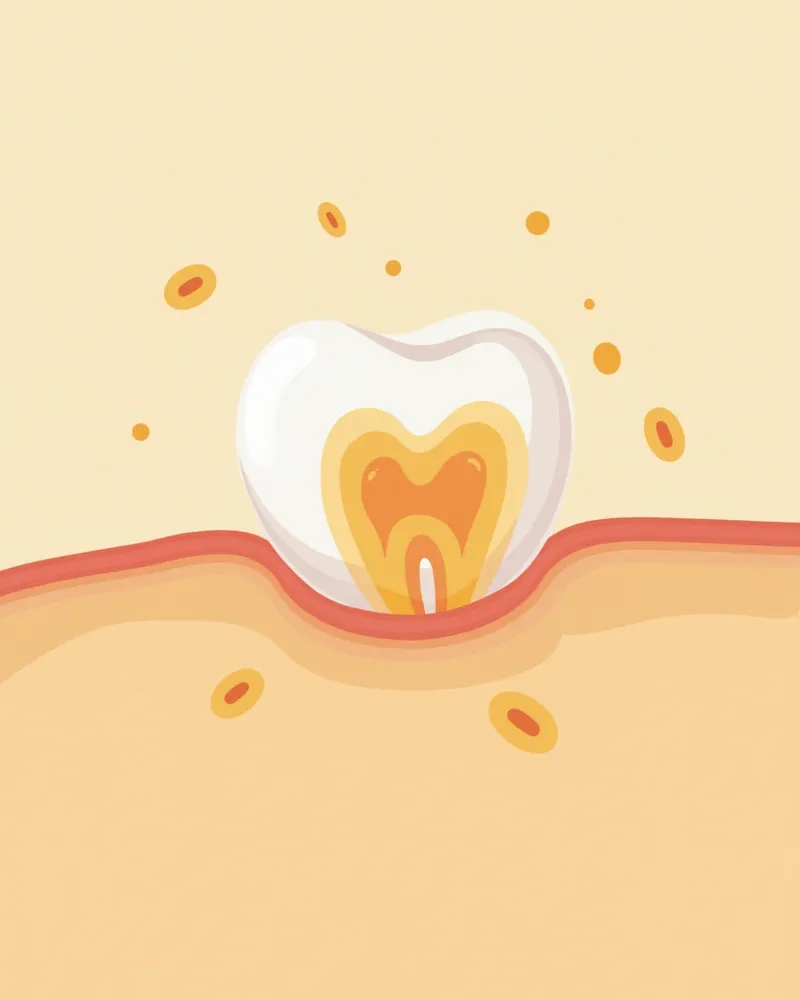
Dental issues in dogs begin with plaque adhering to the tooth surface and the excessive proliferation of bacteria within it. - Plaque Formation: Proteins in saliva form a thin film (pellicle) on the tooth surface, and bacteria adhere to this layer, leading to plaque formation. - Bacterial Proliferation: Plaque is a biofilm composed of numerous bacteria. It is resistant to antibiotics and disinfectants, allowing bacteria to multiply and cause inflammation. - Tartar Hardening: Over time, minerals such as calcium deposit into the plaque, hardening it into tartar. Its rough surface irritates the gums. - Gingival Inflammation: Irritated gums become red and swollen, and bleeding may occur during brushing or probing. If left untreated, this can progress to tooth loosening. - Systemic Effects: Oral bacteria can enter the bloodstream and affect vital organs, including the heart valves and kidneys. Early management is essential.
A microscopic image of plaque and bacteria adhering to the surface of a dog’s teeth.

Main Symptoms of Oral Problems

Bad breath: A strong odor from the mouth can be a clear sign of bacterial overgrowth in the oral cavity. However, severe halitosis may also indicate systemic conditions such as periodontal disease, kidney disease, diabetes, or gastrointestinal issues. Gingival bleeding: Bleeding from the gums may occur during tooth brushing or when eating treats. Tooth mobility: Teeth may become loose or even fall out. Food refusal: Your pet may avoid eating due to oral pain. Scratching around the mouth: Repeated behaviors such as pawing at or rubbing the mouth may be observed. On the other hand, periodontal disease often shows few visible symptoms in its early stages. Therefore, bad breath should not be dismissed as merely unpleasant; it can signal a serious underlying condition, making early diagnosis crucial.
Your dog is pawing at its mouth, drooling, and refusing to eat.

When to Visit the Vet Immediately

If your dog refuses to open its mouth, experiences severe bleeding from the mouth, or shows signs of intense pain after losing a tooth, consult a veterinarian immediately. These symptoms may indicate serious conditions such as periodontal infection, bone damage, or oral tumors. Delaying treatment can lead to systemic infections or severe pain, so prompt veterinary care is essential.

Diagnosis Is Performed Through Oral Examination and Radiography
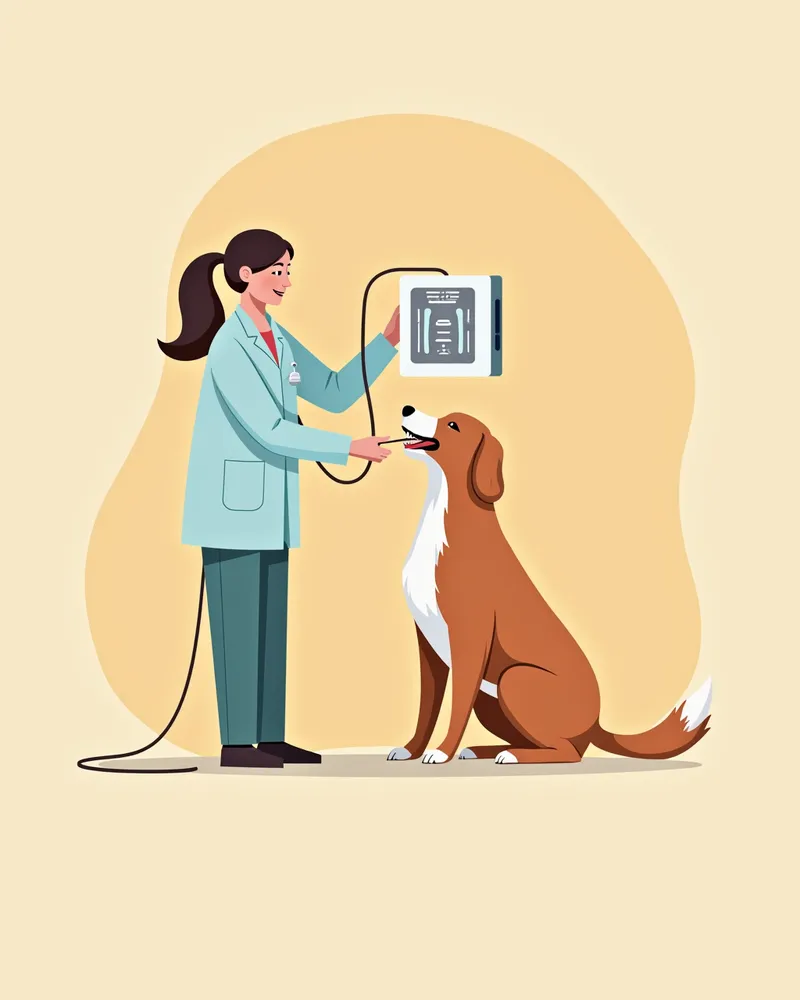
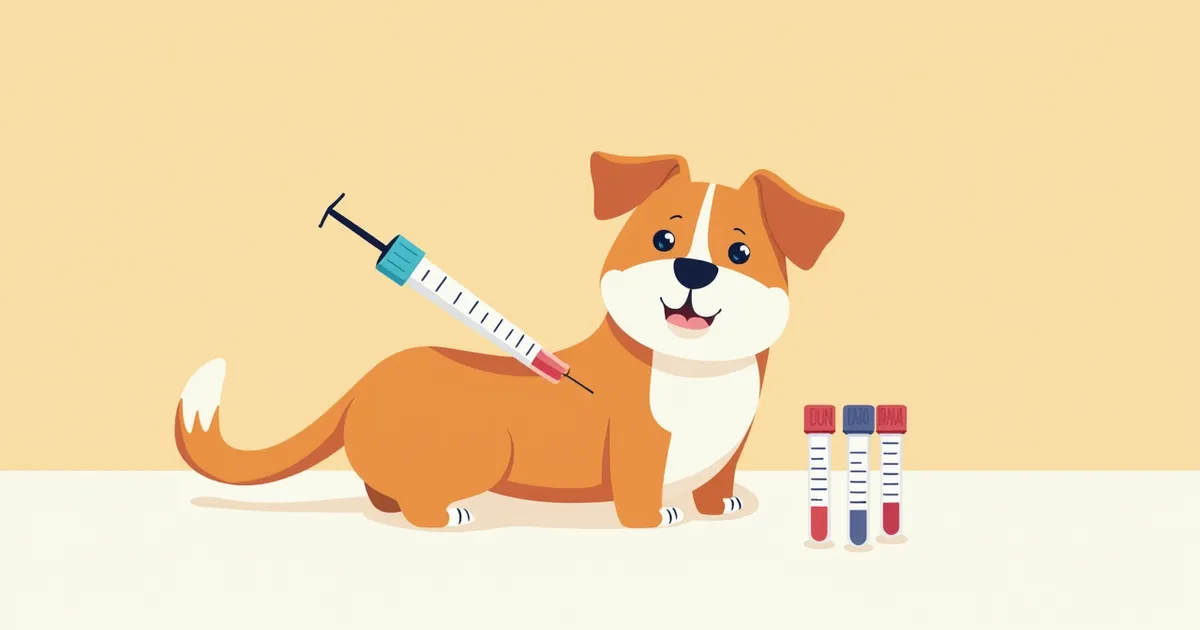
Veterinarians examine your dog’s mouth directly to assess the condition of the teeth and the severity of gum inflammation. - Oral examination: The vet visually inspects and gently palpates the mouth to check for loose teeth or bleeding. - Dental assessment: If teeth are loose or missing, the vet evaluates potential damage to the roots. - Comprehensive examination under anesthesia: Since awake examinations have limitations, accurate diagnosis of periodontal disease requires the use of a periodontal probe and dental radiographs under anesthesia. - Radiographic imaging: Dental X-rays provide a detailed view of the tooth roots and jawbone. Subtle bone loss that isn’t visible externally often cannot be detected with standard skull X-rays. - Treatment planning: Based on the radiographic findings, a customized treatment plan is developed. Accurate diagnosis is the first step toward effective treatment.
A veterinarian taking dental X-rays of a puppy.

Treatment Is Divided Into Tartar Removal and Addressing the Underlying Cause
Tartar removal under general anesthesia: This procedure involves mechanically removing tartar buildup from the teeth.
Gum treatment: Medication is applied or disinfectants are used on inflamed gums.
Tooth preservation treatment: If the teeth are damaged, preservation treatment is performed.
Use of oral hygiene products: Even after treatment, regular use of cleaning products is necessary to prevent recurrence.
Treatment is not a short-term measure but requires ongoing care.
A veterinarian removing tartar from a dog's teeth while the dog is under anesthesia.

Home Care Centers on Daily Hygiene Habits

Use a water-soluble oral cleanser: Add this product to your dog’s drinking water once daily. It is known to help reduce plaque buildup. Use oral hygiene wipes: These provide a convenient way to clean the gums and teeth. Use toothpaste and a toothbrush: This is the most effective method, though it may take time for your dog to get used to it. Offer dental treats: Certain treats are designed to help clean teeth as your dog chews them. Schedule regular check-ups: Have your veterinarian examine your dog’s oral health every six months. Without consistent care, the benefits of any treatment will not last long.
A puppy brushing its teeth with oral cleansing wipes.

Breed-Specific Precautions and Tips for Preventing Recurrence

Small-breed dogs have small, closely packed teeth, which makes plaque accumulate easily and allows periodontal disease to progress rapidly. Owners of small-breed dogs are advised to use dental cleaning products more frequently and to schedule regular veterinary check-ups. Additionally, if proper care is discontinued after treatment, the likelihood of recurrence is high.

Reviewed by a veterinarian

Dr. Tony — Punnawat Phongkittirak

Dr. Tony — Punnawat Phongkittirak

Veterinarian

A veterinarian who majored in veterinary medicine at Khon Kaen University, Thailand, and completed the IVSA program at North Carolina State University in the United States. Drawing on clinical experience at animal hospitals, he works in the pet healthcare field and is dedicated to building a digital care environment that connects pet parents with veterinarians.

Frequently Asked Questions

Is it safe to use oral rinse products every day?
Most products are designed for once-daily use. Simply follow the usage instructions and recommended frequency listed on the product. Most importantly, consistent care, such as regular brushing, helps maintain the product's effectiveness over time.
Is it safe for my dog to swallow toothpaste?
Many oral hygiene products are formulated to be safe if swallowed by dogs, but consuming large amounts at once can burden their digestive system. It’s best to follow the recommended dosage on the product label, and if you’re unsure which product to choose, consult your veterinarian for guidance.
Are water-soluble cleaners effective?
Water-soluble oral cleansers offer a convenient supplementary approach to dental care. However, since regular toothbrushing is the only method with proven effectiveness in reducing tartar and gingivitis, relying solely on cleansers may have limitations. It is best to combine their use with regular brushing and routine veterinary check-ups.
Are oral cleansing wipes less effective than toothbrushes?
Wipes are convenient and quick to use, but they may not clean as effectively as a toothbrush. For the best results, make brushing your pet’s teeth the primary routine and use wipes as a helpful supplement.
Do oral health issues naturally develop as pets age?
Periodontal disease becomes more common as pets age, but consistent care from an early age can prevent it or slow its progression. Establishing a regular tooth-brushing routine early on helps maintain dental health for longer.

Comparison Table of Dog Oral Hygiene Products

ItemProduct TypeEffectivenessEase of UseRecommended Frequency
Water-Soluble CleanserPlaque reduction, bad breath reliefVery highCan be used dailyOnce a day
Oral Cleaning WipesImmediate cleaning, gum careHighEasy to use3–4 times/week
Toothpaste + ToothbrushBest cleaning effectLowDog needs to adapt2–3 times a week
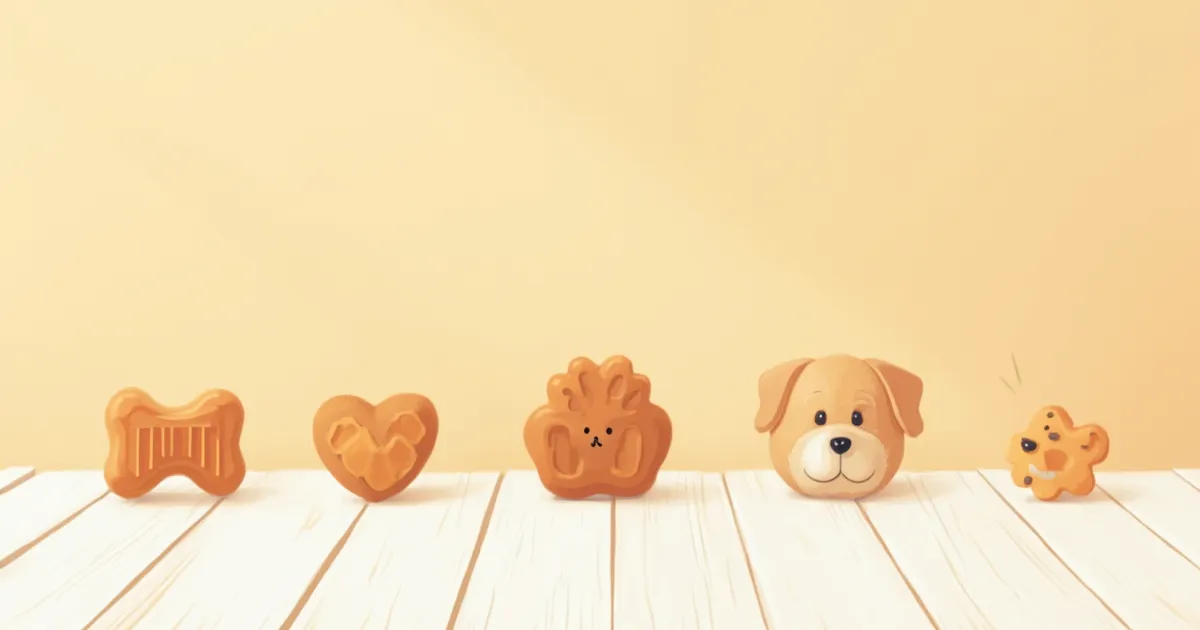
Oral Health TreatsTeeth-cleaning effect, stress reliefHighConvenientCan be used daily

It is important to choose each product to suit the dog's personality and habits. Decide after consulting a veterinarian.

Share

Related Guides

References

[1] BSAVA Manual of Canine and Feline Dermatology, 4th Ed. (2011). Bourdeau P, Bruet V, Roussel A et al.

[2] Applied Veterinary Clinical Nutrition, 2nd Ed. (2018). Catarino M, Combarros-Garcia D, Mimouni P et al.

[3] Plumb's Veterinary Drug Handbook, 9th Ed. (2021). D. Plumb.

This information is based on veterinary literature and does not replace diagnosis or treatment. Please consult a veterinarian for specific health concerns.

Metapet Co., Ltd. | CEO: Park Sung-yong | Business Reg. No. 417-88-02562 | Seoul, South Korea | Customer Center

Dog Oral Hygiene Products Compared: Symptoms, Causes & Care | Meongsiljang