

Canine Oral Papillomas: Symptoms, Causes, Diagnosis, Treatment, and Management Essentials
Canine oral papillomas are growths in the mouth caused by the flat papillomavirus, and they are most commonly seen in young dogs. Although most cases resolve on their own, they can cause pain or difficulty eating, so careful monitoring is important.
What Are Canine Oral Papillomas?

What Causes the Disease?
Main Symptoms and Signs

When to Visit the Vet Immediately
If the lesion grows rapidly, your pet refuses to eat entirely, bleeds from the mouth, or shows signs of pain, it’s best to consult a veterinarian. Although oral papillomas rarely become malignant, secondary bacterial infections or other oral diseases may need to be ruled out.
How Is the Diagnosis Made?
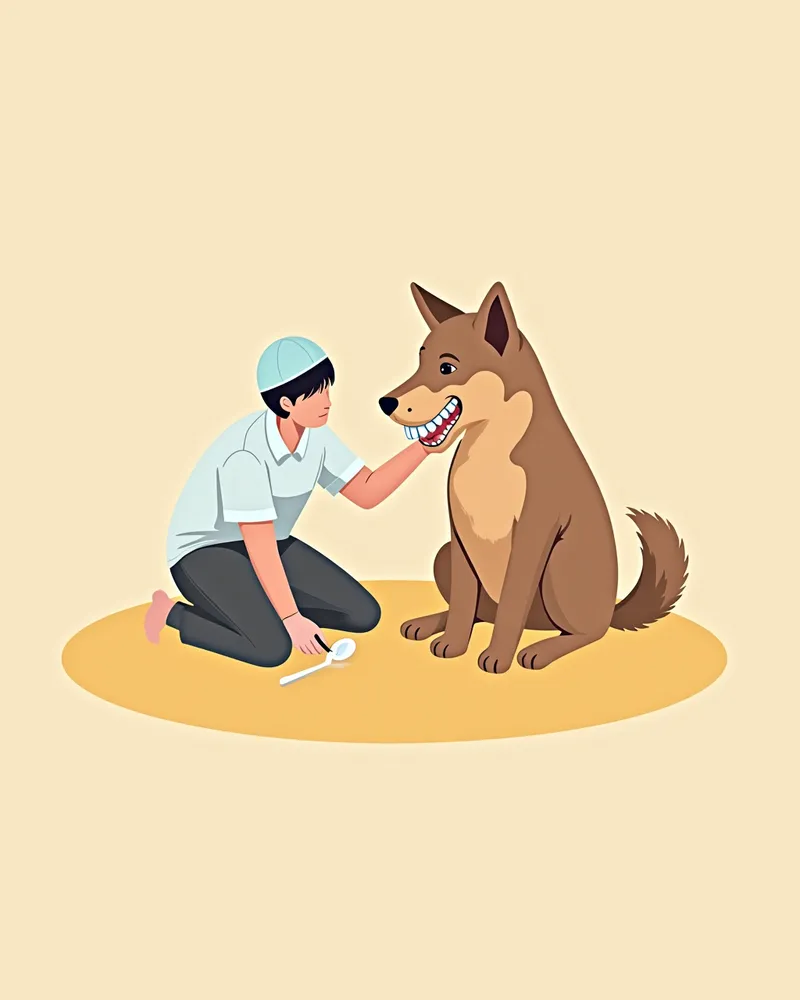
Treatment Options and Step-by-Step Management
Home Care Points

Breed-Specific Considerations and Recurrence Risk
When the immune system is compromised or suppressed, extra care may be needed to manage lesions, so it’s a good idea to monitor the progression of papillomas alongside treatment for other conditions. According to veterinary textbooks, oral papillomas do not show a predilection for any specific sex or breed. Therefore, it’s difficult to say that certain breeds are at higher risk of recurrence.
Reviewed by a veterinarian

Dr. Tony — Punnawat Phongkittirak
VeterinarianA veterinarian who majored in veterinary medicine at Khon Kaen University, Thailand, and completed the IVSA program at North Carolina State University in the United States. Drawing on clinical experience at animal hospitals, he works in the pet healthcare field and is dedicated to building a digital care environment that connects pet parents with veterinarians.
Reviewed 2026-06-29
Frequently Asked Questions
Can oral papillomas in dogs be transmitted to humans?
Do papillomas always need to be removed as they grow?
Can it recur?
Can it be treated with medication?
Is the growth in the mouth a papilloma?
Share
Related Guides

7 Best Cat Dental Chews for Tartar Prevention Recommended by Veterinarians and Selection Criteria

Top 5 Recommended Dental Treats for Dogs in 2026 — VOHC Certification Criteria

7 Criteria for Choosing Dog Tartar Prevention Dental Chews Recommended by Veterinarians

If Your Cat Keeps Rubbing Its Eyes — Symptoms and Lifelong Management of Herpetic Conjunctivitis

If Your Dog’s Eye Suddenly Swells and Becomes Red — Emergency Sign of Acute Intraocular Pressure Spike from Glaucoma

Canine Keratoconjunctivitis Sicca (KCS) — A Guide to Lifelong Artificial Tear Management

Kitten Coccidia — Causes of Chronic Diarrhea and Treatment Guide
If Your Male Cat Can’t Urinate — Urethral Obstruction Emergency Signs and the Golden Window
Dog Bladder Stones: Treatment Varies by Type — Dietary and Surgical Decision Guide

Canine Hepatitis — A Guide to Symptoms, Diagnosis, and Treatment by Cause
References
[1] Plumb's Veterinary Drug Handbook, 9th Edition, 2022. Wiley-Blackwell.
[2] Feldman, B. F., & Nelson, R. W. (2013). Canine and Feline Endocrinology and Reproduction. Elsevier Health Sciences.
[3] American Veterinary Medical Association. (2021). Canine Oral Papillomatosis: Diagnosis and Management. AVMA Guidelines.