Like
Share
멍실장
고양이 배뇨 곤란(스트레인거리아) 증상과 원인, 진단·치료와 관리 포인트 총정리

Feline Dysuria (Stranguria): Symptoms, Causes, Diagnosis, Treatment, and Management Essentials

UrinaryDiseasesMeongsiljang Veterinary Advisory Board

Feline dysuria, also known as straining to urinate, is an acute condition in which cats have difficulty urinating due to a urinary tract obstruction. This condition is particularly dangerous in male cats. Early detection and immediate veterinary care are essential for survival.

What is Feline Dysuria (Stranguria)?
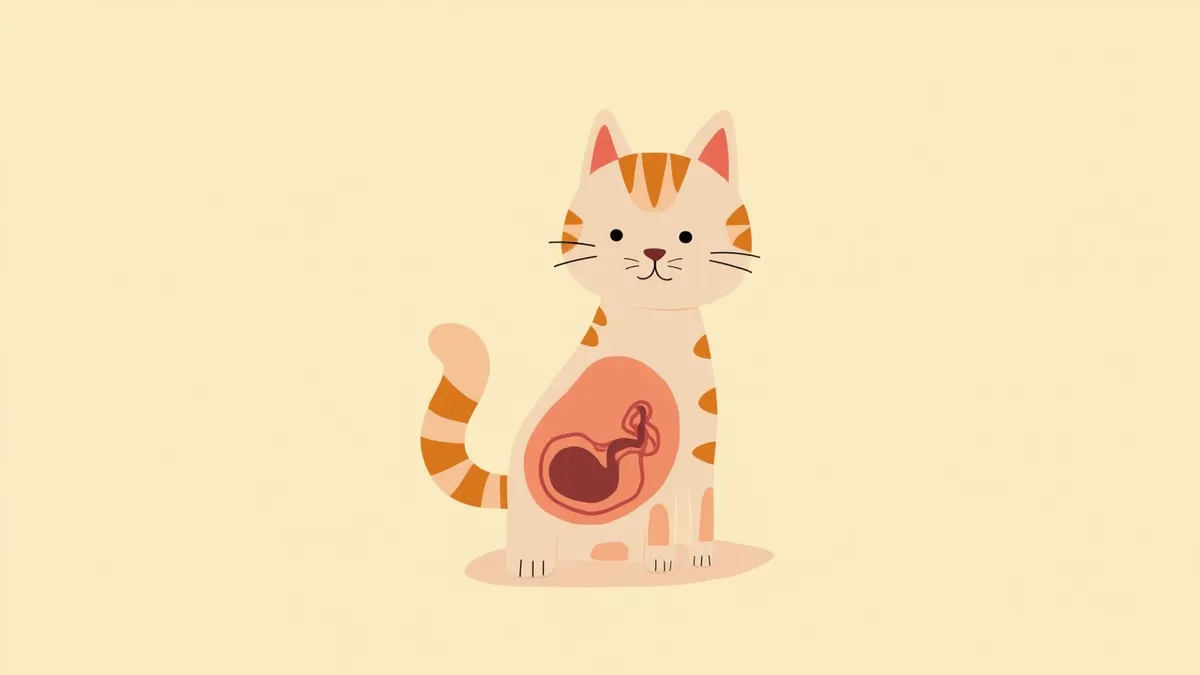
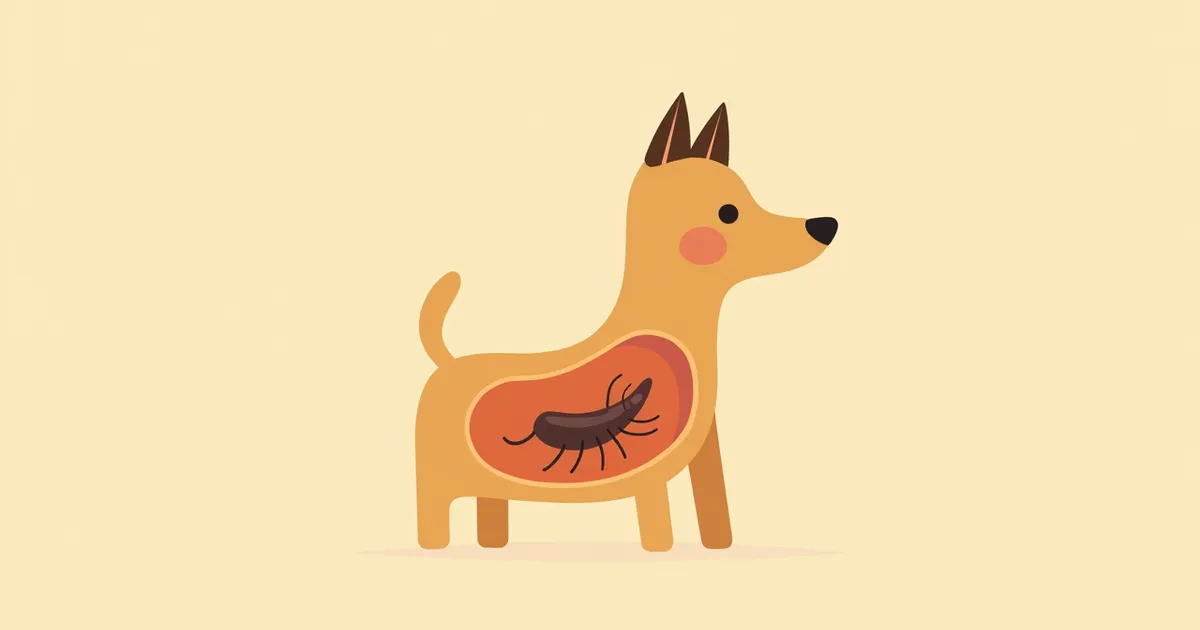
An anatomical diagram illustrating feline urinary tract obstruction
Feline urinary obstruction, also known as stranguria, is an acute emergency condition in which the urethra becomes blocked, preventing proper urination. Male cats are at higher risk of obstruction than females because their urethra is longer and narrower. When the urethra is blocked, urine cannot be expelled, placing significant strain on the kidneys and potentially leading to life-threatening accumulation of toxins (azotemia) and potassium in the blood. Early warning signs include straining to urinate for prolonged periods or lingering in the litter box while vocalizing in discomfort—these are never signs to take lightly. Immediate veterinary care is essential, as delayed treatment can be fatal. Early detection and prompt intervention are critical to survival.

What are the Main Causes?

- Urinary plug: A mass formed by the aggregation of minerals, cells, and organic substances such as proteins, which can easily obstruct the narrow urethra of male cats. - Dehydration: Insufficient water intake leads to highly concentrated urine, increasing the risk of crystal or plug formation. - Dietary factors: The composition of pet food and the presence of urinary crystals can interact to promote the formation of urinary crystals. - Stress: Environmental changes or conflicts among cats can trigger inflammation of the bladder. - Inflammation or infection: Inflammation or bacterial infection in the urinary tract can cause swelling of the mucous membranes, increasing the risk of obstruction. These factors may act in combination.
Diagram of the components of a urinary plug

Main Symptoms and Warning Signs

Feline urinary difficulties can worsen rapidly. Here are the warning signs owners should watch for:
Urethral obstruction: The cat strains to urinate but passes little or no urine.
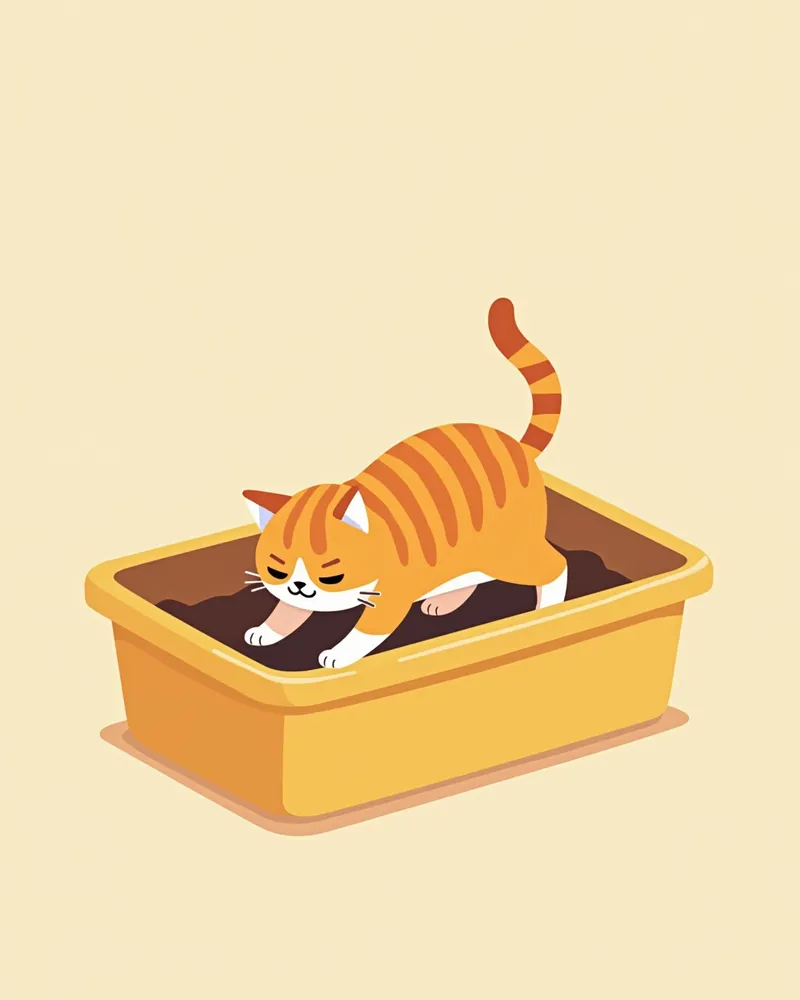
Frequent trips to the litter box: The cat spends a long time in the litter box, vocalizing and showing signs of distress.
Vocalization or expressions of pain: The cat cries out or grimaces due to pain during urination.
Vomiting or lethargy: The cat appears weak and inactive due to pain and loss of appetite.
Hard abdomen: The bladder becomes distended with urine, causing the abdomen to feel firm and tender to the touch.
If you notice any of these symptoms, seek veterinary care immediately.
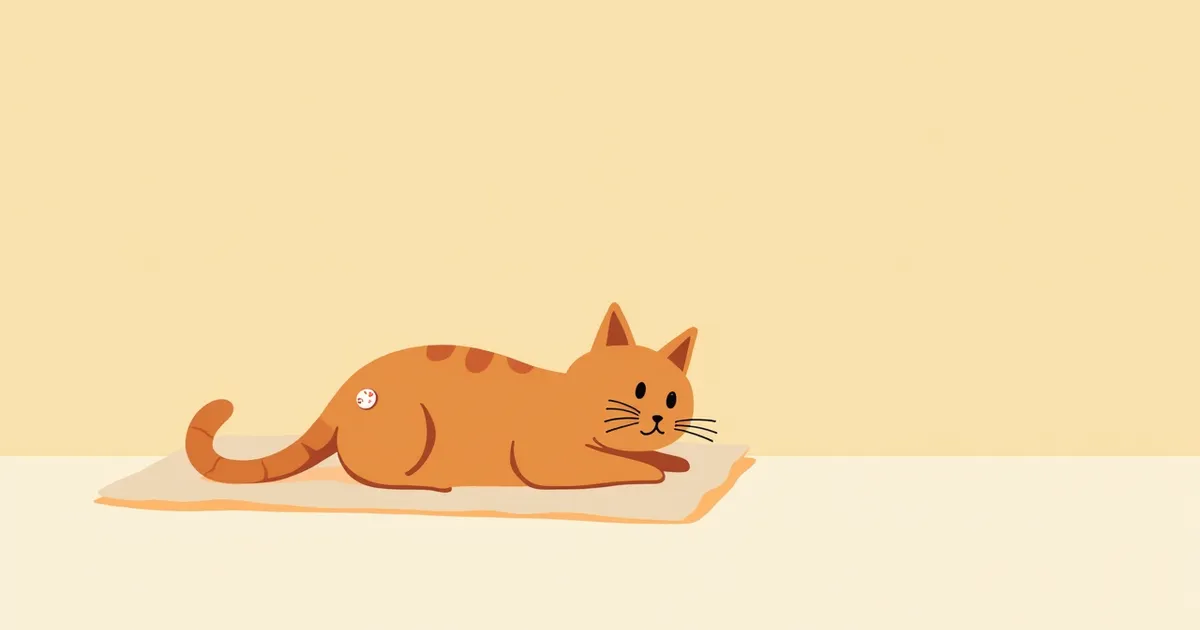
A cat suffering from difficulty urinating

Emergency Situations Requiring Immediate Veterinary Visit

If your cat stays in the litter box for a long time, straining or showing signs of pain without producing urine, take them to the vet immediately without delay. Urinary tract obstruction is a life-threatening emergency that can lead to kidney damage, elevated blood toxins (azotemia), and high potassium levels (hyperkalemia). The sooner a veterinarian can relieve the blockage and begin treatment, the better the chances of survival.

Accurate Diagnostic Methods
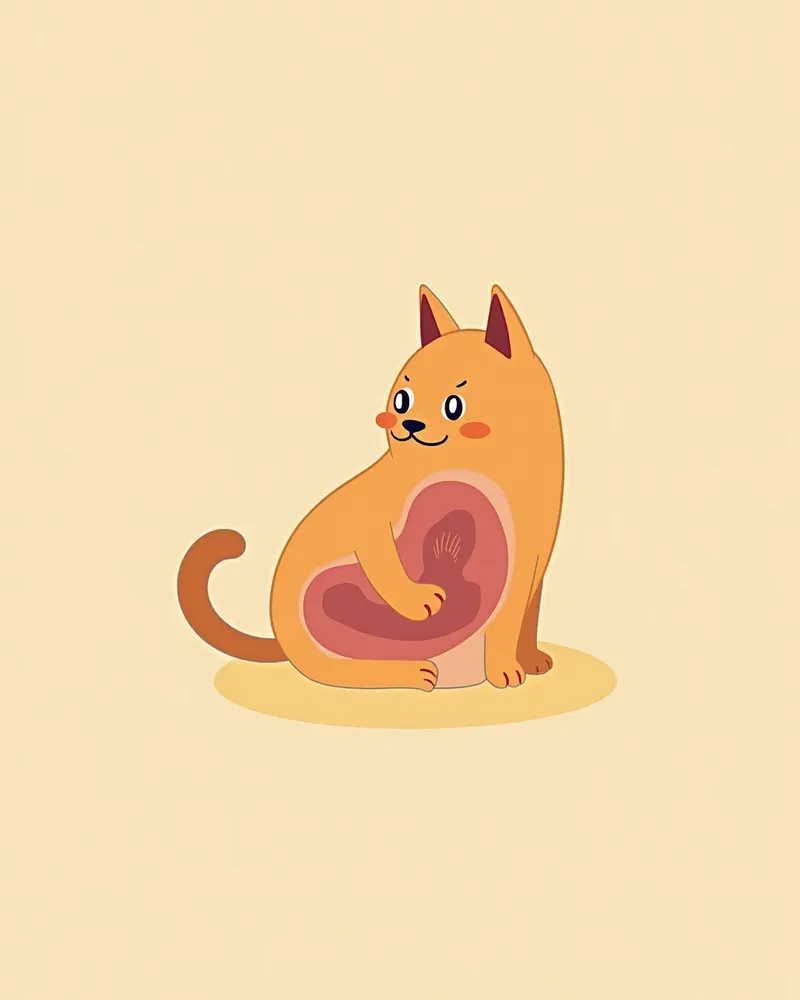
- Ultrasound examination: Accurately identifies the presence of urinary plugs or dilation within the urinary tract. - Radiography (X-rays): Useful for detecting stones or abnormal shadows. - Urinalysis: The presence of red blood cells, white blood cells, protein, or other abnormalities suggests a high likelihood of inflammation or obstruction. - Renal function tests: Blood tests are used to assess whether kidney damage has occurred. - Physical examination and medical history review: The cat’s behavior and medical history serve as important references for diagnosis. Since safe treatment is impossible without an accurate diagnosis, we comprehensively utilize multiple tests.
Ultrasound image confirming feline urinary tract obstruction

Treatment Methods and Step-by-Step Management
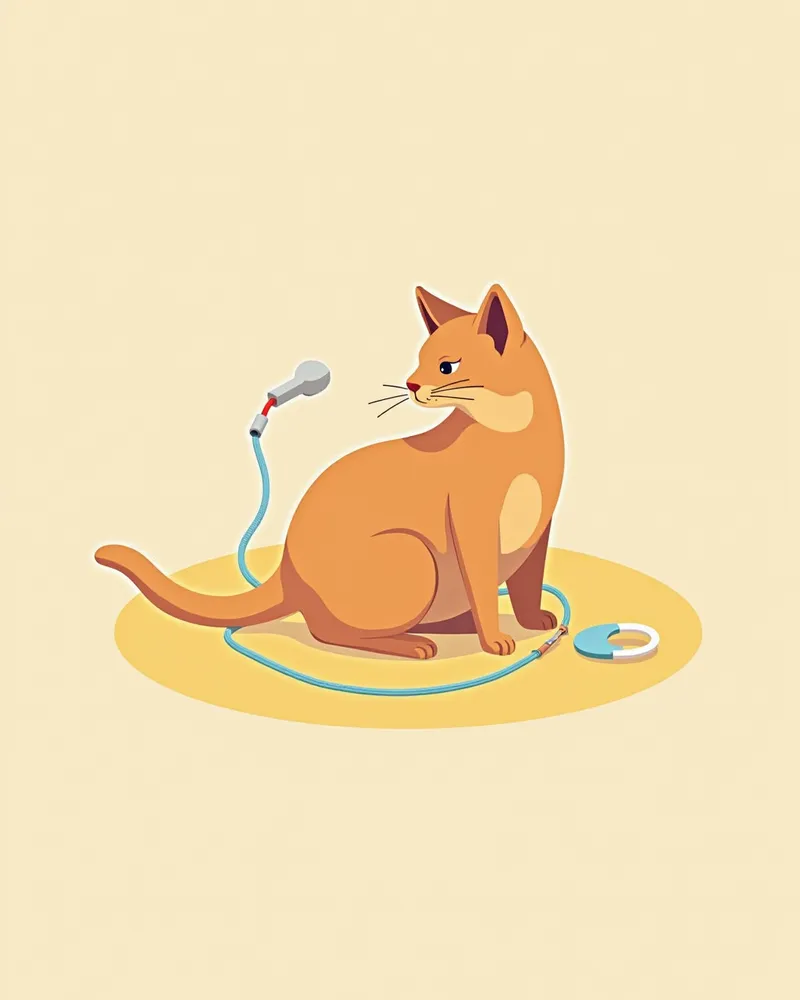
- Relieving the obstruction: Quickly clears the blocked urethra to restore normal urine flow. - Urethral catheterization: The standard treatment involves inserting a catheter into the urethra under sedation or anesthesia to relieve the blockage and restore urination. - Fluid therapy: Intravenous fluids are administered to support kidney function recovery and prevent dehydration. - Pain management: Analgesics are used to alleviate pain, reducing stress and anxiety in cats. - Antibiotic prescription: Antibiotics are prescribed only when infection is confirmed through urinalysis or culture; they are not used routinely without diagnostic testing. - Follow-up care: Prevents recurrence through dietary changes and environmental stress management, with regular check-ups to closely monitor recovery progress.
A veterinarian inserting a urinary catheter into a cat

Home Care and Follow-Up Measures

Here are some key points for managing your pet’s care at home after treatment:
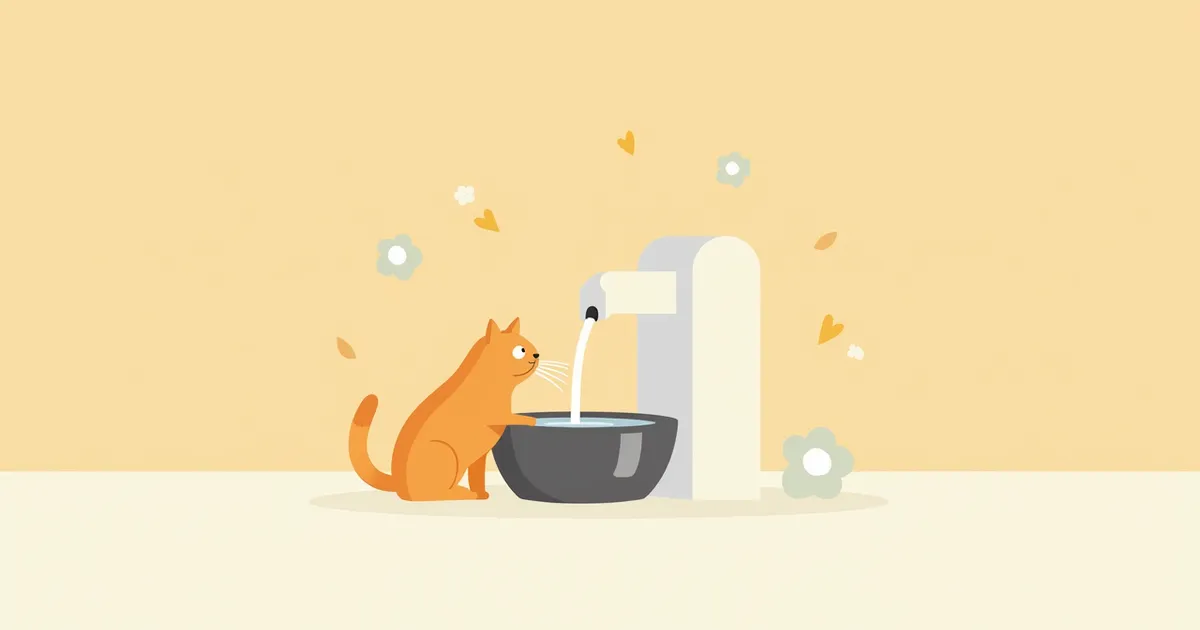
Encourage water intake: Change the water frequently and consider using a flowing-water automatic fountain.
Dietary management: Switch to a urinary health-specific diet recommended by your veterinarian.
Reduce stress: Place the litter box in a quiet area where your cat feels safe and comfortable.
Regular check-ups: Follow your vet’s guidance and periodically monitor for recurrence through urine tests.
Stable environment: If you have multiple cats, provide enough litter boxes to ensure each cat has access.
A cat drinking water from a stream-style water fountain.

Special Precautions for Male Cats and Recurrence Prevention

Male cats are at higher risk for difficulty urinating, particularly urethral obstruction, because their urethra is longer and narrower than that of females. Urological obstructions are most commonly seen in males, and to prevent recurrence, it is important to change their diet, increase water intake, and manage stress. Cats who have experienced an obstruction once are at risk of recurrence, so consistent, ongoing care is essential.

Reviewed by a veterinarian

Dr. Tony — Punnawat Phongkittirak

Dr. Tony — Punnawat Phongkittirak

Veterinarian

A veterinarian who majored in veterinary medicine at Khon Kaen University, Thailand, and completed the IVSA program at North Carolina State University in the United States. Drawing on clinical experience at animal hospitals, he works in the pet healthcare field and is dedicated to building a digital care environment that connects pet parents with veterinarians.

Frequently Asked Questions

Should I always take my cat to the vet if it stays in the litter box for a long time?
Yes, if your pet stays in the litter box for a long time without urinating, strains, or shows signs of pain, you should take them to the vet immediately. Urinary tract obstruction is a life-threatening emergency.
What can I do at home if my pet has difficulty urinating?
There’s no way to resolve this at home. You need to take your pet to the vet immediately. Giving medication or extra water on your own won’t help and could delay proper treatment.
How often do recurrences happen?
Once a cat has experienced this condition, it is at a higher risk of recurrence. While the recurrence rate varies from case to case, consistent management is essential.
Will changing the diet help prevent difficulty urinating?
Yes, switching to a veterinarian-recommended urinary health diet can help reduce the risk of urinary plugs and crystal formation. However, diet alone isn’t enough; it must be combined with other care measures, such as ensuring adequate water intake and managing stress.
Can a cat return to normal daily life after experiencing difficulty urinating?
Yes, with appropriate treatment and care, most cats can lead normal lives. However, ongoing monitoring is necessary to watch for any recurrence.

Share

Related Guides

References

[1] Carney et al. (2014) A Professional’s Guide to Feline Behaviour. Wiley-Blackwell.

[2] Clinical Medicine of the Dog and Cat, 4th Edition. Elsevier.

[3] The Cat, Clinical Medicine and Management, 2nd Edition. Elsevier.

This information is based on veterinary literature and does not replace diagnosis or treatment. Please consult a veterinarian for specific health concerns.

Metapet Co., Ltd. | CEO: Park Sung-yong | Business Reg. No. 417-88-02562 | Seoul, South Korea | Customer Center

Feline Dysuria (Stranguria): Causes, Symptoms & Treatment | Meongsiljang