Like
Share
멍실장
고양이 방광 초음파 검사 증상과 원인, 진단·치료와 관리 포인트 총정리

Feline Bladder Ultrasound: Symptoms, Causes, Diagnosis, Treatment, and Care Essentials

UrinaryDiseasesMeongsiljang Veterinary Advisory Board

Feline bladder ultrasound is a non-invasive diagnostic method that precisely evaluates the structure and function of the bladder. It may be recommended by a veterinarian when symptoms such as abdominal pain or urinary difficulties are suspected.

What Is a Feline Bladder Ultrasound?
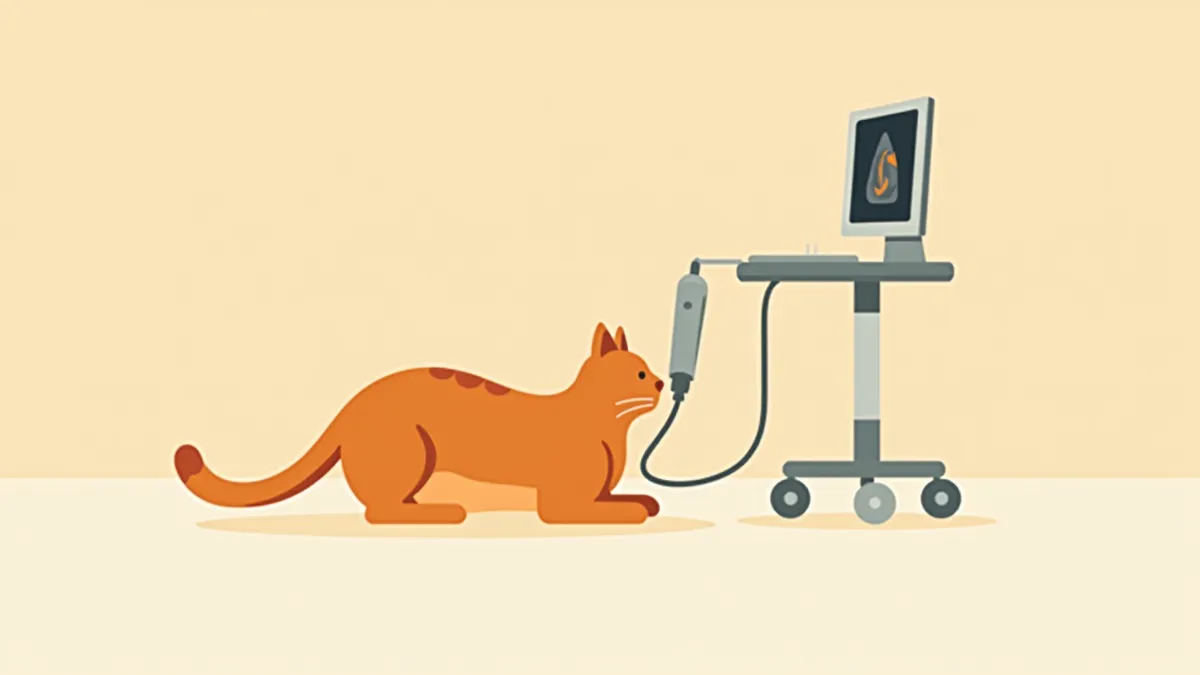
An image showing an ultrasound probe being placed on a cat's lower abdomen for examination.
A bladder ultrasound is a non-invasive diagnostic method that allows veterinarians to examine the size, wall thickness, and internal structure of your cat’s bladder. It is recommended when symptoms suggest conditions such as cystitis, bladder stones, tumors, or abnormal bladder contractions. The procedure is virtually painless and can be repeated even if your cat is stressed. Ultrasound can be performed in various clinical situations, and having a partially filled bladder helps provide a clearer evaluation of the bladder wall and internal structures. However, ultrasound serves as a complementary tool rather than a replacement for radiography; therefore, it is best used in conjunction with X-rays, particularly when assessing bladder stones. Ultrasound equipment enables real-time visualization of abnormalities within the bladder. Following the exam, your veterinarian will guide you through any necessary additional tests or treatments.

Main Reasons for a Bladder Ultrasound
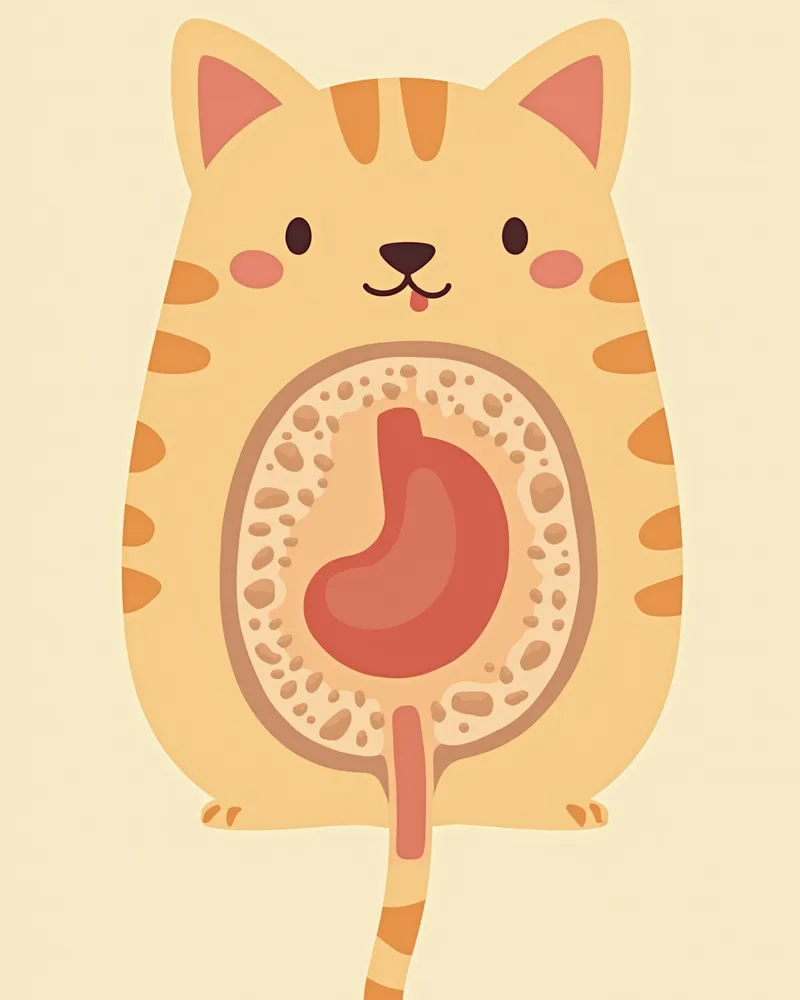
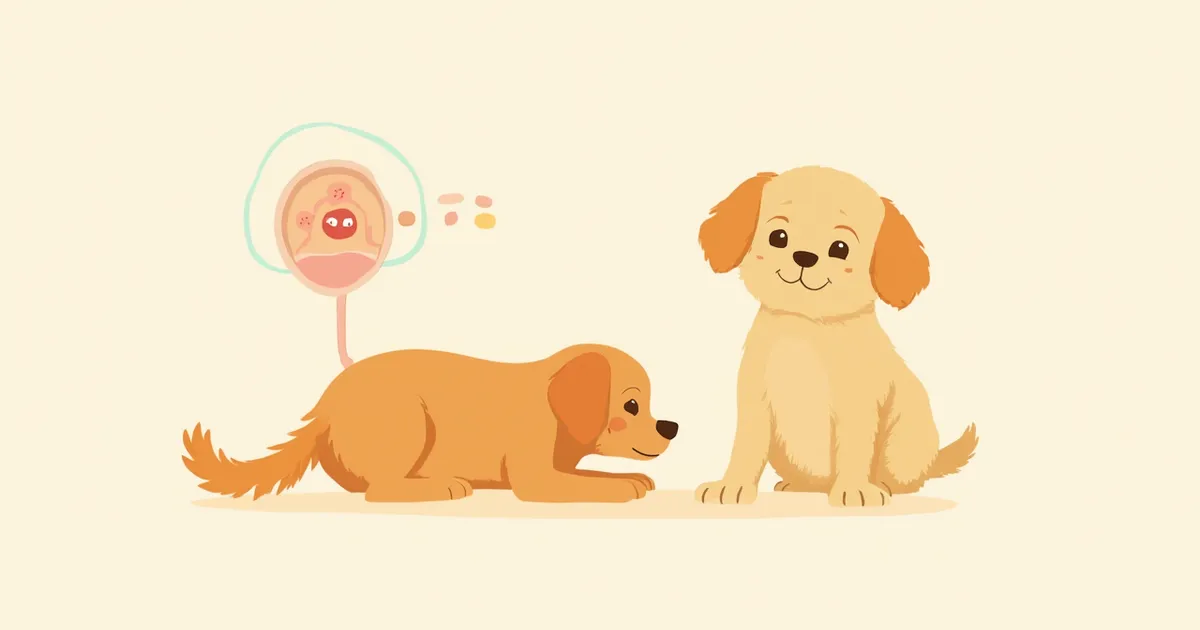
The main reasons a cat may need a bladder ultrasound include cystitis, bladder stones, tumors, and abnormal bladder contractions. Cystitis refers to inflammation of the bladder, which can cause the bladder wall to thicken due to various causes such as bacterial infections or stones. Bladder stones are hard formations that develop within the bladder, and ultrasound is more sensitive than radiography for detecting them, making it a helpful diagnostic tool. Tumors may appear as protruding masses inside the bladder, but imaging alone cannot determine whether they are malignant; further tests such as a biopsy are required for a definitive diagnosis. Although bladder tumors are relatively rare in cats, they are often malignant when present. If your veterinarian identifies any abnormalities, additional testing will be necessary.
An ultrasound image of a cat’s bladder showing thickened walls, stones, and a tumor.

Key Symptoms and Signs

The main symptoms that indicate a cat needs a bladder ultrasound include the following. Ultrasound is a diagnostic tool that allows for precise evaluation of the bladder’s size, wall thickness, and internal structure. A normal bladder wall is less than 2 mm thick; if it appears thicker, inflammation or other conditions may be suspected. Additional testing is especially necessary if the bladder wall is thickened or if stones or tumors are suspected. Frequent urination (pollakiuria): The cat visits the litter box often but passes only small amounts of urine. Painful urination (dysuria): The cat strains or cries while attempting to urinate in the litter box. Hematuria: Blood may be present in the urine. Incomplete bladder emptying: Ultrasound may reveal that the bladder is not fully distended or appears underfilled. Bladder wall thickening: Ultrasound may show a thickened bladder wall. Presence of foreign bodies: Stones, tumors, or other abnormal materials may be visible inside the bladder.
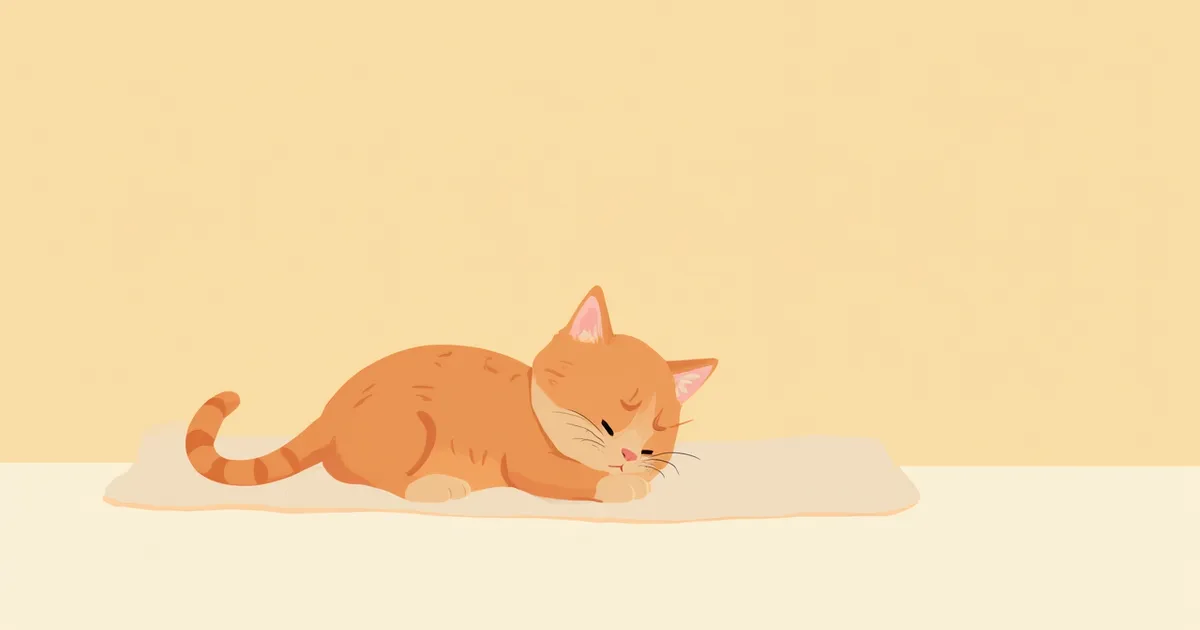
A cat experiencing pain while urinating in the litter box

When to Seek Immediate Veterinary Care

If your cat is straining to urinate but little or no urine comes out, or if it shows severe pain while urinating or has persistent blood in the urine, seek veterinary care immediately. A blocked bladder can be life-threatening. If the veterinarian determines that the bladder is not empty, emergency intervention is required. In such cases, the vet will promptly perform an ultrasound or begin treatment to help your cat pass urine.

Diagnostic Procedure and Method
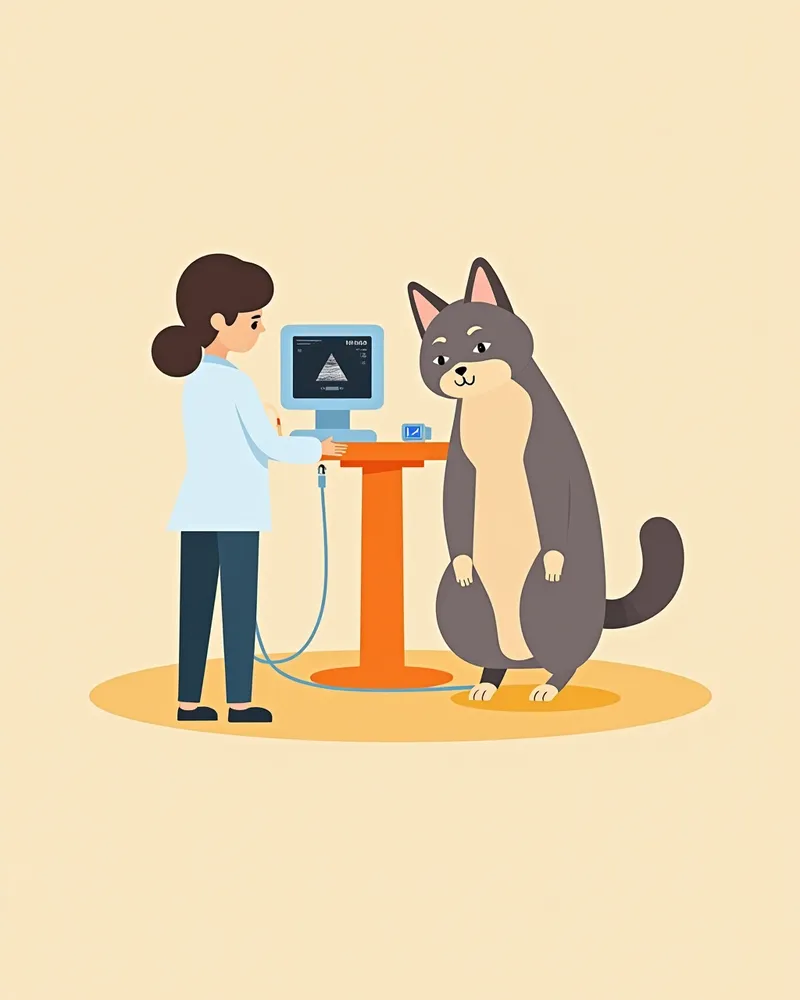
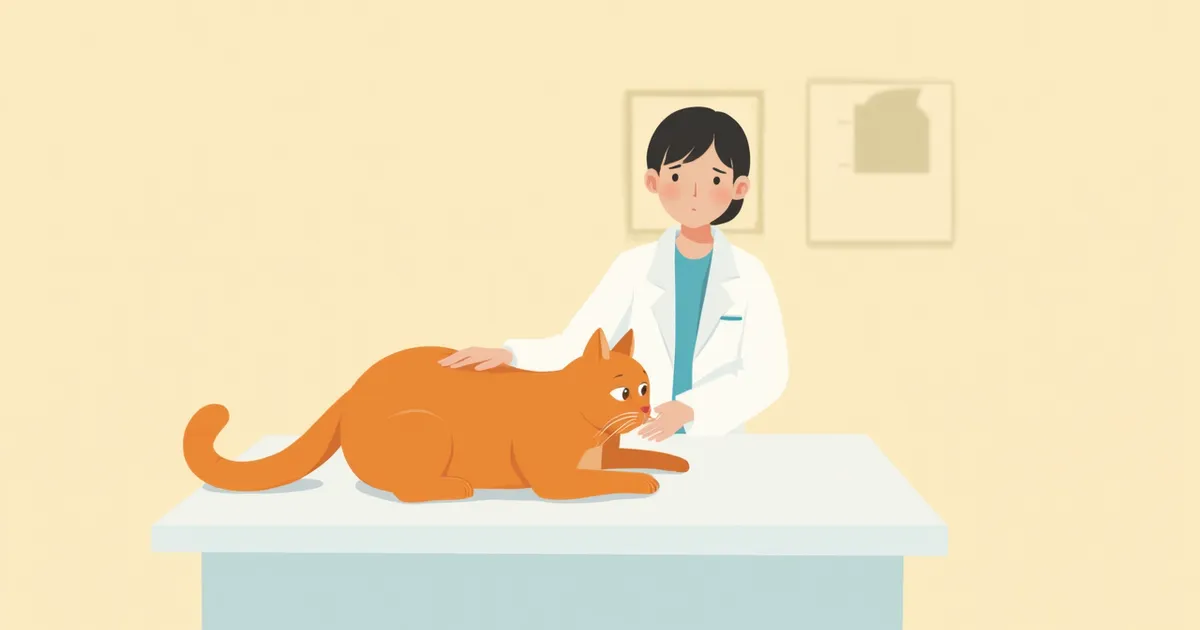
A feline bladder ultrasound is typically performed by a veterinarian placing an ultrasound probe on the cat’s lower abdomen to observe real-time images. Before the procedure, the cat may be encouraged to empty its bladder, or the exam may be conducted prior to surgery if necessary. The ultrasound images allow for a precise evaluation of the bladder’s size, wall thickness, and internal structures. If the bladder is not empty, the wall appears thickened, or stones or tumors are suspected, further diagnostic tests may be required. The veterinarian will document their findings and determine the appropriate course of treatment.
A veterinarian is examining a cat’s lower abdomen with an ultrasound probe.

Treatment Options and Step-by-Step Management
Treatment for cats varies based on bladder ultrasound results. In cases of cystitis, antibiotics are used only when an infection is suspected; overall, the priority is reducing inflammation and adjusting diet and environment. Since many cases of feline cystitis are idiopathic and not caused by bacterial infections, antibiotics are not always necessary. If stones are detected, they are managed through dietary changes or surgical removal. If a tumor is suspected, a biopsy is performed to determine whether it is malignant, and surgery, chemotherapy, or radiation therapy may be considered. In cases of urinary obstruction, immediate treatment is provided to help the cat urinate. The veterinarian will develop a treatment plan and guide you on how to care for your cat at home.
A cat receiving treatment after an ultrasound examination.

Home Care and Management Tips

After a bladder ultrasound, proper home care is key to preventing recurrence. Administer medications at the exact times prescribed. Strictly follow the dietary plan recommended by your veterinarian. Encourage frequent water intake to dilute the urine. Keep the litter box in a clean, quiet location. Consistently monitor your cat’s urination patterns and contact your veterinarian immediately if you notice any abnormalities. Regular check-ups will help continuously assess your cat’s health.
A cat’s living space equipped with a clean litter box and water bowl

Breed-Specific Considerations and Recurrence Prevention

Cats that are purebred, have long hair, are less active, live in multi-cat households, are overweight, or are in stressful environments may be at higher risk for bladder issues, particularly feline idiopathic cystitis. Your veterinarian may advise extra caution. Additionally, if a cat is stressed or does not drink enough water, the likelihood of bladder problems recurring increases. Regular check-ups and healthy lifestyle habits are essential. Working with your veterinarian to create a management plan can help effectively prevent these issues.

Reviewed by a veterinarian

Dr. Tony — Punnawat Phongkittirak

Dr. Tony — Punnawat Phongkittirak

Veterinarian

A veterinarian who majored in veterinary medicine at Khon Kaen University, Thailand, and completed the IVSA program at North Carolina State University in the United States. Drawing on clinical experience at animal hospitals, he works in the pet healthcare field and is dedicated to building a digital care environment that connects pet parents with veterinarians.

Frequently Asked Questions

Does a bladder ultrasound cause pain in cats?
No, bladder ultrasounds for cats are virtually painless. While there may be some mild pressure, most cats simply become a bit tense.
Do I need to empty my pet’s bladder before the test?
It can be helpful to encourage your cat to empty its bladder before the exam, but it’s not strictly necessary. Ultrasound imaging is still possible even if the bladder is partially full, and this can actually aid in evaluating the bladder wall and internal structures.
Should I have another ultrasound if the first one showed no abnormalities?
If symptoms persist, further testing may be necessary even if the initial results are normal. Bladder dysfunction may not be clearly visible on an ultrasound.
If bladder stones develop, is surgery the only option?
Not necessarily; it depends on the type of stone. Some stones can be dissolved through dietary management, but calcium oxalate stones cannot be dissolved with diet and usually need to be removed surgically. Your veterinarian will determine the appropriate treatment based on the type and size of the stones.
What should I do if my cat frequently suffers from cystitis?
Regular check-ups, a healthy diet, and adequate water intake are essential. Your veterinarian will identify the underlying cause and recommend appropriate dietary adjustments or environmental management strategies.

Share

Related Guides

References

[1] Textbook of Cardiovascular Medicine in Dogs and Cats, 2020, Chapter 11: Echocardiography and Cardiac Imaging

[2] Small Animal Critical Care Medicine, 3rd Ed, 2021, Section 43.1: Indications for Echocardiography

[3] Feline Emergency and Critical Care Medicine, 2nd Ed, 2022, Chapter 14: Dyspneic Feline Patient Management

This information is based on veterinary literature and does not replace diagnosis or treatment. Please consult a veterinarian for specific health concerns.

Metapet Co., Ltd. | CEO: Park Sung-yong | Business Reg. No. 417-88-02562 | Seoul, South Korea | Customer Center

Feline Bladder Ultrasound: Symptoms, Causes & Diagnosis | Meongsiljang