
Feline Calcium Oxalate Uroliths: Symptoms, Causes, Diagnosis, Treatment, and Management Essentials
Feline calcium oxalate uroliths are hard crystals that form in the urinary tract and can cause pain and difficulty urinating. Early diagnosis and proper management are essential.
What Are Feline Calcium Oxalate Uroliths?
Main Causes and Risk Factors
Key Symptoms and Warning Signs
When Immediate Veterinary Care Is Needed
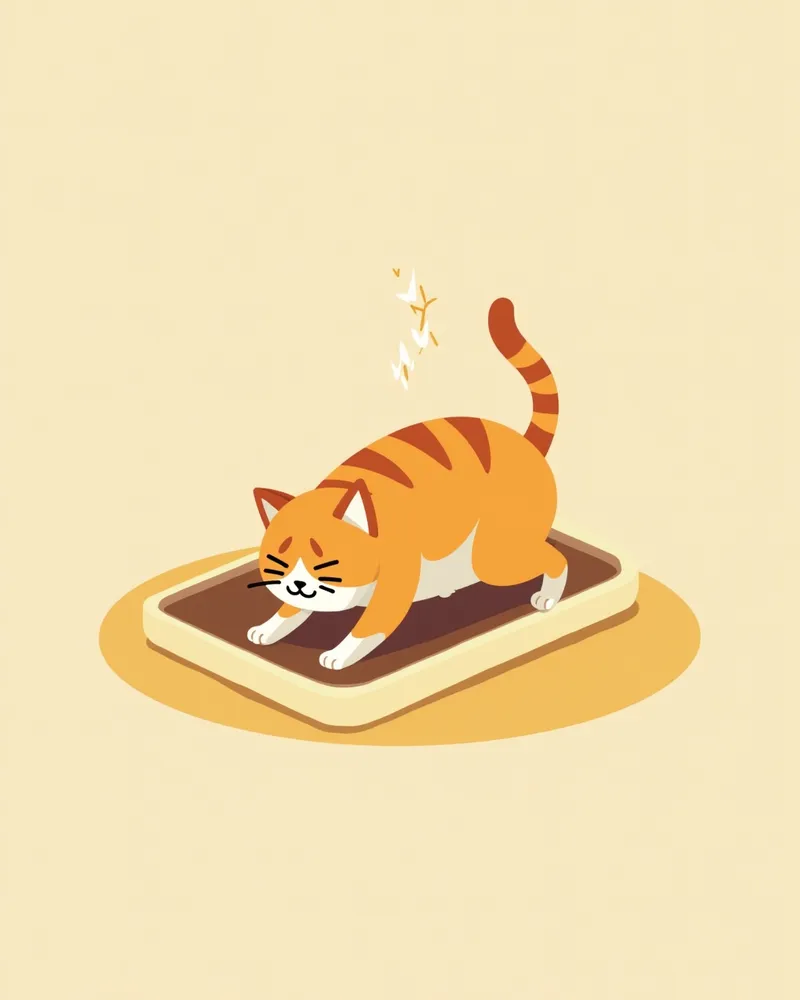
If your cat repeatedly tries to urinate but can’t, or shows signs of pain while attempting to, it may have a urinary blockage. This is a life-threatening emergency. Please seek immediate veterinary care.
Accurate Diagnostic Methods
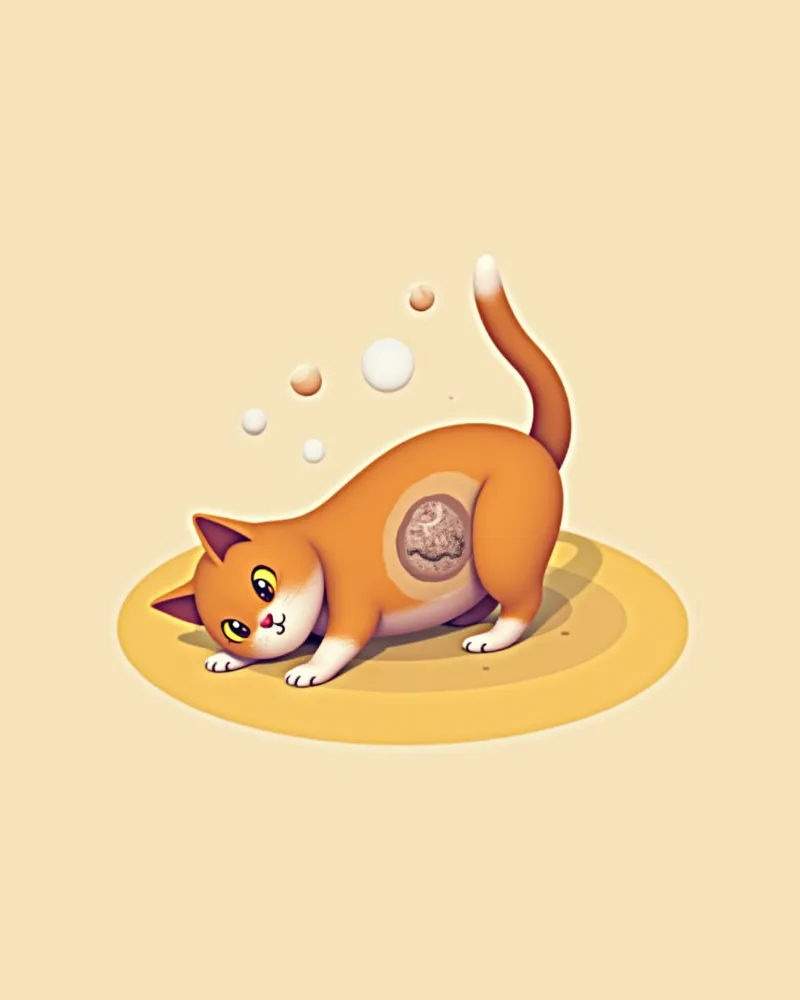
Treatment Options and Step-by-Step Management
Home Care and Management Tips
Breed and Age Considerations
Calcium oxalate uroliths are more commonly reported in cats of middle age and older, and the risk of formation increases with hypercalcemia, or elevated levels of ionized calcium in the blood. As cats age, changes in kidney function and calcium metabolism can raise the risk of uroliths, making regular veterinary check-ups especially essential for senior cats.
Reviewed by a veterinarian

Dr. Tony — Punnawat Phongkittirak
VeterinarianA veterinarian who majored in veterinary medicine at Khon Kaen University, Thailand, and completed the IVSA program at North Carolina State University in the United States. Drawing on clinical experience at animal hospitals, he works in the pet healthcare field and is dedicated to building a digital care environment that connects pet parents with veterinarians.
Reviewed 2026-06-29
Frequently Asked Questions
Can calcium oxalate urinary stones in cats be cured?
Can you prevent urinary stones at home?
Does a pet need surgery right away if a urinary stone is found?
Can I feed my cat regular food after it has had urinary stones?
Do kidney stones cause severe pain?
Share
Related Guides
Top 5 Prescription Diets for Feline FLUTD — Comparison by Struvite and Calcium Oxalate Stones
Top 7 Prescription Diets for Feline Bladder and Urinary Tract Health Recommended by Veterinarians — Including Selection Criteria

Top 5 Cranberry Urinary Supplements for Dogs — Preventing Cystitis
If Your Cat’s Kidney Failure Has Progressed — Timing for Starting Peritoneal Dialysis and Management Points
If Your Cat Has Proteinuria — Causes of Glomerulonephritis and Timing of Treatment
If Your Cat’s CKD Has Progressed — Key Palliative Care and Management to Preserve Quality of Life
Cat ACE Inhibitors and ARBs: Kidney Protection Effects and Timing for Initiation – A Complete Guide
If Your Dog’s Food Is Threatening Their Heart — Warning Signs of Taurine-Deficient Dilated Cardiomyopathy
If Your Dog Has Persistent Fever and Lethargy — Endocarditis Symptoms and Treatment Timing
If Your Dog Has High Blood Pressure — Symptoms, Treatment, and Management of Hypertensive Heart Disease
References
[1] Bartges, J.W. et al. (2004). Influence of alkalinization and acidification on urine saturation with calcium oxalate and struvite and bone mineral density in healthy cats. Am J Vet Res, 65(1), 138–142.
[2] Lulich, J.P. et al. (2009). Efficacy and safety of laser lithotripsy in fragmentation of urocystoliths and urethroliths for removal in dogs. BJU Int, 104(7), 945–950.
[3] Osborne, C.A. et al. (2008). Epidemiologic study of risk factors for lower urinary tract diseases in cats. J Am Vet Med Assoc, 232(5), 700–708.