

Feline Oral and Periapical Abscesses: Symptoms, Causes, Diagnosis, Treatment, and Care Essentials
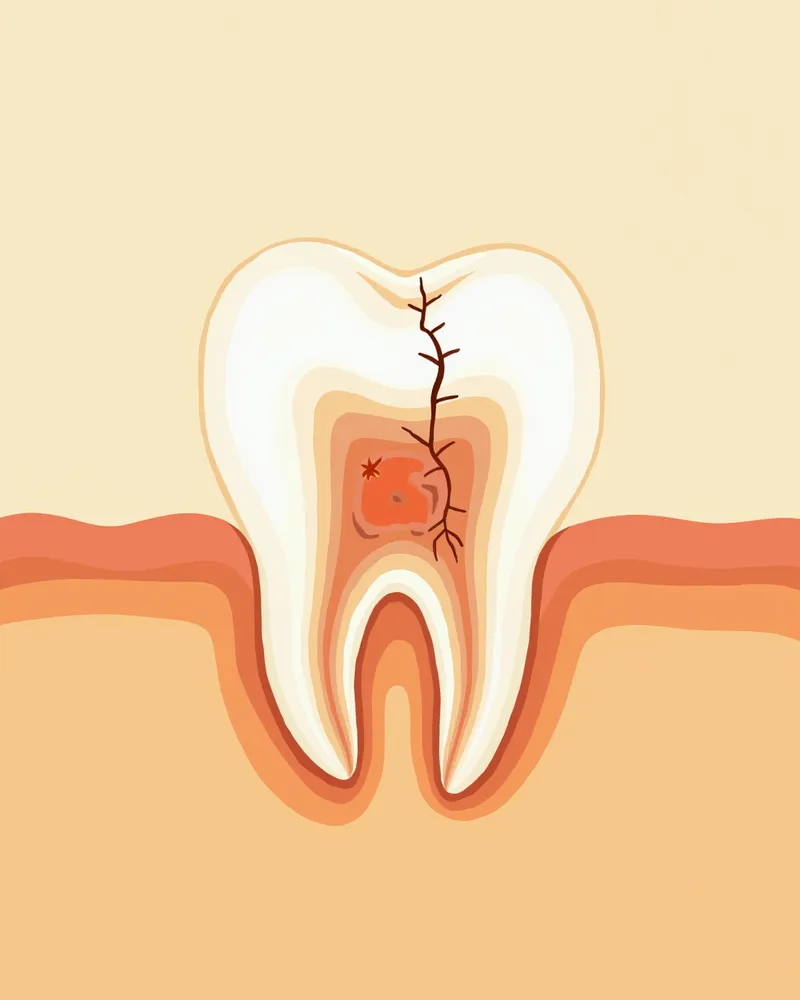
Feline oral abscesses are inflammatory lesions that develop in the tissues surrounding the teeth, while periapical abscesses are serious conditions originating at the tips of the tooth roots. Early detection and appropriate treatment are essential.
What Are Feline Oral and Periapical Abscesses?

What Are the Main Causes?
Key Symptoms and Signs

When to Seek Immediate Veterinary Care
If your cat shows severe pain, significant facial swelling, fever, or refuses to eat entirely, seek veterinary care immediately. These symptoms may indicate that the abscess has spread to the bone or caused a systemic infection. Delaying treatment can be life-threatening.
How Is an Accurate Diagnosis Made?

Treatment Methods and Step-by-Step Approach

Care Points at Home

Breed Considerations and Prevention of Recurrence
There is no clear evidence to suggest that certain breeds are more prone to oral and periapical abscesses. However, oral issues such as periodontal disease, tooth resorption, and gingivitis are common in cats regardless of breed or age (tooth resorption has been observed in 25–75% of cats, depending on the study population). Therefore, all cats require at-home oral care and regular veterinary dental check-ups. To prevent recurrence, it is important to monitor dental health during routine check-ups and consistently maintain at-home dental care, such as brushing.
Reviewed by a veterinarian

Dr. Tony — Punnawat Phongkittirak
VeterinarianA veterinarian who majored in veterinary medicine at Khon Kaen University, Thailand, and completed the IVSA program at North Carolina State University in the United States. Drawing on clinical experience at animal hospitals, he works in the pet healthcare field and is dedicated to building a digital care environment that connects pet parents with veterinarians.
Reviewed 2026-06-07
Frequently Asked Questions
Is a cat's oral abscess untreatable?
Do oral abscesses cause severe pain?
How can we prevent it?
How long does the recovery period after surgery take?
Will an abscess heal on its own?
Share
Related Guides

7 Best Cat Dental Chews for Tartar Prevention Recommended by Veterinarians and Selection Criteria

Top 5 Recommended Dental Treats for Dogs in 2026 — VOHC Certification Criteria

7 Criteria for Choosing Dog Tartar Prevention Dental Chews Recommended by Veterinarians

If Your Cat Suddenly Can’t Open Its Eye — Emergency First Aid for Foreign Bodies and When to See a Vet

If Your Cat’s Eyeball Suddenly Protrudes — Emergency Management and the Golden Time for Globe Prolapse

If Your Cat’s Eyes Are Enlarged and Cloudy — Glaucoma Warning Signs and Timing for Medical and Surgical Treatment

If Your Cat Can’t Open Its Eyes — Corneal Perforation, a Warning Sign Requiring Immediate Veterinary Care

If Your Cat’s Eyes Are Cloudy and Hazy — Causes of Corneal Edema and When to Visit the Vet
Canine Thyroid T4 Test: From Lethargy and Hair Loss Warning Signs to Diagnostic Timing – A Complete Guide

If Only Your Dog’s Flank Hair Is Falling Out — Key Points on Seasonal Alopecia Symptoms, Diagnosis, and Management
References
[1] Bellows J. Feline Dentistry – Oral Assessment, Treatment, and Preventative Care. 1st ed. Ames: Wiley-Blackwell; 2010.
[2] DeBowes LJ. Simple and surgical exodontia. Vet Clin North Am Small Anim Pract. 2005;35:963–984.
[3] The Cat, Clinical Medicine and Management, 2nd Edition. Elsevier; 2017.