Like
Share
멍실장
고양이 철분제중독 증상과 응급 대처법, 위험 섭취량과 예방까지 총정리

If Your Cat Ingested an Iron Supplement — Poisoning Symptoms and When to Go to the Vet

Emergency/ToxicityDiseasesMeongsiljang Veterinary Advisory Board

Even if initial symptoms of iron supplement toxicity in cats appear to improve, the condition can deteriorate rapidly due to liver damage and shock 12 to 24 hours later. If ingestion is confirmed, contact a veterinary clinic immediately, regardless of whether symptoms are present.

What Is Iron Supplement Poisoning in Cats?
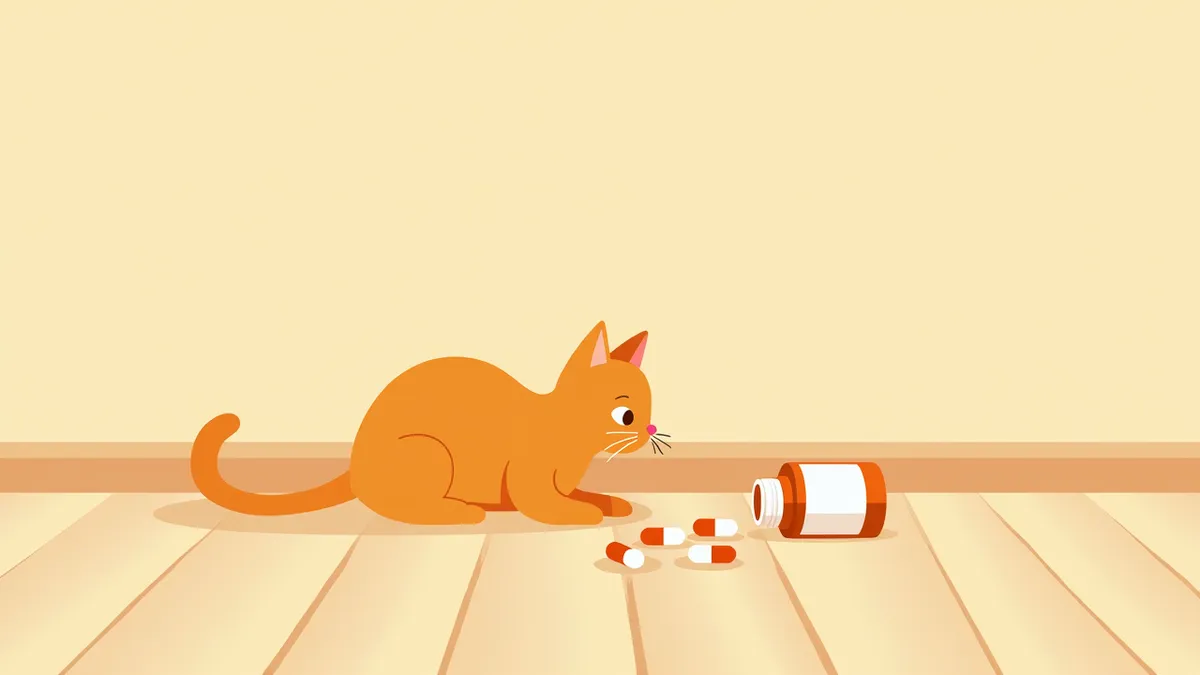
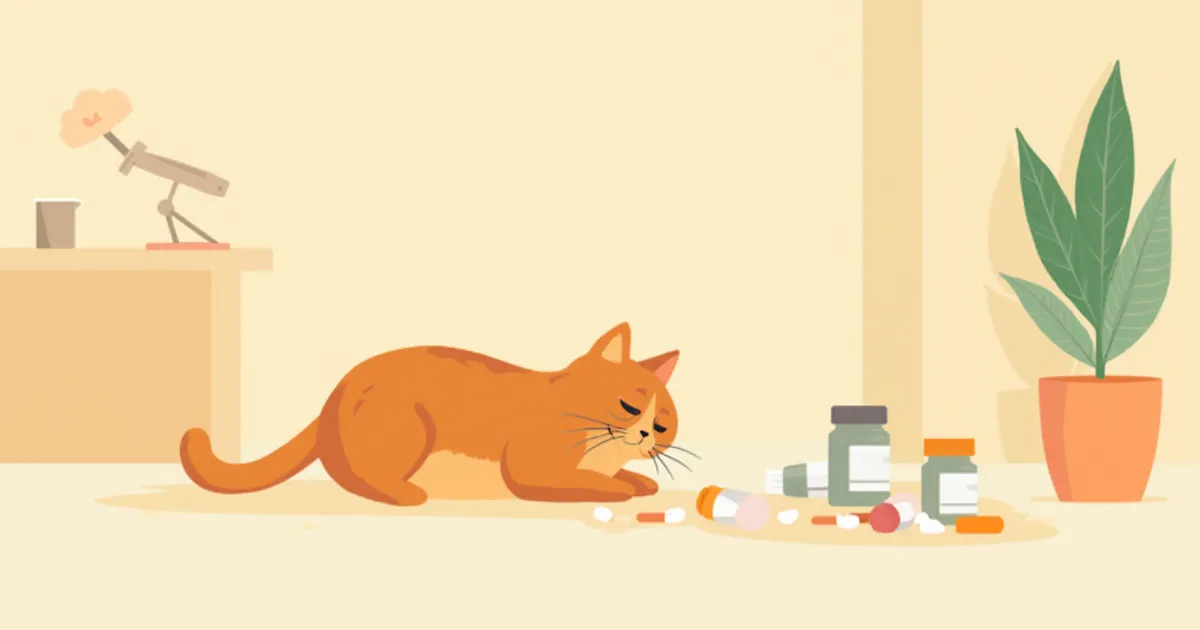
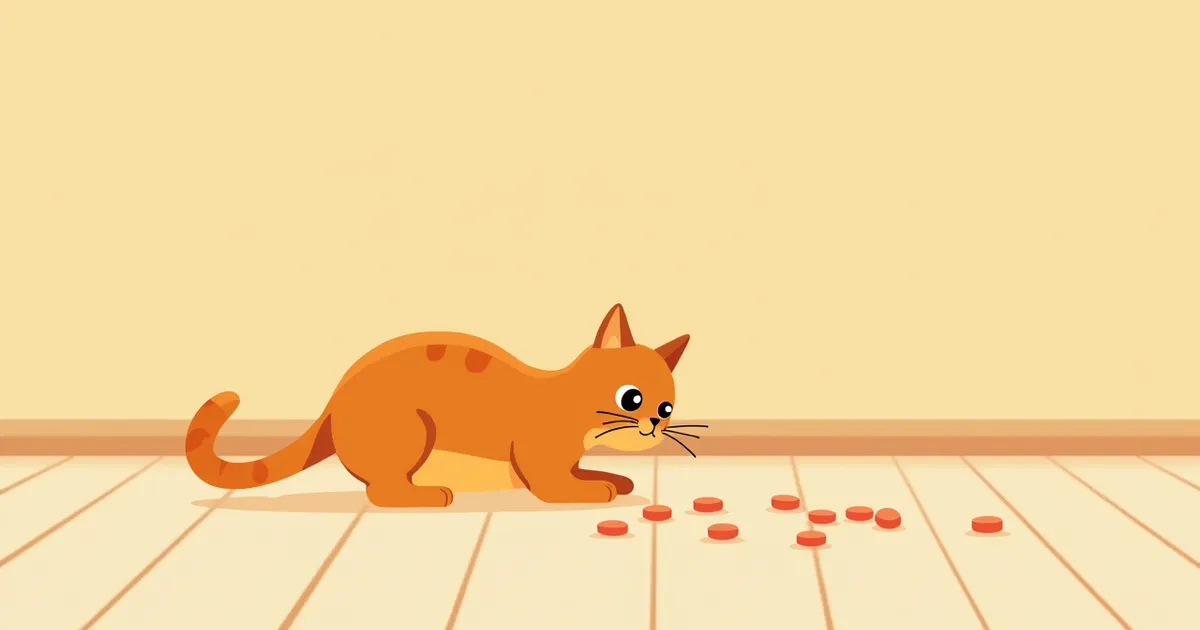
A cat sitting next to a spilled iron supplement.
Iron poisoning in cats is an acute toxic condition that occurs when they ingest excessive amounts of iron-rich products, such as human iron supplements, prenatal vitamins, or children’s nutritional supplements. What’s truly important is not to let your guard down just because your cat seems fine initially. Iron poisoning is characterized by a two-stage pattern: after the first stage of vomiting and diarrhea subsides, the condition can suddenly worsen 12 to 24 hours later with liver damage and shock. For safety, contact your veterinarian immediately if you confirm ingestion, regardless of whether symptoms are present.

Which Products Are Dangerous? — A Complete Guide to Iron Sources

There are more iron-containing products within your cat’s reach at home than you might expect.
Human iron supplements: Some tablets contain a large amount of elemental iron. With high-potency products, even a small ingestion can reach dangerous levels.
Prenatal vitamins: These often have particularly high iron content, so even a small amount consumed by your cat can be hazardous.
Children’s chewable vitamins: Their fruity scent and sweet taste may lead cats to mistake them for food.
Pet iron supplements: Administering these in excess without veterinary guidance is equally dangerous.
Because the elemental iron content varies significantly between products, it is difficult to calculate the exact toxic dose. Even a single tablet can contain vastly different amounts of iron depending on the brand, so you cannot assume safety based on the small size of the ingested piece. Rather than trying to determine exactly how much is toxic, the safest course of action is to identify the product and estimate the amount consumed, then contact your veterinarian immediately.

Symptom Checklist by Stage — Progresses in 4 Stages
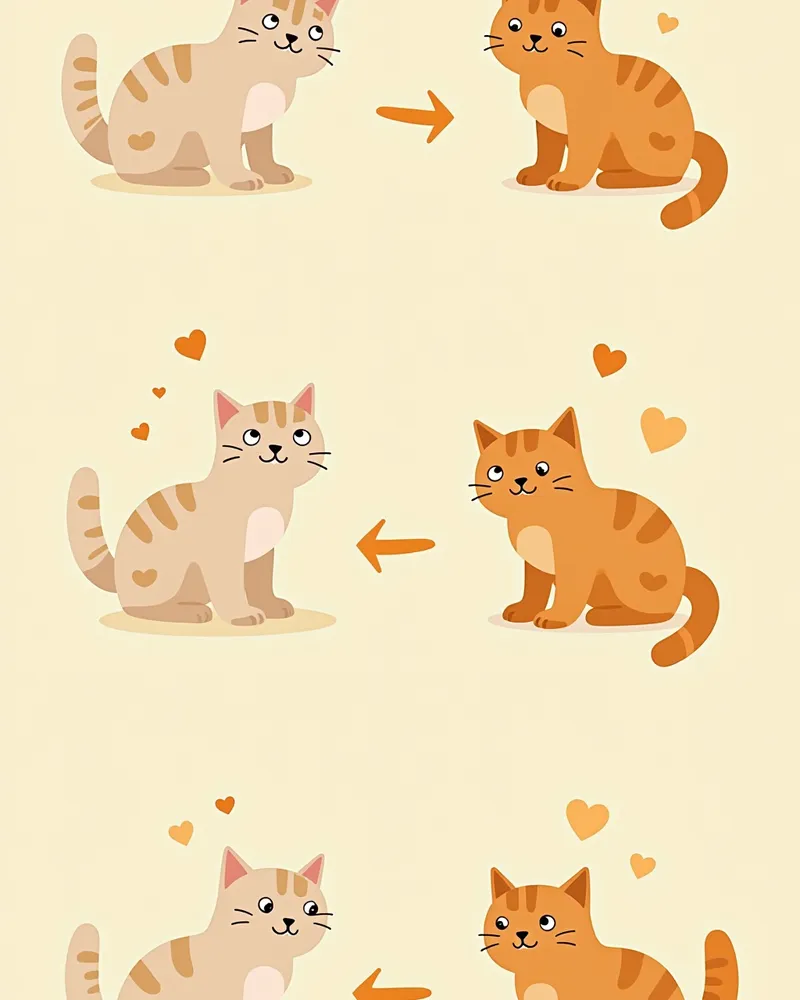
Iron poisoning progresses through distinct stages, each with its own set of symptoms. Knowing which stage your pet is in can help you assess the urgency of the situation. Stage 1 (0–6 hours after ingestion): Vomiting, bloody stools, diarrhea, abdominal pain, and lethargy. Stage 2 (6–24 hours): A deceptive recovery period where symptoms may temporarily improve, but the toxin is actually being absorbed throughout the body. Stage 3 (12–96 hours): Sudden decline in energy, shock, liver damage, jaundice (yellowing of the eyes and gums), and a tendency to bleed. Stage 4 (2–6 weeks): Recurrent vomiting and decreased appetite due to gastrointestinal scarring. Please be especially cautious: many owners mistakenly believe their pet has fully recovered during Stage 2 and delay treatment.
Illustration of the four stages of iron poisoning progression in cats

Situations Requiring Immediate Visit to an Emergency Animal Hospital

If any of the following apply, go to an emergency animal hospital immediately: • If your pet has ingested or is suspected of ingesting an iron product (even if no symptoms are present) • If vomiting, bloody stools, or diarrhea occur two or more times • If initial symptoms improve but your pet suddenly becomes weak again (a sign of progression from stage 2 to stage 3) • If the whites of the eyes or gums turn yellow or pale • If your pet is reluctant to move and unresponsive to stimuli

How Is It Diagnosed at the Animal Hospital?
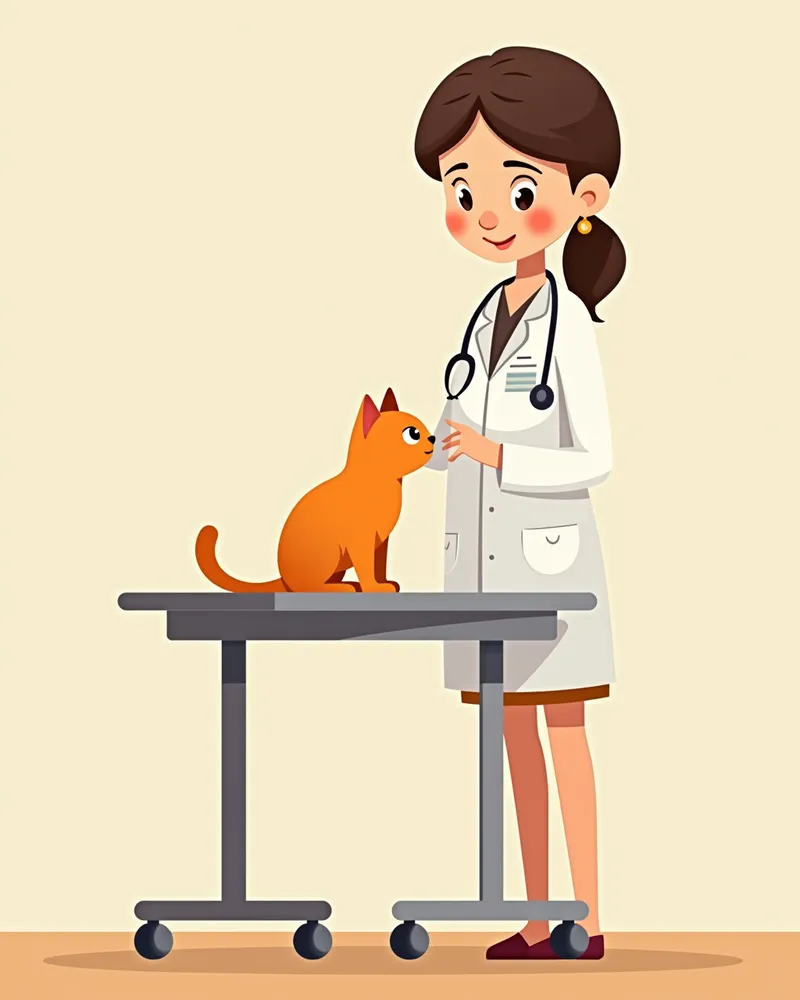
Veterinarians first determine the type of product ingested, the amount consumed, and the time elapsed since ingestion. Bringing the product packaging or medication bottle significantly speeds up the diagnostic process.
Serum iron concentration test: The timing of measurement depends on the formulation. For chewable or liquid forms, testing is done 2–3 hours after ingestion; for tablets or capsules (non-chewable), it is performed 4–6 hours later. If serum iron exceeds 250–500 μg/dL or surpasses total iron-binding capacity (TIBC), it is considered a severe case requiring chelation therapy.
Complete blood count (CBC): To check for anemia and changes in white blood cell levels.
Blood chemistry panel: To assess liver enzymes (ALT, AST), blood glucose, and electrolyte abnormalities.
Abdominal X-ray: To check for residual tablets in the gastrointestinal tract.
Iron absorption and concentration can change rapidly, so even if initial blood test results are normal, you should not be reassured. Repeat testing several hours later is often necessary.
A cat receiving an examination at a veterinary clinic

Treatment Steps at the Hospital

Treatment depends on how much time has passed since ingestion and the severity of symptoms. Inducing vomiting (within 1–2 hours of ingestion, if asymptomatic): A veterinarian will safely remove stomach contents using appropriate medication. Activated charcoal is not used because it does not bind to iron. Intravenous fluid therapy: IV fluids are administered to correct dehydration and support kidney and liver function. Chelation therapy (deferoxamine): If serum iron levels are high or symptoms are severe, medications that remove excess iron from the body are used. Supportive care: Liver protectants, antiemetics, and antibiotics when necessary are administered alongside other treatments.
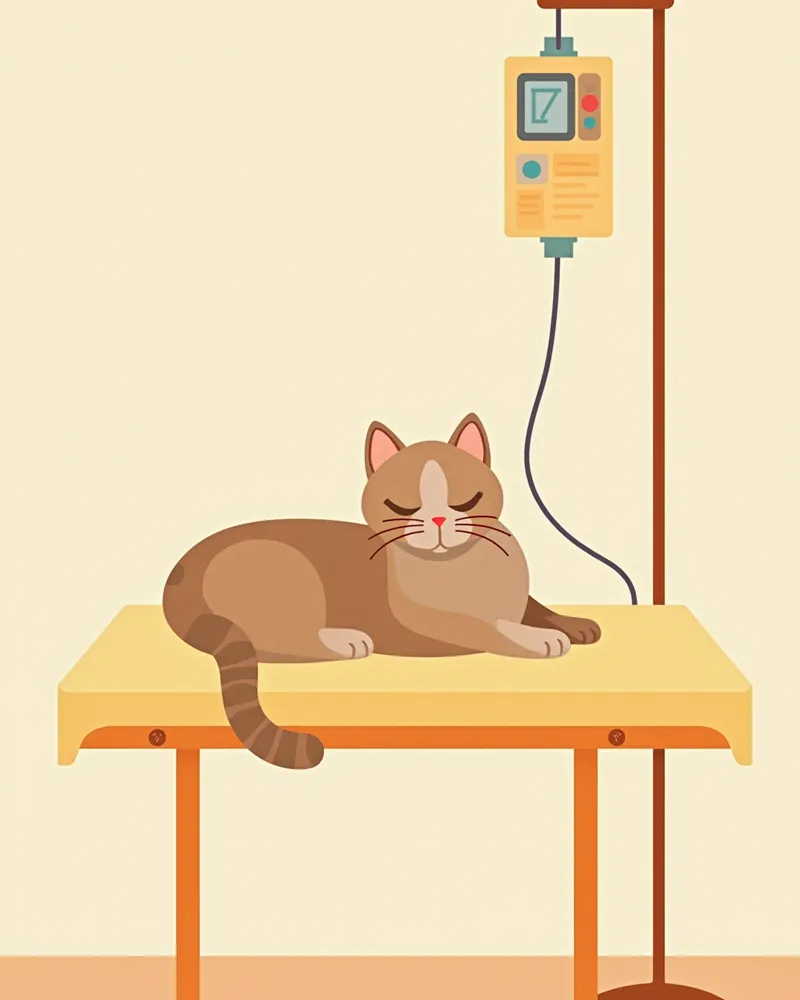
A cat receiving intravenous fluid therapy

What to Do and What Absolutely Not to Do at Home Before Going to the Clinic

Taking the right steps before heading to the clinic can significantly impact the outcome. What to do • Bring the packaging of the ingested product or the medication bottle to the clinic. • Determine the time and amount ingested as accurately as possible. • Keep your cat calm in a quiet, warm place. What to absolutely avoid • Do not induce vomiting at home using hydrogen peroxide. Cats are at high risk of developing hemorrhagic gastroenteritis if vomiting is induced this way. Vomiting should only be induced by a veterinarian using safe medications. • Do not attempt to block absorption by forcing your cat to eat something. Unverified methods can actually trigger vomiting or interfere with treatment. • Do not delay a clinic visit just because symptoms appear to be improving.

Iron Supplement Storage Guidelines — Prevention Is Best

Iron poisoning is far easier to prevent than to treat. Following these simple guidelines can help you avoid most accidents. • Store all vitamins and supplements in locked drawers or containers that cats cannot open. • Be especially cautious with chewable supplements (such as gels or soft chews), as cats may mistake them for food. • Even for cat-specific iron supplements, always use only the dosage prescribed by your veterinarian. • Do not leave vitamins intended for pregnant women or children on the floor or low shelves.

Reviewed by a veterinarian

Dr. Tony — Punnawat Phongkittirak

Dr. Tony — Punnawat Phongkittirak

Veterinarian

A veterinarian who majored in veterinary medicine at Khon Kaen University, Thailand, and completed the IVSA program at North Carolina State University in the United States. Drawing on clinical experience at animal hospitals, he works in the pet healthcare field and is dedicated to building a digital care environment that connects pet parents with veterinarians.

Frequently Asked Questions

My cat took an iron supplement and seems fine now. Is it okay to just monitor the situation?
Absolutely not. Stage 2 is a deceptive recovery period where the pet may appear symptom-free. However, toxins are being absorbed systemically, and the condition can suddenly worsen within 12 to 24 hours. Even if no symptoms are present, it is safest to contact your veterinarian immediately.
Is it safe to induce vomiting at home?
No, you should not use hydrogen peroxide on cats, as it can cause hemorrhagic gastroenteritis. Inducing vomiting should only be performed by a veterinarian at an animal hospital using safe medications.
Wouldn't giving activated charcoal help?
Iron is not well adsorbed by activated charcoal, making it ineffective. Veterinary toxicology textbooks recommend against using activated charcoal in cases of iron poisoning. Chelation therapy (with deferoxamine) is much more effective.
How much is considered a dangerous amount?
The exact amount of iron that poses a risk varies significantly depending on the product, as the concentration of elemental iron differs widely among formulations, making it difficult to provide a universal threshold. Many human iron supplements contain high levels of iron, so even a small ingestion can be dangerous for small cats. Rather than trying to calculate the precise toxic dose, the safest approach is to identify the specific product and the amount ingested, then consult your veterinarian immediately.
Can my pet make a full recovery after treatment?
With prompt treatment, most pets make a full recovery. However, delayed care can lead to liver damage or gastrointestinal scarring (strictures). If the condition progresses to stage 4, it may result in chronic digestive issues, making early treatment essential.

Share

Related Guides

References

[1] Gwaltney-Brant SM. Iron Toxicosis. In: Osweiler GD, Hovda LR, Brutlag AG, Lee JA (eds). Blackwell's Five-Minute Veterinary Consult Clinical Companion: Small Animal Toxicology, 3rd ed. Wiley-Blackwell, 2022.

[2] Schaer M (ed). Clinical Medicine of the Dog and Cat, 4th ed. CRC Press, 2022. Chapter: Toxicology — Decontamination and Gastrointestinal Toxicants.

[3] Plumb DC. Plumb's Veterinary Drug Handbook, 10th ed. Wiley-Blackwell, 2023. Sections: Deferoxamine Mesylate; Emesis Induction.

This information is based on veterinary literature and does not replace diagnosis or treatment. Please consult a veterinarian for specific health concerns.

Metapet Co., Ltd. | CEO: Park Sung-yong | Business Reg. No. 417-88-02562 | Seoul, South Korea | Customer Center

Cat Ate an Iron Supplement? Poisoning Signs & When to Act | Meongsiljang