Like
Share
멍실장
고양이 치석·치태 예방 증상과 원인, 진단·치료와 관리 포인트 총정리

If Your Cat’s Bad Breath Is Concerning You — Tartar and Plaque Prevention and Care Tips

Oral HealthDiseasesMeongsiljang Veterinary Advisory Board

Feline dental tartar is a condition caused by the hardening of plaque around the teeth, leading to various symptoms such as bad breath, bleeding, and decreased appetite. Early detection and prevention are essential.

Feline Dental Tartar Is a Condition Caused by the Hardening of Plaque Around the Teeth

A side view of a cat’s teeth showing tartar buildup.
Feline tartar forms when plaque on the tooth surface hardens due to the deposition of calcium and minerals. While it may not be immediately visible in the early stages, it can lead to gum inflammation and progress to periodontal disease over time. - Tartar Formation: When plaque becomes mineralized, it turns into hard tartar. Its rough surface allows more plaque to adhere, accelerating the progression of periodontal disease. - Early Signs: Redness and swelling of the gums are the first visible changes, but bleeding during brushing or probing is the true early indicator. - Local and Surrounding Effects: Advanced periodontal disease can lead to local and surrounding issues, such as damage around the eyes or pathological jawbone fractures. - Key to Prevention: Early detection and consistent oral care are essential. Tartar is not just a cosmetic issue but a threat to health, so careful management is necessary.

The Main Causes of Tartar Formation Are Diet and Inadequate Oral Hygiene

Feline dental tartar forms when plaque accumulates on the tooth surface and minerals deposit within it. If plaque is not adequately removed and remains for an extended period, it hardens into tartar. - Inadequate oral hygiene: Insufficient brushing or tartar control allows plaque to accumulate and harden. - Dietary management: Foods, treats, and products that meet the Veterinary Oral Health Council (VOHC) standards can help reduce plaque and tartar accumulation. - Age-related factors: Acquired dental diseases become more common with age. Cats over one year old require regular care to address periodontal disease and tooth resorption lesions. - Key care points: Daily oral care and regular check-ups are essential to manage plaque before it hardens into tartar.
A cat enjoying a soft wet food, with tartar-control treats placed nearby.

Checklist of Key Symptoms Suspected to Be Tartar Buildup

It’s important to watch for signs that may indicate tartar buildup or periodontal disease in cats. However, since most cats with periodontal disease don’t show obvious external symptoms, we recommend a veterinary checkup if you notice any of the following signs repeatedly:
Bad breath: Halitosis can be a sign of advanced periodontal disease.
Refusal to eat or decreased appetite: Your cat may drop food, chew on only one side, or avoid hard foods.
Bleeding in the mouth: You might notice blood in the mouth while eating.
Frequent licking or scratching at the mouth: These behaviors can indicate pain or discomfort around the mouth.
Pain response: Your cat may react negatively or show signs of pain when their face is touched.
Your cat's gums are swollen and tartar is visible, and they seem uncomfortable when you touch their mouth.

Situations Requiring Immediate Veterinary Visit

If your cat loses its appetite entirely, bleeds from the mouth, or scratches around its mouth with its front paws as a sign of pain, seek veterinary care immediately. Advanced periodontal disease can lead to serious local and regional complications, such as damage around the eyes or pathological jaw fractures.

Tartar Diagnosis Is Performed Through Oral Examination and Radiographs
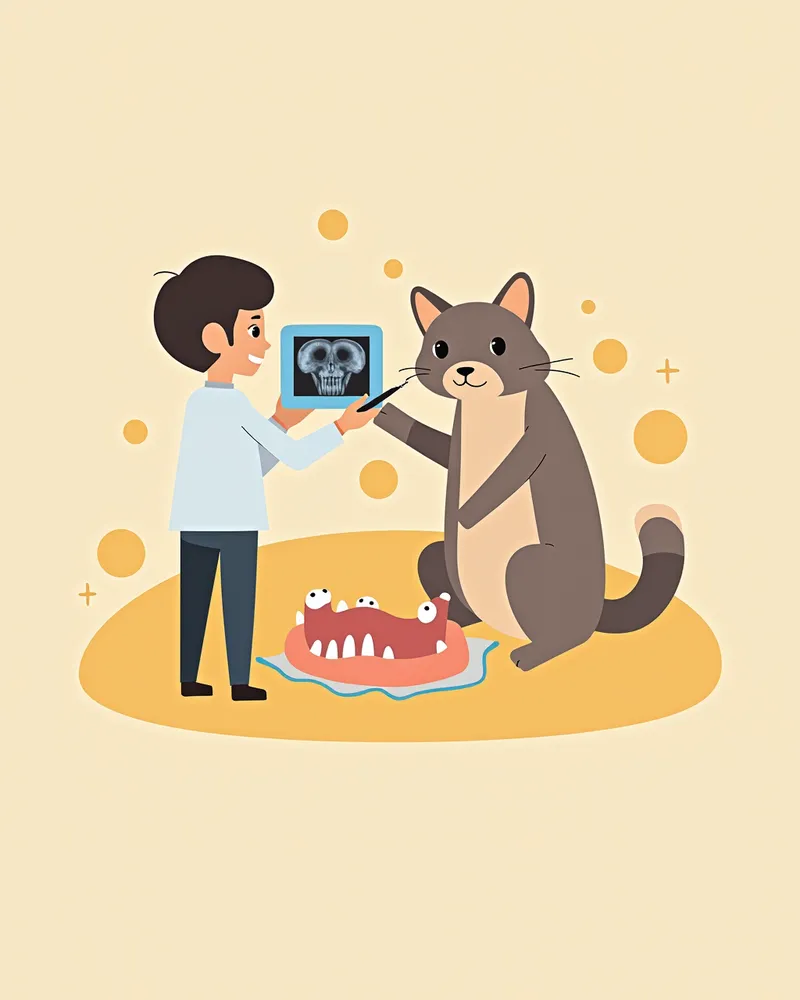
The veterinarian will directly examine your cat’s mouth to assess the condition of the gums around the teeth and the extent of tartar buildup. Radiographs are particularly useful for detecting damage to the roots or bone that isn’t visible to the naked eye. - Oral Examination: A thorough inspection of the spaces between the teeth and the gum margins. - Need for Radiographs: Damage beneath the tooth roots is difficult to detect visually, making X-rays essential for an accurate diagnosis. - Need for Anesthesia: Anesthesia helps keep your cat still during the examination and imaging process. - Importance of Early Detection: Early diagnosis expands treatment options and helps reduce pain. Regular check-ups can prevent tartar buildup from progressing.
A veterinarian examines a cat’s teeth under anesthesia while reviewing radiographic images.

Treatment Consists of Scaling and Polishing

Tartar removal is performed under general anesthesia, using a dedicated scaler to precisely remove tartar from the tooth surfaces. This process can also eliminate tartar that has penetrated deep to the root level. - Purpose of Scaling: The key objective is to completely remove tartar and plaque to suppress inflammation and support gum healing. - Effect of Polishing: Smoothing the tooth surface makes it more difficult for plaque to accumulate again. - Prevention of Recurrence: A smooth surface significantly reduces the risk of tartar reformation. - Post-Treatment Care: Maintaining oral hygiene habits even after recovering from anesthesia is essential for lasting results. Treatment is not a short-term fix, but rather the beginning of long-term health management.
Removing tartar from an anesthetized cat's teeth using an ultrasonic scaler

Home Care Centers on Brushing and Special Treats
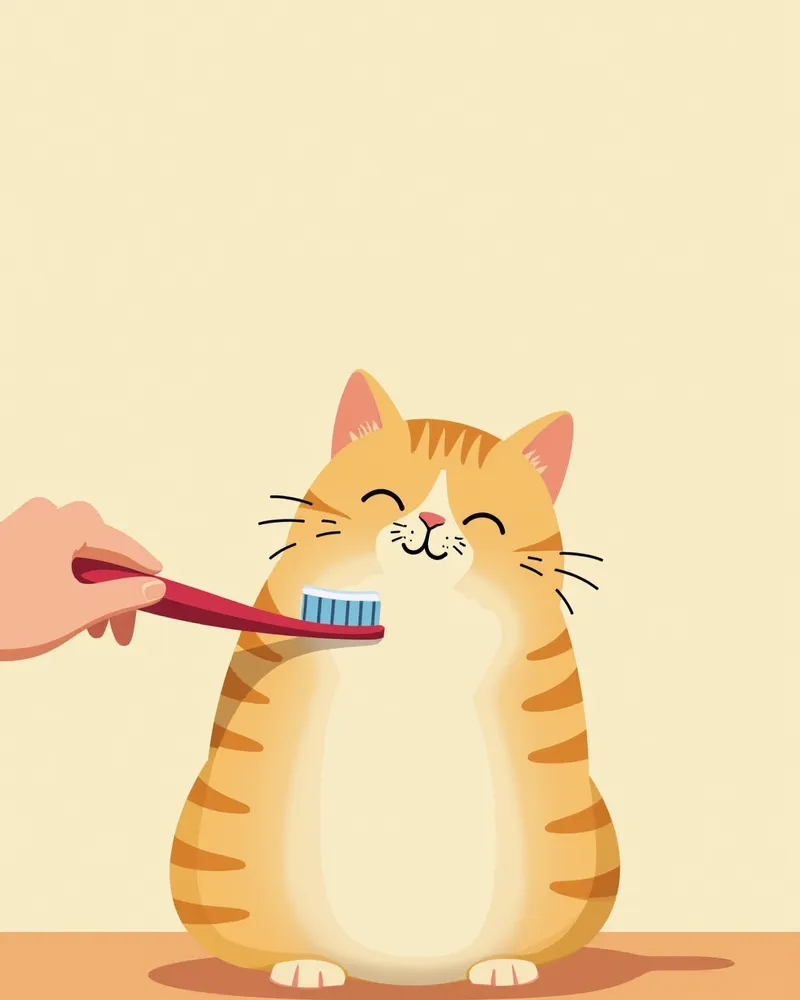
The most effective way to maintain your cat’s dental health at home is daily brushing. Consistent oral care at home helps prevent or even reverse dental issues like gingivitis. Use a toothbrush and toothpaste specifically designed for cats, and gradually build the habit.
Daily brushing: Gently clean the teeth and gums.
Use cat-specific toothpaste: Since cats can’t rinse their mouths after brushing, use a toothpaste formulated to be safe if swallowed, and avoid human toothpaste.
Dental treats and food: Treats, food, and products that meet VOHC standards can help reduce plaque and tartar buildup.
Water additives: Dental care products can be added to drinking water as a supplementary measure.
A person gently brushing a cat’s teeth with a specialized toothbrush, while the cat remains calm and relaxed.

Breed-Specific Precautions and Tips for Preventing Recurrence

Cats require both home care and professional veterinary dental care throughout all life stages. For cats over one year old, regular check-ups are recommended to monitor for periodontal disease, tooth resorption lesions, and gingivitis. If you notice your cat avoiding hard food or chewing on only one side, schedule a dental exam. In high-risk cases, professional dental cleanings may be needed every three to four months.

Reviewed by a veterinarian

Dr. Tony — Punnawat Phongkittirak

Dr. Tony — Punnawat Phongkittirak

Veterinarian

A veterinarian who majored in veterinary medicine at Khon Kaen University, Thailand, and completed the IVSA program at North Carolina State University in the United States. Drawing on clinical experience at animal hospitals, he works in the pet healthcare field and is dedicated to building a digital care environment that connects pet parents with veterinarians.

Frequently Asked Questions

Can feline dental tartar be treated at home?
No, tartar adheres firmly to the tooth surface and cannot be removed at home. Professional scaling using an ultrasonic scaler or curette is required.
Is it safe to use human toothpaste on cats?
We do not recommend it. Since cats cannot rinse their mouths after brushing and will inevitably swallow the toothpaste, you should use a cat-specific toothpaste that is safe to swallow instead of human toothpaste.
Can tartar come back after it’s been removed?
Yes, if proper care isn’t maintained, the condition can recur. Daily tooth brushing and regular veterinary check-ups are key to preventing recurrence, and in high-risk cases, professional dental cleanings may be needed every 3 to 4 months.
What should I do if my cat hates having its teeth brushed?
Gradually build the habit. Start by wiping your pet’s teeth with just your finger, then slowly introduce a toothbrush. Pairing the process with treats helps create a positive experience.
Is a vet visit absolutely necessary once tartar forms?
Yes, tartar can lead to periodontal disease, causing issues such as gingivitis, pain, and loose teeth. If you notice any symptoms or suspect a problem, early veterinary care is essential.

Share

Related Guides

References

[1] The Dog Care Handbook, Things I Wish My Vet Had Told Me, 2020

[2] 100 Top Consultations in Small Animal General Practice, 2019

[3] Canine and Feline Respiratory Medicine, 3rd Edition, 2021

This information is based on veterinary literature and does not replace diagnosis or treatment. Please consult a veterinarian for specific health concerns.

Metapet Co., Ltd. | CEO: Park Sung-yong | Business Reg. No. 417-88-02562 | Seoul, South Korea | Customer Center

Cat Bad Breath? Tartar & Plaque Prevention and Care Tips | Meongsiljang