

Chronic Rhinitis and Nasal Discharge in Dogs: Symptoms, Causes, Diagnosis, Treatment, and Management Essentials
Chronic rhinitis in dogs is a condition characterized by persistent inflammation in the nasal passages and prolonged, sticky nasal discharge. The causes can vary, including infections, allergies, foreign objects, and tumors.
What Is Chronic Rhinitis and Nasal Discharge in Dogs?

What Are the Main Causes of Chronic Rhinitis?

Check for Key Symptoms and Signs

When to Seek Immediate Veterinary Care
If your dog’s nasal discharge is red or black, has a strong odor, or if they are experiencing severe shortness of breath, persistent coughing, sudden weight loss, or lethargy, immediate veterinary care is necessary. These could be signs of a serious infection or tumor, so don’t ignore them.
Diagnostic Tests for an Accurate Diagnosis
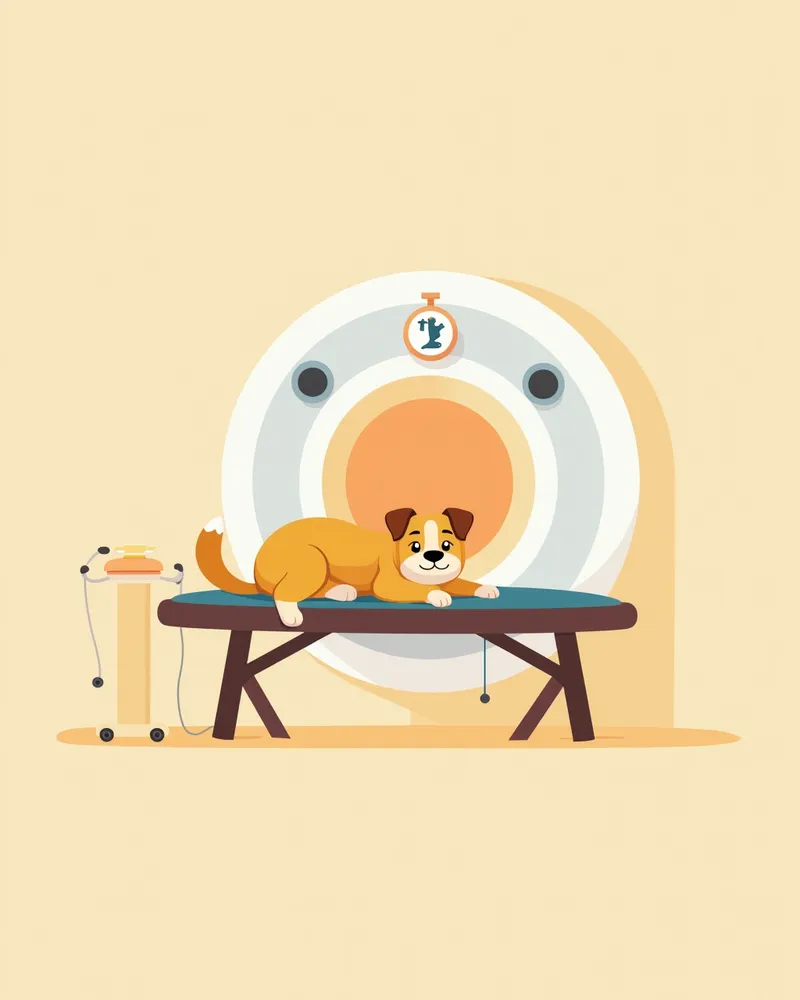
Treatment Options and Step-by-Step Management

Home Care Tips

Breed-Specific Precautions and Preventing Recurrence
Long-nosed, dolichocephalic breeds are known to be more susceptible to chronic rhinitis, including fungal rhinitis (aspergillosis). This is because their larger nasal surface area makes them more prone to exposure to inhaled pathogens and irritants. These breeds require regular nasal and environmental care. To prevent recurrence, consistent efforts in infection prevention and managing inflammation and irritants are essential.
Reviewed by a veterinarian

Dr. Tony — Punnawat Phongkittirak
VeterinarianA veterinarian who majored in veterinary medicine at Khon Kaen University, Thailand, and completed the IVSA program at North Carolina State University in the United States. Drawing on clinical experience at animal hospitals, he works in the pet healthcare field and is dedicated to building a digital care environment that connects pet parents with veterinarians.
Reviewed 2026-06-29
Frequently Asked Questions
Why is my dog’s nasal discharge sticky?
What should I do if my pet’s nasal discharge is red?
Can chronic rhinitis be treated?
Can I clean my pet’s nasal passages at home?
Can persistent nasal discharge spread to the lungs?
Comparison of Characteristics and Management by Cause of Chronic Rhinitis
| Item | Main Characteristics | Treatment Method | Precautions |
|---|---|---|---|
| Bacterial infection | Sticky discharge, causes odor | Antibiotic treatment | Treat for a sufficient period as directed by the veterinarian |
| Inflammatory/allergic | Nasal irritation, repeated sneezing | Anti-inflammatory treatment such as steroids | Environmental factor management essential |
| Foreign body | Discharge from only one nostril | Removal by endoscopy | Immediate removal required |
| Tumor | Reddish nasal discharge, weight loss | Surgery, radiation therapy | Early detection is important |
Since treatment varies by cause, an accurate diagnosis is essential.
Share
Related Guides

Top Recommended Feline Bronchodilators and Selection Criteria: A Complete Guide

Best Recommendations and Selection Criteria for Monitoring Your Cat’s Respiratory Rate (RR) During Sleep for Heart Care

Best Recommendations and Selection Criteria for Monitoring Your Dog’s Respiratory Rate (RR) During Sleep for Heart Care

Canine Keratoconjunctivitis Sicca (KCS) — A Guide to Lifelong Artificial Tear Management
Kitten Coccidia — Causes of Chronic Diarrhea and Treatment Guide
If Your Male Cat Can’t Urinate — Urethral Obstruction Emergency Signs and the Golden Window

Dog Bladder Stones: Treatment Varies by Type — Dietary and Surgical Decision Guide

Canine Hepatitis — A Guide to Symptoms, Diagnosis, and Treatment by Cause

Feline Toxoplasmosis — Infection Risks for Pregnant Women and Prevention Guide

Lyme Disease in Dogs — Symptoms and Diagnosis of Tick-Borne Disease in Korea
References
[1] BSAVA Manual of Canine and Feline Dermatology, 4th Ed. (2013). BSAVA Publications.
[2] Moore PF (2014). A review of histiocytic diseases of dogs and cats. Veterinary Pathology 51, 16-184.
[3] Gross TL, Ihrke PJ, Walder EJ and Affolter VK (2005). Skin Diseases of The Dog and Cat. Clinical and Histopathological Diagnosis, 2nd edn. Blackwell Publishing.